Genres
Artists
Albums
Make Music
Sign in
Sign in
Artists
French Jazz
Artists
French Jazz
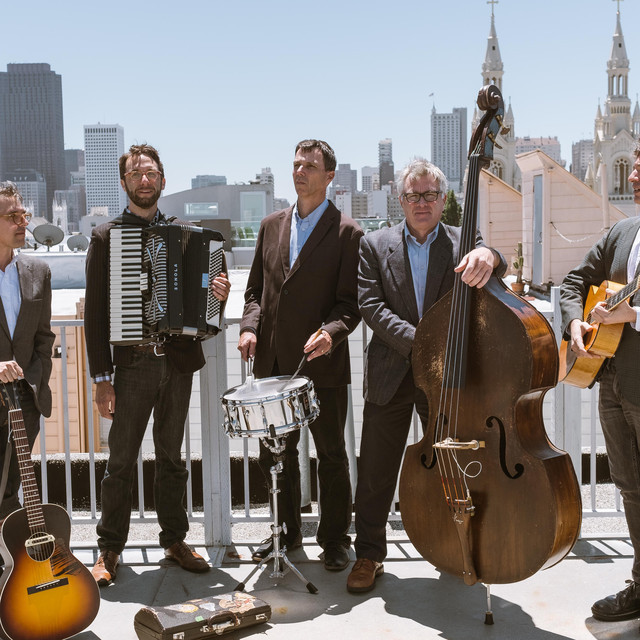
Gaucho
Listen
2
/5
Genres
Americana
Americana is a contemporary umbrella term for U.S. roots music that blends folk, country, blues, bluegrass, gospel, and roots rock into a songwriter-centered, largely acoustic-leaning sound. Hallmarks include story-driven lyrics; warm, organic production; and traditional instrumentation such as acoustic guitar, mandolin, banjo, fiddle, harmonica, pedal steel, upright or electric bass, and restrained drums. Rhythms often draw on the train beat, shuffles, two-step, waltz time, and relaxed backbeats. Harmonically it favors diatonic progressions (I–IV–V, I–vi–IV–V), modal tinges (Mixolydian), and close vocal harmonies. Rather than a rigid style, Americana functions as a bridge among related roots traditions, emphasizing authenticity, regional imagery, and narrative songwriting over genre flashiness.
Discover
Listen
Gypsy Jazz
Gypsy jazz (often called jazz manouche) is an acoustic, string-driven style of swing developed by Romani musicians in Paris in the 1930s, most famously by guitarist Django Reinhardt and violinist Stéphane Grappelli with the Quintette du Hot Club de France. Its signature sound pairs percussive rhythm-guitar strumming (la pompe) with virtuosic single-note lines, violin leads, and a walking double bass, typically without drums or horns. Harmonically, it blends American swing-era jazz changes with European influences such as musette waltzes and classical voice-leading, yielding rich dominant chords, diminished passing harmony, and chromatic approach lines. The result is a bright, agile, and highly danceable style that can be both exuberant and lyrical.
Discover
Listen
French Jazz
French jazz is the French branch of jazz that took root in Paris and other urban centers after World War I, when African American musicians and touring bands introduced the music to a receptive café and cabaret culture. It blends American jazz idioms with French musical sensibilities, notably chanson, musette waltzes, and a refined classical ear for color and melody. Its sound ranges from the acoustic swing of the 1930s Hot Club style (guitar- and violin-led ensembles) to postwar bebop, cool and modal currents, free improvisation, and later fusions with chanson and electronic music. Hallmarks include lyrical, song-like themes, supple swing feels, elegant harmonic voicings, and, in some strands, the distinctive "la pompe" rhythm of manouche guitar and the timbre of accordion and violin. Today, French jazz encompasses both traditional and forward-looking approaches: intimate acoustic combos, orchestral and filmic jazz, and hybrid forms that intersect with nu jazz, electro-swing, and contemporary European improvisation.
Discover
Listen
Jazz
Jazz is an improvisation-centered music tradition that emerged from African American communities in the early 20th century. It blends blues feeling, ragtime syncopation, European harmonic practice, and brass band instrumentation into a flexible, conversational art. Defining features include swing rhythm (a triplet-based pulse), call-and-response phrasing, blue notes, and extended harmonies built on 7ths, 9ths, 11ths, and 13ths. Jazz is as much a way of making music—spontaneous interaction, variation, and personal sound—as it is a set of forms and tunes. Across its history, jazz has continually hybridized, from New Orleans ensembles and big-band swing to bebop, cool and hard bop, modal and free jazz, fusion, and contemporary cross-genre experiments. Its influence permeates global popular and art music.
Discover
Listen
New Orleans Jazz
New Orleans jazz is an early jazz style that emerged in New Orleans as small ensembles blended African-American musical practices with European instrumentation. It is characterized by collective improvisation, where multiple frontline instruments (typically cornet/trumpet, clarinet, and trombone) improvise simultaneously around the melody. Rhythm is driven by a steady, marching-band-derived pulse and syncopation, often supported by tuba (or string bass), banjo (or guitar), drums, and sometimes piano. The repertoire commonly draws on blues, ragtime, marches, quadrilles, hymns, and popular songs, with frequent use of call-and-response phrasing and a strong sense of swing that predates later big-band styles. In many catalogs this tradition overlaps with what is later called Dixieland, though historically it includes both African-American New Orleans styles and subsequent revival interpretations.
Discover
Listen
Ragtime
Ragtime is an African American–rooted piano style that flourished from the 1890s to the 1910s, characterized by lively syncopation in the right hand against a steady, march-like “oom‑pah” accompaniment in the left hand. Typically written in 2/4 or 4/4 time and notated with straight (unswung) eighth notes, classic rags unfold in multiple 16‑bar strains, often in the form AABBACCDD. The music draws on cakewalk rhythms, marching-band forms, and popular song, and it became a sensation through sheet music, piano rolls, and parlor performance. Scott Joplin, known as the “King of Ragtime,” helped codify the genre’s refined, compositional approach, calling for moderate tempos and a clear, singing melody. Beyond solo piano, ragtime was arranged for small ensembles and orchestras, found a home in vaudeville and dance halls, and laid essential groundwork for early jazz, stride piano, and much of 20th‑century American popular music.
Discover
Listen
Similar artists
3
/5
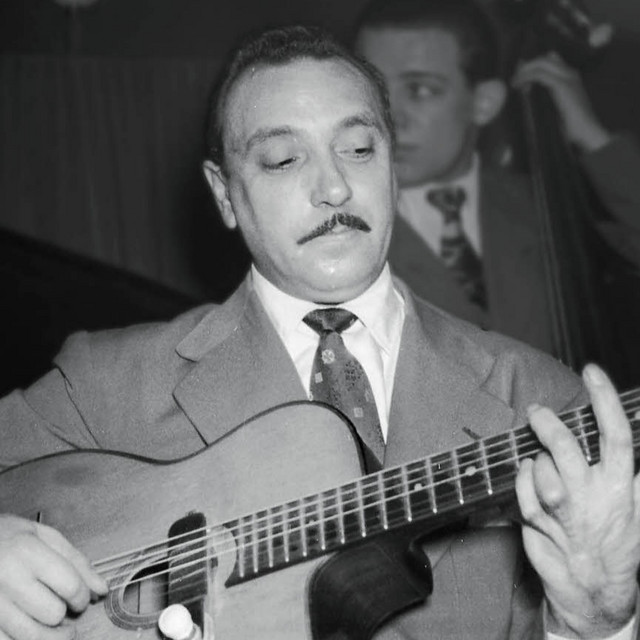
Django Reinhardt
Gypsy Jazz
Jazz
Ragtime
3
/5
Paris Combo
Chanson Française
Jazz
Chanson Alternative
3
/5
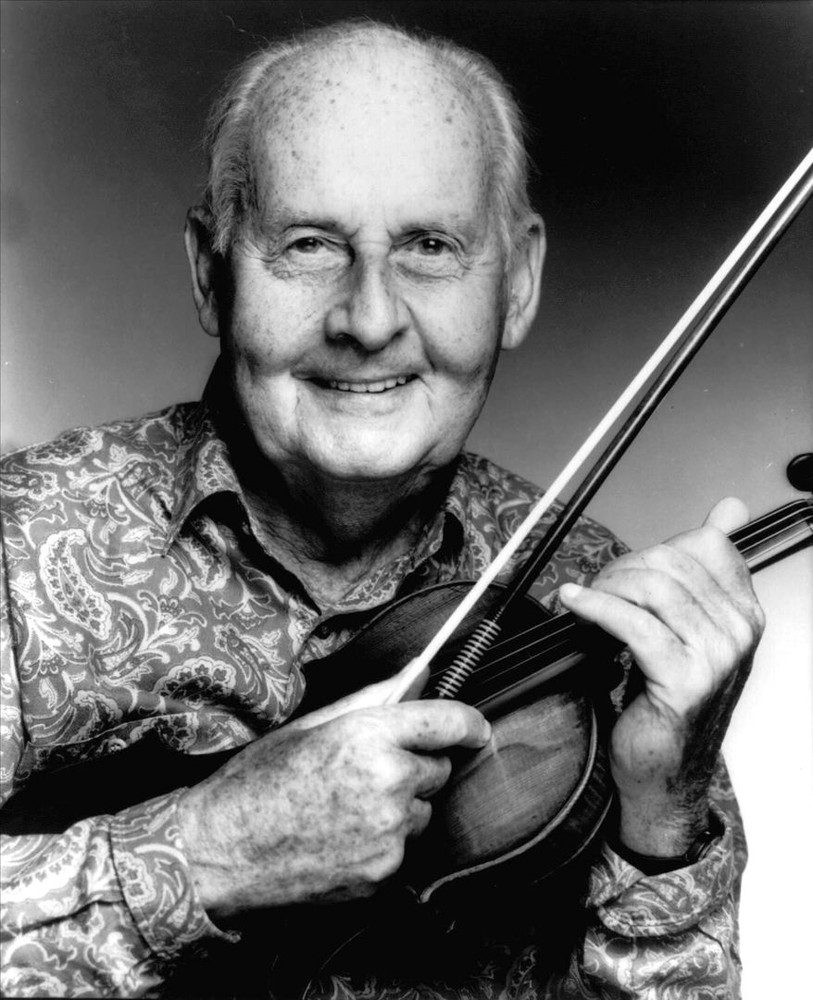
Stéphane Grappelli
Gypsy Jazz
Jazz
French Jazz
3
/5
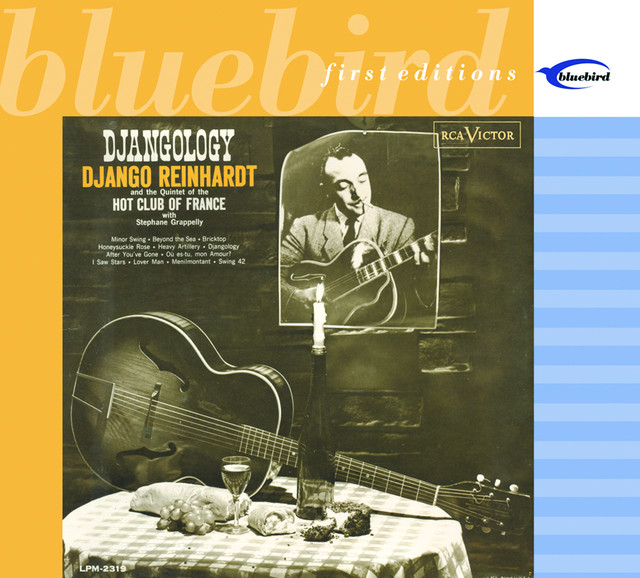
Quintette du Hot Club de France
Gypsy Jazz
French Jazz
Jazz
2
/5
Biréli Lagrène
Gypsy Jazz
French Jazz
Jazz
2
/5
Martial Solal
French Jazz
Jazz
Bebop
2
/5
Claude Bolling
French Jazz
Jazz
Ragtime
2
/5
Sanseverino
Chanson Française
Gypsy Jazz
Chanson Alternative
2
/5
Sylvain Luc
Gypsy Jazz
French Jazz
Jazz
2
/5
Romane
French Jazz
Swing
Gypsy Jazz
Download our mobile app
Get the Melodigging app and start digging for new genres on the go
Download on the App Store
Get it on Google Play
© 2026 Melodigging
Give feedback
Legal
Melodding was created as a tribute to
Every Noise at Once
, which inspired us to help curious minds keep digging into music's ever-evolving genres.