Genres
Artists
Albums
Make Music
Sign in
Sign in
Artists
Malay
Artists
Malay
Gangsapura
2019
·
1 album
Listen
1
/5
Genres
Traditional Music
Traditional music is an umbrella term used in the mid–20th century by folklorists and ethnomusicologists to denote community-rooted, orally transmitted repertoires tied to social ritual, work, celebration, and storytelling. Unlike commercial pop or art-music traditions, traditional music is typically learned by ear, varies regionally, and evolves slowly through communal participation. It often features modal melodies, cyclic rhythms, heterophony or unison singing, and indigenous instruments whose timbres are integral to local identity. Lyrics tend to preserve language, history, and collective memory. While the musical practices themselves can be ancient, the phrase “traditional music” emerged to replace earlier, narrower or colonial framings like “folk” or “ethnic” music, foregrounding continuity, locality, and living practice rather than exoticism.
Discover
Listen
Malay
Malay is a broad umbrella term for music created by and for the Malay-speaking world, centered in Malaysia and extending to Singapore, Brunei, and parts of Indonesia. It spans courtly and folk idioms (asli, inang, joget, zapin, dondang sayang, dikir barat, and Ghazal Johor) as well as modern popular styles performed in the Malay language. Its sonic palette blends Arab-Islamic devotional aesthetics, North Indian (Hindustani) melodic sensibilities, Indonesian/Javanese gamelan colors, and traces of Portuguese colonial dance forms, later absorbing jazz, Latin, and Western pop. Common instruments include gambus (Arab lute), biola (violin), seruling (flute), harmonium or accordion, gendang and rebana/kompang frame drums, alongside modern guitar, keyboards, and drum set. Vocals emphasize melisma and poetic delivery, often setting pantun (quatrain) texts and romantic or moral themes.
Discover
Listen
Malay Classical Music
Malay classical music (Muzik Klasik Melayu) is the refined, courtly and urban song-and-dance tradition of the Malay world that crystallized in the 19th and early 20th centuries across the Malay Peninsula and the Straits Settlements. It blends indigenous court repertories (nobat and istana traditions) with Arab-Persian modal practice, North Indian ghazal poetics, Portuguese-Eurasian serenade strains (dondang sayang), and later European salon instrumentation. Core song-types include asli (slow, melismatic art song), inang (graceful court dance), joget (lively social dance), zapin (Arabic-rooted devotional dance adapted for entertainment), dondang sayang (improvised love-verse exchange), and ghazal Johor (Malay take on the ghazal). Typical ensembles center on voice with biola (violin), gambus/oud, rebab, accordion or harmonium, serunai (shawm) in ceremonial contexts, and frame and barrel drums (gendang, rebana/kompang). Melodic lines are heavily ornamented, lyrics are built from pantun and syair poetry, and rhythms follow characteristic cycles (e.g., zapin in 6/8; joget in brisk duple).
Discover
Listen
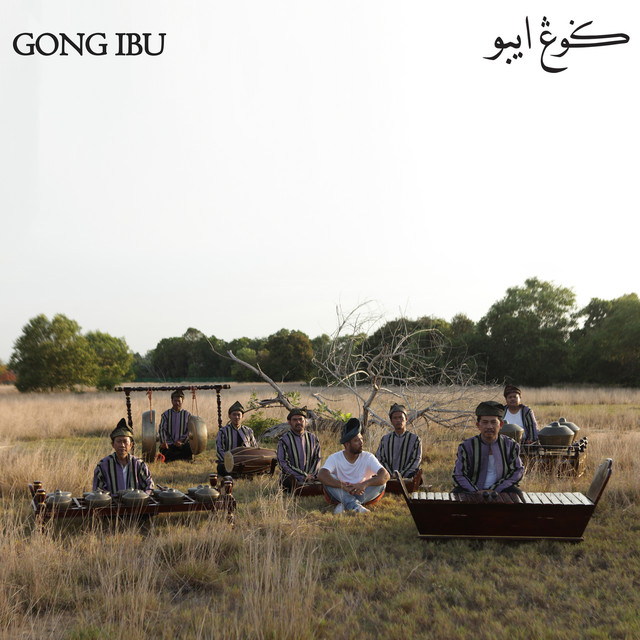
Malay Gamelan
Malay Gamelan (Gamelan Melayu) is a courtly style of gamelan developed within Malay-speaking communities, drawing directly from the older Indonesian gamelan traditions while taking on distinctive Malay aesthetics and repertoire. It is most closely associated with the royal courts of the Malay Peninsula—especially Terengganu and Pahang—where it accompanied drama, palace ceremonies, and refined dance forms. Its instrumentation centers on bronze-keyed metallophones, sets of kettle gongs, large hanging gongs, wooden xylophones, drums, and soft winds/voice, organized into cyclical rhythms and elegant, flowing melodies. Compared to Javanese and Balinese counterparts, Malay Gamelan tends toward mellower tempos, a five-tone pelog subset, and a repertoire (lagu) with courtly poise and Malay poetic flavor. Today it is performed in both Indonesia (notably Riau–Lingga/Malay regions) and Malaysia, sustained by state ensembles and university groups that preserve and restage the court repertory.
Discover
Listen
Malay Music
Malay music refers to the traditional and popular musical practices of the ethnic Malay communities of the Malay Peninsula and surrounding regions, with Malaysia as its primary cultural center. It blends indigenous Malay aesthetics with strong influences from Arab-Islamic, Indian (especially Hindustani/ghazal), Chinese, and Portuguese traditions. Core song-forms include asli (lyrical and ornamented), inang (courtly), joget (lively dance in 6/8), zapin (Hadhrami Arab-derived dance music), ghazal Johor (Malay interpretation of the Indo-Persian ghazal), and dondang sayang (improvised pantun poetry over graceful melodies). Typical instruments include gambus (Malay oud), biola (violin), harmonium, accordion, serunai (reed shawm), rebab (spike fiddle), kompang and rebana (frame drums), marwas (small hand drums), gendang (barrel drums), and occasionally tabla. Melodies favor pentatonic and heptatonic frameworks enriched with maqam-like inflections, while lyrics draw on pantun (quatrain) poetry, courtly love, moral teachings, and reflections on nature and adat (custom).
Discover
Listen
Albums
2019
2
/5
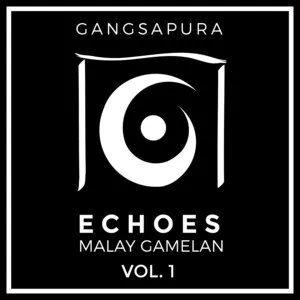
Echoes: Malay Gamelan - Vol. 1
Gangsapura
Malay Gamelan
Malay Classical Music
Malay Music
Similar artists
1
/5
Gamelan Sinar Surya
Malay
Traditional Music
Malay Classical Music
1
/5
Wayan Udayana
Malay
Traditional Music
Malay Classical Music
1
/5
The Fadzil Ahmad Ensemble
Malay
Traditional Music
Malay Classical Music
2
/5
MonoloQue
Malay
Malay Pop
Malay Rap
1
/5
Orkes Gamelan Pahang Di Raja
Malay
Malay Classical Music
Malay Gamelan
1
/5
Sanggar Kirana Gamelan Group
Malay
Traditional Music
1
/5
Lagu Lagu Melayu Untuk Menari
Malay
Traditional Music
1
/5
Kumpulan Ahmad Yusoh & Rakan-Rakan
Malay
Traditional Music
1
/5
Rahim Jantan
Malay
Traditional Music
4
/5
Dato' Sri Siti Nurhaliza
Malay Rap
Dangdut
Indonesian Pop
Download our mobile app
Get the Melodigging app and start digging for new genres on the go
Download on the App Store
Get it on Google Play
© 2026 Melodigging
Give feedback
Legal
Melodding was created as a tribute to
Every Noise at Once
, which inspired us to help curious minds keep digging into music's ever-evolving genres.