Your digging level
Description
Malay Gamelan (Gamelan Melayu) is a courtly style of gamelan developed within Malay-speaking communities, drawing directly from the older Indonesian gamelan traditions while taking on distinctive Malay aesthetics and repertoire.
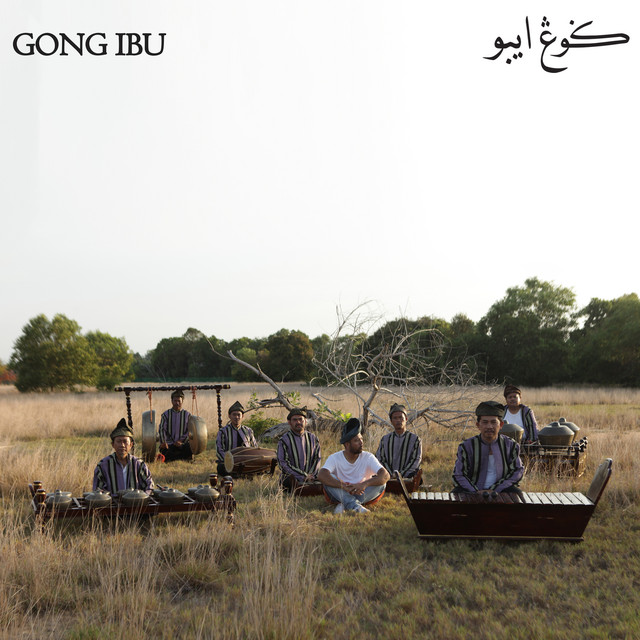
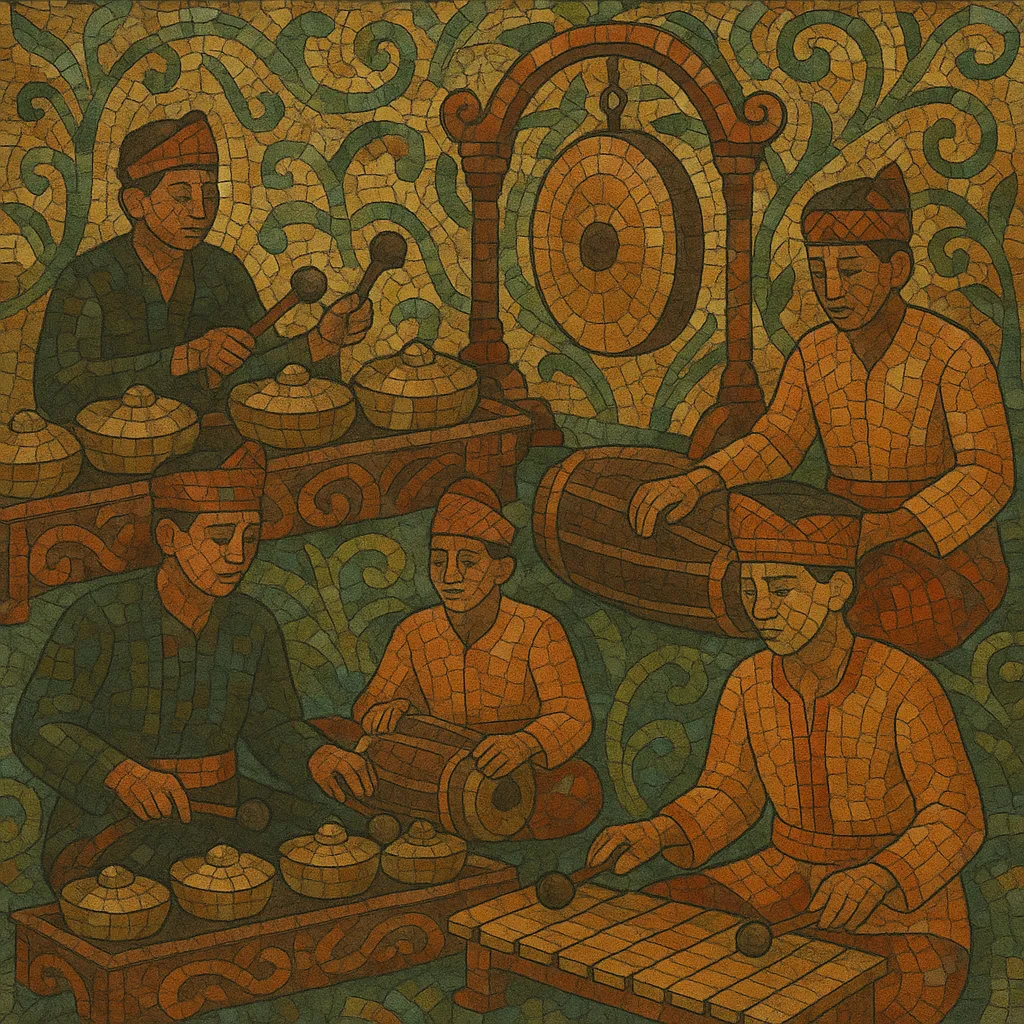
It is most closely associated with the royal courts of the Malay Peninsula—especially Terengganu and Pahang—where it accompanied drama, palace ceremonies, and refined dance forms. Its instrumentation centers on bronze-keyed metallophones, sets of kettle gongs, large hanging gongs, wooden xylophones, drums, and soft winds/voice, organized into cyclical rhythms and elegant, flowing melodies.
Compared to Javanese and Balinese counterparts, Malay Gamelan tends toward mellower tempos, a five-tone pelog subset, and a repertoire (lagu) with courtly poise and Malay poetic flavor. Today it is performed in both Indonesia (notably Riau–Lingga/Malay regions) and Malaysia, sustained by state ensembles and university groups that preserve and restage the court repertory.
History
Malay Gamelan originated from Indonesian gamelan traditions, spreading among Malay-speaking courts during the 1800s. Courtly contact across the Straits of Malacca—especially with the Riau–Lingga Sultanate—brought instruments, repertory, and pedagogy into Malay royal centers. From these links, palace ensembles took shape and a localized style coalesced.
By the late 19th and early 20th centuries, Malay Gamelan became firmly established at the Terengganu and Pahang courts. The ensemble accompanied royal entertainments, theater, masked dance, and processional rites. Repertory stabilized into recognized pieces (lagu) whose cyclical structures, cadential points, and refined drumming cues matched court choreography and etiquette.
Malay Gamelan typically uses a five-tone subset of pelog, colotomic gong cycles, and a soft, blended timbre. Metallophones outline the balungan (core melody), while elaborating parts (bonang/gambang) ornament cadences, and drums (gendang) shape tempo and transitions. Well-known court pieces include dignified processional and dance-associated lagu whose names and melodic contours reflect Malay cultural imagery and verse.
With political and social change, some palace ensembles waned. Yet governmental cultural bodies and universities in Malaysia revived and institutionalized Malay Gamelan, reconstructing repertory from bearers tied to the courts. In Indonesia’s Malay regions, community groups sustained local variants.
Today, state ensembles and university programs curate archives, standardize teaching, and stage performances at festivals and national events. Contemporary composers and choreographers also integrate Malay Gamelan textures into theater, film, and concert works, ensuring continuity while encouraging tasteful innovation.