Genres
Artists
Albums
Make Music
Sign in
Sign in
Artists
Arrocha
Artists
Arrocha
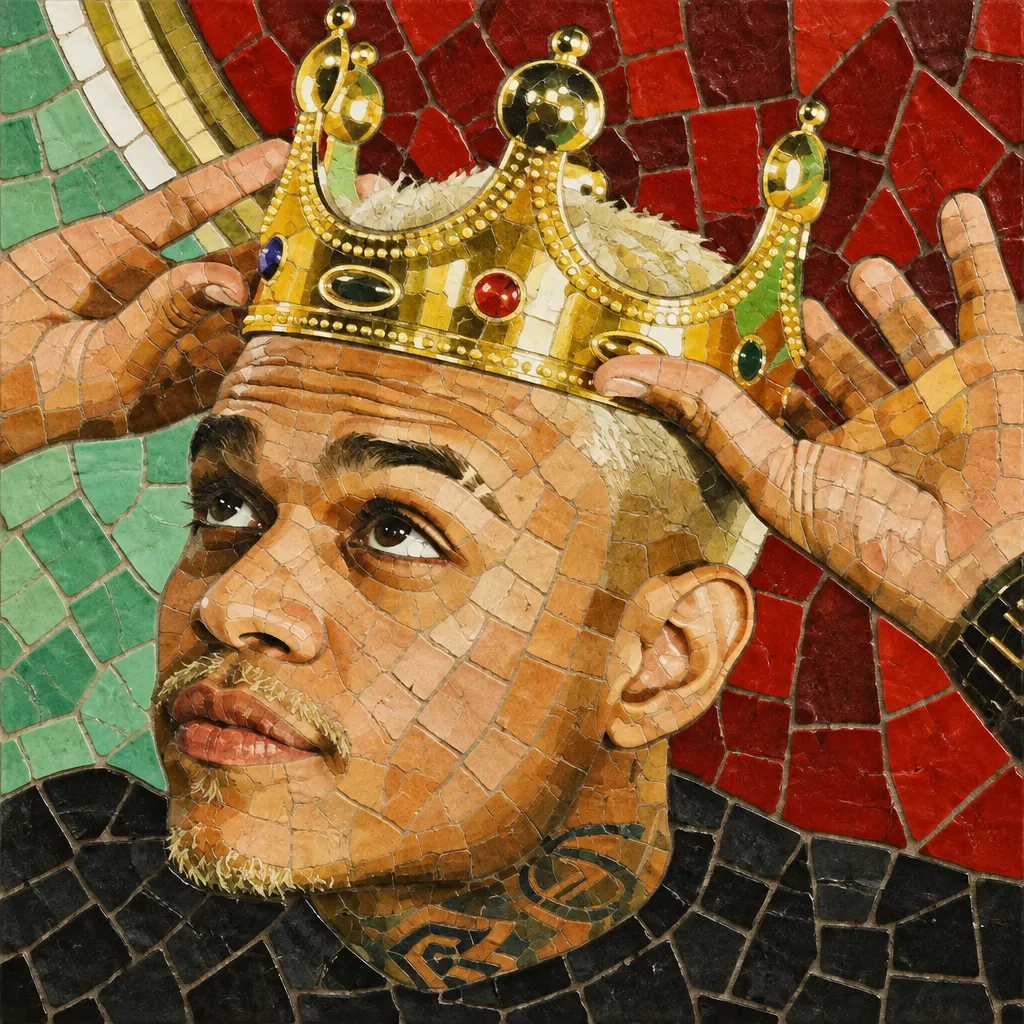
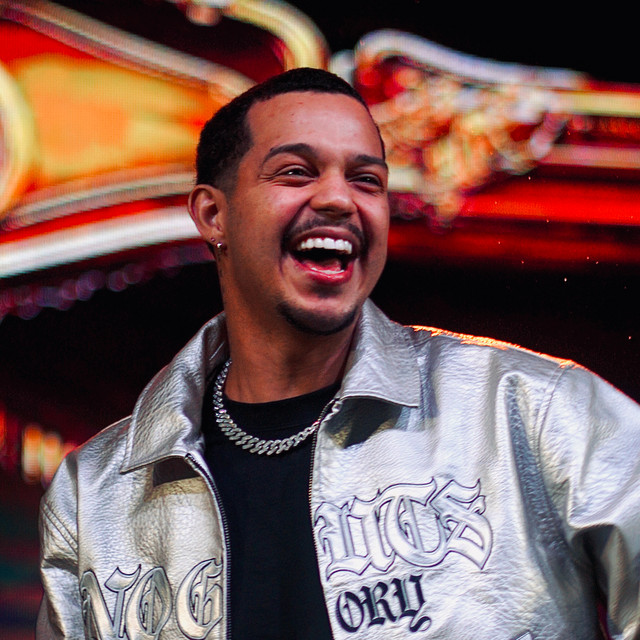
Felipe Amorim
2022–2025
·
11 albums
Listen
4
/5
Genres
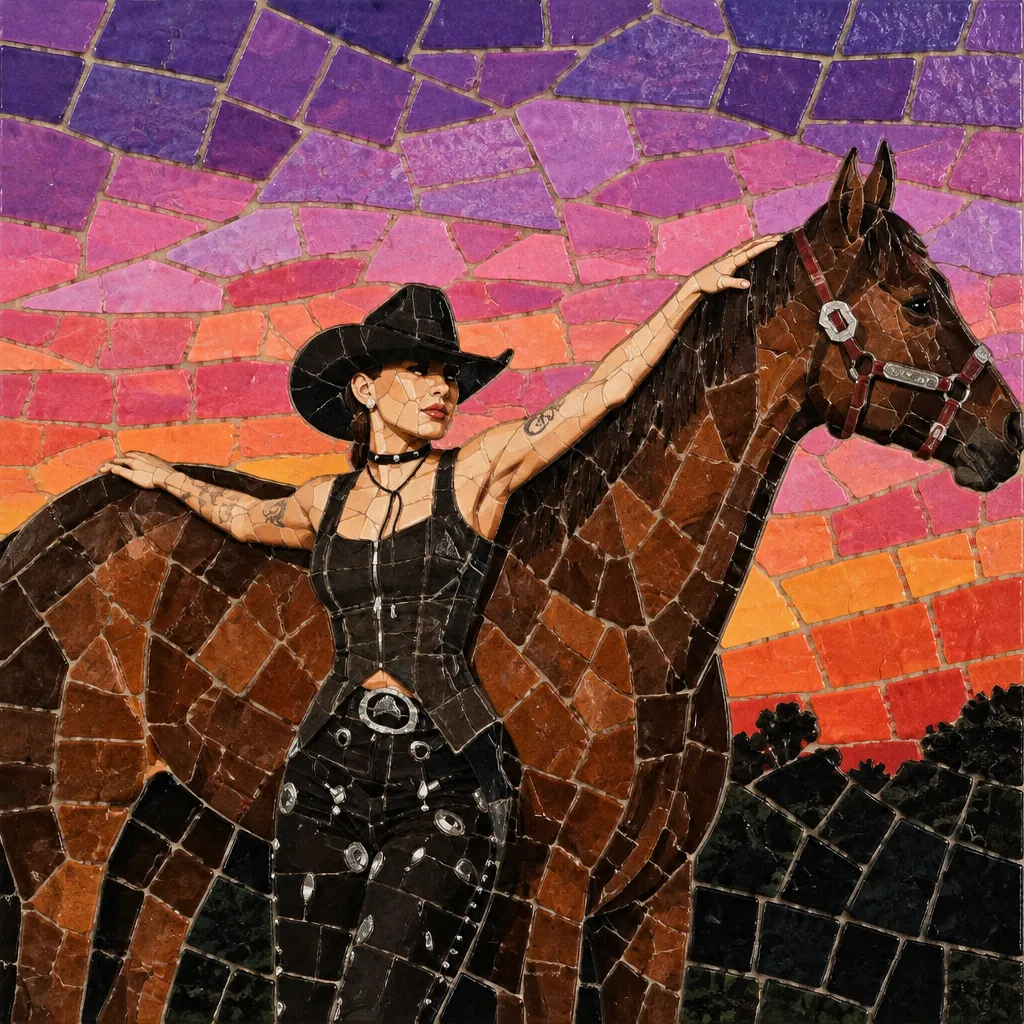
Agronejo
Agronejo is a contemporary Brazilian offshoot of sertanejo that foregrounds rural identity, rodeo imagery, and the agribusiness lifestyle while adopting pop-friendly hooks and modern production. Musically it blends the vocal phrasing and duet traditions of sertanejo with the glossy sheen of pop and country-pop, often borrowing the driving percussion and synth bass from piseiro and the romantic sentiment of arrocha. Arrangements frequently combine viola caipira, acoustic and electric guitars, and accordion with programmed drums, sub-bass, and festival-scale crowd chants. The result is a radio- and TikTok-ready sound that keeps dance floors moving while celebrating countryside culture.
Discover
Listen
Rave Funk
Rave funk is a contemporary Brazilian club style that fuses the raw percussion, call‑and‑response vocals, and gritty bass of funk carioca with the supersaws, hoover stabs, white‑noise risers, and big‑room drops of EDM and rave. Typically sitting between 140–150 BPM (often at the Brazilian "150 BPM" pace), it uses the tamborzão or mandelão drum feel under festival‑scale synth builds and DJ‑friendly drops. The result is a high‑impact, dance‑floor sound that keeps the street energy of funk while adopting the dramatic structures of modern rave.
Discover
Listen
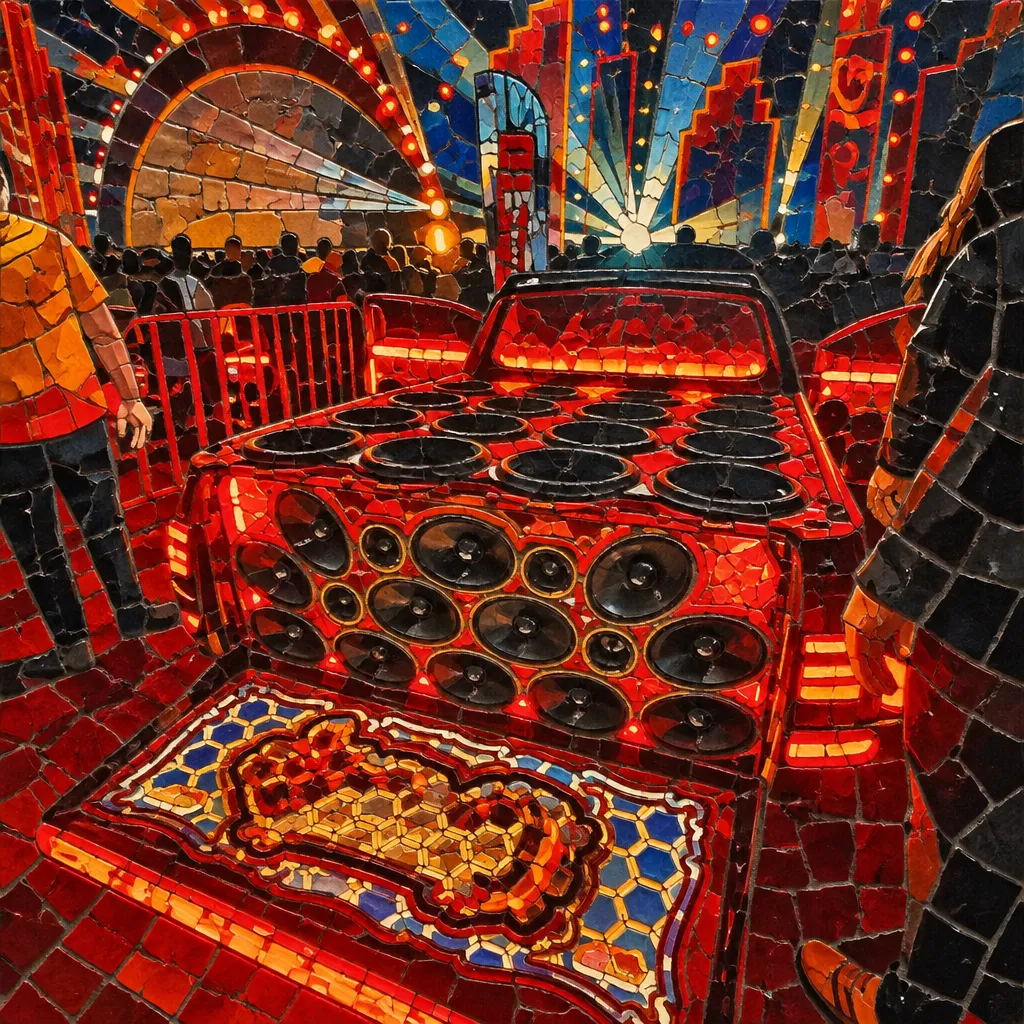
Bregadeira
Bregadeira is a contemporary Brazilian party style that fuses romantic and melodic brega songwriting with the percussive swing of pagodão baiano and the booming low‑end of funk scenes. Built for paredão (sound‑system) culture, it emphasizes catchy hooks, call‑and‑response vocals, and drop‑driven arrangements that explode on heavy car and street systems. Producers blend tamborzão- and pagodão‑inspired drum patterns with technobrega/brega‑funk synths and sub‑bass, creating an extroverted, dance‑first sound that can be both flirtatious and rowdy.
Discover
Listen
Funk 150 Bpm
Funk 150 BPM is a high‑tempo offshoot of Brazilian funk (funk carioca) that standardizes the groove around 150 beats per minute. It speeds up the classic tamborzão rhythm, emphasizing pounding sub‑kicks, snappy claps/snares, tom fills, sirens, and shouty vocal tags designed for baile (street party) energy. Arrangements are usually minimal and loop‑driven, centering on call‑and‑response MC lines, short hooks, and montage-style edits, with drops that arrive quickly and repeat often. The result is an intense, dance-forward sound that retains the raw grit of Rio’s funk while pushing the adrenaline and club-readiness to the foreground.
Discover
Listen
Deboxe
Deboxe is a contemporary Brazilian club and car-audio offshoot of funk that emphasizes massive, hypnotic sub‑bass, sparse drum patterns, and short, chant-like vocal phrases. Compared with earlier funk styles, deboxe is darker and more minimal: long 808 glides, roomy percussive hits, and reverbed stabs create an atmosphere designed for huge speaker arrays and parking‑lot parties. Drops are often built around “desande” moments—sections where the groove strips down, then slams back with heavier bass—while producer tags, chopped ad‑libs, and micro‑hooks replace long verses. Tempos most commonly sit between 135–150 BPM, borrowing the drive of mega funk and the weight of automotivo (car‑sound) culture, but delivered with a swaggering, deboche (“mocking”) attitude that gives the genre its name and vibe.
Discover
Listen
Pop Lgbtq+ Brasileira
Pop lgbtq+ brasileira is contemporary Brazilian pop created by openly LGBTQIA+ artists and rooted in the country’s club culture, internet-native scenes, and mainstream pop industry. Sonically, it blends glossy electropop and dance-pop with distinctly Brazilian rhythms and textures—most notably funk carioca’s tamborzão, brega/tecno-brega melodrama, axé’s carnival exuberance, and MPB’s lyrical sensibility. Productions often pull from reggaeton, house, trap-funk, and ballroom-vogue percussion, yielding high-energy tracks designed for both radio and dance floors. The genre is as much about voice and visibility as it is about hooks: lyrics commonly foreground queer love, pride, self-fashioning, resilience, and nightlife. Vocals range from diva belting to rap/sung hybrids, with campy, theatrical performance aesthetics that translate strongly to video and stage. The scene’s rise is tightly linked to streaming-era dynamics, YouTube/Instagram/TikTok virality, and collaborations with DJs and funk producers.
Discover
Listen
Ritmada
Ritmada is a contemporary Brazilian dance-music style built around short, repetitive, resonant rhythmic loops. It favors immersive, highly danceable grooves that draw on Afro‑Brazilian percussion and timbres, but presents them with a cleaner, more radio-friendly production aesthetic. Compared to rougher street-oriented bass styles, ritmada typically places greater emphasis on sung or rapped lyrics and hook structure, while keeping the beat hypnotic and driving.
Discover
Listen
Trap Pesado
Trap pesado is a Brazilian substyle of trap characterized by hard‑hitting, saturated 808s, clipped kicks, and ominous, minor‑key melodies. It emphasizes density and impact: dark pads or detuned synth leads sit under tight snare rolls and rapid, syncopated hi‑hats, while bass slides and distortion push the low end to the front. Lyrically it leans toward street realism, braggadocio, and nightlife imagery, often reflecting Brazil’s contemporary urban scenes. Compared with more melodic or plug‑influenced variants, trap pesado favors an aggressive, weighty mix and a colder, grittier mood designed for both club sound systems and headphone impact.
Discover
Listen
Funk Evangelico
Funk evangélico is a Brazilian Christian take on funk carioca that keeps the style’s hard-hitting, dance‑floor energy while replacing secular or explicit themes with evangelical Christian messages. Built on the classic tamborzão beat, booming sub‑bass, and call‑and‑response hooks, it uses the language of the baile to preach testimony, “vitória,” and spiritual warfare. The result is music that feels at once street‑level and devotional—meant for dancing, collective chanting, and faith‑based outreach in the same neighborhoods where funk originally flourished.
Discover
Listen
No Beat
No beat is a Brazilian, producer‑driven tag and scene that grew around baile funk and adjacent regional party styles, where the beatmaker’s identity (often voiced as the tag “X no beat!”) is foregrounded. Musically it pulls from funk carioca’s Miami‑bass lineage, paredão/car‑sound‑system aesthetics, and newer dark, minimalist strands (e.g., bruxaria), yielding hard sub‑bass, sparse percussion at 130–150+ BPM, abrupt mutes, chopped/ported vocals, and crowd‑command call‑outs. In some regional pockets the groove leans into arrochadeira/brega influences and trap textures (“trapfunk”). Rather than meaning “without drums,” the label signals a producer‑centric baile funk approach that thrives in street parties and sound‑system culture and has fed into today’s global club and trap‑funk cross‑pollination.
Discover
Listen
Trap Carioca
Trap carioca is a Rio de Janeiro–rooted branch of Brazilian trap that fuses the half‑time 808 power of U.S. trap with the swing, percussion accents, and party ethos of funk carioca. Built on booming 808 sub‑bass, triplet hi‑hats, and minor‑key loops, it often layers or references the tamborzão and other baile funk drum idioms, local slang, and narratives of favela life, hustle, style, and romance. The result is a gritty yet polished sound that can slide between cold, nocturnal menace and swaggering dance energy, reflecting Rio’s street reality and club culture.
Discover
Listen
Arrocha
Arrocha is a romantic, dance-oriented pop style that emerged in the interior of Bahia, Brazil—most notably around Candeias. The name comes from Brazilian Portuguese slang meaning “to hold tight,” which captures the genre’s intimate, slow-to-mid‑tempo embrace on the dance floor. Musically, arrocha blends the sentimental, melodramatic songwriting of brega romântico with rhythmic and timbral touches from Bahia’s axé and the northeastern forró tradition. Smooth synths, electric guitar arpeggios, accordion or keyboard leads, and programmed drums support emotive, melismatic vocals that center on love, longing, jealousy, and reconciliation.
Discover
Listen
Piseiro
Piseiro is a contemporary Brazilian dance style that emerged in the interior of Northeast Brazil in the 2000s. It is commonly described as a homemade, pared-down branch of forró eletrônico, built around electronic keyboard timbres, a strong, repetitive groove, and catchy vocal hooks. The sound often favors simple harmonic movement, punchy bass lines, and sing-along choruses, with vocal harmonization used to amplify the party-friendly, communal feel. In the 2010s–2020s it became nationally popular through streaming and social media, frequently blending with other regional “forró/sertanejo” currents while keeping its characteristic keyboard-driven backbone.
Discover
Listen
Brega
Brega is a Brazilian popular music style known for unabashed romanticism, dramatic vocal delivery, and melodically memorable choruses. Often associated with working-class audiences in the Northeast and North of Brazil, it embraces sentimentality—songs dwell on love, betrayal, jealousy, and longing—using straightforward harmonies and lush, sometimes kitschy, arrangements. Musically, classic brega favors mid-tempo grooves, prominent keyboards or string-synth pads, clean electric guitars, and steady drums or drum machines. Its harmonic language leans on familiar pop progressions and the climactic “truck-driver’s gear change” (a last-chorus key change) to heighten emotion. Once dismissed by elites as “tacky,” brega has since been reappraised as a vital expression of Brazilian popular taste and a wellspring for newer subgenres.
Discover
Listen
Forró
Forró is a popular dance-music tradition from Brazil’s Northeast, centered on the trio of accordion (sanfona), zabumba (bass/tenor drum), and triangle. It encompasses a family of rhythms—most notably baião, xote, arrasta-pé, and xaxado—and is performed for partner dancing at parties and the June festivals (Festas Juninas). The style balances infectious, syncopated grooves with singable melodies and simple, diatonic harmony. Lyrically, forró often celebrates rural life, love, longing (saudade), and the culture of the sertão. Over time, it has branched into substyles ranging from the acoustic, rootsy pé-de-serra to modern, amplified and electronic variants.
Discover
Listen
Sertanejo
Sertanejo is Brazil’s homegrown counterpart to country music, rooted in the rural song traditions of the country’s interior (música caipira) and later modernized for urban radio and arenas. Its core sound revolves around close-harmony duos, storytelling lyrics about love, longing, and countryside life, and the distinctive timbre of the viola caipira (10‑string Brazilian guitar) alongside acoustic guitar, accordion, and, in contemporary productions, full rhythm sections and pop‑leaning arrangements. Across a century, sertanejo evolved through several waves: the narrative, acoustic sertanejo raiz; the polished, romantic duos that conquered national television and FM radio; and the 2000s/2010s universitário movement that fused pop, rock, and electronic textures. Today it is one of Brazil’s most commercially dominant genres, spawning numerous substyles and crossovers while retaining its identity of heartfelt vocal harmonies and sing‑along choruses.
Discover
Listen
Show all 16 genres
Albums
2025
1
/5
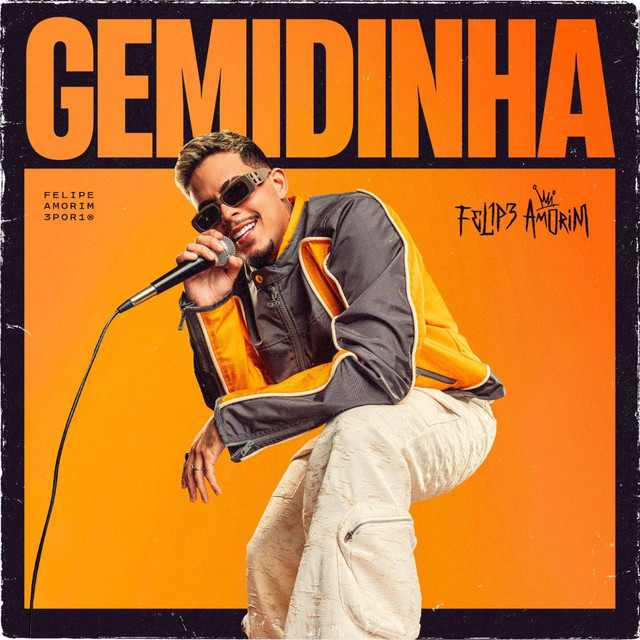
Gemidinha
Felipe Amorim
Brega
Forró
Piseiro
2023
4
/5
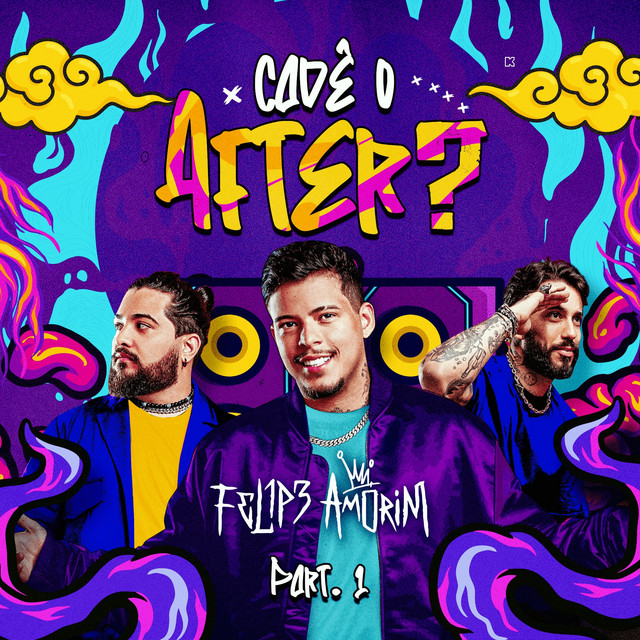
Cadê o After? Pt. 1
Felipe Amorim
Brega
2023
4
/5
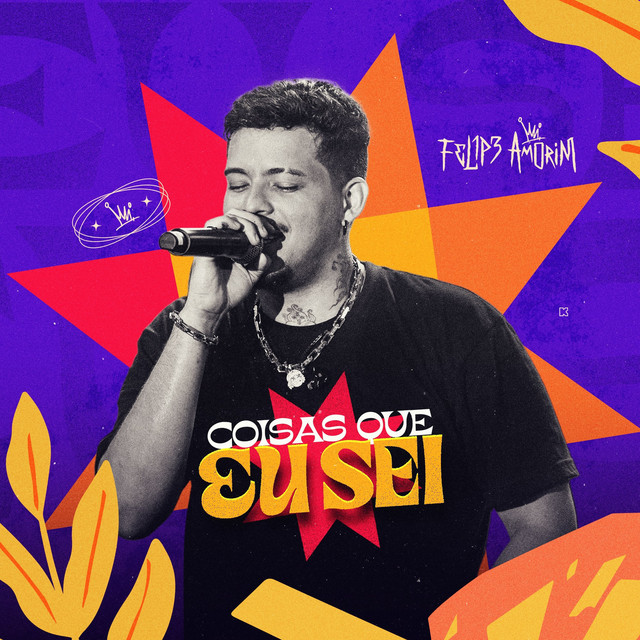
Coisas Que Eu Sei
Felipe Amorim
Brega
Forró
Piseiro
2022
3
/5
Gostosinha é Ela
Felipe Amorim
Brega
2022
3
/5
No Ouvidinho
Felipe Amorim
Brega
Forró
Piseiro
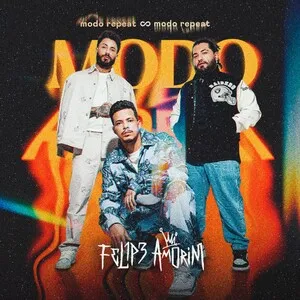
Modo Repeat
Felipe Amorim
Arrocha
Ao After E Além, Pt.2
Felipe Amorim
Arrocha
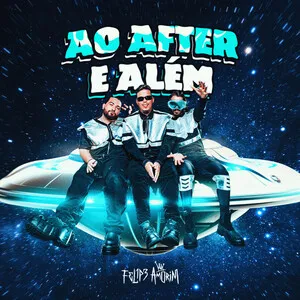
Ao After E Além
Felipe Amorim
Arrocha
Modo Repeat
Felipe Amorim
Bregadeira
Ao After E Além, Pt.2
Felipe Amorim
Bregadeira
Ao After E Além
Felipe Amorim
Bregadeira
Similar artists
5
/5
Natanzinho Lima
Brega
Seresta
Arrocha
4
/5
Vitinho Imperador
Brega
Seresta
Arrocha
4
/5
João Gomes
Piseiro
Forró
Forró Eletrônico
4
/5
Grelo
Arrocha
Brega
Forró
4
/5
Os Barões Da Pisadinha
Piseiro
Tecnobrega
Forró
4
/5
Iguinho e Lulinha
Arrocha
Brega
Forró
4
/5
Pablo
Arrocha
Brega
Forró
4
/5
Manu
Tecnobrega
Brega
Forró
4
/5
Nadson O Ferinha
Arrocha
Brega
Seresta
4
/5
Zé Vaqueiro
Piseiro
Forró
Arrocha
Download our mobile app
Get the Melodigging app and start digging for new genres on the go
Download on the App Store
Get it on Google Play
© 2026 Melodigging
Give feedback
Legal
Melodding was created as a tribute to
Every Noise at Once
, which inspired us to help curious minds keep digging into music's ever-evolving genres.