Genres
Artists
Albums
Make Music
Sign in
Sign in
Artists
Latin Jazz
Artists
Latin Jazz
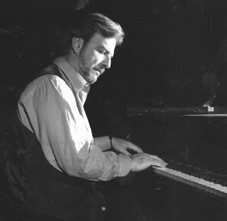
Federico Lechner
2024
·
1 album
Listen
1
/5
Genres
Harmonica Jazz
Harmonica jazz is a strand of jazz that features the harmonica (most often the chromatic harmonica) as a lead improvising instrument. It blends the swing-era and bebop language of jazz—walking bass, drum ride patterns, ii–V–I harmony, and extended chords—with the harmonica’s vocal-like phrasing, bends, and tremolo. The style is frequently heard in small-group settings (trio/quartet/quintet) where the harmonica takes the role normally occupied by saxophone or trumpet, delivering melodic heads and solo choruses over standard jazz forms such as 12-bar blues, rhythm changes, and 32-bar AABA songs. Compared with blues harmonica, harmonica jazz typically uses cleaner tone, more chromatic note choice, faster harmonic navigation, and a greater emphasis on bebop articulation and enclosure-based phrasing.
Discover
Listen
Latin Jazz
Latin jazz is a fusion of jazz harmony and improvisation with Afro–Latin American rhythms, song forms, and percussion. It combines the swing, bebop, and big-band traditions with clave-based grooves such as son, rumba, danzón, and mambo, and later integrates Brazilian feels like samba and bossa nova. Typical features include the use of the clave (2–3 or 3–2), piano montunos (guajeos), bass tumbao patterns, timbales cáscara, conga marcha, and call-and-response horn "mambo" figures. While the rhythm section locks into cyclical patterns, soloists improvise using the vocabulary of jazz, creating music that is both danceable and harmonically rich.
Discover
Listen
Tango
Tango is a song-and-dance music from the Río de la Plata region, crystallizing in Buenos Aires (Argentina) and Montevideo (Uruguay) in the late 19th century. It is characterized by a melancholic, dramatic tone; richly expressive melodies; and a distinctive rhythmic feel rooted in the habanera and milonga. Core ensembles feature bandoneón, violin(s), piano, double bass, and sometimes guitar, forming the famed orquesta típica. Across the 1920s–1950s it became a worldwide craze, moving from rough immigrant bars to grand salons and radio, developing highly sophisticated arranging and performance practices. Lyrics often employ lunfardo (Buenos Aires slang) and dwell on urban nostalgia, love, betrayal, and the neighborhood (el barrio). Note on terminology: in flamenco, “tangos” is a distinct palo (song form) with a lively 4/4 compás, often in A Phrygian, closely related in feeling to rumba flamenca. Although it shares the name and a spirited character, flamenco tangos is a different tradition from the Río de la Plata tango described above.
Discover
Listen
Albums
2024
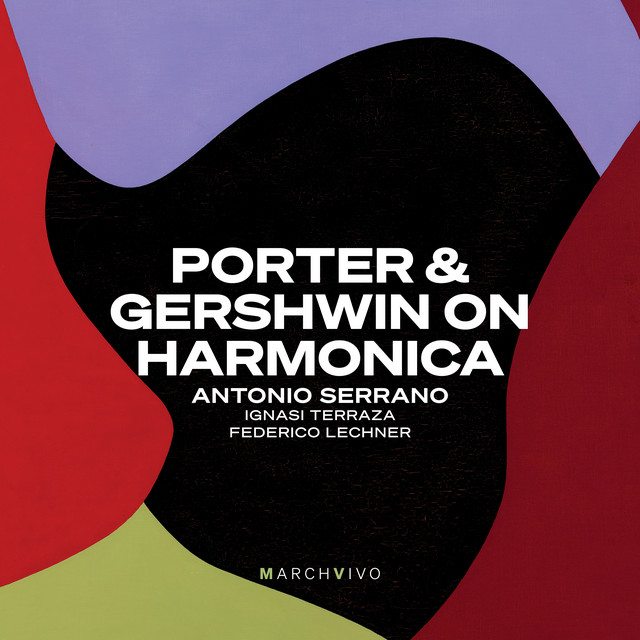
Porter & Gershwin on harmonica (Live at the Fundación Juan March)
Antonio Serrano, Ignasi Terraza, Federico Lechner
Harmonica Jazz
Similar artists
3
/5
Diego El Cigala
Flamenco
Tango
Bolero
2
/5
Luis Salinas
Candombe
Folklore Argentino
Latin Jazz
1
/5
Pablo Ziegler
Latin Jazz
Tango
1
/5
Pablo Ziegler Quartet
Latin Jazz
Tango
1
/5
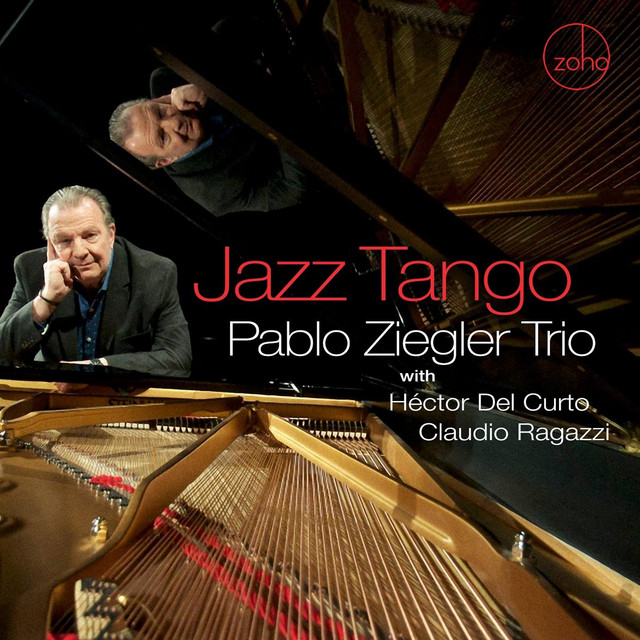
Pablo Ziegler Trio
Latin Jazz
Tango
1
/5
Pablo Ziegler & Metropole Orkest
Latin Jazz
Tango
1
/5
Various Artists
Soundtrack
Afro-Funk
Alternative Rock
3
/5
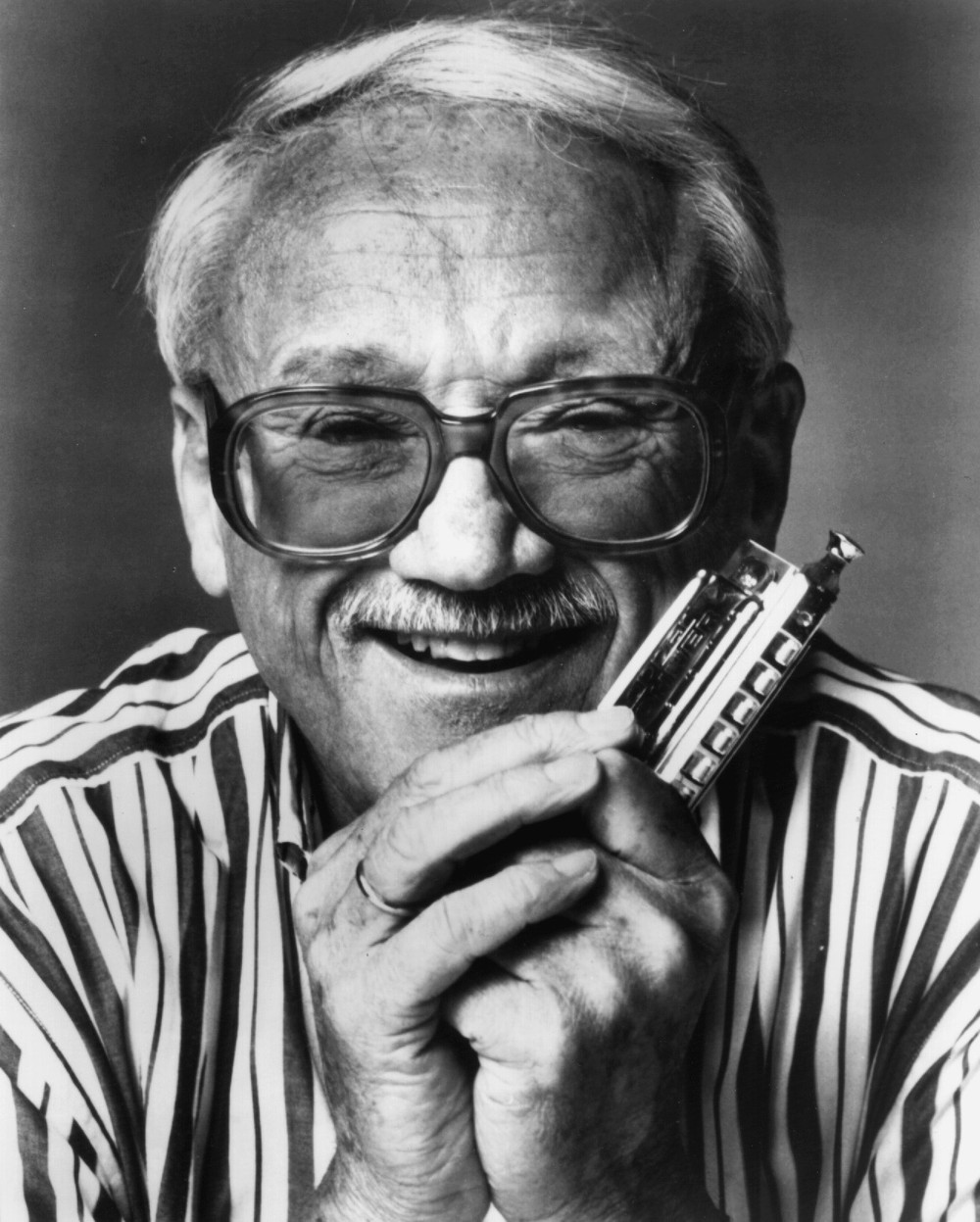
Toots Thielemans
Bossa Nova
Brazilian Jazz
Jazz
1
/5
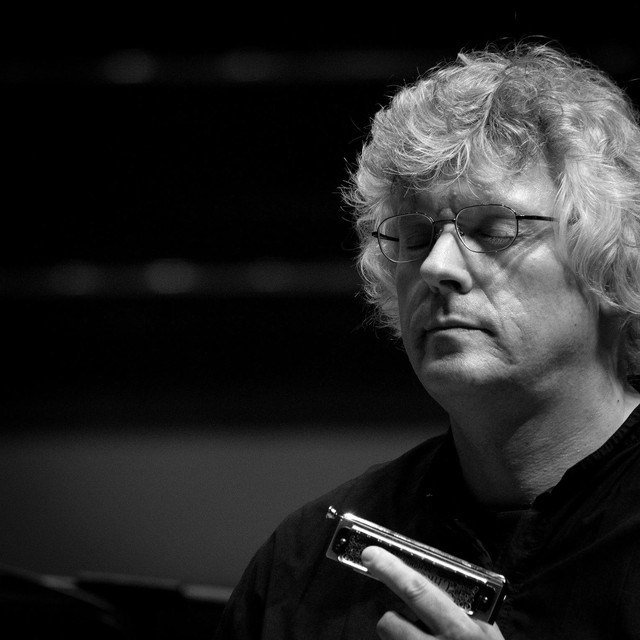
Hendrik Meurkens
Brazilian Jazz
Latin Jazz
Harmonica Jazz
3
/5
Al Di Meola
Flamenco Jazz
Flamenco
Jazz
Download our mobile app
Get the Melodigging app and start digging for new genres on the go
Download on the App Store
Get it on Google Play
© 2026 Melodigging
Give feedback
Legal
Melodding was created as a tribute to
Every Noise at Once
, which inspired us to help curious minds keep digging into music's ever-evolving genres.