Genres
Artists
Albums
Make Music
Sign in
Sign in
Artists
Medieval
Artists
Medieval
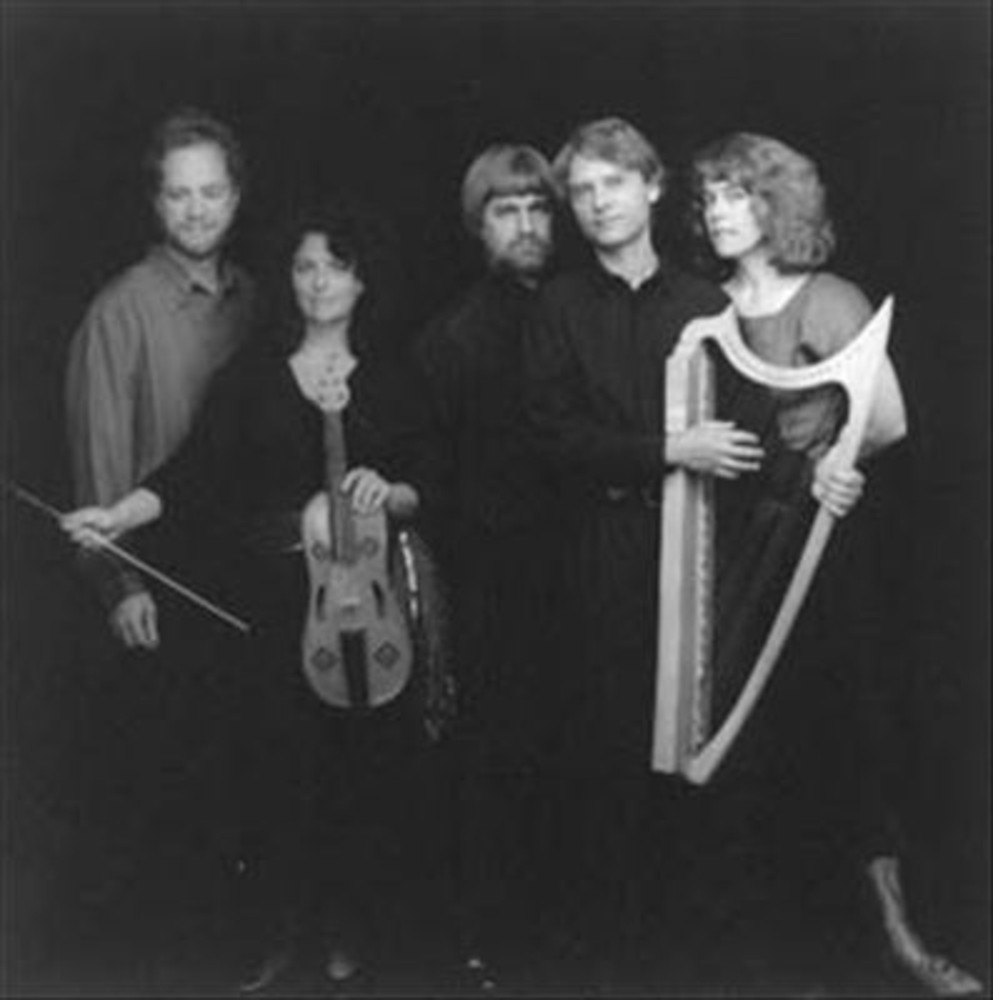
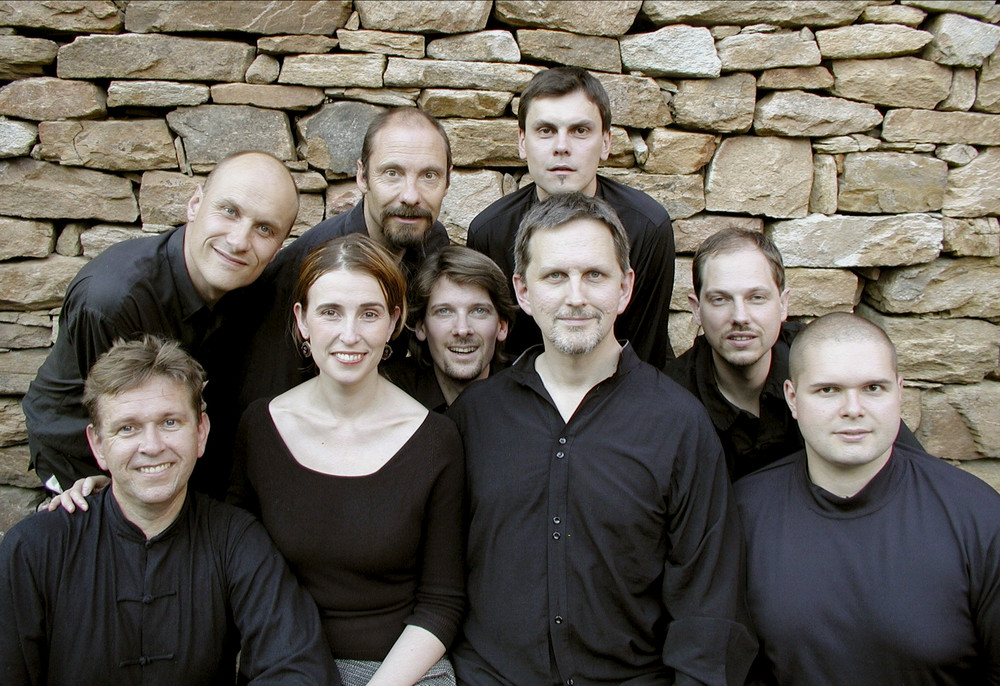
Ensemble Project Ars Nova
1989–1994
·
4 albums
Listen
1
/5
Genres
Ars Subtilior
Ars subtilior is a late–14th‑century style of Franco‑Flemish and southern French/Iberian court music noted for its extreme rhythmic, notational, and contrapuntal sophistication. It refines the innovations of the Ars nova into music of dazzling subtlety: complex syncopations, multiple simultaneous meters, proportion signs, coloration (red/black notation) that alters rhythmic values, and isorhythmic devices. Composers often wrote in the French formes fixes (ballade, rondeau, virelai) and in elaborate motets, sometimes presenting pieces in fanciful shapes (hearts, circles) to mirror their poetic conceits. The sound world is courtly and intricate: interlocking lines in three or four parts, refined dissonance control, and virtuosic rhythms that challenge performers while serving refined, often allegorical texts.
Discover
Listen
Ars Nova
Ars nova is a 14th‑century European musical style that originated in France and spread to Italy, marking a decisive break from the earlier Ars antiqua. It is distinguished by innovations in rhythmic and mensural notation that allowed composers to write complex, syncopated, and independently moving parts. Typical genres and forms include the isorhythmic motet, mass movements, and secular chansons in the formes fixes (ballade, virelai, and rondeau). Textures are primarily vocal and polyphonic (often three to four voices), with techniques such as isorhythm (talea and color), hocket, and frequent use of mensural proportions. Its French wing coalesced around the theories and works of Philippe de Vitry and Guillaume de Machaut, while the Italian Trecento (often considered an Italian Ars nova) cultivated parallel secular song forms and characteristic cadences (e.g., the Landini cadence).
Discover
Listen
Classical
Classical music is the notated art-music tradition of Europe and its global descendants, characterized by durable forms, carefully codified harmony and counterpoint, and a literate score-based practice. The term “classical” can refer broadly to the entire Western art-music lineage from the Medieval era to today, not just the Classical period (c. 1750s–1820s). It privileges long-form structures (such as symphonies, sonatas, concertos, masses, and operas), functional or modal harmony, thematic development, and timbral nuance across ensembles ranging from solo instruments to full orchestras and choirs. Across centuries, the style evolved from chant and modal polyphony to tonal harmony, and later to post-tonal idioms, while maintaining a shared emphasis on written notation, performance practice, and craft.
Discover
Listen
Polyphonic Chant
Polyphonic chant is a sacred vocal tradition in which two or more independent voices sing liturgical material at the same time, creating vertical harmony from originally monophonic chant. Emerging from the practice of adding a second voice to chant (organum), it favors perfect consonances (fourths, fifths, and octaves) and often places a sustained chant line (tenor) beneath more florid upper parts. In its classic medieval Western form, it is unaccompanied (a cappella), modal rather than tonal, and frequently governed by rhythmic modes. While the Notre Dame school in Paris codified much of its technique, related polyphonic chant practices also exist in other liturgical cultures (e.g., Georgian and Corsican traditions), each with distinctive sonorities and voice-leading norms.
Discover
Listen
Medieval
Medieval music refers to the diverse sacred and secular musical practices of Europe between the fall of the Western Roman Empire and the dawn of the Renaissance. It spans more than eight centuries, from early monophonic chant to the first notated polyphony. Core features include the use of church modes rather than major/minor, extensive reliance on vocal music (Latin sacred chant as well as vernacular song), and the progressive development from unmeasured chant to rhythmic modal notation and, later, mensural notation. Texture evolves from monophony (plainchant, troubadour songs) to organum, conductus, and the motet, culminating in complex isorhythmic works by the late 13th–14th centuries. Secular traditions—troubadours and trouvères in France, Minnesänger in German lands, and the Iberian Cantigas—coexisted with and influenced sacred practice. Instruments such as the vielle, harp, psaltery, recorder, shawm, hurdy-gurdy, and portative organ often doubled or accompanied voices, though much music remained purely vocal.
Discover
Listen
Medieval Classical Music
Medieval classical music refers to the body of sacred and secular art music created in Europe from roughly the 5th to the late 15th centuries. It encompasses the Christian chant traditions of the early Middle Ages, the emergence of notated polyphony in the High Middle Ages, and the rhythmically and formally sophisticated Ars Nova of the 14th century. At its core are modal melodies (church modes), primarily vocal textures, and a gradual evolution from monophony (single melodic line) to increasingly complex polyphony. Notation develops from adiastematic neumes to staff-based pitch notation and, later, mensural systems that codify rhythm. Characteristic sonorities emphasize perfect consonances (octaves, fifths, and fourths), with triadic harmony only beginning to coalesce near the end of the period. Though rooted in the liturgy (Mass, Office, and Latin song), the era also nurtured rich vernacular traditions—troubadours, trouvères, Minnesänger—and instrumental practices on harp, vielle, recorder, lute, and organ. The period laid the foundational techniques, theories, and repertories that define the entire subsequent Western classical tradition.
Discover
Listen
Albums
1994
1
/5
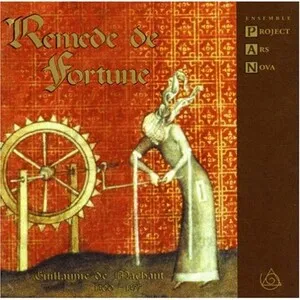
Remede de fortune
Guillaume de Machaut / Ensemble Project Ars Nova
Ars Nova
Classical
1992
1
/5
Homage to Johannes Ciconia, ca. 1370-1412
Johannes Ciconia / Ensemble Project Ars Nova
Ars Subtilior
Ars Nova
1991
1
/5
The Island of St. Hylarion: Music of Cyprus 1413-1422
[anonymous] / Ensemble Project Ars Nova
Ars Subtilior
Ars Nova
Polyphonic Chant
1989
1
/5
Ars magis subtiliter
Johannes Symonis Hasprois / Ensemble Project Ars Nova
Ars Subtilior
Medieval Classical Music
Polyphonic Chant
Similar artists
2
/5
Gothic Voices
Gregorian Chant
Medieval
Medieval Classical Music
2
/5
Guillaume de Machaut
Ars Nova
Classical
Medieval
3
/5
Anonymous
Ars Antiqua
Gregorian Chant
Medieval
3
/5
Oxford Camerata
Gregorian Chant
Medieval
Classical
3
/5
Jeremy Summerly
Gregorian Chant
Medieval
Classical
2
/5
Sequentia
Gregorian Chant
Plainchant
Medieval
2
/5
Unicorn Ensemble
Medieval
Medieval Classical Music
Medieval Lyric Poetry
1
/5
Alla Francesca
Medieval
Classical
Gregorian Chant
1
/5
Pedro Memelsdorff
Ars Subtilior
Medieval
Ars Nova
2
/5
The Hilliard Ensemble
Madrigal
Gregorian Chant
Medieval Classical Music
Download our mobile app
Get the Melodigging app and start digging for new genres on the go
Download on the App Store
Get it on Google Play
© 2026 Melodigging
Give feedback
Legal
Melodding was created as a tribute to
Every Noise at Once
, which inspired us to help curious minds keep digging into music's ever-evolving genres.