Genres
Artists
Albums
Make Music
Sign in
Sign in
Artists
Indonesian Indie Rock
Artists
Indonesian Indie Rock
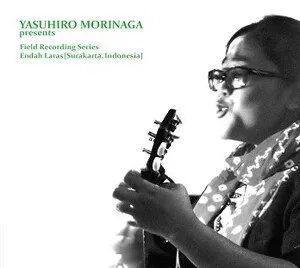
Endah Laras
2 albums
Listen
1
/5
Genres
Koplo
Koplo (often called "dangdut koplo") is a high-energy, club-ready evolution of Indonesian dangdut that emerged from East Java in the early 2000s. It is defined by a faster tempo, driving "kendang koplo" drum patterns (influenced by Sundanese jaipongan), and lively organ/keyboard harmonies that support sing-along melodies. Performances are highly participatory and dance-focused (goyang), with call-and-response between singer, band, and crowd. Lyrically, koplo keeps the heart of dangdut—romance, everyday life, longing—while its arrangements push toward pop hooks and rhythmic breakdowns suited to large outdoor stages and viral remixes. In the 2010s–2020s it crossed into mainstream Indonesian pop via "pop koplo" and became a staple of DJ remixes (“DJ koplo”).
Discover
Listen
Indonesian Indie Rock
Indonesian indie rock blends the guitar-centric drive of alternative rock with DIY production values and locally rooted lyricism. Bands commonly combine jangly, chorus-laden guitars, melodic basslines, and tight backbeats with touches of post-punk angularity or shoegaze haze. The scene is known for its strong independent ethos: self-released cassettes and CDs, small labels, campus gigs, and a vibrant network of community venues and festivals. Lyrics are often written in Bahasa Indonesia (sometimes mixing English), focusing on urban life, personal reflection, and subtle socio-political commentary. Sonically, Indonesian indie rock ranges from bright Britpop-inspired anthems to moody, reverb-drenched dream pop crossovers. It values memorable hooks, clean but unfussy production, and authentic storytelling over spectacle.
Discover
Listen
Indonesian Jazz
Indonesian jazz is the practice of jazz developed in Indonesia that fuses the idioms of American jazz (swing, bebop, cool, fusion) with local musical languages such as keroncong, gamelan (slendro/pelog), Sundanese/Minangkabau rhythmic feels, and, in later decades, elements from dangdut and pop. It typically features the harmonic richness and improvisation of jazz—extended chords, ii–V–I cadences, head–solo–head forms—while incorporating Indonesian timbres (suling bamboo flute, kendang hand drums, kacapi zither, metallophones) and modal colors. The result ranges from intimate acoustic small‑combo jazz to electric jazz‑fusion with indigenous percussion and scales.
Discover
Listen
Lagu Jawa
Lagu Jawa (literally “Javanese songs”) is a Javanese‑language song tradition that bridges classical Javanese aesthetics with Indonesian popular music formats. Its melodies often trace back to gamelan’s sléndro and pélog tonalities, while its arrangements borrow from keroncong’s string textures and, later, dangdut and campursari rhythm sections. Vocals feature ornate cengkok and sindhen-inspired melismas, and lyrics alternate between ngoko and krama registers of the Javanese language, exploring love, longing, humor, and everyday life. Today, Lagu Jawa spans classic langgam Jawa, cassette-era campursari, and contemporary “Pop Jawa,” thriving on radio, wedding stages, and digital platforms alike.
Discover
Listen
Langgam Jawa
Langgam Jawa is a Javanese branch of Indonesian keroncong associated most strongly with Surakarta (Solo) in Central Java. It keeps keroncong’s small string‑band instrumentation (high and low ukuleles known as cak and cuk, guitar, violin, flute, and a cello used percussively) but renders melodies in the seven‑tone Javanese gamelan tuning system, especially the pélog scale. Players adapt fretted, Western instruments to Javanese intonation through bending, portamento, and ornamental turns, while the cello “speaks” like a ciblon (dance) drum via plucked, slapped, and brushed pizzicato patterns. Vocals are in Javanese (often krama/ngoko registers), with supple, sindhen‑like ornamentation and lyric themes of love, longing, and everyday philosophy. The result is a gently swinging, nostalgic style: keroncong rhythm and Western strings colored by Javanese scales, phrasing, and poetic sensibility.
Discover
Listen
Keroncong
Keroncong is an Indonesian popular/folk genre with deep roots in Portuguese musical traditions that took shape in urban Java during the late 19th and early 20th centuries. It blends European harmony and song forms with Indonesian melodic sensibilities and poetic expression. The classic ensemble features the cak (a small, high‑pitched ukulele playing off‑beat staccato chords), the cuk (a slightly larger ukulele providing on‑beat support), a nylon‑string guitar with arpeggiated patterns, pizzicato cello outlining a distinctive "ding‑dung" rhythmic ostinato, double bass, violin, and flute. Vocals are lyrical and ornamented, often conveying nostalgia, romance, and patriotism. Keroncong uses mostly diatonic harmony (I–IV–V with secondary dominants), moderate tempos, and a supple swing that can lean toward habanera or waltz feels. Its most famous repertoire includes evergreen songs such as Bengawan Solo, and it remains a cultural emblem of Indonesia’s cosmopolitan past and present.
Discover
Listen
Albums
Yasuhiro Morinaga Presents: Field Recording Series - Endah Laras (Surakarta, Indonesia)
Endah Laras
Keroncong
Yasuhiro Morinaga Presents: Field Recording Series - Endah Laras (Surakarta, Indonesia)
Endah Laras
Langgam Jawa
Similar artists
2
/5
Dian Kusuma
Bossa Nova
Dangdut
Indonesian Jazz
2
/5
Mus Mulyadi
Dangdut
Indonesian Jazz
Koplo
1
/5
Dona
Bossa Nova
Dangdut
Indonesian Jazz
1
/5
Kill the DJ
Indonesian Hip Hop
Indonesian Indie Rock
Koplo
1
/5
Eddy Laras
Bossa Nova
Dangdut
Indonesian Jazz
1
/5
Wawan Teamlo
Batak
Indonesian Jazz
Koplo
3
/5
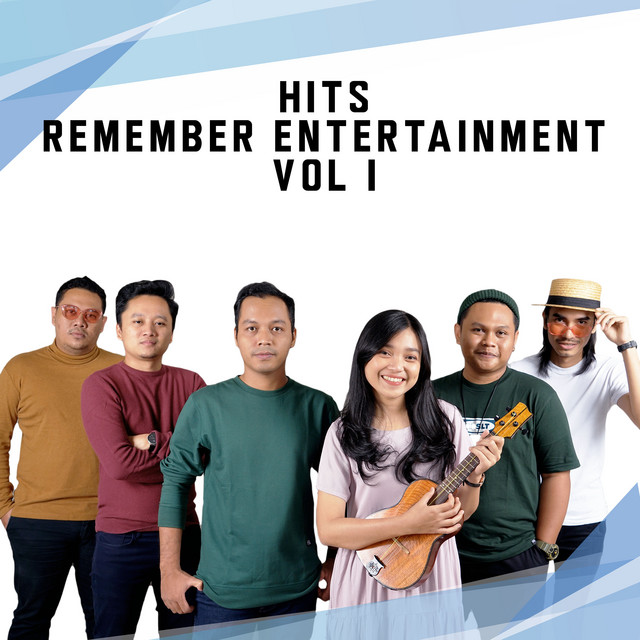
Remember Entertainment
Keroncong
Dangdut
Koplo
2
/5
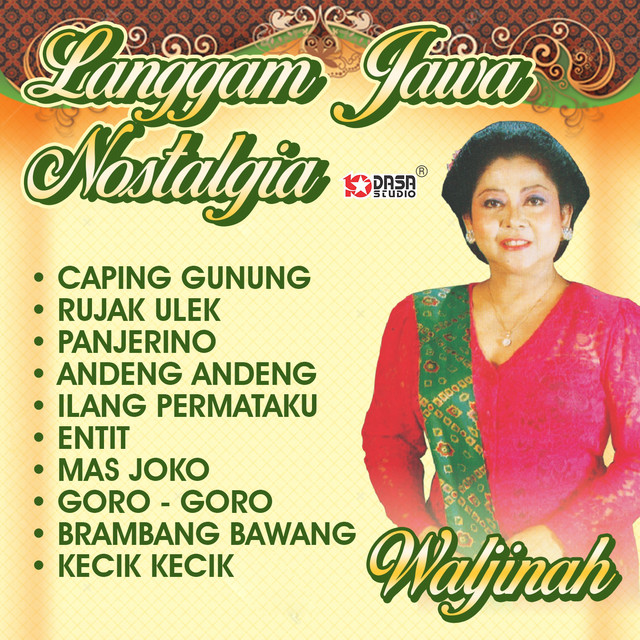
Waldjinah
Campursari
Keroncong
Langgam Jawa
2
/5
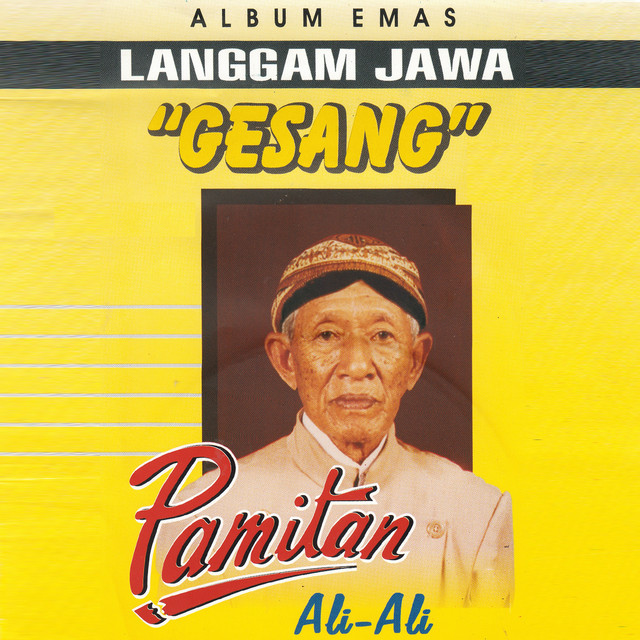
Gesang
Keroncong
Indonesian Jazz
Lagu Jawa
2
/5
Sundari Soekotjo
Keroncong
Indonesian Jazz
Indorock
Download our mobile app
Get the Melodigging app and start digging for new genres on the go
Download on the App Store
Get it on Google Play
© 2026 Melodigging
Give feedback
Legal
Melodding was created as a tribute to
Every Noise at Once
, which inspired us to help curious minds keep digging into music's ever-evolving genres.