Your digging level
Description
Langgam Jawa is a Javanese branch of Indonesian keroncong associated most strongly with Surakarta (Solo) in Central Java.
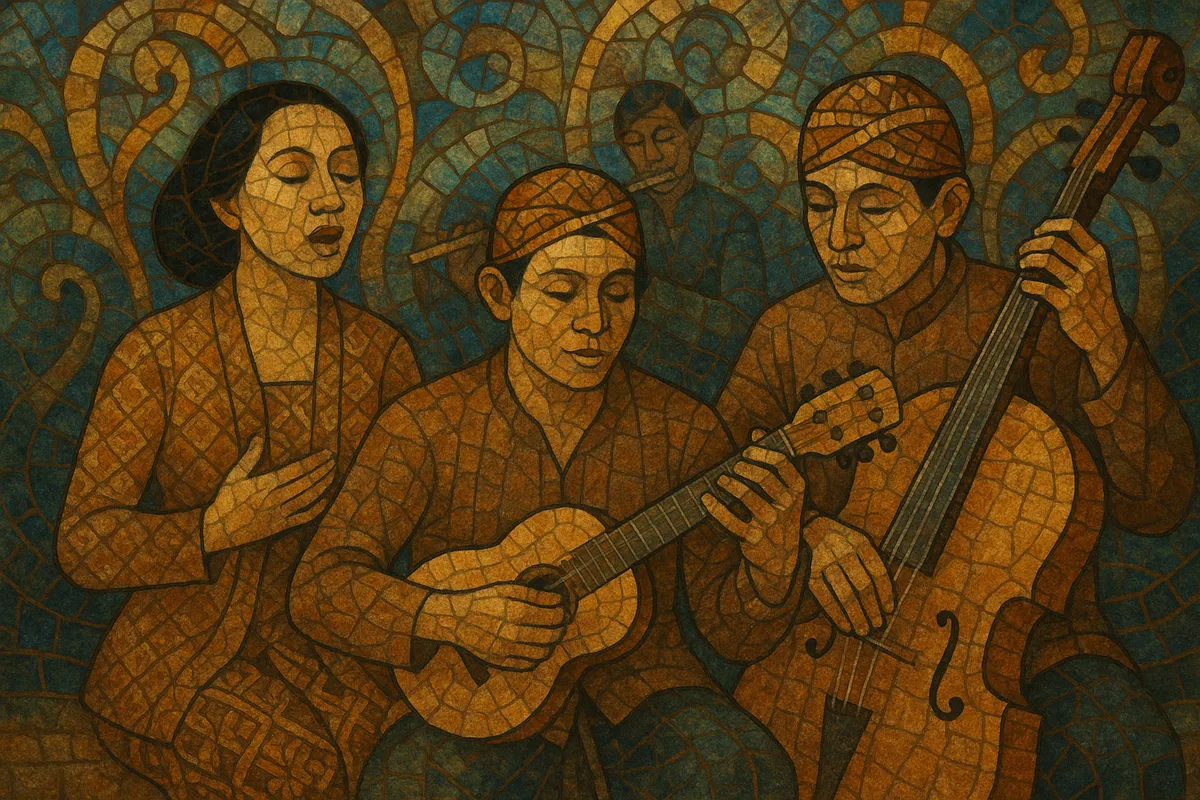
It keeps keroncong’s small string‑band instrumentation (high and low ukuleles known as cak and cuk, guitar, violin, flute, and a cello used percussively) but renders melodies in the seven‑tone Javanese gamelan tuning system, especially the pélog scale. Players adapt fretted, Western instruments to Javanese intonation through bending, portamento, and ornamental turns, while the cello “speaks” like a ciblon (dance) drum via plucked, slapped, and brushed pizzicato patterns. Vocals are in Javanese (often krama/ngoko registers), with supple, sindhen‑like ornamentation and lyric themes of love, longing, and everyday philosophy.
The result is a gently swinging, nostalgic style: keroncong rhythm and Western strings colored by Javanese scales, phrasing, and poetic sensibility.
History
Keroncong—an Indonesian urban string‑band idiom with Iberian roots—spread widely by the early 20th century via theater troupes, radio, and recordings. In Central Java, keroncong musicians were long in close contact with classical Javanese gamelan and tembang traditions, planting the seeds for a localized, Javanese‑accented approach.
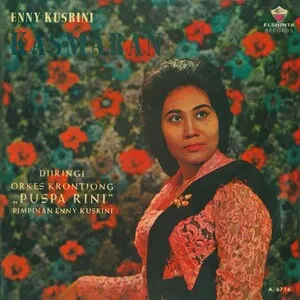
After Indonesian independence, Radio Republik Indonesia (RRI) studios became hubs for regional innovation. In Surakarta (Solo), musicians and ensembles such as RRI’s keroncong groups began deliberately performing keroncong repertoire using Javanese tuning and melodic logic, especially the pélog scale—this crystallized as “Langgam Jawa.” Arrangers reassigned the cello to a percussive role to emulate the ciblon drum, while ukulele (cak/cuk) sustained the classic keroncong off‑beat swing.
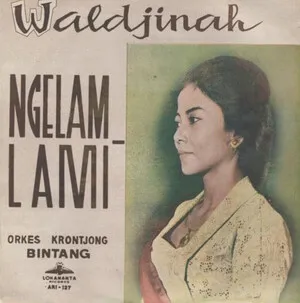
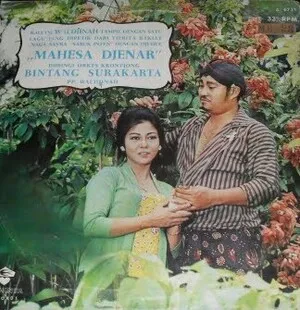
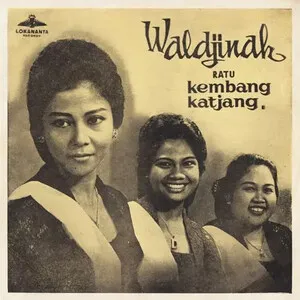
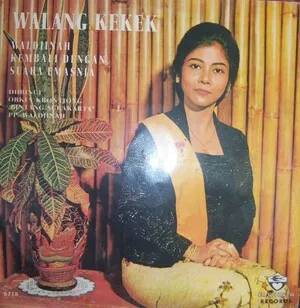
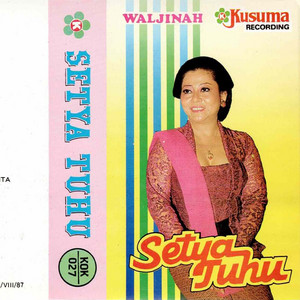
Singers like Waldjinah, working closely with prolific Javanese songwriters (notably Andjar Any), brought Langgam Jawa to national prominence through radio broadcasts and LPs. The style’s signature combination—Western strings voiced to Javanese scales, sindhen‑like vocal ornaments, and poetry in Javanese—became well defined in this period.
Langgam Jawa directly fed into Central Javanese hybrids such as campursari (a mix of gamelan, keroncong, and popular instruments). Artists including Didi Kempot later drew on Langgam Jawa’s cadence, prosody, and sentiment in modern, Javanese‑language popular songs. Today the style remains active on radio, on community stages, and in conservatory programs, and continues to inform Javanese‑language pop and acoustic fusions.