Genres
Artists
Albums
Make Music
Sign in
Sign in
Artists
Cinematic Dubstep
Artists
Cinematic Dubstep
Elle Vee
Listen
3
/5
Genres
Minatory
Minatory is an extreme, experimental strain of deathstep that pushes heaviness and unpredictability to the forefront. Its hallmark is an abrasive, distorted sound palette coupled with abrupt, sometimes jarring BPM switch‑ups that can leap between halftime lurches and double‑time assaults within a single drop. Producers favor hyper-saturated basses, asymmetrical rhythms, and sudden silences or glitch edits to heighten tension. The result is a hostile, cinematic form of bass music that blends the dread of dark ambient and industrial with the impact of tearout and the rhythmic elasticity of modern dubstep.
Discover
Listen
Stutter House
Stutter house is a contemporary house microgenre defined by the percussive use of chopped and rapidly re-triggered vocal fragments that “stutter” rhythmically over a four-on-the-floor groove. Producers slice a short vocal phrase into tiny grains (often 1/8–1/32 notes), gate or retrigger them in syncopated patterns, and then pitch-, formant-, or time-shift the pieces to create a hook that functions as both melody and rhythm. The style typically runs at 124–130 BPM, pairs a tight, sidechained low-end with crisp tech house drums, and relies on minimalist arrangement so the stuttering vocal lead remains the focal point. It borrows the tactile, loop-centric immediacy of tech house and the glitchy ear-candy of modern EDM while keeping club mixing and dancefloor momentum in mind.
Discover
Listen
Cinematic Dubstep
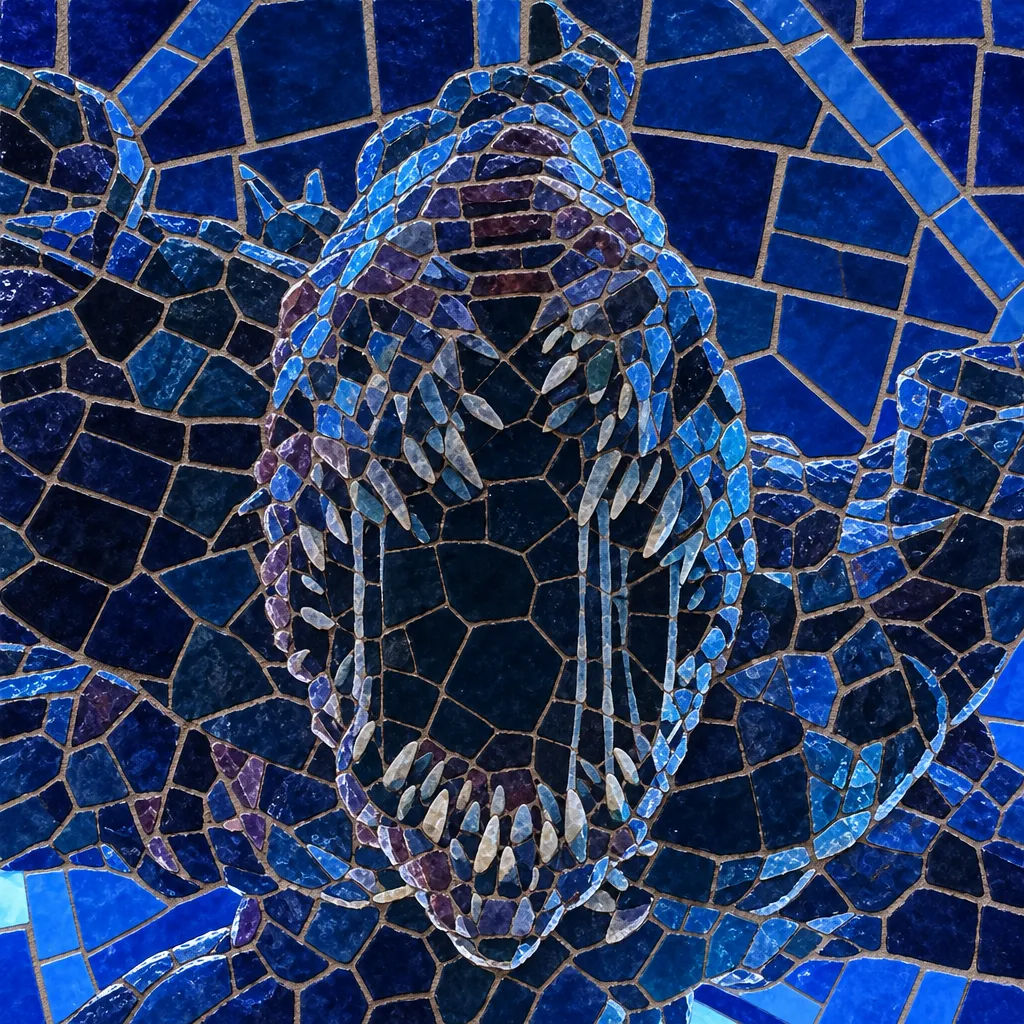
Cinematic dubstep is a hybrid of dubstep’s half‑time bass music and the sweep of film score writing. It layers colossal, trailer‑style sound design (impacts, risers, braaams) over orchestral textures—strings, brass, choirs, and big percussion—then delivers 140 BPM drops with growling basses and wide, atmospheric pads. Compared to standard brostep, it leans more narrative and emotive: introductions unfold like a cue from a movie, builds feel like a trailer climax, and breakdowns often return to piano, strings, or ambient soundscapes before a final, ‘act‑three’ drop. The result is music equally at home in esports intros, game/trailer sync, and festival stages.
Discover
Listen
Future Bass
Future bass is a melodic, drop-focused style of electronic dance music built around lush, detuned saw-tooth chords, dramatic swells, and emotive, pop- and R&B-leaning progressions. It typically runs at 70–90 BPM (or 140–180 BPM in double-time), uses trap-inspired drums (808 kicks, crisp snares on the third beat, syncopated hi-hats), and features heavy sidechain compression for a breathing, "pumping" feel. Producers often layer shimmering supersaws, pitch-automated leads, and chopped/pitched vocal snippets to create euphoric, weightless drops that contrast with airy verses and cinematic builds. A hallmark is its glossy, future-leaning sound design—gliding chords, LFO modulation, wide stereo images—paired with catchy, sentimental melodies that make it equally club-ready and radio-friendly.
Discover
Listen
Gaming Edm
Gaming EDM is a bright, hook‑driven branch of electronic dance music tailored for online gaming, streaming, and creator culture. It blends festival‑ready drops and sidechained supersaws with melodic, video‑game–friendly timbres (arpeggiated leads, chip/8‑bit flourishes) and clean royalty-friendly production that sits well under voice chat or commentary. The songs are typically concise, high‑energy, and instantly catchy, engineered to loop well on streams and to sync to highlight reels and esports content.
Discover
Listen
Melodic Bass
Melodic bass is an emotive, vocal-forward branch of bass music that blends the harmonic richness of future bass and melodic dubstep with the structure and hooks of modern pop. Its drops lean on lush supersaw chords, lyrical lead melodies, and warm, well-controlled sub-bass rather than abrasive sound design. Producers prioritize cinematic builds, heartfelt toplines, and songwriting that pivots between intimacy and festival-scale catharsis. Typical arrangements move from verse and pre-chorus into a half-time, melody-driven drop, often featuring vocal chops, guitar layers, and soaring chord stacks. The overall effect is uplifting yet nostalgic, delivering both dance-floor energy and singer‑songwriter sentiment.
Discover
Listen
Tearout Brostep
Tearout brostep is a hyper-aggressive strain of brostep that emphasizes violently modulated midrange basses, high-impact drops, and rapid-fire switch‑ups. It typically runs at 140–150 BPM in half‑time, pairing chest‑punching snares with seismic subs and screeching or growling lead basses. Producers lean heavily on advanced wavetable/FMX sound design, serial resampling, multiband distortion, OTT-style compression, and tight sidechaining to create a wall of kinetic, metallic energy. Arrangements often feature cinematic intros, tension‑building risers, and whiplash-inducing call‑and‑response bass phrases designed for headbanging festival crowds.
Discover
Listen
Vixa
Vixa is a Polish club-oriented strain of mainstream EDM that blends the swagger of big room house with the bouncy drive of Melbourne bounce and Dutch house. In Poland, “vixa” is also slang for a wild party, and the genre reflects that ethos: hard-hitting kicks, bold supersaw or brass-stab leads, and simple, chantable hooks designed for maximum dancefloor impact. Typically sitting around 128–132 BPM, vixa favors dramatic snare-roll builds, pitch-rising risers, and explosive drops with offbeat bass patterns. DJ edits of pop and regional hits—reworked into high-energy drops—are common, helping the sound dominate Polish club nights and festival stages where it thrives on big, euphoric moments.
Discover
Listen
Bass Trap
Bass trap is a high-energy electronic dance music style that merges trap’s halftime hip-hop drum language with festival-scale sound design. It is defined by hard-hitting 808-style sub-bass, punchy snare/clap patterns, rapid hi-hat figures, and aggressive synth or bass “growls” borrowed from modern bass music. Tracks are typically built for big drops and crowd impact, using tension-heavy builds, sudden silences, and explosive low-end releases.
Discover
Listen
Big Room House
Big room house is a festival-focused strain of EDM built for massive sound systems and outdoor main stages. It typically runs around 126–132 BPM (most commonly 128), uses four-on-the-floor kick patterns, and features huge, simple lead riffs designed to be instantly memorable to large crowds. A defining trait is the contrast between cinematic, reverb-washed breakdowns and ultra-dry, percussive drops driven by a powerful kick, sub, and a few bold supersaw or horn-like synth stabs. Arrangements lean on dramatic builds with snare rolls, risers, and crowd-hyping vocal chops, culminating in drops that emphasize impact over harmonic complexity.
Discover
Listen
Hybrid Trap
Hybrid trap is an EDM subgenre that fuses Southern hip hop–derived trap rhythms and 808 low end with the sound-design intensity and drop-centric structure of dubstep and electro house. It typically runs at 75/150 BPM in a halftime feel, features skittering hi-hats and snare/clap hits on beat three, and pairs punchy 808 kick–sub combos with midrange growls, reese basses, screeches, and cinematic brass stabs. Producers lean heavily on modern synthesis, resampling, and aggressive processing (distortion, multiband compression, OTT) to craft dynamic, call-and-response drops suited to festival stages. Compared with “classic” EDM trap, hybrid trap places greater emphasis on dubstep-like bass design, complex fills, and theatrical builds, while retaining trap’s swaggering grooves and minimalistic, percussive motifs.
Discover
Listen
Bass House
Bass house is a strain of house music that pairs a four-on-the-floor groove with aggressive, highly designed basslines drawn from UK bass, bassline, and electro house. It typically runs around 124–130 BPM, emphasizing tight drum programming, swung garage-influenced shuffles, and drops centered on modulated mid-bass riffs and weighty subs. Producers favor gritty synth timbres, call-and-response bass phrases, minimal vocals (often chopped one-shots or rap ad-libs), and DJ-friendly intros/outros. The result is club-focused, high-impact music that bridges UK underground sensibilities with North American festival energy.
Discover
Listen
Briddim
Briddim is a hybrid strain of bass music that fuses the lurching, loop-driven minimalism of riddim with the high-impact, sound-design-forward aggression of brostep. It typically runs at 140–150 BPM in half-time, placing a punchy snare on beat three and driving the groove with syncopated bass stabs and call‑and‑response motifs. Compared to classic riddim, briddim foregrounds complex, highly modulated bass patches, sharp fills, and cinematic builds borrowed from brostep and tearout. The drops tend to be heavier and more varied than traditional riddim, yet remain more pattern‑centric and hypnotic than typical brostep, hence the “bridge” quality implied by the name.
Discover
Listen
Brostep
Brostep is a high-intensity, EDM-leaning strain of dubstep that foregrounds aggressively modulated midrange basses, dramatic builds, and arena-sized drops. Where classic UK dubstep emphasizes sub-bass weight, spaciousness, and dubwise minimalism, brostep shifts the focus to bright, distorted, and highly articulated bass sound design, often supported by festival-ready structures and glossy, loud mastering. Typical tempos sit around 140 BPM (often presented in half-time), with snare on beat 3, punchy kick patterns, and dense fills. Signature sounds include vowel/formant "talking" basses, metallic growls, comb-filtered screeches, and heavy multiband distortion, arranged in call-and-response riffs that drive the drop.
Discover
Listen
Progressive Electro House
Progressive electro house is a festival‑ready hybrid that marries the long, melodic builds and emotive chord progressions of progressive house with the gritty basslines, saw‑lead stabs, and syncopated drops of electro house. Tracks typically run around 126–130 BPM in 4/4, featuring wide supersaw stacks, side‑chained pads, and bright, anthemic toplines that crescendo into aggressive, electro‑flavored drops. The style thrived during the early 2010s EDM boom, with Dutch and Scandinavian producers pushing a sound designed for big‑room and main‑stage impact. Production aesthetics favor layered synth leads (Serum, Sylenth1, Massive), tight festival kicks, off‑beat open hats, sweeping risers, and snare‑roll builds, while arrangements spotlight tension‑and‑release between harmonic, euphoric breakdowns and powerful, synth‑driven drops.
Discover
Listen
Dakke Dak
Dakke Dak (also spelled Dakkedak) is a Danish electronic dance music subgenre and slang term that emerged as a distinct cultural phenomenon in the 2010s. Musically, it is a high-energy fusion of various hard dance styles, primarily drawing from Psytrance, Hardstyle, Melbourne Bounce, and Hands Up techno. The name is an onomatopoeia mimicking the rapid, pounding "dak-dak-dak" sound of the heavy basslines and kick drums characteristic of the genre. It is strongly associated with provincial Danish youth culture, "tramper" (stomping) dance styles, car audio culture, and parties in rural or suburban areas. The lyrics are almost exclusively in Danish, often humorous, hedonistic, and centered around drinking, partying, and local identity.
Discover
Listen
Festival Trap
Festival trap is a high‑energy, mainstage‑oriented branch of EDM trap that translates hip‑hop‑rooted 808 rhythms into oversized, stadium‑scale drops. It pairs halftime drum patterns at 70/140 BPM with big‑room buildups, supersaw and brass stabs, sirens/air‑horns, and chantable vocal chops engineered for crowd participation. Compared with classic hip‑hop trap it is brighter, louder, and more bombastic; compared with big room house or dubstep it retains a halftime groove with rolling hi‑hats and sub‑heavy 808s. Typical drops use dramatic snare rolls and risers into a silence‑then‑impact hit, followed by call‑and‑response riffs designed to move festival crowds.
Discover
Listen
Glitch Hop Edm
Glitch hop EDM is a bass-heavy, midtempo offshoot of glitch and hip-hop that adopts the large-scale sound design, drops, and festival-ready structures of contemporary EDM. It typically runs around 90–115 BPM with a swung or syncopated hip-hop groove, while employing stutter edits, tape stops, bitcrushing, buffer repeats, granular chops, and intricate automation to create the characteristic "glitched" feel. Tracks often feature thick, modulated basslines; punchy, off-kilter drums; chopped vocals and foley; and harmonies that borrow from jazz, funk, and soul, all arranged in EDM-style buildups and drops.
Discover
Listen
Hard Drum
Hard drum is a UK-born strain of percussive club music that foregrounds heavy, syncopated drums, sharp transients, and minimal melodic content. Tracks often function as DJ tools: skeletal, high-impact, and designed to generate momentum and tension on the dancefloor. Drawing on UK funky’s swing, grime’s sound-design bite, and Afro-diasporic rhythms (kuduro, batida, gqom), hard drum emphasizes tuned toms, metallic hits, hand percussion, and sub-weighted kicks over sustained chords or vocal leads. The result is a stark, propulsive style that prizes polyrhythms, negative space, and sudden drops as its main dramatic devices.
Discover
Listen
Hard Trap
Hard trap is a high-octane branch of trap that fuses the halftime bounce and 808-centric weight of hip hop with the sound-design aggression and build–drop architecture of festival EDM. Typically sitting around 145–160 BPM (often 150 BPM in halftime), it features seismic, often distorted 808 subs, razor-edged screech leads borrowed from hardstyle, and explosive, big-room drops. Arrangements emphasize tension-and-release with cinematic risers, snare rolls, and crowd-commanding vocal chops or hype shouts. The result is trap’s swagger scaled up for main stages: mosh-pit energy, punchy drums, and maximalist synth work designed to hit hard on large sound systems.
Discover
Listen
Sky Room
Sky room is a streaming-era microgenre of airy, pastel-hued alt‑pop and indie R&B that sits between bedroom pop and chill electronic music. It emphasizes soft, close-miked vocals, spacious reverbs, light trap‑influenced percussion, and gentle synth or clean guitar textures. The overall sound is weightless and daydreamy—designed as much for background listening as for late‑night introspection. Lyrically, sky room leans toward intimate, confessional themes—quiet anxieties, tender romance, and coming‑of‑age self-reflection—conveyed with minimalist phrasing and catchy, understated hooks.
Discover
Listen
Speed House
Speed house is a high-tempo offshoot of house that accelerates the genre’s usual groove into the 140–155 BPM range while retaining a four-on-the-floor pulse. It fuses the punchy low-end and switch-up drops of bass house with the streamlined structure of tech house, often adding rave-style stabs, fidgety fills, and chopped vocal hooks. Sound design tends to emphasize aggressive, saturated basslines, crisp drum transients, and snappy turnarounds, creating a festival-ready, high-energy feel that still reads as house rather than hard dance. The style became widely identified through the Speed House Movement community and releases, spreading across North America and Europe via DJ edits, label samplers, and social media-driven virality.
Discover
Listen
Vapor Twitch
Vapor twitch is a glossy, internet-born strain of indie electronic that fuses the dreamy nostalgia of vaporwave and chillwave with the punchy, "twitchy" rhythms of trap-leaning future bass. Expect airy pads, pastel synth palettes, chopped-and-pitched vocal bits, and sidechained chords that "breathe" against half-time 808 drums. Where vaporwave leans into looped détournement, vapor twitch favors original songwriting and drop-centric arrangements, keeping the vapor-era wistfulness but aiming for a more kinetic, festival-ready glow.
Discover
Listen
Dubstep
Dubstep is a bass‑centric electronic dance music genre that emerged in South London in the early 2000s. It is typically around 140 BPM and is defined by a half‑time rhythmic feel, sub‑heavy basslines, sparse yet impactful drums, and a strong emphasis on space, tension, and sound system weight. Hallmark traits include syncopated kick patterns, snares on the third beat of the bar, swung/shuffly hi‑hats inherited from UK garage, and modulated low‑frequency bass (“wobbles”) shaped with LFOs, filters, and distortion. Influences from dub reggae (echo, delay, and minimalism), jungle/drum & bass (bass science and sound system culture), and 2‑step garage (rhythmic swing and shuffles) are central. The style ranges from deep, meditative “dub” aesthetics (often called deep dubstep) to more aggressive, midrange‑driven variants that later informed brostep and festival bass. Atmosphere, negative space, and subwoofer translation are as important as melody or harmony.
Discover
Listen
Show all 24 genres
Similar artists
4
/5
ILLENIUM
Melodic Bass
Future Bass
Electronic
4
/5
Gryffin
Future Bass
Melodic Bass
Chill R&b
4
/5
SLANDER
Melodic Bass
Cinematic Dubstep
Dubstep
4
/5
Seven Lions
Melodic Dubstep
Melodic Bass
Chillstep
3
/5
Wooli
Bass Music
Deathstep
Future Bass
3
/5
Adventure Club
Chillstep
Future Bass
Melodic Bass
3
/5
Blanke
Cinematic Dubstep
Dubstep
Edm
3
/5
Micah Martin
Future House
Cinematic Dubstep
Dubstep
3
/5
Au5
Chillstep
Dubstep
Melodic Dubstep
3
/5
Leah Culver
Dubstep
Future Bass
Gaming Edm
Download our mobile app
Get the Melodigging app and start digging for new genres on the go
Download on the App Store
Get it on Google Play
© 2026 Melodigging
Give feedback
Legal
Melodding was created as a tribute to
Every Noise at Once
, which inspired us to help curious minds keep digging into music's ever-evolving genres.