Genres
Artists
Albums
Make Music
Sign in
Sign in
Artists
Classical Crossover
Artists
Classical Crossover
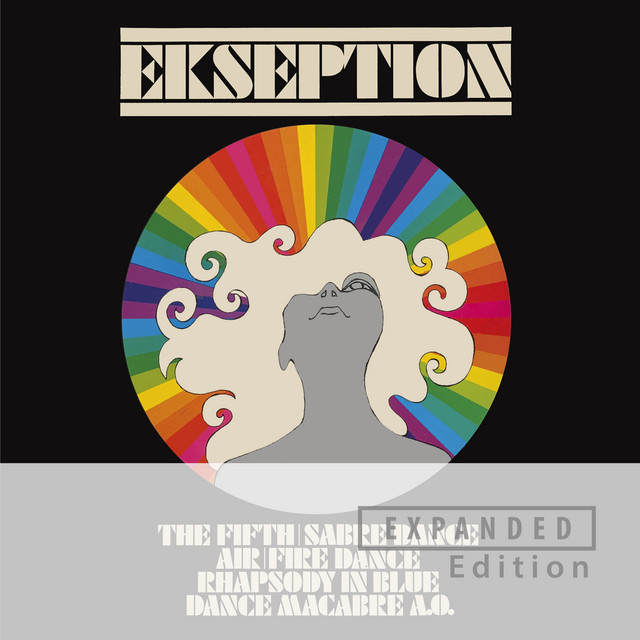
Ekseption
1969–1973
·
6 albums
Listen
2
/5
Genres
Artcore
Artcore is a subgenre of hardcore techno that fuses high-BPM club energy with the orchestral colors and dramatic writing of cinematic classical music. Producers combine pounding four-on-the-floor kicks, breakbeats, and modern EDM sound design with strings, piano, choirs, and sweeping harmonic progressions. The result is a maximalist, emotive style: towering builds, through-composed sections, key changes, and leitmotifs are common, while supersaw leads, reese basses, and intricate percussion keep the dancefloor intensity. The sound took shape in Japan’s doujin and rhythm-game circles, but it has since spread globally among electronic musicians who favor epic, narrative arrangements.
Discover
Listen
Classical Crossover
Classical crossover blends elements of Western classical music with popular styles to create accessible, cinematic, and vocally forward repertoire. It typically keeps classical vocal technique or orchestral timbres while adopting pop song structures, contemporary production, and ear‑catching hooks. Arrangements often feature lush strings, piano, and choir, with dramatic dynamic arcs and key changes. Repertoire may include pop-influenced originals, classical themes with new lyrics, and reinterpretations of opera arias or film melodies, frequently sung in English, Italian, or Latin. The genre is designed for broad appeal without abandoning the polish and gravitas of classical performance, bridging concert hall aesthetics and mainstream listening contexts.
Discover
Listen
Nederpop
Nederpop is a broad term for pop and rock made in the Netherlands, most often sung in Dutch and characterized by strong hooks, sing‑along choruses, and accessible storytelling. While it includes a range of sounds—from guitar‑based pop rock to synth‑driven new wave and even reggae‑tinged rhythms—it stays centered on melody and lyrical immediacy. The style coalesced as a recognizable movement in the late 1970s and surged in the 1980s, when bands adopted new wave textures and occasional ska/reggae grooves. In the 1990s and 2000s, nederpop became mainstream adult pop, with polished production, emotive ballads, and stadium‑sized choruses, often addressing everyday life, love, and social themes.
Discover
Listen
Progressive Rock
Progressive rock is a rock subgenre that expands the genre’s formal, harmonic, and conceptual boundaries. It favors long-form compositions, intricate arrangements, and virtuosic musicianship, often drawing on Western classical, jazz, folk, and psychedelic idioms. Typical hallmarks include multi-part suites, shifting time signatures, extended instrumental passages, recurring motifs, and concept albums that present unified themes or narratives. The sound palette commonly features electric guitar, bass, and drums alongside an array of keyboards (Hammond organ, Mellotron, Moog/ARP synthesizers, piano), woodwinds or brass, and occasional orchestral additions. Lyrics often explore science fiction, mythology, philosophy, social commentary, and introspective themes.
Discover
Listen
Art Rock
Art rock is a branch of rock music that treats the studio and the album as spaces for artistic experimentation, emphasizing conceptual ideas, ambitious arrangements, and cross-pollination with modernist and avant-garde traditions. It typically favors extended song forms, thematic or conceptual unity, and non-standard instrumentation (strings, woodwinds, synthesizers) alongside rock’s core band setup. Lyrically, it leans toward literary, surreal, or philosophical subjects and often adopts theatrical presentation. Where mainstream rock centers on immediacy and hooks, art rock embraces risk: unusual time signatures, timbral exploration, complex harmony, tape and electronic manipulation, and interludes that draw from classical, jazz, minimalism, and experimental music.
Discover
Listen
Symphonic Rock
Symphonic rock is a style of rock that integrates orchestral instrumentation, classical forms, and large‑scale arrangements into the core sound of a rock band. Typical timbres include strings, brass, woodwinds, choir, mellotron, Hammond organ, piano, and analog synthesizers supporting guitars, bass, and drums. The genre emphasizes grand, cinematic dynamics, thematic development, and harmonic richness drawn from Western classical music, while retaining the energy and songcraft of rock. It often overlaps with progressive rock, but places a particular focus on lush orchestration, romantic melodicism, and overtly symphonic textures—ranging from studio overdubs and mellotron layers to fully scored collaborations with symphony orchestras.
Discover
Listen
Albums
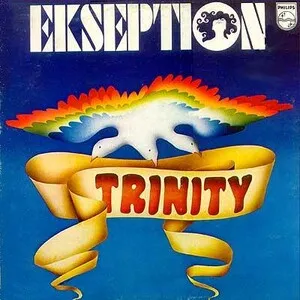
1973
2
/5
Trinity
Ekseption
Classical Crossover
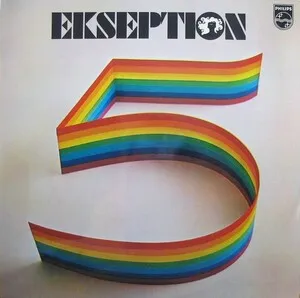
1972
2
/5
Ekseption 5
Ekseption
Classical Crossover
1971
1
/5
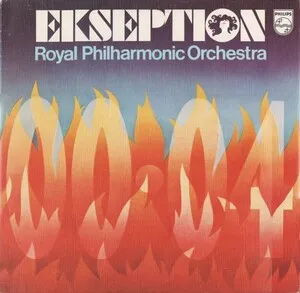
00:04
Ekseption
Classical Crossover
1970
2
/5
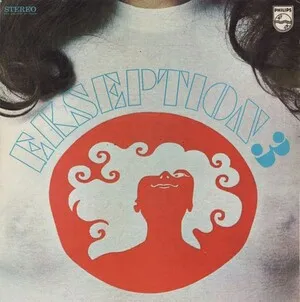
Ekseption 3
Ekseption
Classical Crossover
1969
1
/5
Ekseption
Ekseption
Classical Crossover
1969
2
/5
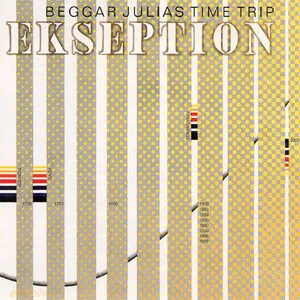
Beggar Julia's Time Trip
Ekseption
Classical Crossover
Similar artists
3
/5
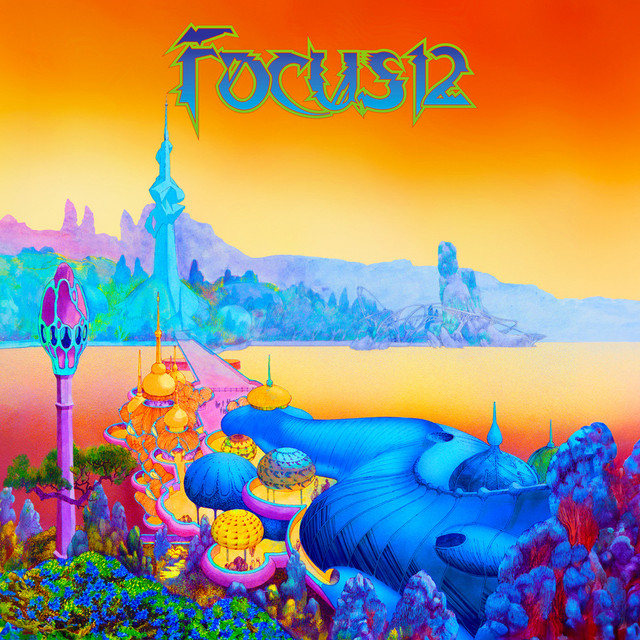
Focus
Progressive Rock
Art Rock
Indie Pop Rap
2
/5
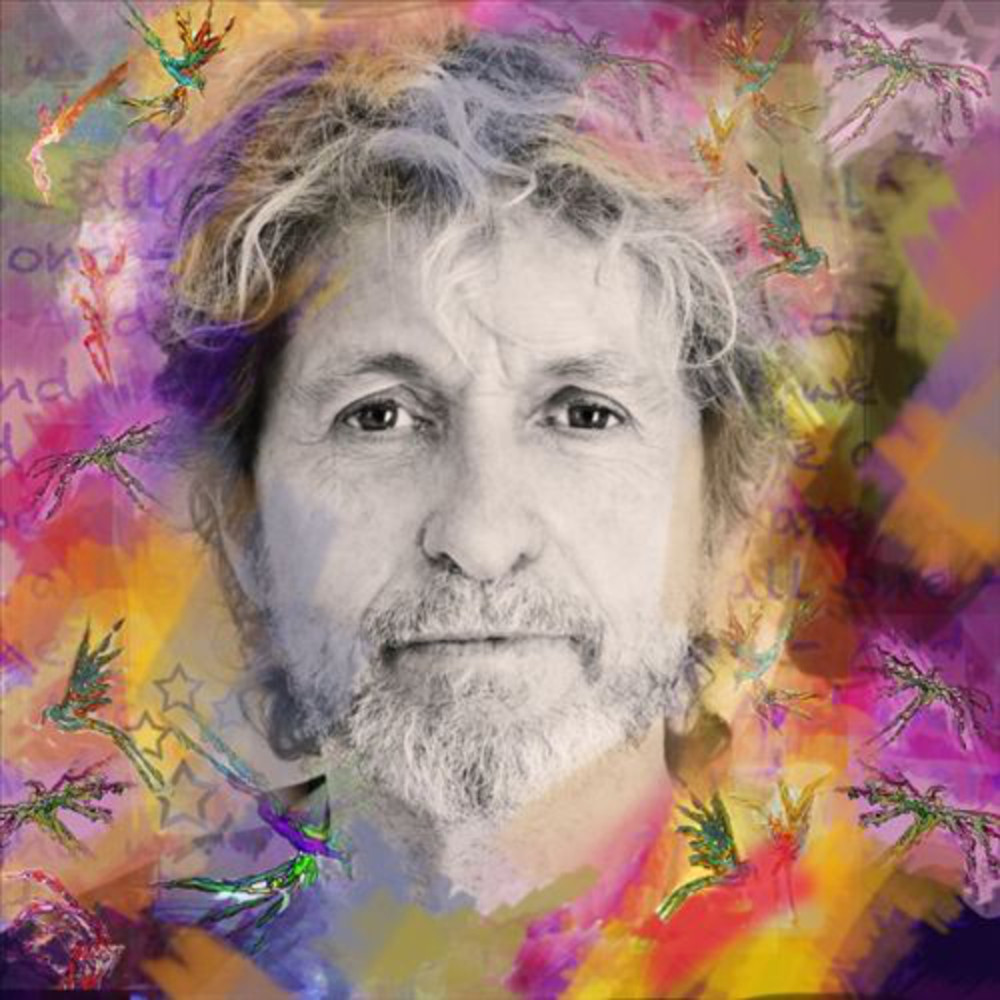
Jon Anderson
Art Rock
Progressive Rock
Classical Crossover
2
/5
Peter Hammill
Proto-Punk
Art Rock
Krautrock
5
/5
Pink Floyd
Art Rock
Progressive Rock
Rock
5
/5
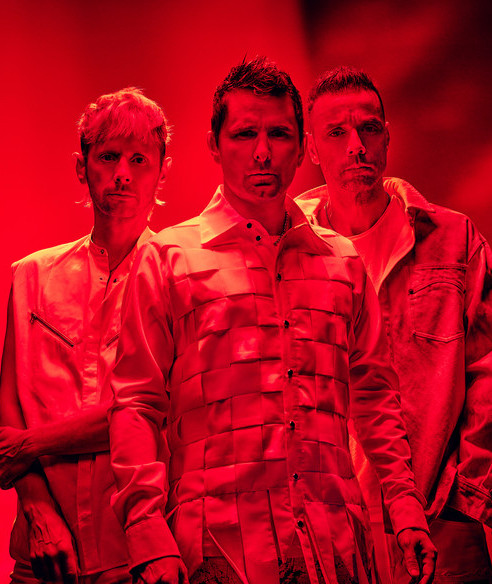
Muse
Alternative Rock
Rock
Permanent Wave
4
/5
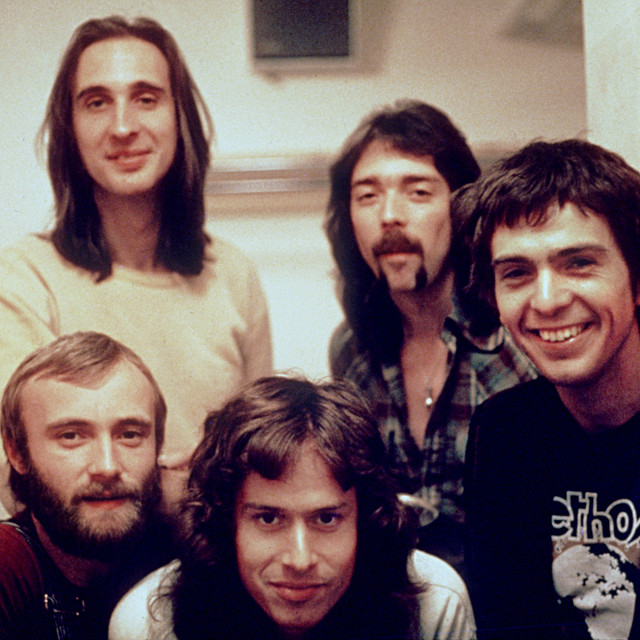
Genesis
Progressive Rock
Art Rock
Symphonic Rock
4
/5
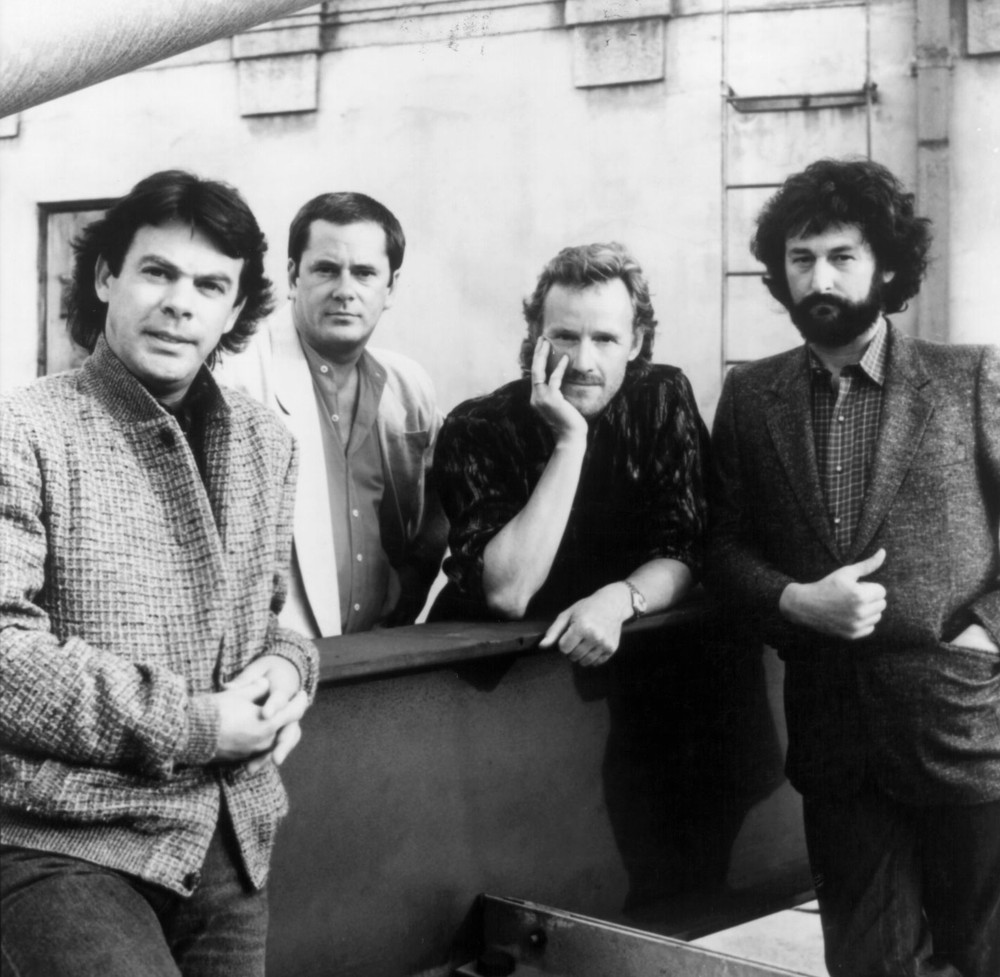
Supertramp
Progressive Rock
Art Rock
Glam Rock
4
/5
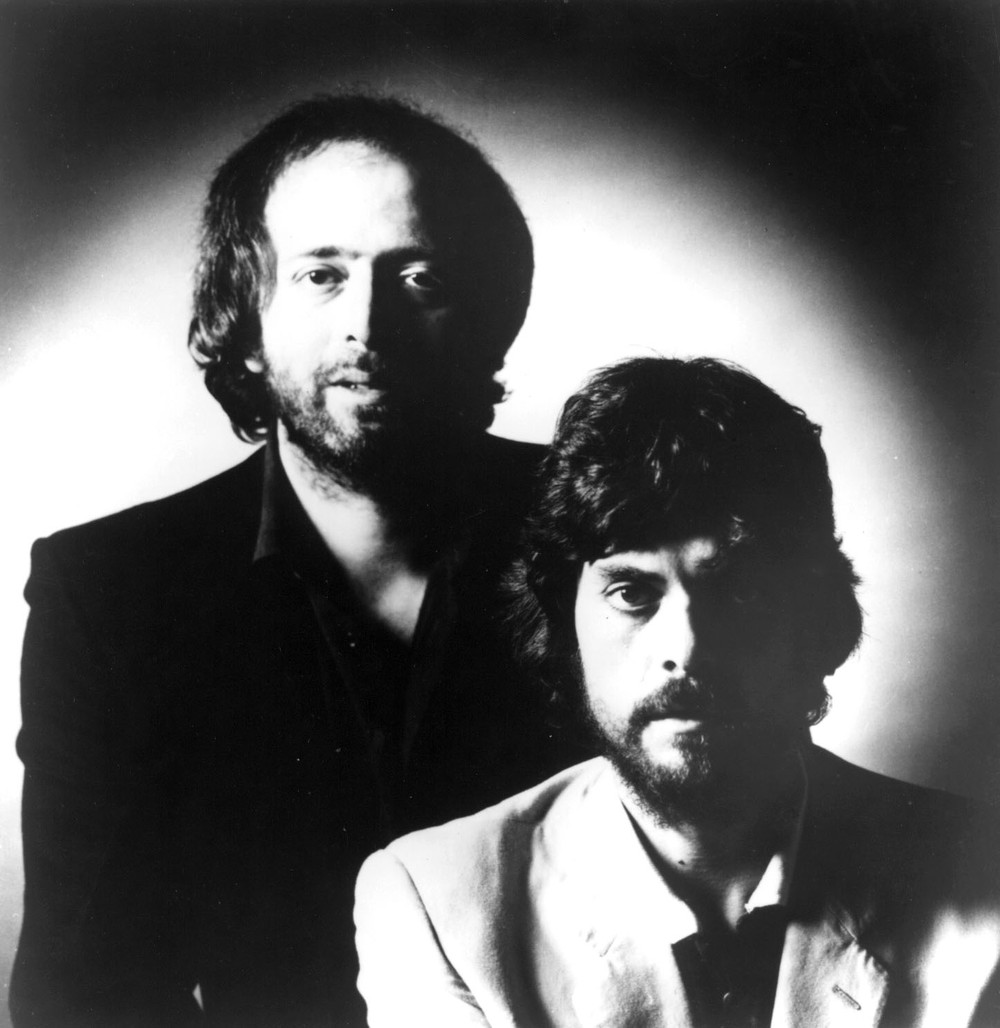
The Alan Parsons Project
Progressive Rock
Symphonic Rock
Art Rock
4
/5
Yes
Progressive Rock
Art Rock
Rock
4
/5
The Moody Blues
Baroque Pop
Progressive Rock
Art Rock
Download our mobile app
Get the Melodigging app and start digging for new genres on the go
Download on the App Store
Get it on Google Play
© 2026 Melodigging
Give feedback
Legal
Melodding was created as a tribute to
Every Noise at Once
, which inspired us to help curious minds keep digging into music's ever-evolving genres.