Genres
Artists
Albums
Make Music
Sign in
Sign in
Artists
Dansband
Artists
Dansband
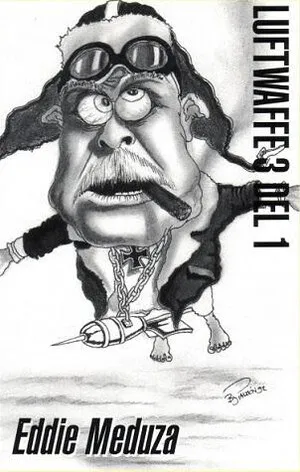
Eddie Meduza
1988
·
2 albums
Listen
3
/5
Genres
Epadunk
Epadunk (also called raggardunk) is a Swedish party‑centric microgenre that fuses high‑energy electronic dance templates with blunt, humorous and often risqué lyrics about rural cruising culture, alcohol and sex. Its name references EPA/A‑tractors—heavily modified slow‑moving cars driven by Swedish teens—that blast these tracks through oversized sound systems. Musically it draws on EDM and 1990s Eurodance hooks, sing‑along choruses and booming, car‑audio‑friendly low end. Culturally it sits inside the youth “EPA” scene and raggare tradition, where showing off vehicles and bass is part of the lifestyle. The sound crossed over nationally in 2022 when several epadunk acts dominated Sweden’s streaming charts.
Discover
Listen
Dakke Dak
Dakke Dak (also spelled Dakkedak) is a Danish electronic dance music subgenre and slang term that emerged as a distinct cultural phenomenon in the 2010s. Musically, it is a high-energy fusion of various hard dance styles, primarily drawing from Psytrance, Hardstyle, Melbourne Bounce, and Hands Up techno. The name is an onomatopoeia mimicking the rapid, pounding "dak-dak-dak" sound of the heavy basslines and kick drums characteristic of the genre. It is strongly associated with provincial Danish youth culture, "tramper" (stomping) dance styles, car audio culture, and parties in rural or suburban areas. The lyrics are almost exclusively in Danish, often humorous, hedonistic, and centered around drinking, partying, and local identity.
Discover
Listen
Könsrock
Könsrock is a Swedish form of deliberately obscene, juvenile and shock-oriented comedy rock that draws heavily on punk’s do‑it‑yourself attitude and garage rock’s raw sonics. The style is characterized by extremely explicit, taboo-breaking lyrics about sex, bodily functions and social transgressions, often delivered with deadpan humor, childish wordplay and dialectal Swedish slang. Musically it ranges from simple three‑chord punk and garage riffs to cheap keyboards, drum machines and lo‑fi home-recorded backing tracks. The intent is usually satirical provocation and gallows humor rather than musical virtuosity, with crude cover art and intentionally tasteless aesthetics reinforcing the point.
Discover
Listen
Ragga
Ragga (short for raggamuffin) is a digital-era branch of Jamaican dancehall that foregrounds electronic rhythms, heavy sub‑bass, and rapid‑fire toasting in Jamaican Patois. It typically uses drum machines, sampled or synthesized basslines, and minimal harmonic movement, creating spacious, hard‑hitting “riddims” over which multiple deejays deliver contrasting versions. The style crystallized in the mid‑1980s after the pivotal “Sleng Teng” riddim popularized fully digital production, ushering in a new sound that was simultaneously streetwise, club‑ready, and globally exportable. Lyrically, ragga ranges from party‑starting “slackness” and braggadocio to social commentary, and its vocal delivery combines singing, chanting, and MC‑style flows.
Discover
Listen
Dansband
Dansband (dansbandsmusik) is a Scandinavian popular dance-music style that grew out of Sweden’s folkpark dance culture in the late 1960s and flourished through the 1970s. It blends schlager’s catchy melodies, country’s twang and storytelling, and rock ’n’ roll’s steady backbeat into a polished, dance-first sound. Songs are mid-tempo, diatonic, and immediately singable, tailored for partner dances such as foxtrot, bugg (a Swedish jitterbug), and waltz. Typical instrumentation includes electric and acoustic guitars, bass, drums, keyboards (piano/organ/synths), saxophone, and sometimes pedal steel or accordion. Lyrics—most often in Swedish—focus on love, nostalgia, and everyday life. The genre remains a staple of Nordic social dance scenes, with a strong tradition of touring bands playing ballrooms, folkparks, and dance pavilions, and a repertoire mixing originals with Swedish-language covers of international hits.
Discover
Listen
Rockabilly
Rockabilly is one of the earliest styles of rock and roll, fusing the twang and storytelling of Southern country ("hillbilly") with the driving backbeat and boogie of rhythm & blues and jump blues. It is marked by slap‑back echo on vocals and guitar, slapping upright bass, twangy hollow‑body electrics, and energetic, danceable grooves. The classic rockabilly sound emerged from mid‑1950s Memphis studios such as Sun Records, where minimal drum kits (or none at all) mixed with percussive bass and bright, overdriven guitars. Songs are typically short, hooky, and built on 12‑bar blues or simple I–IV–V progressions, with lyrics about love, cars, dancing, and youthful rebellion.
Discover
Listen
Rock
Rock is a broad family of popular music centered on amplified instruments, a strong backbeat, and song forms that foreground riffs, choruses, and anthemic hooks. Emerging from mid‑20th‑century American styles like rhythm & blues, country, and gospel-inflected rock and roll, rock quickly expanded in scope—absorbing folk, blues, and psychedelic ideas—while shaping global youth culture. Core sonic markers include electric guitar (often overdriven), electric bass, drum kit emphasizing beats 2 and 4, and emotive lead vocals. Rock songs commonly use verse–chorus structures, blues-derived harmony, and memorable melodic motifs, ranging from intimate ballads to high‑energy, stadium‑sized performances.
Discover
Listen
Rock And Roll
Rock and roll is a high-energy, dance-oriented popular music style that emerged in the United States in the early-to-mid 1950s. It fuses the 12‑bar blues and boogie‑woogie with the backbeat and instrumentation of rhythm & blues, the twang and storytelling of country, and the fervor of gospel. Its hallmark sound centers on a strong backbeat (accented on beats 2 and 4), driving rhythm sections, electric guitar riffs, prominent piano or saxophone leads, and catchy, chorus-forward songwriting. Typical harmonies revolve around I–IV–V progressions, often in 12-bar form, with swung or shuffle feels and punchy turnarounds. Culturally, rock and roll catalyzed a youth movement linked to dancing, teen identity, and social change. It bridged racial audiences by popularizing Black American musical traditions for mainstream listeners, and it laid the foundation for subsequent rock styles and much of modern pop.
Discover
Listen
Show all 8 genres
Albums
1988
2
/5
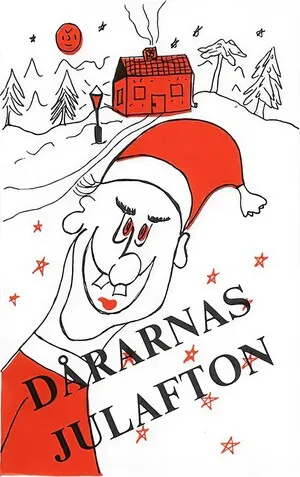
Dårarnas julafton
Eddie Meduza
Könsrock
E. Hitler & Luftwaffe Nr 3 del 1
Eddie Meduza
Könsrock
Similar artists
2
/5
Eddie Nilsson
Boogie-Woogie
Könsrock
Dansband
2
/5
John Wildcat
Dansband
Psychobilly
Ragga
3
/5
The Baseballs
Neo-Rockabilly
Boogie-Woogie
Rockabilly
3
/5
Björn Rosenström
Könsrock
Dansband
Swedish Pop
3
/5
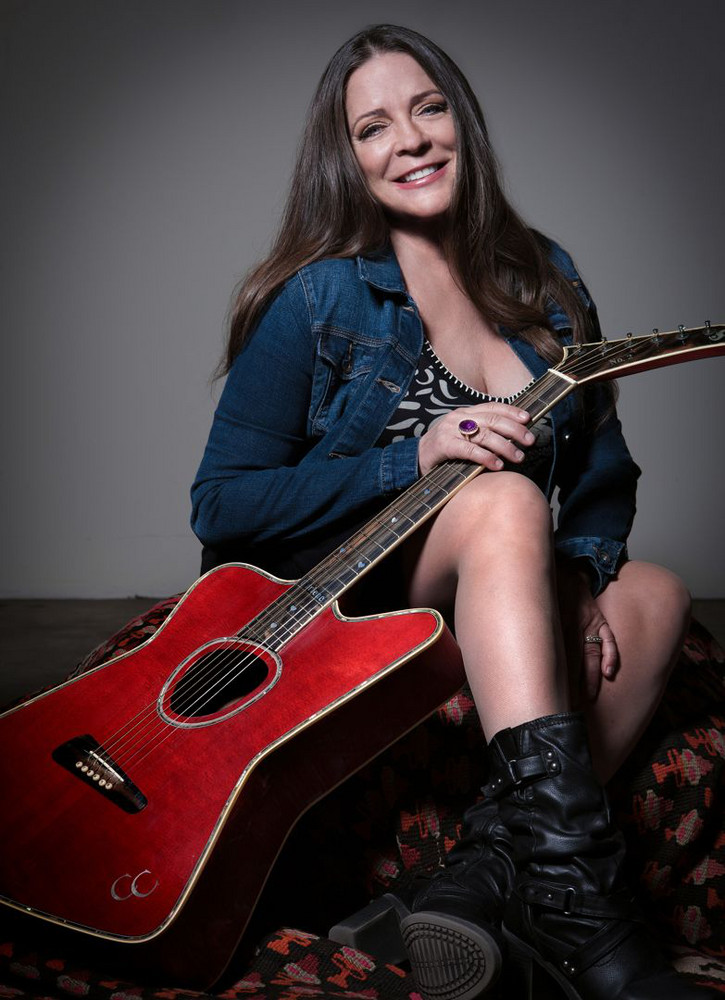
Carlene Carter
Rockabilly
Dansband
Country Dawn
3
/5
Streaplers
Dansband
Rockabilly
3
/5
Billy Opel
Dansband
Rockabilly
Swedish Pop
2
/5
Larz-Kristerz
Dansband
Rockabilly
Epadunk
2
/5
Andy and the Rockets
Dansband
Rockabilly
Nwocr
2
/5
The Boppers
Dansband
Doo-Wop
Rockabilly
Download our mobile app
Get the Melodigging app and start digging for new genres on the go
Download on the App Store
Get it on Google Play
© 2026 Melodigging
Give feedback
Legal
Melodding was created as a tribute to
Every Noise at Once
, which inspired us to help curious minds keep digging into music's ever-evolving genres.