Genres
Artists
Albums
Make Music
Sign in
Sign in
Artists
Deathcore
Artists
Deathcore
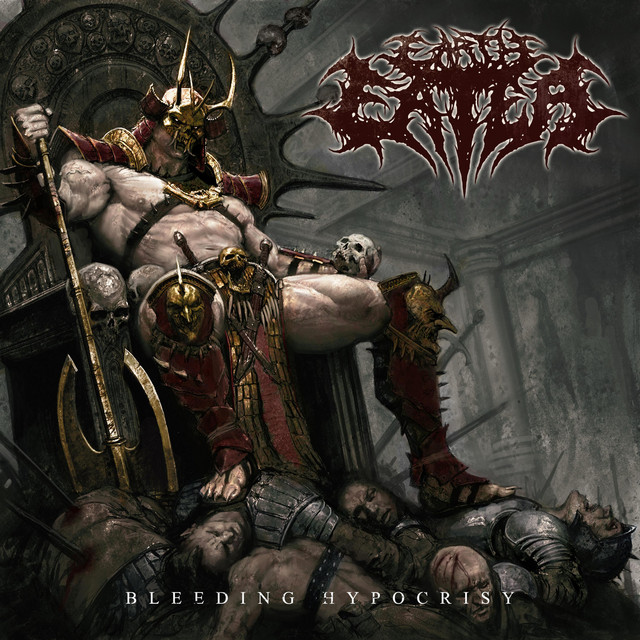
Earth Eater
2025
·
1 album
Listen
1
/5
Genres
Progressive Deathcore
Progressive deathcore is a fusion of deathcore’s crushing heaviness and breakdown-centric aggression with the adventurous songcraft, technicality, and textural breadth of progressive metal. Hallmarks include extended-range guitars (7–9 strings) in very low tunings, polymetric “djent”-leaning grooves, rapid meter changes, and long-form structures that move well beyond verse/chorus. You’ll hear a blend of palm‑muted syncopation, angular technical riffs, sweeping leads, and atmospheric keyboards or orchestration that add space between punishing passages. Vocals typically alternate between low growls, layered screams, and occasional clean passages; production is tight, modern, and punchy. Lyrically, the style often departs from deathcore’s horror tropes to explore sci‑fi, philosophy, cosmic imagery, and introspective themes, matching the music’s expansive, cinematic scope.
Discover
Listen
Downtempo Deathcore
Downtempo deathcore is an ultra-slow, hyper-heavy offshoot of deathcore that emphasizes crushing, half-time breakdowns, extreme low tunings, and bleak atmosphere. Instead of constant blast beats or fast tremolo, the style prioritizes spacious, syncopated chugs, sub‑drops, and long rests that make each hit feel catastrophic. Vocals typically lean on deep false‑cord gutturals, tunnel growls, and occasional pig squeals, with lyrical themes centered on nihilism, violence, despair, and street‑level realism. Production often layers 808 subs with kick drums, brickwall‑limited guitars, and sharp china/splash accents to maximize impact. Sparse dissonant leads, samples, and cinematic swells are used to deepen the ominous mood, while the groove remains slow, simple, and tactically punishing.
Discover
Listen
Slamming Deathcore
Slamming deathcore is an especially heavy, groove-focused branch of deathcore that fuses the massive, "caveman" slam riffs of brutal/slam death metal with the breakdown-driven structures of metalcore. It emphasizes ultra‑low guitar tunings, tectonic half‑time "slams," rapid alternation with blasts, and extremely guttural vocals (pig squeals, tunnel growls, and inhales/exhales). Modern productions often add sub‑bass drops, tightly edited drums, and layered vocal effects for maximum impact. Lyrical themes tend toward horror, cosmic or apocalyptic imagery, and exaggerated brutality, though some bands bring sci‑fi or mythological concepts into the mix. The resulting sound is relentlessly percussive, groove‑centric, and built for mosh‑inducing impact.
Discover
Listen
Deathcore
Deathcore is an extreme metal subgenre that fuses the riff language and vocal extremity of death metal with the breakdown‑centric impact of metalcore and its hardcore roots. Typical hallmarks include brutally palm‑muted and tremolo‑picked guitar riffs on low tunings, blast‑beat focused drumming with double‑kick barrages, and guttural growls, tunnel throats, and high shrieks. Songs commonly pivot into half‑time, groove‑heavy breakdowns designed for maximum physical impact. As a distinct movement, deathcore coalesced in the early 2000s and reached wider prominence in the mid‑2000s via internet platforms and relentless touring, even though earlier 1990s bands had already flirted with fusing death metal and hardcore elements.
Discover
Listen
Djent
Djent is a substyle of progressive metal defined by ultra-tight, low‑tuned, palm‑muted guitar riffs that create a percussive, onomatopoeic "djent" sound. It favors extended‑range instruments (7–9 strings), precise rhythmic subdivision, and a highly articulate, modern production aesthetic. Sonically, djent emphasizes polyrhythms, syncopation, and metric modulation, often pairing dense, chugging grooves with ambient clean guitars, spacious synth pads, and melodic choruses. Vocals range from harsh screams and growls to soaring cleans, while drums and bass lock tightly to the rhythmic grid, accenting the guitar’s staccato patterns. Although the term took off online in the late 2000s, the core rhythmic and timbral blueprint traces to the 1990s work of Swedish band Meshuggah.
Discover
Listen
Technical Deathcore
Technical deathcore is a hyper-virtuosic branch of deathcore that fuses the genre’s signature breakdown-focused heaviness with the speed, precision, and advanced musicianship of technical death metal. Expect rapid-fire, tightly edited riffing on extended-range guitars, intricate drumwork (gravity blasts, relentless double-kick, metric modulations), highly syncopated chugs that flirt with djent, and sudden drops into massive, rhythmically clever breakdowns. Lead guitars often employ sweep-picking, tapping, and chromatic or exotic-scale runs, while bass frequently mirrors or expands guitar lines with its own technical flourishes. Vocals range from cavernous lows to piercing highs, with occasional inhuman textures and layered harmonies. Lyrical themes frequently lean toward science fiction, cosmic horror, technological dystopia, and apocalyptic imagery, with a modern production aesthetic: clinical tightness, re-amped guitars, sample-reinforced drums, and dense, spatial synthetic layers.
Discover
Listen
Albums
2025
1
/5
Beneath
Earth Eater
Technical Deathcore
Similar artists
2
/5
Reflections
Thall
Djent
Deathcore
2
/5
Wretched
Technical Deathcore
Technical Melodic Death Metal
Death Metal
4
/5
Currents
Progressive Deathcore
Djent
Deathcore
2
/5
Molotov Solution
Progressive Deathcore
Death Metal
Deathcore
2
/5
Darknet
Thall
Progressive Deathcore
Deathcore
2
/5
Soulkeeper
Progressive Deathcore
Deathcore
Djent
3
/5
The Acacia Strain
Downtempo Deathcore
Deathcore
Metalcore
3
/5
Humanity's Last Breath
Deathcore
Thall
Death Metal
2
/5
Black Tongue
Deathcore
Downtempo Deathcore
Death Metal
2
/5
Traitors
Downtempo Deathcore
Progressive Deathcore
Metallic Hardcore
Download our mobile app
Get the Melodigging app and start digging for new genres on the go
Download on the App Store
Get it on Google Play
© 2026 Melodigging
Give feedback
Legal
Melodding was created as a tribute to
Every Noise at Once
, which inspired us to help curious minds keep digging into music's ever-evolving genres.