Genres
Artists
Albums
Make Music
Sign in
Sign in
Artists
Harana
Artists
Harana
Dulce
2006
·
1 album
Listen
2
/5
Genres
Opm
OPM (Original Pilipino Music) is the umbrella term for Filipino popular music, encompassing mainstream pop, soft rock, ballads, and band music primarily sung in Filipino languages (especially Tagalog) as well as English. The tag crystallized in the 1970s alongside the Manila Sound movement and the formation of a modern local recording industry that foregrounded Filipino songwriting and artists. Stylistically, OPM blends Western pop/rock and soul with indigenous and Hispanic-influenced Filipino song traditions such as kundiman and harana. Melodies tend to be singable and emotive, harmony is diatonic with occasional modulations, and lyrics often revolve around love, nostalgia, family, and national identity. Across decades, OPM has continually evolved—from disco-tinged 70s pop and 80s power ballads to 90s alternative band culture and today’s polished pop and R&B—while remaining distinctively Filipino in sensibility and storytelling.
Discover
Listen
Manila Sound
Manila sound is a light, catchy, and urbane Filipino pop style that crystallized in Metro Manila in the mid-1970s. It blends Western pop, soft rock, disco, funk, and soul with Filipino melodic sensibilities, witty Tagalog/Taglish lyrics, and radio-friendly hooks. The sound is characterized by singable melodies, slick vocal harmonies, and danceable 4/4 grooves, often arranged with clean rhythm guitars, electric piano, string pads or synths, horns, and hand percussion. Its themes center on city life, romance, and humor, reflecting the everyday experiences of Manila’s youth culture. Manila sound is widely regarded as a foundation of modern Original Pilipino Music (OPM), bridging 1960s/early-1970s pop ballad traditions and the later disco, synth-pop, and adult-contemporary currents of the 1980s.
Discover
Listen
Pop
Pop is a broad, hook-driven style of popular music designed for wide appeal. It emphasizes memorable melodies, concise song structures, polished vocals, and production intended for radio, charts, and mass media. While pop continually absorbs elements from other styles, its core remains singable choruses, accessible harmonies, and rhythmic clarity. Typical forms include verse–pre-chorus–chorus, frequent use of bridges and middle-eights, and ear-catching intros and outros. Pop is not defined by a single instrumentation. It flexibly incorporates acoustic and electric instruments, drum machines, synthesizers, and increasingly digital production techniques, always in service of the song and the hook.
Discover
Listen
Kundiman
Kundiman is a Filipino art-song tradition centered on love and devotion, typically sung in Tagalog with refined, lyrical melodies. It is most often set in a slow triple meter (commonly 3/4), employing expressive rubato and ornamentation. Harmonically, kundiman pieces characteristically begin in a minor key and resolve to the parallel major in the refrain, mirroring a poetic journey from yearning to hope. While rooted in indigenous Filipino song and serenade practice, the genre absorbed European art-song and Romantic-era harmonic language during Spanish and early American colonial periods. Beyond romantic themes, kundiman historically served as an allegory for patriotic love of the motherland, especially during the late 19th-century Philippine Revolution. Today it is performed by classical singers and traditional vocalists alike, remaining a cornerstone of Filipino musical identity.
Discover
Listen
Harana
Harana is a Filipino tradition of nocturnal courtship serenades performed outside a woman’s window, typically accompanied by a guitar and a small group of male singers. It took shape during the Spanish colonial period and blends Iberian musical elements with local languages and poetic sensibilities. Musically, harana favors gentle tempos, lilting Spanish-derived dance rhythms (especially the habanera and occasional waltz), and simple, elegant harmonies that support expressive, melismatic vocal delivery. Lyrics are written in Tagalog (and other Philippine languages), using highly formal, respectful, and flowery language that extols virtue, modesty, and devotion. While closely related to the more art-song–oriented kundiman, harana is defined by its function as a serenade: a ritualized performance with a call-and-response social script, rather than a concert piece. Its sound world—guitar rasgueado patterns, bass-note–plus–strum accompaniments, and sweet, sentimental melodies—has left a lasting imprint on Philippine love songs and popular ballads.
Discover
Listen
Albums
2006
3
/5
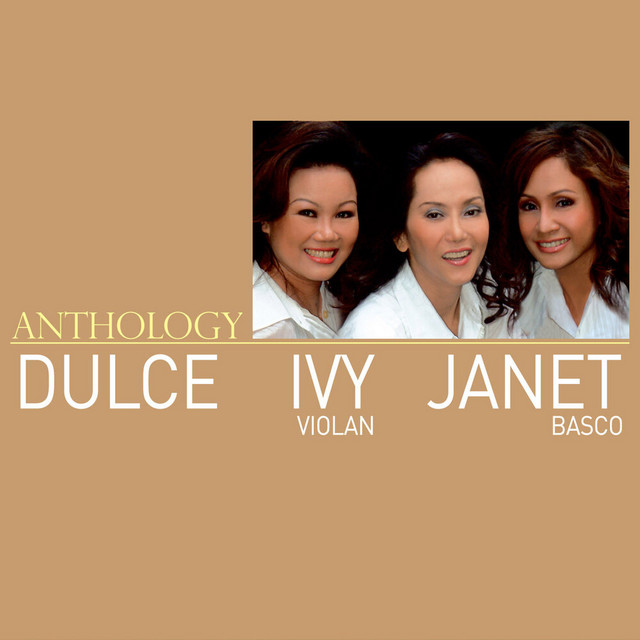
Anthology
Janet Basco
Manila Sound
Pop
Similar artists
4
/5
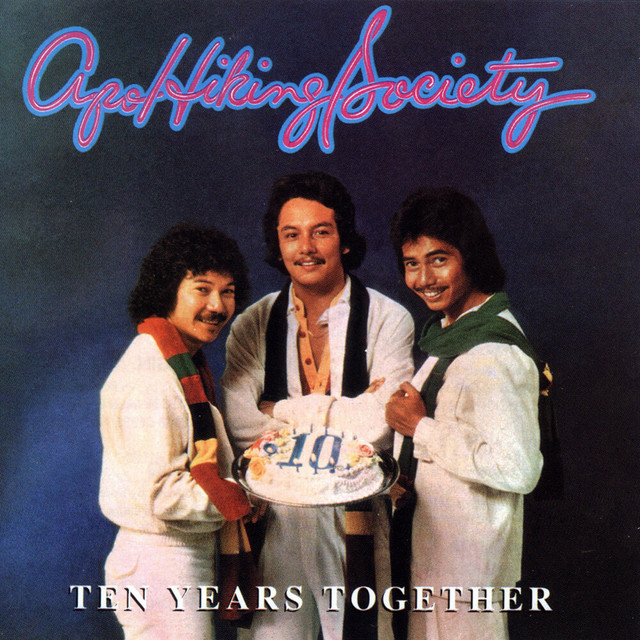
APO Hiking Society
Opm
Manila Sound
Pop
3
/5
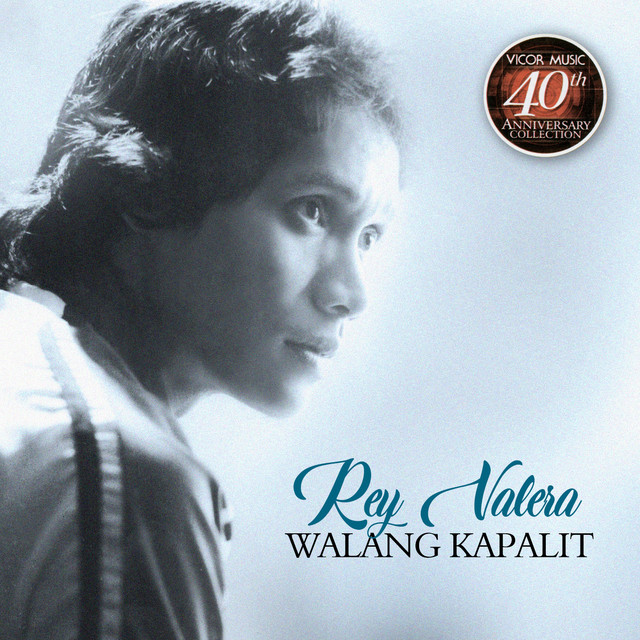
REY VALERA
Manila Sound
Opm
Pop
3
/5
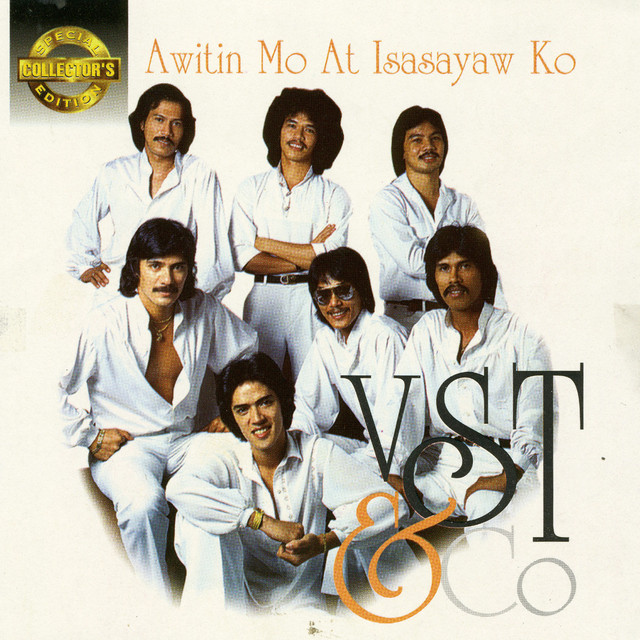
VST & Company
Manila Sound
Budots
Harana
3
/5
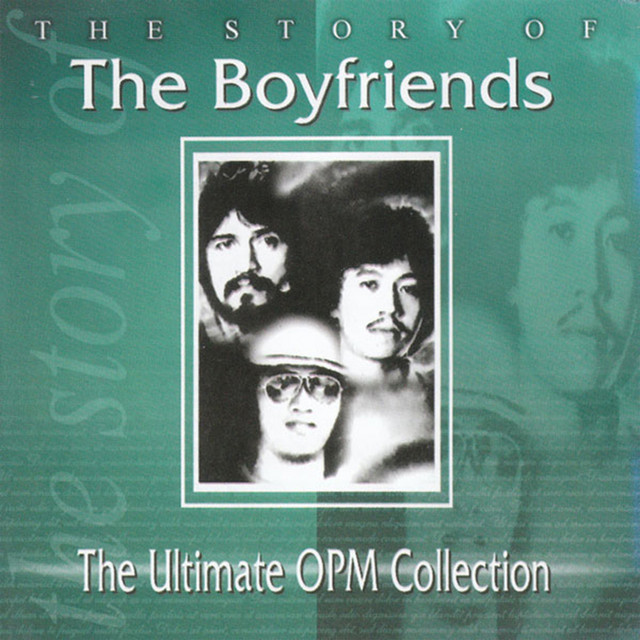
The Boyfriends
Manila Sound
Harana
Kundiman
3
/5
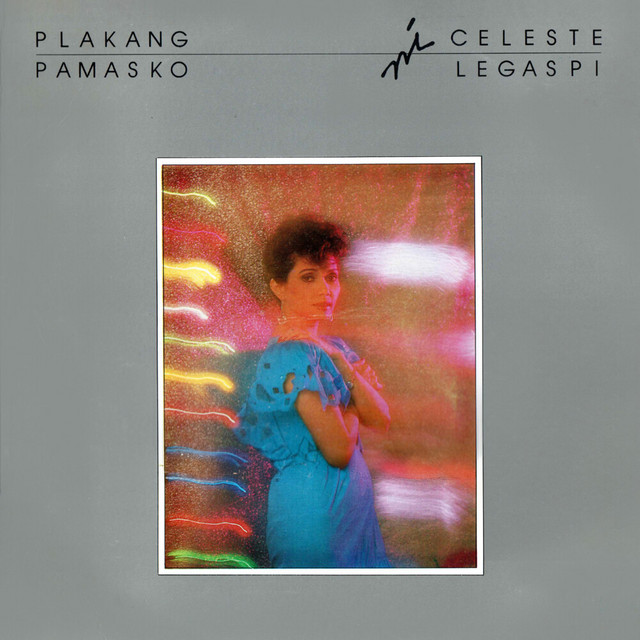
Celeste Legaspi
Opm
Kundiman
Pop
3
/5
Cinderella
Harana
Kundiman
Opm
3
/5
Hotdog
Manila Sound
Harana
Kundiman
1
/5
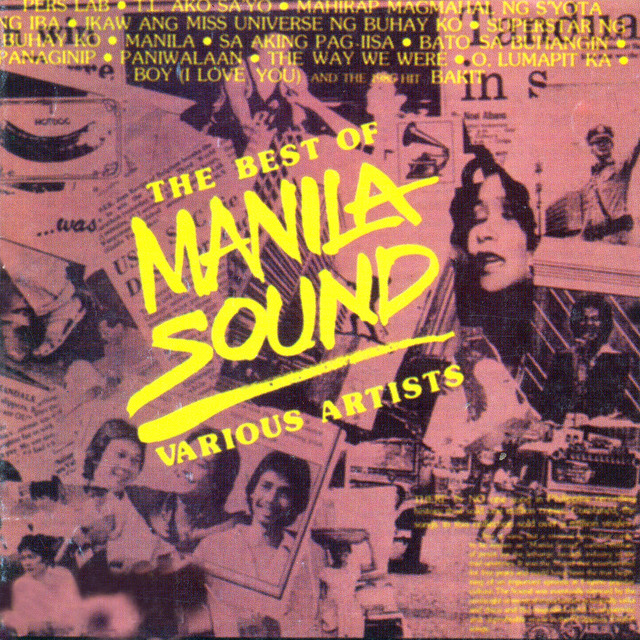
Various Artists
Afro-Funk
Alternative Rock
Ambient
4
/5
Ben&Ben
P-Pop
Kundiman
Opm
4
/5
Silent Sanctuary
Pinoy Alternative
Pinoy Rock
Harana
Download our mobile app
Get the Melodigging app and start digging for new genres on the go
Download on the App Store
Get it on Google Play
© 2026 Melodigging
Give feedback
Legal
Melodding was created as a tribute to
Every Noise at Once
, which inspired us to help curious minds keep digging into music's ever-evolving genres.