Genres
Artists
Albums
Make Music
Sign in
Sign in
Artists
Exotica
Artists
Exotica
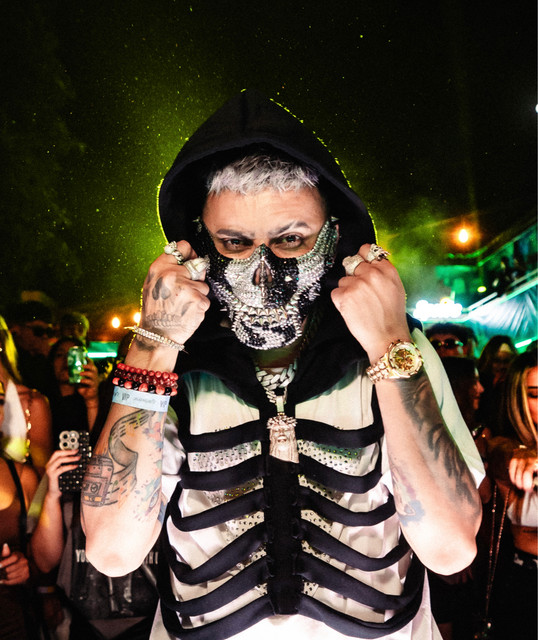
Dj Rocka
Listen
3
/5
Genres
Techengue
Techengue is a DJ-driven Latin club hybrid that fuses the four-on-the-floor pulse and sound design of tech house with the crowd-pleasing hooks, dembow syncopation, and edits culture of Argentine “cachengue” party music (a catch‑all for reggaeton, cumbia, and mainstream sing‑alongs). Typically sitting around 124–130 BPM, it keeps a steady 4/4 kick, adds reggaeton-style offbeat claps and ghost snares, and sprinkles Latin percussion (congas, timbales, güira) for swing and texture. Vocals are often short, catchy Spanish chants or chopped acapellas from pop, reggaeton, or cumbia, treated with DJ-friendly builds and drops. Rather than an album-based artist scene, techengue grows through bootlegs, mashups, and set-ready edits shared by club DJs, optimized for peak-time energy and seamless mixing.
Discover
Listen
Gogeo
Gogeo is a high-energy Latin-electronic club microgenre that emerged from the Mexican underground party and car-audio scenes. It is characterized by a fusion of Guaracha-style lead riffs, Tribal Guarachero percussion, and aggressive EDM drops, all underpinned by oversized sub-bass frequencies designed to rattle car sound systems. The aesthetic bridges the gap between festival-ready Electro-Latin energy and the raw, bass-heavy functionalism of street party music, often featuring catchy Spanish vocal chops and metallic synth textures.
Discover
Listen
Mambo Chileno
Mambo chileno is a Chilean club-oriented strain of urbano that emerged in the early 2010s. It marries the reggaeton/dembow drum engine with bright, synthetic hooks, chantable "mambo" shout‑outs (mambo as slang for a party), and playful rap verses. Tracks are typically upbeat and dance‑driven, with MCs rapping about parties, dancing, friendships, and urban nightlife while short sung choruses provide the earworm. Production leans on punchy dembow rhythms, brassy or synth stabs, crowd-response coros, and DJ-friendly intros/outros designed for seamless mixing.
Discover
Listen
Previa
Previa is a contemporary Argentine pre‑party DJ style built around high‑energy edits, bootlegs, and mashups designed to kick off the night. The name comes from the colloquial “la previa,” the pregame gathering before going out, and the music’s job is to turn familiar Latin pop, reggaeton, and regional hits into floor‑ready, faster, harder versions. Sonically, previa lives between tech‑house tempo and reggaeton sensibilities: hooks are sped up, drops hit with big sidechained bass, and builds are short and dramatic. DJs chop sing‑along choruses, stack hypechants and FX, and slam dembow or four‑on‑the‑floor kick patterns under recognizable vocals. The vibe is extroverted, party‑starting, and unapologetically functional—made for mass sing‑backs and immediate dancing.
Discover
Listen
Reggaeton Chileno
Reggaeton chileno is the Chilean iteration of urbano built on the classic dembow pulse, but colored by local slang, DIY internet aesthetics, and frequent crossover with Latin trap and pop. The style keeps reggaeton’s dance‑floor focus while alternating between glossy, melodic hooks and grittier street energy. Chilean artists often rap‑sing with heavy autotune over minimal, sub‑driven beats, blending romantic themes with barrio pride and club culture. From neoperreo’s avant‑club experiments to radio‑ready hits, the scene is both online‑native and chart‑minded, reflecting Chile’s vibrant, collaborative urbano ecosystem.
Discover
Listen
Reggaeton Mexa
Reggaeton mexa is the Mexican take on reggaetón, fusing the classic dembow pulse with local slang, humor, and references to Mexican youth culture. It leans on viral, dance‑oriented hooks and streetwise storytelling, often delivered with bold, tongue‑in‑cheek bravado. Beyond straight perreo, producers and artists frequently blend elements from regional mexicano and cumbia with modern urbano textures (808s, crisp claps, autotune‑forward vocals). The result is a distinctly Mexican club sound that thrives on social media, parties, and neighborhood scenes in Mexico City, Monterrey, and Guadalajara.
Discover
Listen
Rkt
RKT is a high‑energy Argentine take on urbano dance music that hardens the classic dembow/reggaeton pulse with the punch and party ethos of local cumbia scenes. It favors minimal, rhythm‑centric beats, heavy 808s, crisp kick‑snare patterns, and crowd‑hyping FX such as sirens, brass stabs, and risers. Vocals typically come in short, hooky chants and straightforward verses delivered in street‑level Spanish slang, designed for immediate dance‑floor and social‑media impact. Sonically it sits between reggaeton, DJ edit culture and Argentine cumbia (especially the villera tradition), keeping arrangements lean so the groove and drops hit as hard as possible.
Discover
Listen
Trap Boricua
Trap boricua is the Puerto Rican strain of Latin trap: a Spanish-language take on Southern U.S. trap aesthetics fused with the island’s reggaetón DNA and hip‑hop tradition. It is characterized by halftime 4/4 grooves (typically 65–75 BPM, or 130–150 BPM counted double‑time), heavy 808 sub-bass with slides, skittering 1/16 hi‑hats and triplet rolls, crisp claps/snares on the halftime backbeat, and atmospheric pads or minor‑key synth motifs. Vocals often mix melodic Auto‑Tuned hooks with gritty rap verses, switching between rapid‑fire syllables and laid‑back flows. Lyrically, artists blend barrio storytelling, bravado (fronteo), luxury and street codes with Puerto Rican slang, while also opening space for romance, introspection, and social commentary. The sound frequently hybrids with reggaetón (dembow cadences), R&B, and drill, making it both club‑ready and mood‑driven.
Discover
Listen
Afro Tech
Afro tech is a club-focused hybrid of Afro house and techno that blends four-on-the-floor drum programming with African polyrhythms, deep sub-bass, and hypnotic, minor-key synth work. It favors driving grooves, atmospheric pads, chant-like vocals, and long, DJ-friendly arrangements that build patiently toward cathartic drops. Compared with soulful Afro house, Afro tech tends to be darker, more streamlined, and more mechanical, while retaining the swing, percussion density, and call-and-response sensibilities of Southern African dance music.
Discover
Listen
Chilean Trap
Chilean trap is the Chilean iteration of Spanish-language trap that fuses the dark, half‑time bounce of U.S. trap with reggaeton’s urbano sensibility and local slang, cadences, and storytelling. It is characterized by 808-heavy, minor-key instrumentals, rapid hi-hat programming, and Auto-Tuned melodies that alternate with gritty rap verses. Lyrically, it moves between street realism and late-night romance, often coded with chilenismos and references to Santiago’s barrios. While rooted in trap, the scene frequently cross-pollinates with dembow/reggaeton rhythms, R&B-inflected hooks, and occasional drill-esque textures, creating a flexible urbano palette that spans club anthems and moody, introspective cuts.
Discover
Listen
Noiadance
Noiadance is a Brazilian club-music microgenre that blends Dutch house-style EDM production with the rhythmic feel of moombahton. It typically layers funk brasileiro vocal chops, call-and-response hooks, and percussion patterns over mid-tempo, dance-floor-oriented grooves. The sound is built for parties and street-dance energy: heavy low end, bright synth leads, and tightly edited vocal snippets that function as rhythmic hooks as much as lyrics.
Discover
Listen
Turreo
Turreo is a contemporary Argentine urban dance style that fuses reggaeton/dembow rhythms with the street-oriented energy of local RKT and the timbres of cumbia villera. Typically set around 90–105 BPM, it features punchy dembow drums, aggressive tom fills, sirens, and bright saw/pluck leads riding simple, catchy minor-key chord loops. Vocals lean on Argentine lunfardo slang and barrio storytelling—alternating between party, flirtation, and rough-edged romance—delivered with a direct, chantable flow designed for the dance floor. Aesthetically, turreo is raw, loud, and hook-driven. Its sound coalesced in Buenos Aires’ conurbano through DJs and MCs who shaped the vibe via YouTube, TikTok, club edits, and collaborative “sessions,” making it a defining strand of Argentina’s 2020s urbano wave.
Discover
Listen
Exotica
Exotica is a mid‑century style of mood music that blends jazz harmony, easy‑listening orchestration, and a collage of global percussion and timbral signifiers meant to evoke imaginary tropical, Polynesian, Asian, African, and Latin locales. Characterized by vibraphone and marimba leads, lush strings, woodwinds, wordless vocals, bird calls, gongs, and abundant reverberation, it creates a cinematic “armchair travel” experience. Rather than documenting specific traditions, exotica assembles stylized sound cues—Afro‑Cuban grooves, Polynesian drum patterns, pentatonic and whole‑tone colors—into atmospheric mini‑dramas. The genre flourished alongside postwar tiki culture and hi‑fi/stereo demonstrations, prioritizing vivid spatial staging and evocative orchestration over virtuoso soloing.
Discover
Listen
Mambo
Mambo is a Cuban dance music style that crystallized in the late 1930s from danzón and son montuno, then exploded internationally in the 1940s and 1950s. It is characterized by layered syncopations under the Afro‑Cuban clave, driving bass tumbaos, piano montunos, and powerful antiphonal horn riffs known as moñas or "mambo" sections. In its classic big‑band form, mambo blends Cuban rhythmic vocabulary with jazz and swing arranging, featuring trumpets, trombones, and saxophones over a rhythm section of congas, bongos, timbales, cowbell, bass, and piano. The result is high‑energy, riff‑driven music built for social dancing and floor‑filling excitement.
Discover
Listen
Guaracha
Guaracha is a fast‑paced Cuban song–dance genre known for witty, satirical, and often picaresque lyrics delivered over a driving Afro‑Cuban groove. It typically uses the son clave (in 2–3 or 3–2 orientation), call‑and‑response coros, and a lively montuno section that invites dance and audience participation. Originally tied to popular and comic theater, guaracha later became a staple of Cuban conjuntos and charangas, and it survives in the salsa repertoire as a label for brisk, upbeat numbers. Instrumentation commonly includes voice(s), guitar or tres, bass, bongó, maracas, claves, and often trumpets or charanga flute/violins. Harmonies are straightforward and bright (major keys, I–IV–V with frequent secondary dominants), while the rhythmic feel is relentlessly syncopated and festive. The term should not be confused with modern "guaracha edm" (a separate, contemporary club style); historical Cuban guaracha is a distinct traditional genre with roots in 19th‑century Havana and theatrical culture.
Discover
Listen
Show all 15 genres
Similar artists
4
/5
Jairo Vera
Mambo Chileno
Mambo
Guaracha
4
/5
Marcianeke
Guaracha
Mambo
Mambo Chileno
4
/5
King Savagge
Mambo
Mambo Chileno
Guaracha
3
/5
Germanini
Exotica
Guaracha
Mambo
2
/5
Barbero Exótico
Chilean Trap
Exotica
Guaracha
4
/5
Jere Klein
Mambo
Reggaeton Chileno
Rkt
4
/5
Pablo Chill-E
Mambo
Reggaeton Chileno
Chilean Trap
4
/5
Lucky Brown
Mambo
Mambo Chileno
Previa
4
/5
Martinwhite
Exotica
Guaracha
Reggaeton Mexa
4
/5
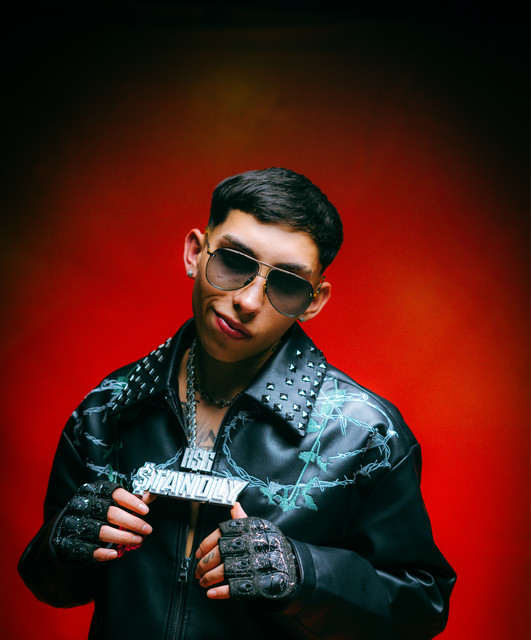
Standly
Mambo
Reggaeton Chileno
Chilean Trap
Download our mobile app
Get the Melodigging app and start digging for new genres on the go
Download on the App Store
Get it on Google Play
© 2026 Melodigging
Give feedback
Legal
Melodding was created as a tribute to
Every Noise at Once
, which inspired us to help curious minds keep digging into music's ever-evolving genres.