Genres
Artists
Albums
Make Music
Sign in
Sign in
Artists
J-Pop
Artists
J-Pop
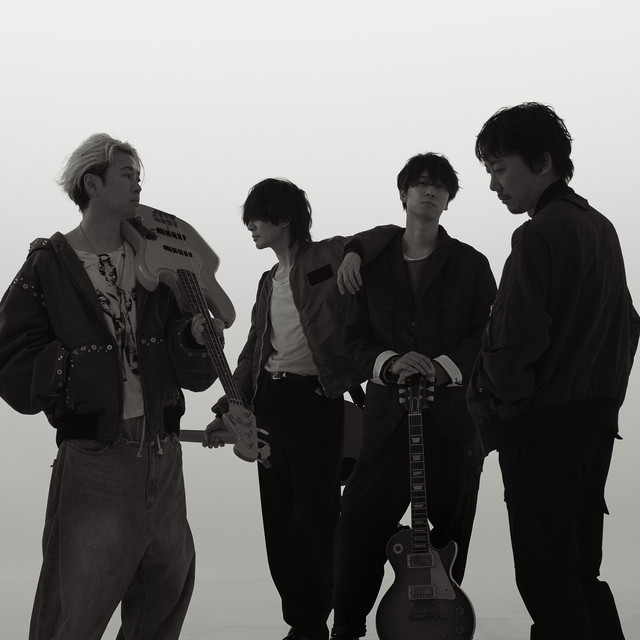
Dios
Listen
3
/5
Genres
Men Chika
Men chika (メン地下) is the Japanese underground male idol scene, made up of boy groups who perform high-energy J‑pop and dance-pop in small live houses, theaters, and idol events rather than on major mainstream stages. Musically it blends glossy J‑pop songwriting with club-ready EDM/electropop production, punchy hooks built for call-and-response, and chant breaks designed for wotagei/fan MIX participation. Songs commonly feature bright synths, four-on-the-floor or trap-inflected grooves, stacked gang shouts, and key‑change finales. Lyrically the focus is on youth, dreams, devotion, and intimacy with fans—reinforced by close-contact fan practices like cheki (instax photos) and meet-and-greets. Culturally, men chika parallels the long-running “chika idol” (underground idol) movement on the women’s side, but orients to a largely female fanbase and a circuit centered on Tokyo live houses and regional circuits. It is as much a participatory fan culture as it is a sound, shaping how songs are arranged, staged, and monetized.
Discover
Listen
Shimmer Pop
Shimmer pop is a glossy, hook-forward offshoot of indie pop that emphasizes bright, “glassy” textures and dreamy atmospheres. Its sound is defined by clean, chorus‑drenched guitars or twinkling synth arpeggios, lush pads, and wide, sparkling high‑end detail that gives the music a literal sense of shimmer. Production often merges retro new‑wave and synth‑pop colors with modern indietronica polish, pairing side‑chained synths and gated reverbs with crisp, contemporary drum programming. Melodies are unabashedly pop, while the lyrics frequently explore romantic longing, youthful nostalgia, and late‑night introspection. Tempos typically sit in the mid‑tempo range, with steady 4/4 grooves or lightly syncopated patterns that keep the music buoyant and danceable without becoming aggressive. The overall mood balances optimism and wistfulness, creating a sound that feels both neon‑bright and emotionally tender.
Discover
Listen
J-Pop
J-pop (Japanese pop) is a broad umbrella for mainstream Japanese popular music that blends Western pop/rock, dance, and R&B with distinctly Japanese songwriting, vocal delivery, and industry practices. It is characterized by strong hooks, polished production, bright synths and guitars, frequent key changes and modulatory bridges, and chorus-first or chorus-centric structures. J-pop spans idol groups, singer-songwriters, band-oriented pop-rock, electronic dance-pop, and R&B ballads, while remaining closely tied to television, advertising, video games, and anime tie-ins (anisong).
Discover
Listen
Japanese Indie
Japanese indie refers to Japan’s independent rock and pop scenes that developed outside the major-label idol system. It blends DIY production and small-label distribution with a wide palette of sounds, from jangly guitar pop and post‑punk angularity to dreamy shoegaze and lo‑fi recordings. The scene is anchored by “live houses” (small venues) around Tokyo (Shimokitazawa, Koenji, Shinjuku), Osaka, Kyoto, and Fukuoka. Artists often sing in Japanese (sometimes mixing English), with introspective, everyday-life lyrics and arrangements that prize dynamics, texture, and melody over flashy virtuosity. Aesthetically, Japanese indie inherits Western indie rock’s DIY ethos while retaining local melodic sensibilities shaped by kayōkyoku and city pop. Production ranges from 4‑track cassette grit to clean, minimal studio mixes, but the emphasis remains on authenticity, atmosphere, and the energy of the live circuit.
Discover
Listen
J-Rock
J-rock (Japanese rock) is the umbrella term for rock music created in Japan, spanning everything from classic rock, punk, and metal to alternative, indie, and progressive strains. It blends Western rock instrumentation and songcraft with Japanese melodic sensibilities, crisp production, and lyrics primarily in Japanese (often mixed with some English phrases). Typical features include hook-forward choruses, expressive guitar leads, tight rhythm sections, and dynamic arrangements that can pivot from delicate verses to big, anthemic refrains. Because of Japan’s media ecosystem, J-rock frequently intersects with anime, TV dramas, and video games, which helps bands reach mainstream audiences while retaining a band-centric, live-performance identity. Although stylistically diverse, J-rock commonly emphasizes memorable melodies, emotional catharsis, and precise musicianship, with influences ranging from British Invasion and classic rock to punk/new wave, progressive rock, and heavy metal.
Discover
Listen
Rock
Rock is a broad family of popular music centered on amplified instruments, a strong backbeat, and song forms that foreground riffs, choruses, and anthemic hooks. Emerging from mid‑20th‑century American styles like rhythm & blues, country, and gospel-inflected rock and roll, rock quickly expanded in scope—absorbing folk, blues, and psychedelic ideas—while shaping global youth culture. Core sonic markers include electric guitar (often overdriven), electric bass, drum kit emphasizing beats 2 and 4, and emotive lead vocals. Rock songs commonly use verse–chorus structures, blues-derived harmony, and memorable melodic motifs, ranging from intimate ballads to high‑energy, stadium‑sized performances.
Discover
Listen
Similar artists
4
/5
Eve
Utaite
Yakousei
J-Pop
4
/5
ZUTOMAYO
J-Pop
Japanese Indie
Yakousei
3
/5
Yoh kamiyama
Anime
J-Pop
J-Rock
4
/5
ヨルシカ
Japanese Indie
J-Pop
Anime
4
/5
Vaundy
Japanese Indie
J-Rock
Anime
4
/5
OFFICIAL HIGE DANDISM
J-Rock
Anime
J-Pop
4
/5
BABYMETAL
Idol Rock
Kawaii Metal
Alternative Metal
4
/5
Sheena Ringo
J-Pop
Art Pop
Rock
4
/5
BUMP OF CHICKEN
Anime
J-Pop
J-Rock
4
/5
Hitsujibungaku
Japanese Indie
Shoegaze
Anime
Download our mobile app
Get the Melodigging app and start digging for new genres on the go
Download on the App Store
Get it on Google Play
© 2026 Melodigging
Give feedback
Legal
Melodding was created as a tribute to
Every Noise at Once
, which inspired us to help curious minds keep digging into music's ever-evolving genres.