Genres
Artists
Albums
Make Music
Sign in
Sign in
Artists
Chamber Music
Artists
Chamber Music
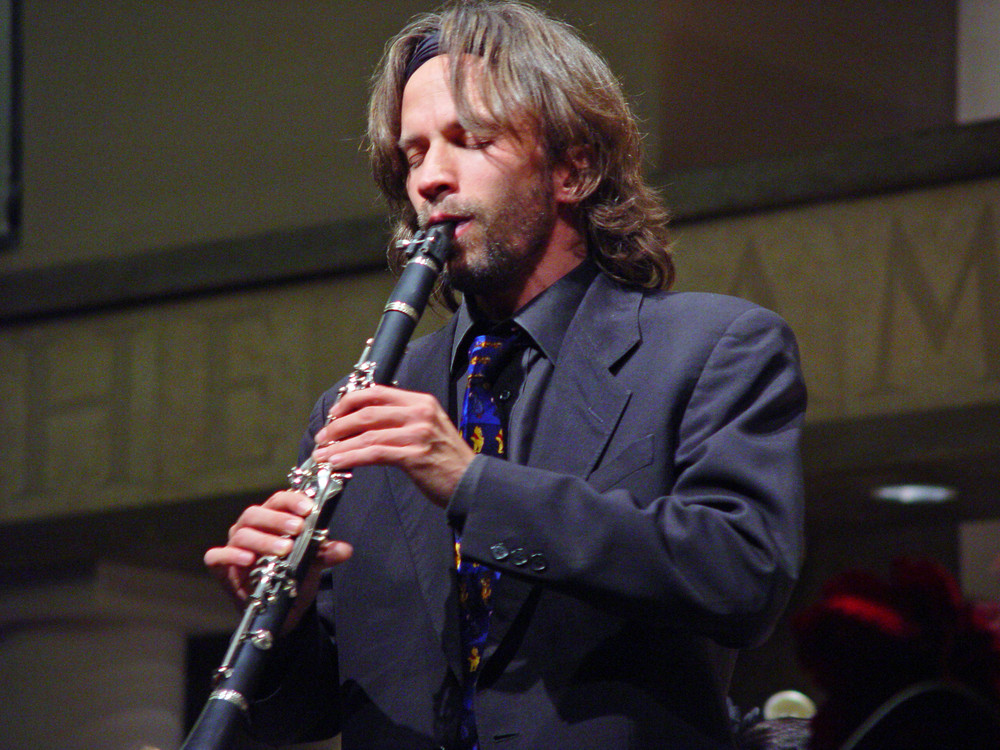
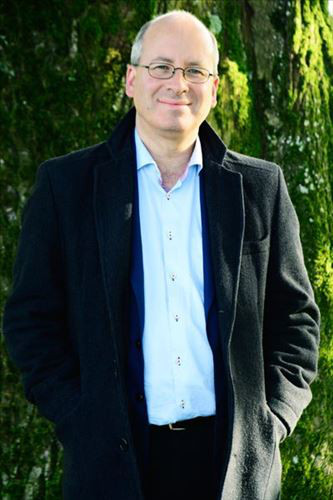
Dimitri Ashkenazy
1998
·
1 album
Listen
1
/5
Genres
Austro-German Modernism
Austro-German modernism is a current in early 20th‑century classical music centered in Vienna, Berlin, and other cultural hubs of the German‑speaking world. It is marked by the break with late‑Romantic tonality through chromatic saturation, atonality, and ultimately systematic twelve‑tone/serial procedures; a heightened, often expressionist intensity of gesture; concentrated motivic work; and refined attention to timbre (including Klangfarbenmelodie). While many composers retained or reimagined traditional forms, their harmonic language, rhythm, and orchestration pursued a radical new expressivity. Beyond its signature pitch techniques, the movement embraced new vocal practices (such as Sprechstimme), chamber ensembles of novel makeup, and an aesthetics that oscillated between ecstatic subjectivity and ascetic concentration. Its innovations set the groundwork for much of 20th‑ and 21st‑century concert music.
Discover
Listen
Concerto
A concerto is a large-scale composition that sets one or more solo instruments in dynamic dialogue with an orchestra. Its core idea is contrast—between soloist and tutti—and the dramatic negotiation of power, color, and thematic responsibility. While Baroque concertos often relied on ritornello form, the Classical era standardized a three-movement plan (fast–slow–fast) with sonata principles in the opening movement. The Romantic period emphasized virtuosity and expressive foregrounding of the soloist, and the 20th–21st centuries broadened the palette with new instruments, harmonies, and formats. Across eras, the concerto remains a showcase for instrumental character, technical brilliance, and the art of orchestral conversation.
Discover
Listen
Chamber Music
Chamber music is a tradition of composed music for small ensembles—typically one player per part—intended for intimate spaces such as courts, salons, and private rooms rather than large public halls. Its aesthetic emphasizes clarity of texture, conversational interplay among parts, and balance without a conductor. Hallmark formations include the string quartet, piano trio, wind quintet, string quintet, and various mixed ensembles. Multi‑movement cycles (often in sonata form) and finely wrought counterpoint are common, ranging from Baroque trio sonatas to Classical string quartets and modern works with expanded timbres and techniques. Because of its scale and transparency, chamber music has long been a proving ground for compositional craft and ensemble musicianship, shaping the core of Western art music from the Baroque through the present.
Discover
Listen
Albums
1998
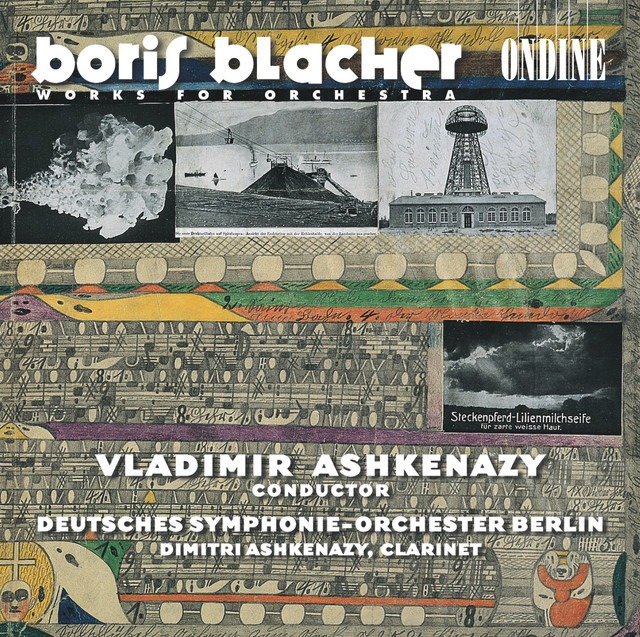
Blacher, B.: Concertante Musik / Furstin Tarakanowa Suite / 2 Inventions / Music for Cleveland / Clarinet Concerto
Boris Blacher, Dimitri Ashkenazy, Vladimir Ashkenazy
Austro-German Modernism
Similar artists
Hide discovered
4
/5
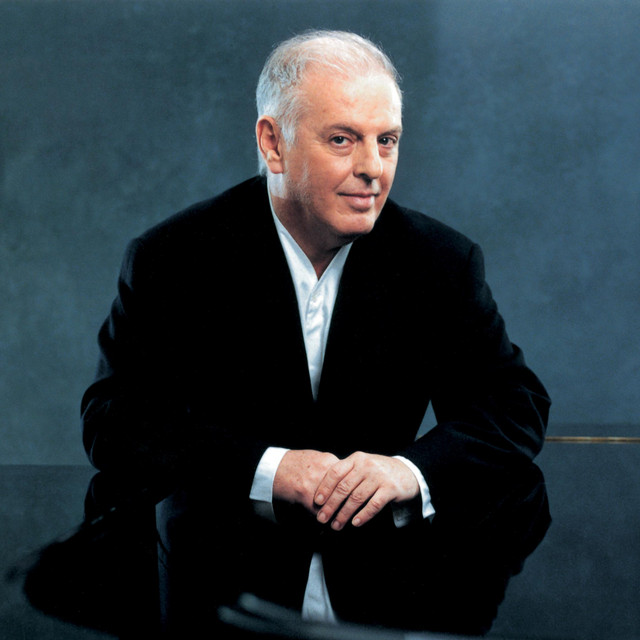
Daniel Barenboim
Classical
Concerto
Opera
3
/5
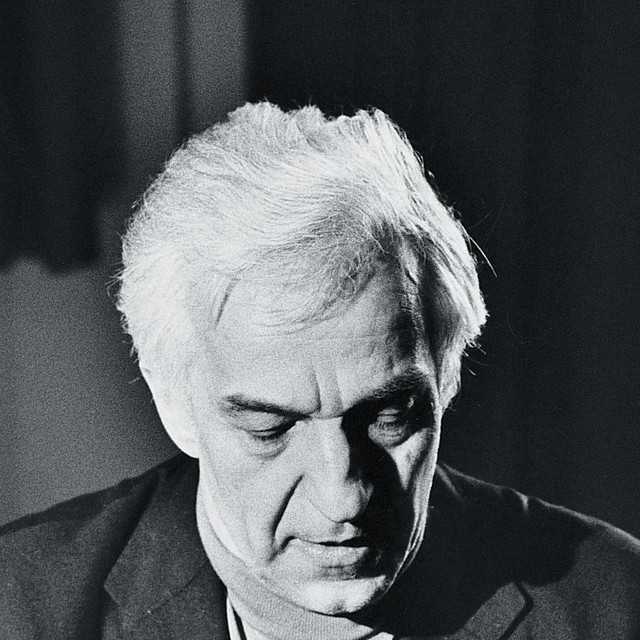
Vladimir Ashkenazy
Concerto
Chamber Music
Classical
3
/5
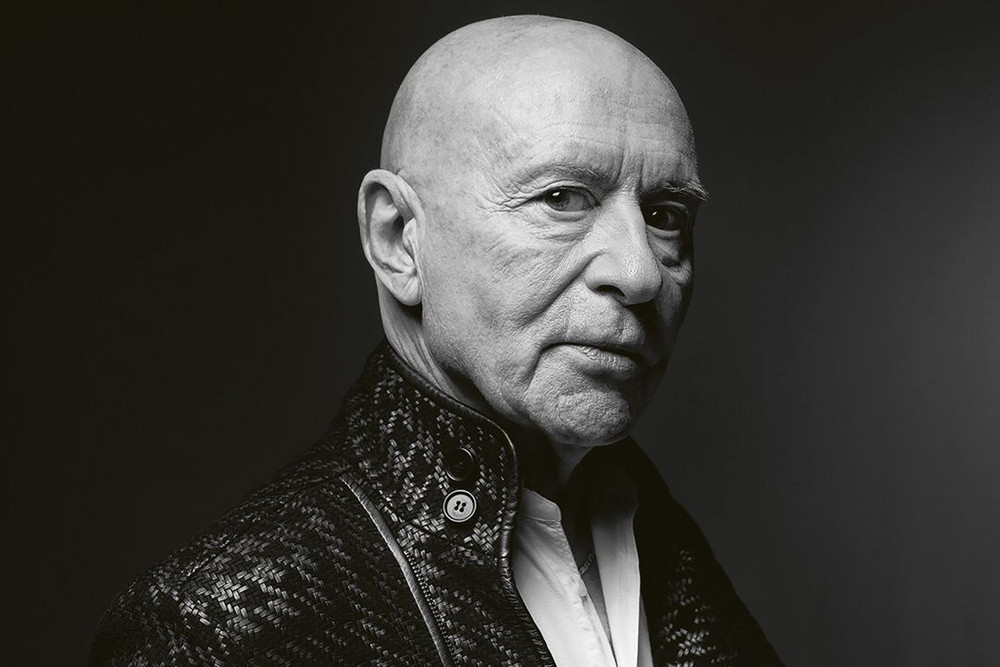
Christoph Eschenbach
Chamber Music
Classical
Classical Piano
2
/5
Munich Chamber Orchestra
Classical
Baroque
Chamber Music
2
/5
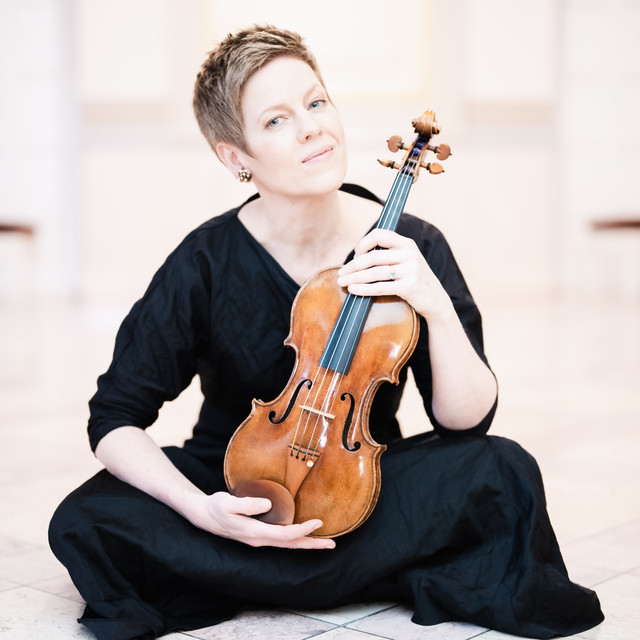
Isabelle Faust
Classical
Baroque
Chamber Music
2
/5
Christoph Poppen
Baroque
Chamber Music
Concerto
2
/5
Paul Meyer
Chamber Music
Concerto
Austro-German Modernism
2
/5
Oliver Triendl
Chamber Music
Concerto
Impressionism
4
/5
Wolfgang Amadeus Mozart
Classical
Requiem
Classical Period
4
/5
Johann Sebastian Bach
Baroque
Classical
Baroque Suite
Download our mobile app
Get the Melodigging app and start digging for new genres on the go
Download on the App Store
Get it on Google Play
© 2026 Melodigging
Give feedback
About & FAQ
Legal
Melodding was created as a tribute to
Every Noise at Once
, which inspired us to help curious minds keep digging into music's ever-evolving genres.