Genres
Artists
Albums
Make Music
Sign in
Sign in
Artists
Keroncong
Artists
Keroncong
Dian Piesesha
1982–2020
·
7 albums
Listen
3
/5
Genres
Indonesian City Pop
Indonesian city pop is a sleek, urban strain of Indonesian popular music that blends the smooth harmonies and polished studio craft of Japanese city pop with local 1980s pop, jazz-funk, AOR, disco, and soft rock aesthetics. Characterized by silky major 7th chords, buoyant basslines, crisp drum machines, glossy synths (e.g., DX7/Juno), electric piano (Rhodes), and sax or guitar solos, the style evokes neon-lit nightlife, coastal drives, and metropolitan romance. Lyrically, it gravitates toward love, longing, and aspirational urban lifestyles, delivered with urbane, radio-friendly melodies in Bahasa Indonesia. After its original peak in the 1980s, the sound re-emerged in the late 2010s through reissues, online discovery, and a new generation of Indonesian artists and producers who revived and modernized its feel for contemporary audiences.
Discover
Listen
Pop Kreatif
Pop kreatif is an Indonesian movement of sophisticated, studio-driven pop that blossomed in the 1980s. It blends Western jazz-fusion, funk, AOR/soft rock, disco, synth-pop, and new wave textures with Indonesian melodic sensibilities and highly crafted arrangements. Characterized by polished production, lush chord extensions (maj7, add9, 11), tasteful modulations, and tight rhythm-section interplay, pop kreatif foregrounds arranger-composers and session players as much as star vocalists. Its songs often evoke urban life, romance, and metropolitan polish, pairing smooth vocal delivery with DX7/Rhodes keyboards, chorus-laden guitars, string or horn sections, and syncopated funk/disco grooves. The result is a distinctly Indonesian “creative pop” that sits at the crossroads of artful songwriting and mainstream accessibility, comparable in spirit to Japan’s city pop while retaining its own idiomatic flair.
Discover
Listen
Dangdut
Dangdut is a popular Indonesian dance music that blends Malay orkes Melayu roots with Indian film-music melodicism, Arabic ornamentation, and Western pop/rock arrangement. Its onomatopoeic name comes from the low “dang” and high “dut” strokes of the hand drum pattern, evoking tabla/dholak- or kendang-like timbres. Typical ensembles combine traditional instruments (kendang, suling/flute) with electric guitars, keyboards, bass, and modern drum kits. Vocals are melismatic and expressive, often featuring call-and-response with the audience, and lyrics span romance, everyday life, moral reflection, and social commentary. On stage, dangdut is festive and participatory, with signature dance moves (goyang) and a strong emphasis on groove.
Discover
Listen
Indonesian Pop
Indonesian pop (often called Pop Indo) blends Western pop songwriting with local tastes, producing radio-friendly songs built around memorable hooks, emotive vocals, and polished arrangements. Stylistically, it favors verse–pre‑chorus–chorus structures, mid‑tempo grooves, and lyrical themes of love, longing, and everyday life, typically sung in Bahasa Indonesia. While rooted in global pop, it often draws color from Indonesian traditions (e.g., keroncong timbres, dangdut phrasing) and, in different eras, from disco, soft rock, R&B, and more recently J‑pop/K‑pop production touches. The result is a melodic, accessible sound that feels both cosmopolitan and distinctly Indonesian.
Discover
Listen
Indonesian Jazz
Indonesian jazz is the practice of jazz developed in Indonesia that fuses the idioms of American jazz (swing, bebop, cool, fusion) with local musical languages such as keroncong, gamelan (slendro/pelog), Sundanese/Minangkabau rhythmic feels, and, in later decades, elements from dangdut and pop. It typically features the harmonic richness and improvisation of jazz—extended chords, ii–V–I cadences, head–solo–head forms—while incorporating Indonesian timbres (suling bamboo flute, kendang hand drums, kacapi zither, metallophones) and modal colors. The result ranges from intimate acoustic small‑combo jazz to electric jazz‑fusion with indigenous percussion and scales.
Discover
Listen
Pop
Pop is a broad, hook-driven style of popular music designed for wide appeal. It emphasizes memorable melodies, concise song structures, polished vocals, and production intended for radio, charts, and mass media. While pop continually absorbs elements from other styles, its core remains singable choruses, accessible harmonies, and rhythmic clarity. Typical forms include verse–pre-chorus–chorus, frequent use of bridges and middle-eights, and ear-catching intros and outros. Pop is not defined by a single instrumentation. It flexibly incorporates acoustic and electric instruments, drum machines, synthesizers, and increasingly digital production techniques, always in service of the song and the hook.
Discover
Listen
Keroncong
Keroncong is an Indonesian popular/folk genre with deep roots in Portuguese musical traditions that took shape in urban Java during the late 19th and early 20th centuries. It blends European harmony and song forms with Indonesian melodic sensibilities and poetic expression. The classic ensemble features the cak (a small, high‑pitched ukulele playing off‑beat staccato chords), the cuk (a slightly larger ukulele providing on‑beat support), a nylon‑string guitar with arpeggiated patterns, pizzicato cello outlining a distinctive "ding‑dung" rhythmic ostinato, double bass, violin, and flute. Vocals are lyrical and ornamented, often conveying nostalgia, romance, and patriotism. Keroncong uses mostly diatonic harmony (I–IV–V with secondary dominants), moderate tempos, and a supple swing that can lean toward habanera or waltz feels. Its most famous repertoire includes evergreen songs such as Bengawan Solo, and it remains a cultural emblem of Indonesia’s cosmopolitan past and present.
Discover
Listen
Ballad
A ballad is a narrative song form that tells a story in simple, singable stanzas, traditionally using quatrains in ballad meter (alternating lines of iambic tetrameter and trimeter with an ABCB rhyme scheme). Ballads typically recount dramatic events—love, betrayal, tragedy, murder, the supernatural—or notable historical incidents. Early ballads were often sung unaccompanied or with minimal accompaniment, carried by memorable, modal melodies and refrains that aided oral transmission. Over time, the term also came to describe slow, sentimental popular songs in the 20th century, but the core of the genre remains the storytelling focus and strophic, easily learned structure. Ballads are central to the English- and Scots-language folk traditions, migrated to North America where they flourished in Appalachian singing, and continue to be performed, adapted, and reinterpreted in contemporary folk and roots scenes.
Discover
Listen
Show all 8 genres
Albums
2020
2
/5
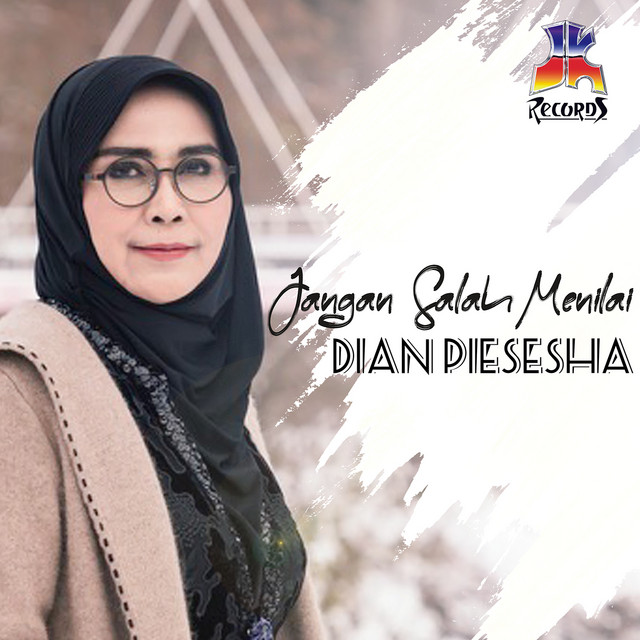
Jangan Salah Menilai
Dian Piesesha
Keroncong
Indonesian City Pop
1991
2
/5
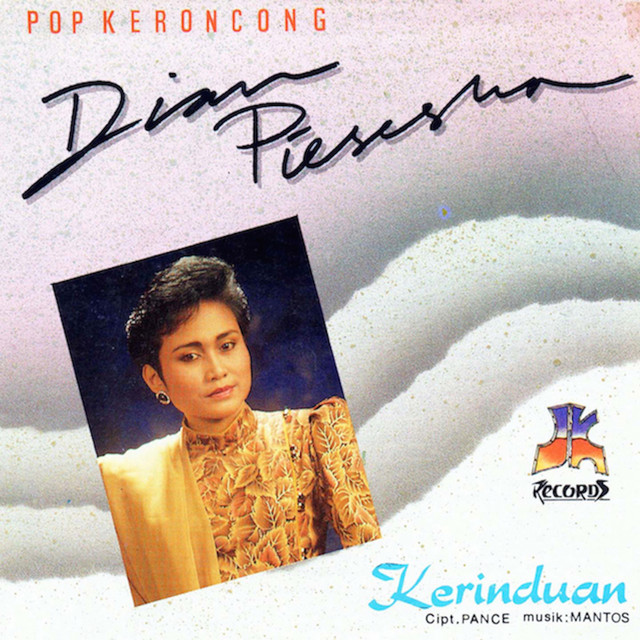
Keroncong Kerinduan
Dian Piesesha
Keroncong
1989
3
/5
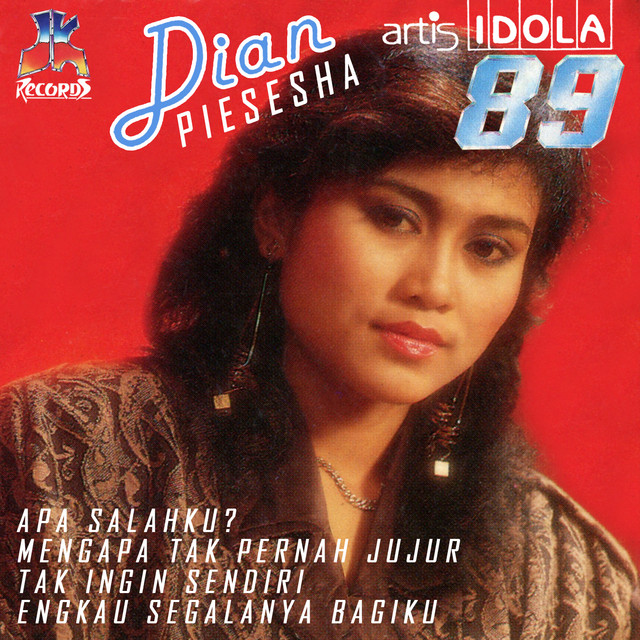
Artis Idola 89 Dian Piesesha
Dian Piesesha
Keroncong
Indonesian City Pop
1987
3
/5
Mengapa Tak Pernah Jujur
Dian Piesesha
Keroncong
Indonesian City Pop
1986
2
/5
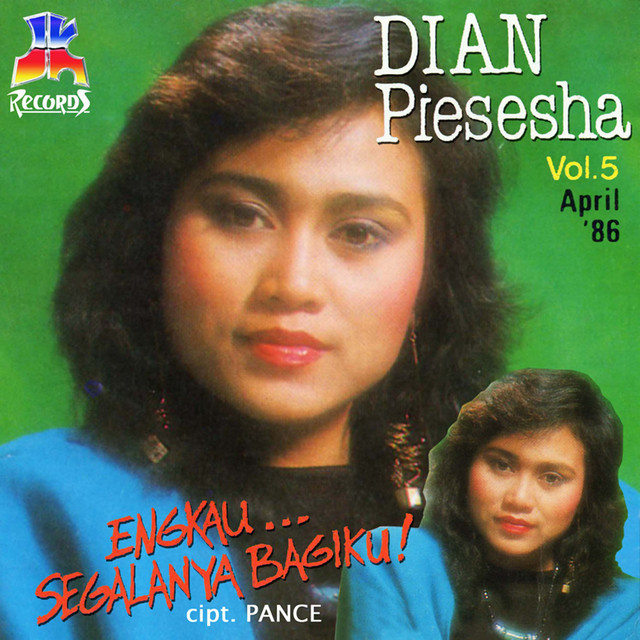
Engkau Segalanya Bagiku
Dian Piesesha
Keroncong
1984
3
/5
Tak Ingin Sendiri
Dian Piesesha
Keroncong
1982
1
/5
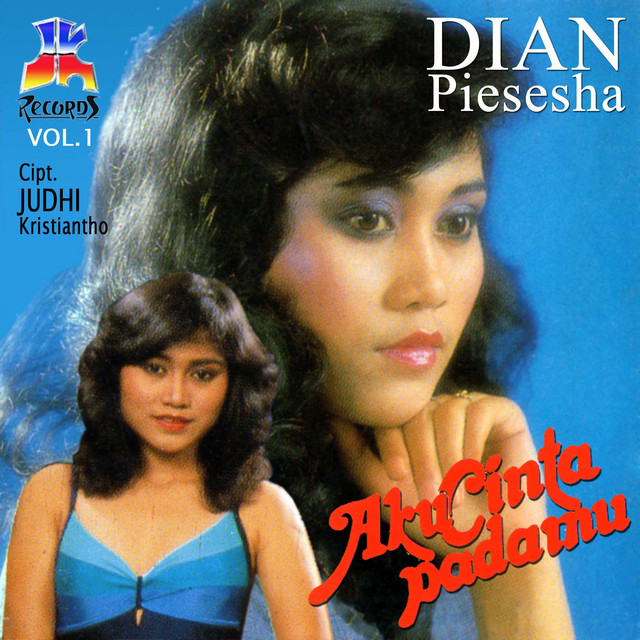
Aku Cinta Padamu
Dian Piesesha
Keroncong
Similar artists
3
/5
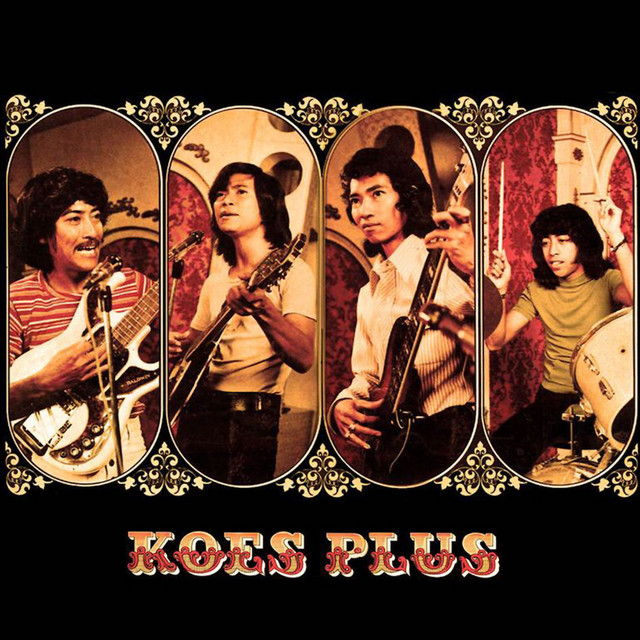
Koes Plus
Dangdut
Indonesian Pop
Indonesian Rock
3
/5
Jamal Mirdad
Dangdut
Indonesian City Pop
Indonesian Jazz
3
/5
Hetty Koes Endang
City Pop
Dangdut
Indonesian Jazz
2
/5
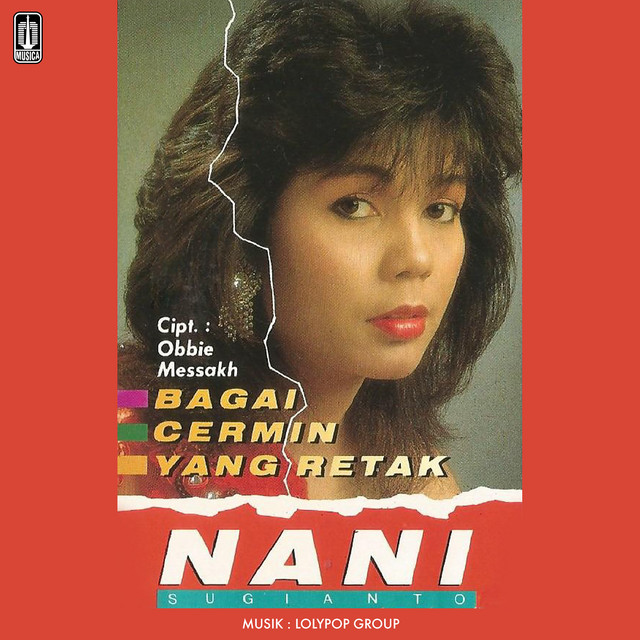
Nani Sugianto
Indonesian City Pop
City Pop
Indonesian Jazz
3
/5
Vina Panduwinata
Pop Kreatif
Indonesian City Pop
City Pop
3
/5
Sheila Majid
Indonesian City Pop
City Pop
Indonesian Jazz
3
/5
Rafika Duri
Bossa Nova
Pop Kreatif
Indonesian City Pop
3
/5
Reza Artamevia
Indonesian City Pop
Indonesian Jazz
Indonesian Pop
3
/5
Ebiet G. Ade
Dangdut
Indonesian Jazz
Indonesian Pop
3
/5
Betharia Sonatha
Classic Indo Pop
Batak
Indonesian Jazz
Download our mobile app
Get the Melodigging app and start digging for new genres on the go
Download on the App Store
Get it on Google Play
© 2026 Melodigging
Give feedback
Legal
Melodding was created as a tribute to
Every Noise at Once
, which inspired us to help curious minds keep digging into music's ever-evolving genres.