Genres
Artists
Albums
Make Music
Sign in
Sign in
Artists
Ashkenazi Cantorial Music
Artists
Ashkenazi Cantorial Music
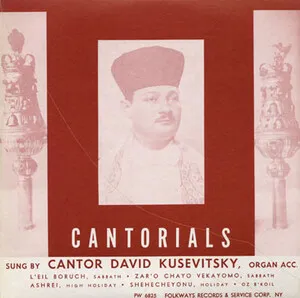
David Kusevitsky
1951
·
1 album
Listen
Genres
Ashkenazi Cantorial Music
Ashkenazi cantorial music is the liturgical vocal art of the Ashkenazi Jewish synagogue, led by a trained cantor (hazzan). It is built on the nusach—the modal and motivic system that encodes time, place, and liturgical function—together with biblical cantillation patterns and a highly ornamented, improvisatory delivery. Its sound world features melismatic lines, free-rubato recitative, dramatic leaps, sob-like timbral ornaments called krekhts, and characteristic modes such as Ahavah Rabbah (Phrygian dominant), Adonai Malach (a major/Mixolydian family), and Magein Avot (minor). Performances range from unaccompanied solo prayer to responses with a choir and, in some Western and modern settings, organ or small ensemble. The texts are in Hebrew and Aramaic, and the music serves the liturgy rather than concert display, even when it reaches great virtuosity.
Discover
Listen
Chazzanut
Chazzanut is the tradition of Jewish cantorial chant used by the chazzan, or cantor, in synagogue prayer. It is a vocal liturgical art centered on the recitation, chanting, and semi-improvised melodic elaboration of Hebrew prayers, scriptural passages, and other sacred texts within Jewish worship. The style is especially associated with Ashkenazi synagogue practice, though cantorial traditions exist across many Jewish communities. In common English usage, "chazzanut" usually refers to the developed Eastern and Central European cantorial tradition that grew into a highly expressive solo vocal form. Musically, chazzanut combines ancient prayer modes, formulaic melodic patterns, free-rhythm declamation, ornate melisma, emotional intensity, and moments of dramatic vocal display. Depending on the prayer, it may move between intimate, speech-like delivery and highly elaborated, virtuosic singing. Its purpose is devotional rather than secular entertainment: the cantor serves as a musical-spiritual leader who gives shape, emotion, and communal accessibility to the liturgy.
Discover
Listen
Ashkenazi Music
Ashkenazi music is the broad musical tradition of Jews from the medieval German lands and, later, Eastern Europe. It spans sacred chant and cantorial practice (khazones), devotional nigunim (wordless melodies), and a rich secular repertoire of Yiddish folk song and dance tunes. Its sound world draws on synagogue nusach (modal prayer formulas) and characteristic modes such as Ahava Rabbah/Freygish (Phrygian dominant) and Ukrainian Dorian, alongside Eastern and Central European folk idioms. Ornamented, melismatic vocal lines, heterophonic textures, and expressive rubato (as in the doina) are common. Instrumentally, the clarinet, violin, tsimbl (hammered dulcimer), accordion, and brass became central—especially in dance forms like freylekhs, bulgar, hora, sher, and khosidl. Lyrically, Yiddish and Hebrew texts range from pious yearning and mystical ecstasy to sharp social observation and celebration of communal life.
Discover
Listen
Albums
1951
1
/5
Cantorials
Cantor David Kusevitsky
Ashkenazi Cantorial Music
Chazzanut
Ashkenazi Music
Similar artists
2
/5
Paul Zim
Children's Music
Ashkenazi Cantorial Music
Chazzanut
1
/5
Richard Tucker
Chazzanut
Opera
Ashkenazi Cantorial Music
1
/5
Yossele Rosenblatt
Muzika Mizrahit
Ashkenazi Cantorial Music
Chazzanut
1
/5
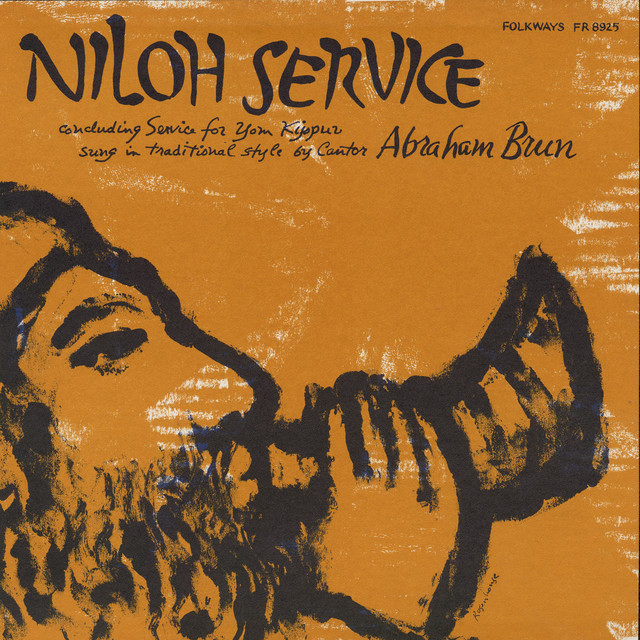
Cantor Abraham Brun
Jewish Liturgical Music
Chazzanut
Ashkenazi Cantorial Music
1
/5
Berele Chagy
Muzika Mizrahit
Ashkenazi Cantorial Music
Chazzanut
3
/5
Nigel Kennedy
Classical
Ashkenazi Music
Balkan Folk Music
3
/5
Yom
French Jazz
Ashkenazi Music
Jewish Music
2
/5
Oi Va Voi
Trip Hop
Ashkenazi Music
Downtempo
2
/5
Kroke
Klezmer
Ashkenazi Music
Tango
2
/5
Giora Feidman
Klezmer
Hasidic Music
Nigun
Download our mobile app
Get the Melodigging app and start digging for new genres on the go
Download on the App Store
Get it on Google Play
© 2026 Melodigging
Give feedback
Legal
Melodding was created as a tribute to
Every Noise at Once
, which inspired us to help curious minds keep digging into music's ever-evolving genres.