Genres
Artists
Albums
Make Music
Sign in
Sign in
Artists
Cumbia Villera
Artists
Cumbia Villera
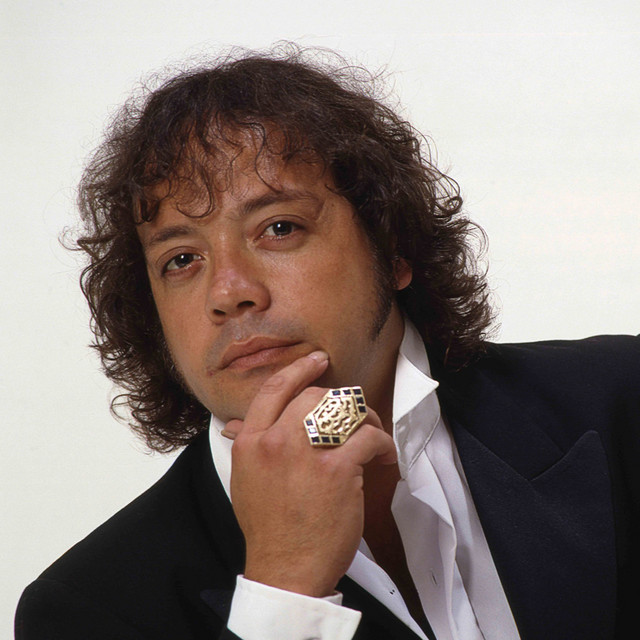
Dalila
2007–2020
·
4 albums
Listen
3
/5
Genres
Kurdish Remix
Kurdish remix refers to dance‑oriented reworks that fuse Kurdish folk melodies, dance rhythms (often from halay/dîlan traditions), and timbres (saz/tembûr, daf, davul, zurna) with contemporary electronic production—house, techno, trap and related club idioms. The result is a high‑energy, bass‑forward sound that keeps the cyclic, modal character of Kurdish tunes while translating them for clubs, weddings, and social media. The style grew online via SoundCloud/YouTube playlists labelled “Kurdish Trap/Remix” and later entered mainstream DSPs, where dedicated artists and DJ accounts issue steady singles and “modern covers.” Typical tracks loop folkloric vocal lines or saz riffs over 4/4 kicks or half‑time 808s, add build‑ups/drops, and keep a communal, call‑and‑response feel suited to line dances. Instruments such as the tembûr (tanbūr) and frame‑drum daf remain touchstones—even when emulated with synths—while halay’s accelerating, pulse‑driven phrasing informs the groove. The genre sits within a wider West Asian club current that includes dabke‑techno and Turkish/Arab electronic hybrids.
Discover
Listen
Cumbia Villera
Cumbia villera is an Argentine subgenre of cumbia that emerged in the late 1990s from the working-class "villas miseria" (informal settlements) around Buenos Aires. It is characterized by punchy, low-cost keyboards, simple but driving drum-machine beats, a prominent electric bass, and gritty, conversational vocals. Lyrically, it often addresses everyday barrio life—parties, love and heartbreak, football fandom, encounters with police, crime, drugs, and survival—with slang-heavy storytelling and a mix of bravado and melancholy. Musically, it keeps the core cumbia groove while favoring catchy synth riffs over traditional accordion lines, resulting in dance-floor energy with a raw, street-level aesthetic.
Discover
Listen
Cumbia Argentina
Cumbia argentina is the Argentine adaptation of Colombian cumbia that took root in the 1960s and evolved into a family of local styles. It blends the syncopated cumbia groove with regional tastes, instrumentation, and social realities in Argentina, producing variants such as the accordion‑led cumbia santafesina, the synth‑driven and street‑narrative cumbia villera, and radio‑friendly cumbia pop. Typical arrangements feature the cumbia beat on drum kit or programmed drums, congas and güiro driving the off‑beat swing, bass guitar outlining a steady tumbao, and lead voices supported by call‑and‑response coros. Depending on the substyle, melodies are carried by accordion, electric guitar, or bright keyboards. Lyrics range from romantic stories and dancefloor invitations to depictions of barrio life, celebration, and struggle. The result is a dance music that is both festive and deeply tied to Argentine urban and provincial identities.
Discover
Listen
Cuarteto
Cuarteto is a high-energy dance music from Córdoba, Argentina, built on a brisk duple-meter "tunga-tunga" groove that emphasizes a driving bass-and-chord pattern. Its core instrumentation historically featured a quartet—piano, accordion, violin, and bass—from which the style takes its name. Over time, drum kit, congas/timbales, and synthesizers expanded its sonic palette, while the piano’s left-hand ostinato and buoyant bass line remained central. Characterized by catchy melodies, simple diatonic harmonies, and verse–chorus forms designed for continuous dancing, cuarteto’s lyrics typically revolve around romance, nightlife, working-class pride, and Cordobés slang and humor.
Discover
Listen
Cumbia
Cumbia is a syncretic dance-music tradition from Colombia’s Caribbean coast that blends African rhythmic heritage, Indigenous (especially gaita flute) melodic practice, and Spanish colonial instrumentation and forms. Traditionally performed in a moderate 2/4 (often felt in 4/4 today), it features interlocking hand-drum parts (tambora, alegre, llamador), guacharaca or maracas for steady texture, and long cane flutes (gaita hembra and gaita macho) carrying call-and-response melodies. As it spread in the 20th century, orchestras and dance bands added accordion, horns, piano, bass, and later electric guitar and synthesizers, creating urban and pan–Latin American variants. Harmonically simple and rhythm-forward, cumbia places groove, ostinati, and vocal refrains at the center, making it both ceremonial in origin and enduringly popular on social dance floors across the Americas.
Discover
Listen
Albums
2020
1
/5
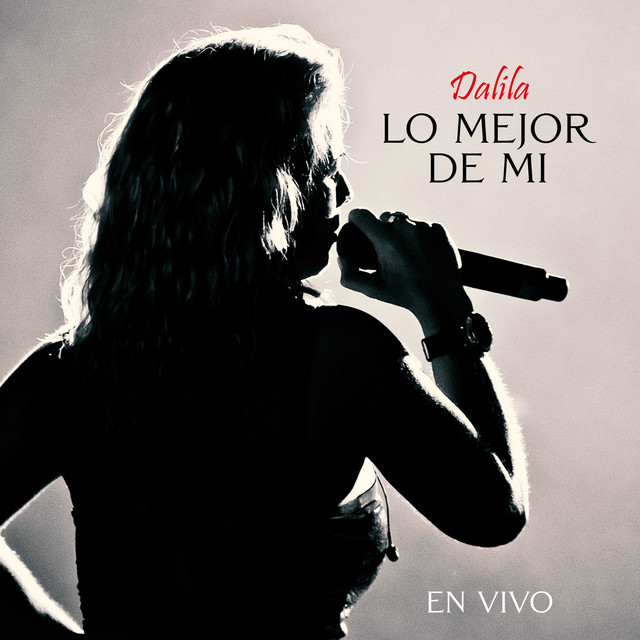
Lo Mejor de Mi (En Vivo)
Dalila
Cumbia Villera
2013
3
/5
Muero por Ti
Dalila
Cumbia Villera
Cuarteto
2012
2
/5
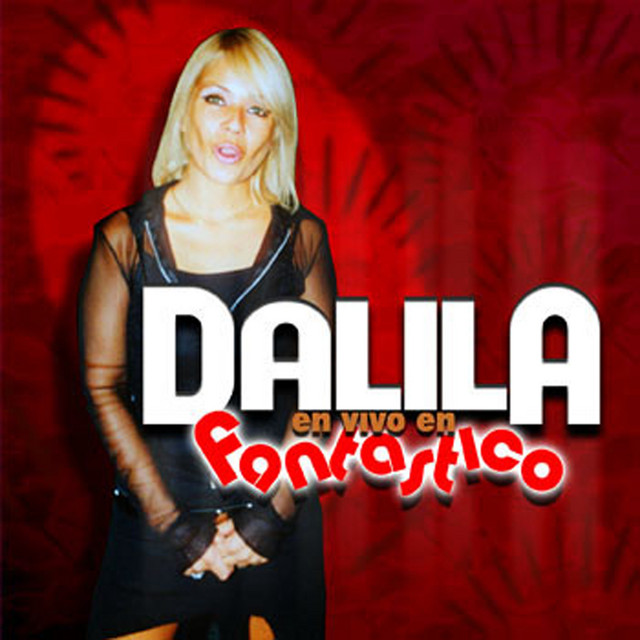
En Vivo en Fantástico
Dalila
Cumbia Villera
2007
3
/5
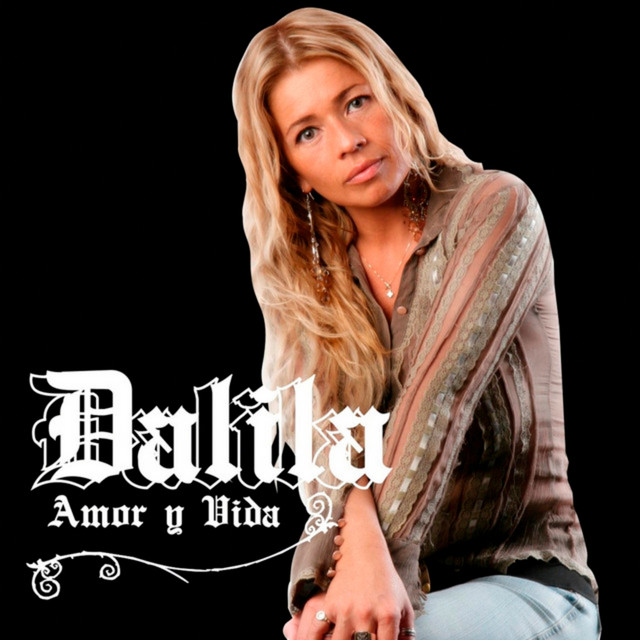
Amor y Vida
Dalila
Cumbia Villera
Similar artists
4
/5
Damas Gratis
Cumbia Villera
Cumbia Argentina
Cumbia 420
4
/5
Leo Mattioli
Cumbia Santafesina
Cumbia Villera
Cuarteto
3
/5
Yerba Brava
Cumbia
Cumbia Villera
Cuarteto
3
/5
Los Pibes Chorros
Cumbia
Cumbia Villera
Cumbia Argentina
4
/5
Rafaga
Cuarteto
Cumbia
Cumbia Chilena
3
/5
Gilda
Cumbia
Cumbia Argentina
Cuarteto
3
/5
Mala Fama
Cumbia
Cuarteto
Cumbia Argentina
4
/5
Nestor En Bloque
Cumbia 420
Cuarteto
Cumbia
3
/5
Agrupación Marilyn
Cumbia Chilena
Cuarteto
Cumbia
3
/5
Los Turros
Cuarteto
Cumbia
Previa
Download our mobile app
Get the Melodigging app and start digging for new genres on the go
Download on the App Store
Get it on Google Play
© 2026 Melodigging
Give feedback
Legal
Melodding was created as a tribute to
Every Noise at Once
, which inspired us to help curious minds keep digging into music's ever-evolving genres.