Genres
Artists
Albums
Make Music
Sign in
Sign in
Artists
Trash Rock
Artists
Trash Rock
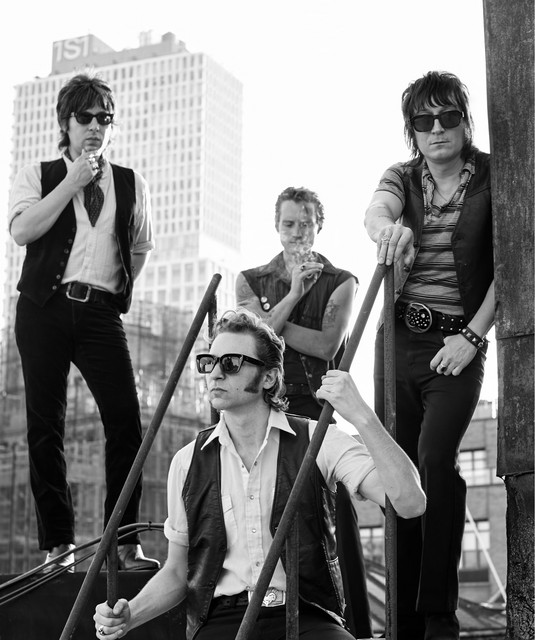
DADDY LONG LEGS
2019
·
2 albums
Listen
2
/5
Genres
Trash Rock
Trash rock is a raw, raucous strain of garage-rooted rock ’n’ roll that revels in low‑fidelity recording, overdriven guitars, and unpretentious, party-forward energy. It embraces the “trash” aesthetic in both sound and imagery: fuzzed-out riffs, pounding two-and-four backbeats, Farfisa/organ stabs or honking sax, shout‑along choruses, and a blown‑speaker mix that feels more like a basement or dive bar than a pristine studio. Stylistically, it pulls heavily from 1950s rock and roll, 1960s garage, surf, and frat rock, filtered through the attitude of late-1970s/1980s punk and proto‑punk. Songs are short, hooky, and deliberately primitive—often built on I–IV–V changes, blues scales, and stomping rhythms—while lyrics celebrate B‑movies, hot rods, lust, mischief, and general teenage delinquency. The result is a high-octane, danceable, and gloriously unrefined form of rock made for sweaty rooms and wild nights.
Discover
Listen
Garage Punk Blues
Garage punk blues is a raw, high-energy rock style that fuses the primitive urgency of garage punk with the riff language, swagger, and call-and-response attitude of electric blues. It typically features overdriven guitars, simple but hooky riffs, driving backbeats, and vocals that lean more toward shouting, sneering, and yelping than polished singing. The sound is intentionally lo-fi or rough-edged, emphasizing feel, grit, and immediacy over technical precision, while keeping blues-based phrasing and pentatonic vocabulary at its core.
Discover
Listen
Alternative
Alternative is an umbrella term for non-mainstream popular music that grew out of independent and college-radio scenes. It emphasizes artistic autonomy, eclectic influences, and a willingness to subvert commercial formulas. Sonically, alternative often blends the raw immediacy of punk with the mood and texture of post-punk and new wave, adding elements from folk, noise, garage, and experimental rock. While guitars, bass, and drums are typical, production ranges from lo-fi to stadium-ready, and lyrics tend toward introspection, social critique, or surreal storytelling. Over time, “alternative” became both a cultural stance and a market category, spawning numerous substyles (alternative rock, alternative hip hop, alternative pop, etc.) and moving from underground circuits to mainstream prominence in the 1990s.
Discover
Listen
Lo-Fi
Lo-fi is a music aesthetic and genre defined by an embrace of audible imperfections—tape hiss, clipping, room noise, distorted transients, and uneven performance—that would be treated as errors in high-fidelity recording. Emerging from the DIY ethos of American indie and punk scenes, lo-fi turns budget constraints and home-recording limitations into a signature sound. Songs are often intimate, direct, and unvarnished, prioritizing immediacy and personality over polish. Typical lo-fi recordings use 4-track cassette or similarly modest setups, simple chord progressions, and understated vocals, spanning rock, folk, pop, and experimental approaches while retaining a homemade warmth and nostalgic patina.
Discover
Listen
Blues Rock
Blues rock is a guitar-driven style that fuses the raw feeling and 12‑bar structures of the blues with the power, volume, and rhythmic punch of rock. It emphasizes riff-based songs, pentatonic and blues-scale soloing, call‑and‑response between voice and guitar, and an expressive, often gritty vocal delivery. Typical ensembles are power trios (guitar, bass, drums) or quartet formats adding second guitar, keyboards, or harmonica, and performances commonly feature extended improvisation. Sonically, it favors overdriven tube-amp tones, sustained bends, vibrato, and dynamic contrasts, moving from shuffles and boogies to straight‑eighth rock grooves.
Discover
Listen
Garage Rock
Garage rock is a raw, energetic style of rock music that emerged in the mid-1960s from local scenes across North America. Typically performed by amateur or semi-professional teenage bands in basements and suburban garages, the sound is unpolished and immediate, favoring feel over finesse. Its hallmarks include distorted guitars, pounding drums, simple chord progressions (often I–IV–V), prominent Farfisa/Vox organ riffs, and shouted, attitude-heavy vocals. Songs are short, hooky, and driven by rhythmic urgency, with lyrics about teenage love, boredom, rebellion, and swagger. The style became a direct ancestor of proto-punk and punk rock, prized for its do-it-yourself spirit and visceral impact.
Discover
Listen
Rock
Rock is a broad family of popular music centered on amplified instruments, a strong backbeat, and song forms that foreground riffs, choruses, and anthemic hooks. Emerging from mid‑20th‑century American styles like rhythm & blues, country, and gospel-inflected rock and roll, rock quickly expanded in scope—absorbing folk, blues, and psychedelic ideas—while shaping global youth culture. Core sonic markers include electric guitar (often overdriven), electric bass, drum kit emphasizing beats 2 and 4, and emotive lead vocals. Rock songs commonly use verse–chorus structures, blues-derived harmony, and memorable melodic motifs, ranging from intimate ballads to high‑energy, stadium‑sized performances.
Discover
Listen
Soul
Soul is a genre of popular music that blends the spiritual fervor and vocal techniques of African‑American gospel with the grooves and song forms of rhythm & blues and the harmonic palette of jazz and blues. It is defined by impassioned, melismatic lead vocals; call‑and‑response with backing singers; handclaps and a strong backbeat; syncopated bass lines; and memorable horn or string riffs. Typical instrumentation includes drum kit, electric bass, electric guitar, piano or Hammond organ, horns (trumpet, saxophone, trombone), and sometimes orchestral strings. Lyrically, soul ranges from love and heartbreak to pride, social commentary, and spiritual yearning. Regionally distinct scenes—such as Detroit’s Motown, Memphis/Stax, Muscle Shoals, Chicago, New Orleans, and Philadelphia—shaped different flavors of soul, while the style’s emotional directness and rhythmic drive made it a cornerstone of later funk, disco, contemporary R&B, and hip hop.
Discover
Listen
Blues
Blues is an African American musical tradition defined by expressive "blue notes," call-and-response phrasing, and a characteristic use of dominant-seventh harmony in cyclical song forms (most famously the 12‑bar blues). It is as much a feeling as a form, conveying sorrow, resilience, humor, and hard-won joy. Musically, blues commonly employs the I–IV–V progression, swung or shuffled rhythms, and the AAB lyric stanza. Melodies lean on the minor/major third ambiguity and the flattened fifth and seventh degrees. Core instruments include voice, guitar (acoustic or electric), harmonica, piano, bass, and drums, with slide guitar, bends, and vocal melismas as signature techniques. Over time the blues has diversified into regional and stylistic currents—Delta and Piedmont country blues, urban Chicago and Texas blues, West Coast jump and boogie-woogie—while profoundly shaping jazz, rhythm & blues, rock and roll, soul, funk, and much of modern popular music.
Discover
Listen
Show all 9 genres
Albums
2019
2
/5
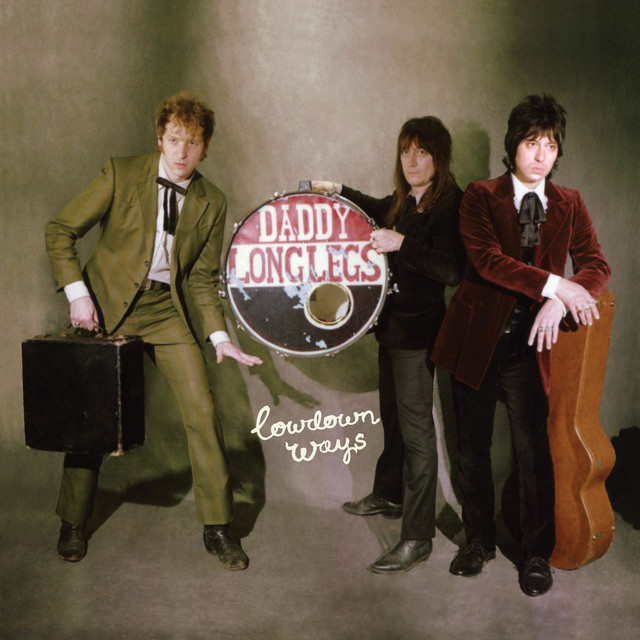
Lowdown Ways
DADDY LONG LEGS
Trash Rock
Blues
Blues Rock
2019
1
/5
Lowdown Ways
DADDY LONG LEGS
Trash Rock
Garage Punk Blues
Blues
Similar artists
2
/5
Left Lane Cruiser
Garage Punk Blues
Blues
Blues Rock
1
/5
Various Artists
Afro-Funk
Alternative Rock
Ambient
Left Lane Cruiser
Blues
Garage Punk Blues
Rock
2
/5
James Leg
Garage Punk Blues
Blues Rock
Southern Gothic
5
/5
Fleetwood Mac
Rock
Soft Rock
Blues Rock
5
/5
The Rolling Stones
Rock
Blues Rock
Hard Rock
4
/5
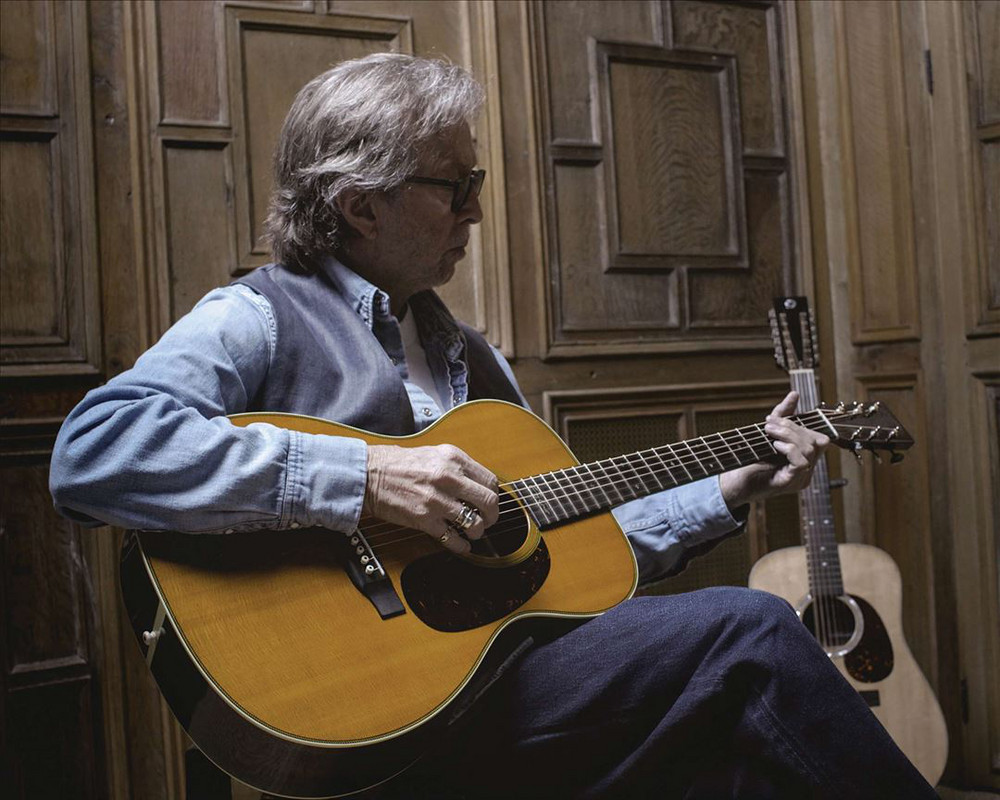
Eric Clapton
Electric Blues
Blues
Blues Rock
4
/5
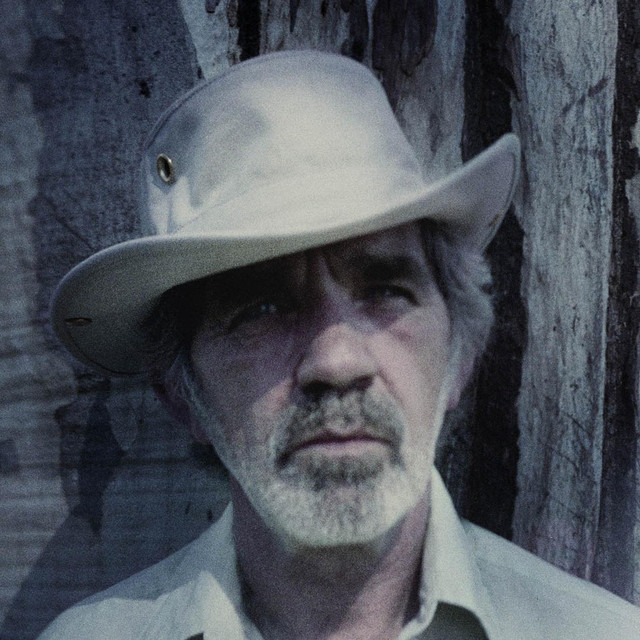
J.J. Cale
Blues
Blues Rock
Roots Rock
4
/5
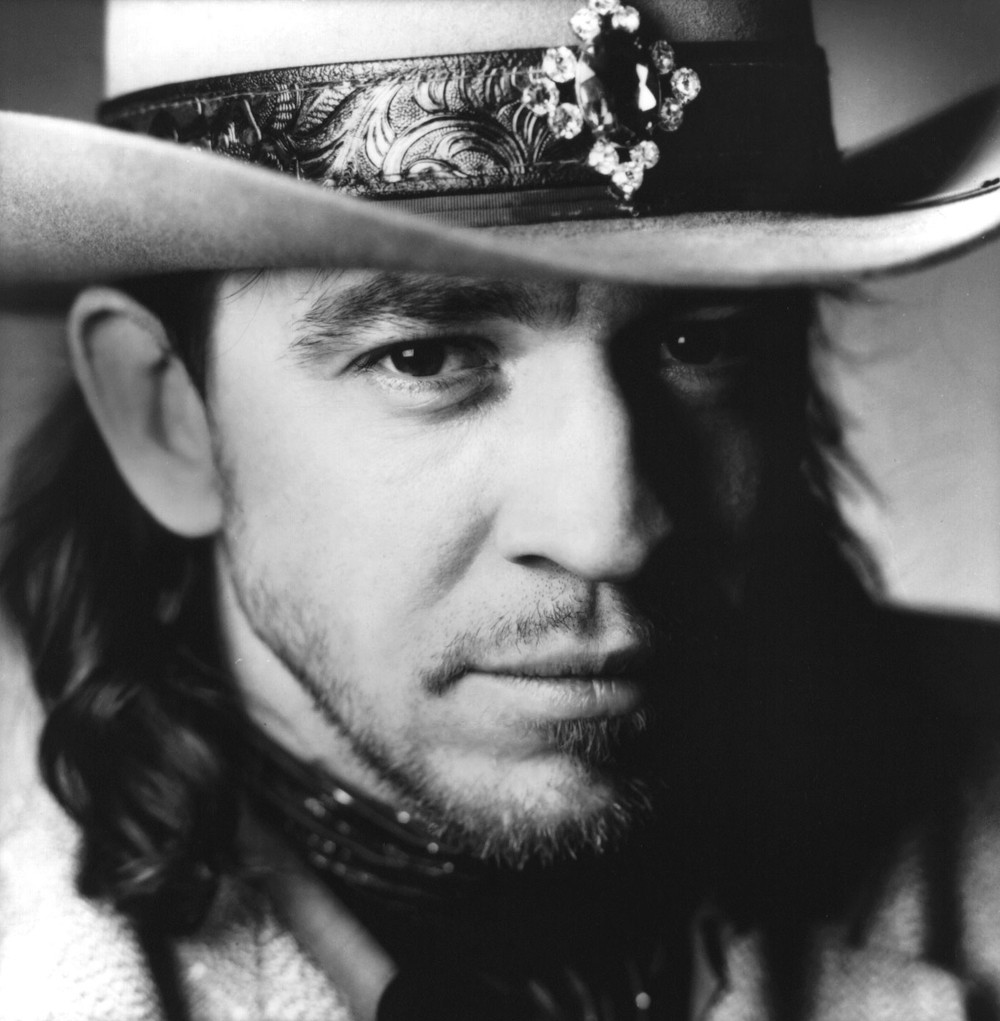
Stevie Ray Vaughan
Blues Rock
Texas Blues
Blues
4
/5
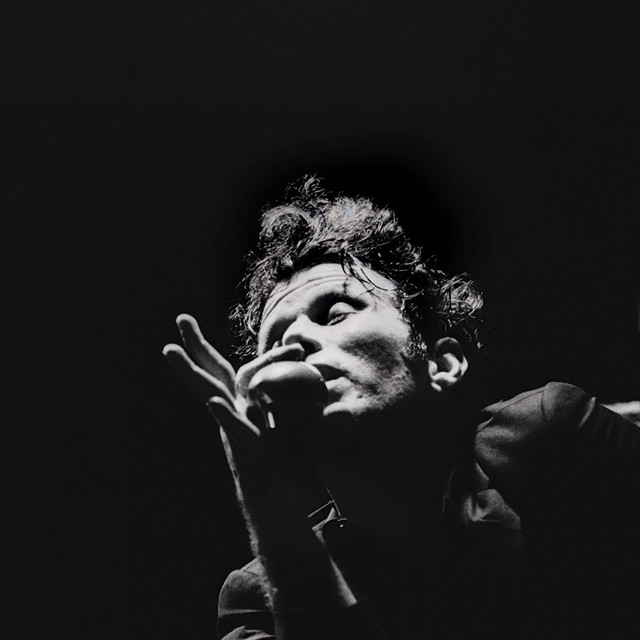
Tom Waits
Dark Cabaret
Singer-Songwriter
Blues
Download our mobile app
Get the Melodigging app and start digging for new genres on the go
Download on the App Store
Get it on Google Play
© 2026 Melodigging
Give feedback
Legal
Melodding was created as a tribute to
Every Noise at Once
, which inspired us to help curious minds keep digging into music's ever-evolving genres.