Genres
Artists
Albums
Make Music
Sign in
Sign in
Artists
Chachachá
Artists
Chachachá
Conjunto Cristal
1977
·
1 album
Listen
1
/5
Genres
Salsa
Salsa is a pan–Latin dance music forged primarily in New York City by Puerto Rican, Cuban, and other Caribbean diasporas. It synthesizes Afro‑Cuban rhythmic blueprints, Puerto Rican bomba and plena, jazz harmony, big‑band horn writing, and Nuyorican street culture into a tightly arranged yet improvisation‑friendly style. The music lives on the clave (either 2‑3 or 3‑2), with layered percussion (congas, bongó, timbales, cowbell, güiro, maracas), a tumbao bass that anticipates the beat, and piano montuno guajeos that interlock with the rhythm section. Call‑and‑response vocals (coro/pregón), punchy horn mambos and moñas, and instrumental solos energize the montuno section. Tempos range from medium to fast in 4/4, optimized for social dancing (commonly “on1” or “on2”). Across decades, salsa has branched into harder, percussion‑forward “salsa dura,” smoother “salsa romántica,” and regional scenes in Puerto Rico, Venezuela, and Colombia, while continuing to influence—and be influenced by—neighboring tropical and jazz idioms.
Discover
Listen
Chachachá
Chachachá is a Cuban dance‑music genre that emerged in early‑1950s Havana as a dancer‑friendly offshoot of danzón‑mambo. It is typically performed by charanga ensembles—flute and violins over piano, bass, güiro, and timbales—producing a light, elegant sonority distinct from the brass‑heavy mambo big bands. The groove is mid‑tempo with a clear, even pulse that supports the signature “cha‑cha‑chá” triple step heard in the dancers’ feet. Melodies are tuneful and diatonic, harmonies favor simple I–IV–V movements with occasional II–V turnarounds, and arrangements move from a lyrical cuerpo to a montuno section featuring coro‑pregón call‑and‑response, piano tumbao, and tasteful flute improvisations. The name “chachachá” is often traced to the shuffling sound of the dancers’ steps; composer‑violinist Enrique Jorrín simplified mambo syncopations to make the beat more square and intelligible, which helped the style spread worldwide through social and ballroom dance.
Discover
Listen
Son Cubano
Son cubano is a foundational Cuban genre that fuses Spanish-derived song forms and harmony with Afro-Cuban rhythms and percussion. Born in eastern Cuba (Oriente) and crystallized in Havana in the 1910s–1920s, it became the backbone of much of 20th‑century Latin popular music. Typical ensembles began as sextetos (tres, guitar, bongó, maracas, claves, and bass or marímbula) and later evolved into septetos with trumpet. Conjunto formats in the 1940s added piano, congas, and multiple horns. The music rides a son clave (in 3‑2 or 2‑3 orientation), features interlocking tres guajeos, a walking/tumbao bass that anticipates the downbeat, and call‑and‑response vocals in the montuno section. Harmonically it is rooted in I–IV–V with bluesy dominant sevenths and occasional secondary dominants. Lyrically it balances romance, everyday life, and streetwise wit, always aimed at dancing and social gathering.
Discover
Listen
Antilliaanse Folklore
Antilliaanse folklore is the traditional and salon-derived music of the Dutch Caribbean—especially Curaçao, Aruba, and Bonaire—where Afro‑Caribbean rhythms, Iberian song forms, and 19th‑century European dance music mingled with local Papiamentu/Papiamento language and performance practice. The repertoire spans Afro‑Curaçaoan tambú and seú processional songs alongside elegant salon forms such as the Antillean waltz, mazurka, polka, and Cuban‑derived danza and habanera. Characteristic instruments include the tambú drum, chapi (hoe‑blade idiophone), wiri/guayo (scraper), maracas, guitar/kuarta (cuatro), mandolin/bandolin, accordion, and, in salon settings, piano and strings. Melodies often carry European contours, while rhythms are syncopated and polyrhythmic, reflecting West and Central African heritage. Lyric themes range from social commentary and satire to romance, celebration, and community identity, delivered primarily in Papiamentu/Papiamento with Spanish and Dutch traces. The result is a distinctive, danceable yet expressive idiom that oscillates between ceremonial call‑and‑response and refined, harmonically rich salon pieces.
Discover
Listen
Albums
1977
Conjunto Cristal
Conjunto Cristal
Antilliaanse Folklore
Similar artists
4
/5
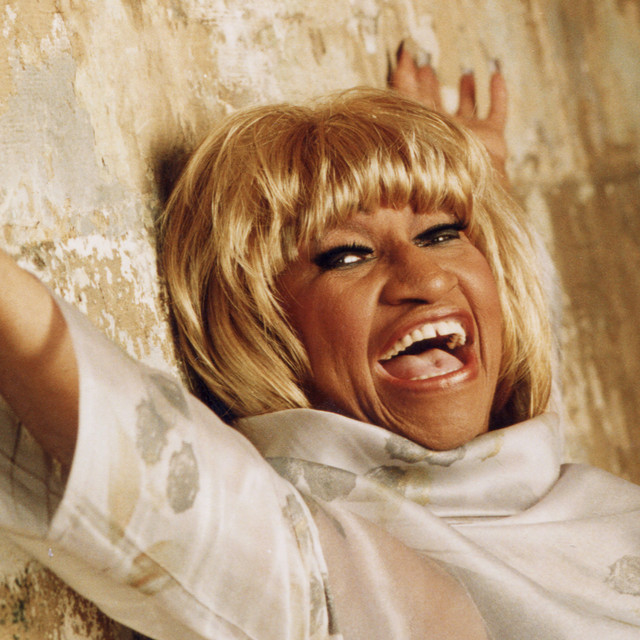
Celia Cruz
Latin Dance
Son Cubano
Mambo
3
/5
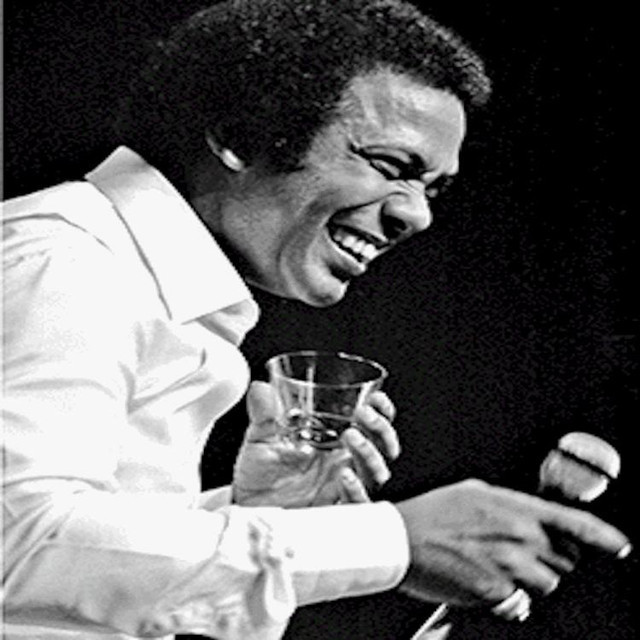
Cheo Feliciano
Bolero
Salsa
Latin
3
/5
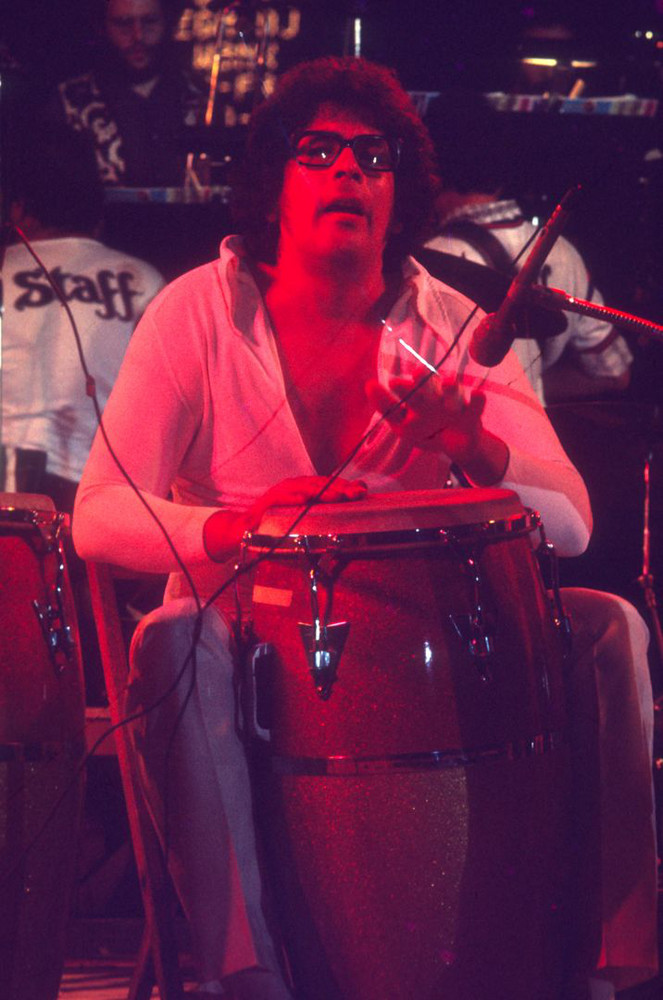
Ray Barretto
Salsa
Latin Jazz
Son Cubano
3
/5
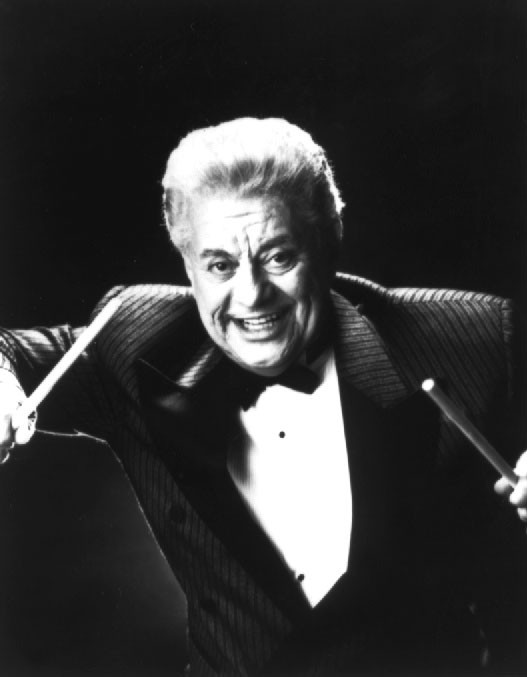
Tito Puente
Mambo
Chachachá
Afro-Cuban Jazz
3
/5
Afro-Cuban All Stars
Afro-Cuban Jazz
Son Cubano
Latin Jazz
3
/5
La-33
Chachachá
Salsa
Son Cubano
3
/5
Pete Rodriguez
Latin Jazz
Salsa
Boogaloo
3
/5
Johnny Pacheco
Salsa
Latin
Bolero
3
/5
Fania All Stars
Latin Disco
Chachachá
Descarga
3
/5
Joe Cuba Sextet
Boogaloo
Bolero
Chachachá
Download our mobile app
Get the Melodigging app and start digging for new genres on the go
Download on the App Store
Get it on Google Play
© 2026 Melodigging
Give feedback
Legal
Melodding was created as a tribute to
Every Noise at Once
, which inspired us to help curious minds keep digging into music's ever-evolving genres.