Genres
Artists
Albums
Make Music
Sign in
Sign in
Artists
Corrido
Artists
Corrido
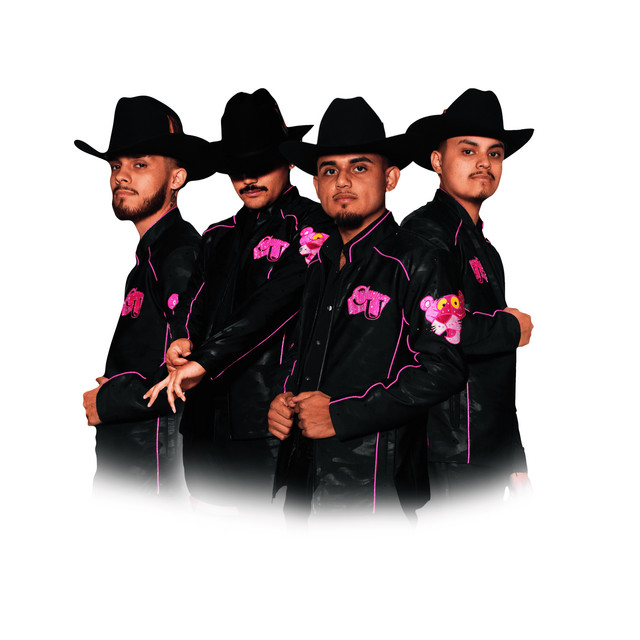
Comando Único
Listen
2
/5
Genres
Corridos Bélicos
Corridos bélicos are a contemporary, hard-hitting branch of the Mexican corrido that foregrounds militaristic imagery, aggressive bravado, and street-informed swagger. The sound keeps the acoustic backbone of regional mexicano—sierreño trios, norteño/banda textures—while adopting the lyrical posture, ad‑libs, and urgency of trap and hip hop. Typical arrangements feature requinto and harmony guitars, tololoche or electric bass, snare-driven grooves, and sometimes tuba for low-end punch. Melodies skew minor or modal, with rapid ornamental runs, call‑and‑response riffs, and terse, talk‑sung vocal cadences. Thematically, songs chronicle power, risk, and status symbols, often coded in “bélico” (war-like) aesthetics—tactical gear, convoys, radios—delivered with taut, forward momentum.
Discover
Listen
Sierreño
Sierreño (música sierreña) is an acoustic, guitar‑driven substyle of Regional Mexican music rooted in the mountainous "sierra" regions of northwestern Mexico. It typically features a trio format: a lead requinto guitar playing melodic lines and solos, a 6‑ or 12‑string rhythm guitar providing harmonic drive with vigorous rasgueado strumming, and a bass voice supplied by tololoche (acoustic upright), acoustic/electric bass, or, in modern variants, tuba. Vocals are often delivered in close two‑ or three‑part harmonies, carrying narratives (corridos) and romantic themes (boleros, rancheras). The sound is percussive yet intimate—largely drumless—with tempos ranging from lilting waltzes to polka‑like two‑steps. Contemporary waves ("sierreño con tuba" and urban/crossover forms) expand the palette while preserving the genre’s core string interplay.
Discover
Listen
Cumbia Norteña Mexicana
Cumbia norteña mexicana is a northern Mexican take on cumbia that blends the Colombian-born rhythm with the instrumentation, feel, and dance culture of norteño and grupera. It is driven by accordion lead lines, bajo sexto rhythm guitar, electric bass, and drum kit, often complemented by güiro or cowbell, and sometimes saxophone or keyboards. The groove keeps cumbia’s characteristic off-beat syncopation while adopting a brisk, two-step-friendly pulse common in the Mexican north and along the Texas border. Songs typically use simple, catchy harmonies (I–IV–V with frequent dominant sevenths), memorable accordion hooks, and verse–chorus structures. Lyrics range from festive parties and dance-floor humor to everyday border life, love, and migration, delivered with call-outs and crowd-response energy tailored to bailes and rodeos.
Discover
Listen
Norteño
Norteño (música norteña) is a Mexican regional style built around the bright timbre of the diatonic button accordion and the driving strum of the bajo sexto. Rooted in borderland dance music, it blends Central European polka, waltz, and schottische rhythms with Mexican corrido storytelling and ranchera songcraft. Characterized by brisk 2/4 polkas and lilting 3/4 waltzes, norteño songs range from narrative corridos about migration and everyday struggles to romantic ballads and party tunes. Traditional ensembles used tololoche (upright bass) and snare, while modern groups often add electric bass, full drum kits, and occasionally tenor sax (in the norteño-sax substyle) or tuba (in norteño-banda). The result is a dance-forward, story-rich music that bridges rural and urban audiences on both sides of the U.S.–Mexico border.
Discover
Listen
Corrido
Corrido is a Mexican narrative ballad tradition that tells real or imagined stories about heroes, outlaws, battles, tragedies, and contemporary events. It is strophic, usually built from octosyllabic lines organized into quatrains with assonant rhyme, and features a declamatory vocal delivery designed to make the storyline clear. Musically, corridos are commonly set to dance-derived rhythms such as polka in 2/4 or waltz in 3/4, reflecting 19th‑century European influences absorbed in northern Mexico. They are performed by different ensembles—most famously norteño groups with accordion and bajo sexto, mariachi with violins and trumpets, or banda with brass and tuba—yet the poetic form and storytelling remain central. Typical corridos open with a saludo (greeting/announcement), present the narrative in chronological episodes rich with names, places, and dates, and close with a despedida (farewell or moral). Modern variants include narcocorridos and, more recently, corridos tumbados that fuse the narrative form with contemporary urban and trap aesthetics.
Discover
Listen
Similar artists
4
/5
Javier Rosas
Banda
Corrido
Corridos Alternativos
4
/5
Alameños de la Sierra
Norteño-Sax
Banda
Corrido
3
/5
Los Alteños De La Sierra
Corrido
Cumbia Norteña Mexicana
Norteño
3
/5
Los Cuates de Sinaloa
Movimiento Alterado
Corrido
Corridos Alternativos
2
/5
Los Grandes De Tijuana
Corrido
Cumbia Norteña Mexicana
Norteño
2
/5
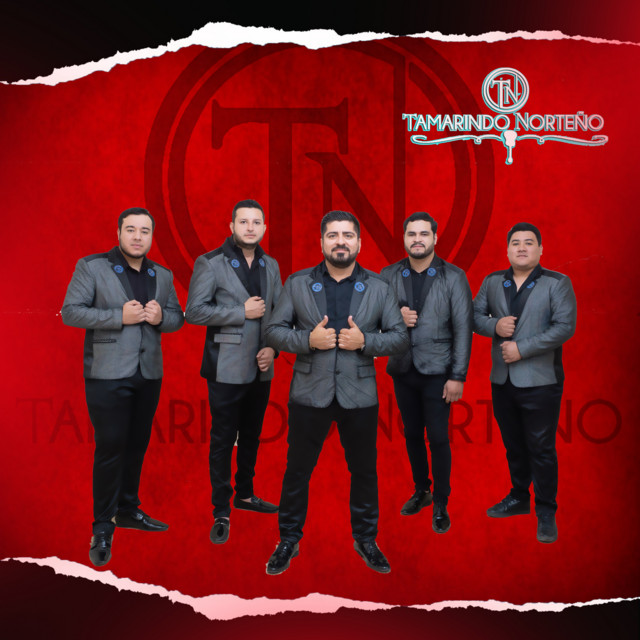
Tamarindo Norteño
Corrido
Corridos Alternativos
Cumbia Norteña Mexicana
5
/5
Fuerza Regida
Sierreño
Banda
Corrido
5
/5
Peso Pluma
Banda
Electro Corridos
Corridos Bélicos
5
/5
Junior H
Sierreño
Corrido Tumbado
Norteño
5
/5
Natanael Cano
Sierreño
Banda
Corrido Tumbado
Download our mobile app
Get the Melodigging app and start digging for new genres on the go
Download on the App Store
Get it on Google Play
© 2026 Melodigging
Give feedback
Legal
Melodding was created as a tribute to
Every Noise at Once
, which inspired us to help curious minds keep digging into music's ever-evolving genres.