Genres
Artists
Albums
Make Music
Sign in
Sign in
Artists
Jaipongan
Artists
Jaipongan
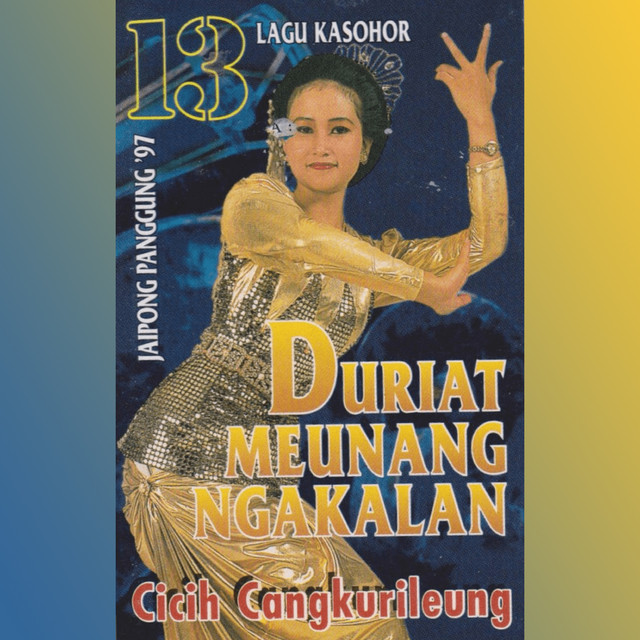
Cicih Cangkurileung
1997
·
6 albums
Listen
2
/5
Genres
Jaipongan
Jaipongan is a high-energy Sundanese music-and-dance genre from West Java, Indonesia, built around virtuosic kendang (barrel drum) playing, interlocking gong-chime textures, and flirtatious, melismatic vocals by a sindén (female singer). Developed in the late 1970s by composer-choreographer Gugum Gumbira, jaipongan modernized rural Sundanese traditions—especially ketuk tilu—by arranging them for stage performance and the cassette era. Its sound is drum-led, syncopated, and dance-forward, with bright gamelan timbres (saron, bonang, gong) complemented by suling (bamboo flute) and sometimes rebab. Lyrics, often in Sundanese, celebrate romance, playfulness, and everyday life, while the drumming cues dynamic shifts for the dancers.
Discover
Listen
Kliningan
Kliningan is a social-entertainment style of Sundanese music from West Java, Indonesia, performed by a small gamelan ensemble with a lead female vocalist (sinden), bamboo flute (suling), spike fiddle (rebab), and lively kendang (drums). It uses Sundanese tunings—especially salendro and degung (a regional pelog variant)—within cyclical, colotomic gong structures. Unlike formal court genres, kliningan is geared toward community celebrations such as weddings and neighborhood gatherings. The music is dance-forward, with the kendang guiding tempo changes and cueing sections, while the sinden delivers melismatic Sundanese lyrics (kawih) that range from love poetry to humorous or nostalgic themes. Its repertoire often adapts popular Sundanese songs for gamelan instrumentation, balancing tradition with light, festive flair.
Discover
Listen
Ketuk Tilu
Ketuk tilu is a traditional Sundanese social dance-and-music genre from West Java, Indonesia. The name literally means “three ketuk,” referring to a distinctive colotomic pattern articulated by a small kettle-gong (ketuk) that sounds three times within each gong cycle. It is performed by a compact, lively gamelan ensemble led by the kendang (barrel drum), with hallmark colors from rebab (spike fiddle), suling (bamboo flute), saron/metallophones, and a set of gongs. Historically, performances center a female singer-dancer (sinden/ronggeng) who invites audience members—often men—to join in social dancing (ngibing). The music favors cyclical ostinatos, infectious drum cues, and flexible pacing that follows the dancer’s gestures. Texts often use playful, flirtatious pantun (quatrain) poetry. While village-based and festive in spirit (weddings, harvest celebrations, markets), ketuk tilu is musically sophisticated in its use of Sundanese scalar systems (especially salendro) and its tight drum-led cueing between sections. Beyond its role as entertainment, ketuk tilu is culturally significant as a precursor to modern Sundanese stage genres. In the late 20th century it was a primary wellspring for jaipongan’s kinetic drumming, dancer-led phrasing, and theatrical presence.
Discover
Listen
Sundanese Music
Sundanese music is the traditional and popular music of the Sundanese people of West Java, Indonesia. It is recognized for its bright bamboo timbres, supple drumming, fluid vocal lines, and distinctive tunings that differ from Central Javanese practice. Core ensembles include gamelan degung (a Sundanese variant of gamelan with a characteristic “degung” tuning), kacapi suling (zither and bamboo flute chamber music), angklung (shaken bamboo idiophones), and ritual styles such as tarawangsa (two‑string bowed lute with zither). Dance and theatre forms—like jaipongan and wayang golek (rod puppetry)—rely on energetic kendang (drum) leadership and cyclical gong patterns. Melodically, Sundanese music employs laras salendro, pelog, sorog, and madenda (a mode akin to a “minor” feel), with ornate vocal ornamentation and refined zither/bonang figuration. Its expressive range spans courtly elegance, pastoral intimacy, social dance vitality, and trance‑ritual depth.
Discover
Listen
Islamic Religious Music & Recitation
Islamic religious music and recitation encompasses the sacred vocal arts of Islam, centered on Qur'an recitation (tilāwah/tajwīd), the call to prayer (adhān), devotional chant (dhikr), praise poetry (madīh, na‘t), and paraliturgical song traditions such as nasheed, qasidah, and Sufi samā‘. While many Muslims distinguish Qur'anic recitation from "music" and regard it as a unique sacred art bound by rules of tajwīd and pious intent, its sound-world overlaps with regional musical systems (especially the Arabic maqām tradition) through modal nuance, melisma, and ornamentation. Across regions, the genre ranges from unaccompanied, metrically free recitation and adhān, to percussion-accompanied nasheed, and to more elaborate Sufi traditions (e.g., qawwali) with call-and-response, rhythmic cycles, and ecstatic crescendos—all unified by devotional texts, ethical themes, and reverence for the divine.
Discover
Listen
Albums
1997
1
/5
Cadu Bendu
Cicih Cangkurileung
Kliningan
Cariring Nu Jadi Saksi
Cicih Cangkurileung
Jaipongan
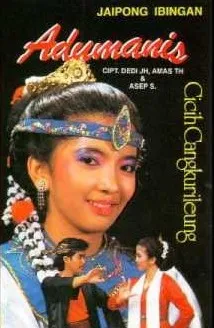
Adumanis
Cicih Cangkurileung
Jaipongan
Dawah kawih
Cicih Cangkurileung
Sundanese Music
Dawah kawih
Cicih Cangkurileung
Islamic Religious Music & Recitation
Arionan
Cicih Cangkurileung
Ketuk Tilu
Similar artists
1
/5
Idjah Hadidjah
Jaipongan
Sundanese Music
Traditional Music
2
/5
Detty Kurnia
Dangdut
Koplo
Sundanese Music
1
/5
Nining Yuningsih
Dangdut
Jaipongan
Sundanese Music
1
/5
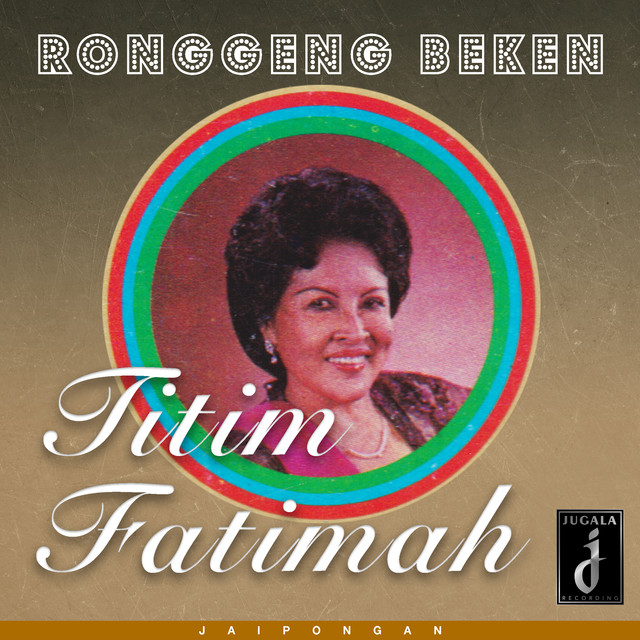
Titim Fatimah
Dangdut
Kliningan
Ketuk Tilu
1
/5
Jugala Jaipongan
Lagu Jawa
Traditional Music
Jaipongan
1
/5
Uun Budiman and the Jugala Gamelan Orchestra
Jaipongan
Sundanese Music
1
/5
Various Artists
Afro-Funk
Alternative Rock
Ambient
3
/5
Ahmed Bukhatir
Nasheed
Sholawat
Islamic Religious Music & Recitation
3
/5
Omar Faruk Tekbilek
Arabic Jazz
Sufi
New Age
2
/5
Mercan Dede
Sufi
World Fusion
Islamic Religious Music & Recitation
Download our mobile app
Get the Melodigging app and start digging for new genres on the go
Download on the App Store
Get it on Google Play
© 2026 Melodigging
Give feedback
Legal
Melodding was created as a tribute to
Every Noise at Once
, which inspired us to help curious minds keep digging into music's ever-evolving genres.