Genres
Artists
Albums
Make Music
Sign in
Sign in
Artists
Raï
Artists
Raï
Cheikha Rimitti
1996–2012
·
7 albums
Listen
2
/5
Genres
Pop Raï
Pop raï is a modern, radio-friendly evolution of Algerian raï that blends the vernacular singing style and modal melodies of Oran with the hooks, structures, and production sheen of Western pop. Built on tight 4/4 dance grooves, catchy choruses, and synth-driven arrangements, pop raï keeps the expressive, melismatic vocals and maqam-inflected melodies of classic raï while embracing drum machines, electric bass, guitar, and keyboards. Lyrically it moves between romance, everyday life, hedonism, and migrant longing, often reflecting the experiences of North African youth at home and in the French diaspora. By the early 1990s, artists such as Khaled and Cheb Mami helped push pop raï onto international charts, where it intersected with worldbeat, French pop, and later with R&B/rap aesthetics.
Discover
Listen
Traditional Raï
Traditional raï is a folk-rooted vocal music from the Oran region of northwest Algeria. It emerged from Bedouin (bedoui) song forms and street poetry performed by cheikhs and cheikhas, using earthy vernacular lyrics to voice personal “opinions” (raï) about love, hardship, pleasure, and social taboos. Musically, it centers on a raw, driving interplay between the gasba (end-blown reed flute) and the guellal (clay goblet drum), with highly ornamented, melismatic singing. Modal melodies draw on Maghrebi and wider Arabic traditions while keeping a direct, danceable pulse in 2/4 or lilting 6/8. The style is intimate yet exuberant—equally at home in cafés, weddings, and informal gatherings—and laid the foundation for later electrified and pop-inflected raï.
Discover
Listen
Algerian Chaabi
Algerian Chaâbi is an urban popular music that emerged in the Casbah of Algiers in the early 20th century. It blends the modal and poetic heritage of Andalusian classical traditions (san'a) and melhoun with a more direct, street-level expressiveness. Characterized by a rich, melismatic vocal style and refined poetry in Algerian Arabic (Derja), Chaâbi is typically accompanied by the Algerian mandole (a larger, metal‑strung mandolin), oud or banjo, violin, and frame and goblet drums (bendir, tar, darbuka). Rhythms often move between lilting 6/8 grooves and steady 2/4 patterns, while melodies draw on Arabic maqamat and Andalusian rhythmic cycles (mizân). The repertoire addresses love, longing, ethics, spiritual devotion, and social life, delivered with an intimate, narrative quality. Figures like El Hadj M'Hamed El Anka helped codify the style, shaping it into a conservatory-taught art that still feels rooted in the cafés and alleyways of Algiers.
Discover
Listen
Raï
Raï is a popular music genre from the port city of Oran (Wahran), Algeria, whose name comes from the colloquial Arabic word for "opinion" or "point of view." It began as a raw, vernacular form of urban song led by cheikhas (female singer-performers) accompanied by gasba flute and guellal drum, addressing everyday life, love, alcohol, social hypocrisy, and desire with unusual frankness. Across the 1970s and 1980s, raï electrified: acoustic ensembles and Bedoui/chaabi-rooted melodies merged with electric guitar, synthesizers, drum machines, and global dance grooves (funk, disco, reggae, and pop). This produced the internationally famous “pop raï” sound—at once danceable and emotionally direct—carried by stars such as Khaled, Cheb Mami, Cheb Hasni, and Cheikha Rimitti. Today, raï remains a living tradition and a flexible pop form, equally at home with traditional gasba/guellal timbres and glossy electronic production, while its lyrics continue to alternate between hedonistic celebration and aching nostalgia for home and lost love.
Discover
Listen
Gnawa
Gnawa is a spiritual, trance-based music of Morocco associated with the Gnawa brotherhoods, a community with roots in sub‑Saharan Africa and Sufi Islam. It centers on a deep, percussive bass lute called the guembri (also known as sintir or hajhuj), the bright metallic clatter of iron castanets (qraqeb/krakebs), unison handclaps, and call‑and‑response vocals. Performances often unfold in an all‑night ritual called a lila (derdeba), where cyclical 6/8 grooves and repetitive chants invite communal participation and induce a trance state. The repertoire invokes saints and ancestral spirits (mluk), moving through color-coded suites and intensifying rhythmic layers. While firmly rooted in West African rhythmic sensibilities, Gnawa also absorbs Maghrebi and Sufi aesthetics, producing a sound that is both devotional and intensely groove‑driven.
Discover
Listen
Albums
2012
1
/5
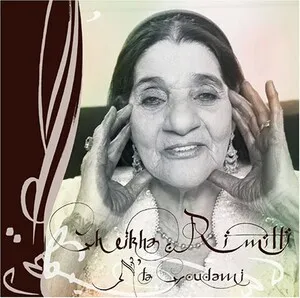
N'Ta Goudami
Cheikha Rimitti
Pop Raï
Raï
2008
1
/5
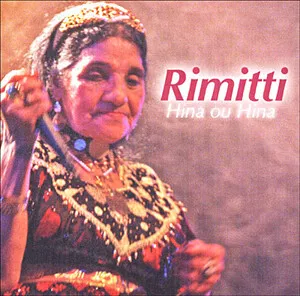
Hina Ou Hina
Cheikha Rimitti
Traditional Raï
2000
1
/5
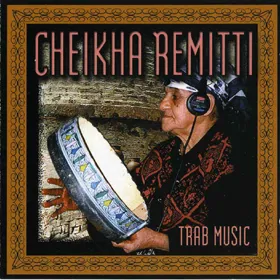
Trab Music
Cheikha Rimitti
Traditional Raï
2000
1
/5
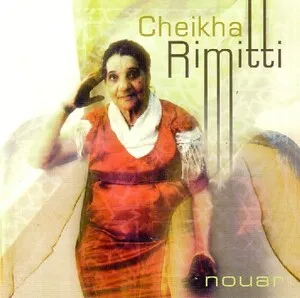
Nouar
Cheikha Rimitti
Raï
1996
1
/5
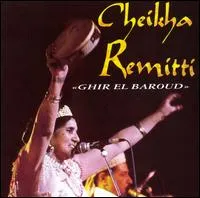
Ghir el Baroud
Cheikha Rimitti
Raï
Cheikha
Cheikha Rimitti
Raï
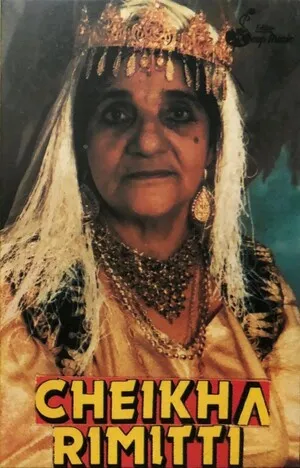
Cheikha-Rimitti
Cheikha Rimitti
Traditional Raï
Similar artists
3
/5
Cheb Mami
Reggae Maghreb
Raï
Pop Raï
4
/5
Khaled
Raï
Pop Raï
Classic Arab Pop
3
/5
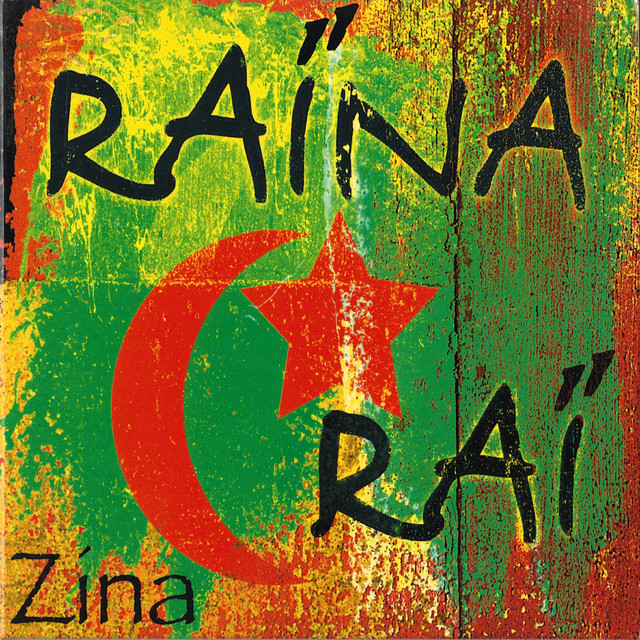
Raïna Raï
Raï
Algerian Chaabi
Gnawa
3
/5
Rachid Taha
Raï
Rock
Maghrebi Music
3
/5
Cheb Hasni
Algerian Chaabi
Kabyle
Gnawa
2
/5
Cheb Kader
Raï
Gnawa
Moroccan Chaabi
1
/5
Salim Halali
Raï
Algerian Chaabi
Gnawa
1
/5
Mazalda
Raï
Gnawa
Pop Raï
1
/5
Rimitti
Raï
Gnawa
Pop Raï
3
/5
Idir
Kabyle
Kabyle Music
Algerian Chaabi
Download our mobile app
Get the Melodigging app and start digging for new genres on the go
Download on the App Store
Get it on Google Play
© 2026 Melodigging
Give feedback
Legal
Melodding was created as a tribute to
Every Noise at Once
, which inspired us to help curious minds keep digging into music's ever-evolving genres.