Genres
Artists
Albums
Make Music
Sign in
Sign in
Artists
Bolero
Artists
Bolero
Cesar Concepcion Y Su Orquesta
2010
·
1 album
Listen
1
/5
Genres
Bomba Y Plena
Bomba y plena refers to the paired Afro‑Puerto Rican traditions of bomba (with roots in the 17th–18th centuries) and plena (which emerged in the early 20th century), as well as the mid‑20th‑century popular band format that fused and alternated both styles on stage and record. Bomba is a participatory music-and-dance practice centered on call-and-response singing and improvisatory dialogue between a solo dancer and the lead drum (subidor or primo). It employs barrel drums (barriles), a wooden slit-stick (cua), and maraca, and features a family of rhythms (e.g., sicá, yubá, holandés, cuembé) with strong West African lineage. Plena is a topical, street-born song form often called the “periodical sung” for its news-reporting verses. It is driven by the panderos (panderetas)—three frame drums of different sizes (seguidor, punteador, and requinto)—plus güiro, with simple, catchy choruses for communal singing. In the 1950s and 1960s, dance bands in Puerto Rico and the diaspora arranged bomba and plena for horns, bass, and percussion, establishing “bomba y plena” as a cornerstone of Puerto Rican popular dance music.
Discover
Listen
Son Cubano
Son cubano is a foundational Cuban genre that fuses Spanish-derived song forms and harmony with Afro-Cuban rhythms and percussion. Born in eastern Cuba (Oriente) and crystallized in Havana in the 1910s–1920s, it became the backbone of much of 20th‑century Latin popular music. Typical ensembles began as sextetos (tres, guitar, bongó, maracas, claves, and bass or marímbula) and later evolved into septetos with trumpet. Conjunto formats in the 1940s added piano, congas, and multiple horns. The music rides a son clave (in 3‑2 or 2‑3 orientation), features interlocking tres guajeos, a walking/tumbao bass that anticipates the downbeat, and call‑and‑response vocals in the montuno section. Harmonically it is rooted in I–IV–V with bluesy dominant sevenths and occasional secondary dominants. Lyrically it balances romance, everyday life, and streetwise wit, always aimed at dancing and social gathering.
Discover
Listen
Bolero
Bolero is both a Spanish dance-music form from the late 18th century and, later, a Cuban song style from the late 19th century. The Spanish bolero emerged as a moderately slow solo or partner dance in 3/4 time, shaped by Andalusian song-dance traditions. It typically features guitar accompaniment and castanets, and its sung texts often follow the seguidilla stanza pattern. In Cuba, bolero evolved into a romantic ballad—most often in 2/4 (later also felt in 4/4)—performed by singers, trios, and salon ensembles. Cuban bolero emphasizes intimate, lyrical melodies, guitar-led accompaniment (often with requinto), and gentle Afro-Caribbean rhythmic undercurrents (habanera feel, soft bongo, claves), becoming one of Latin America’s quintessential love-song forms.
Discover
Listen
Albums
2010
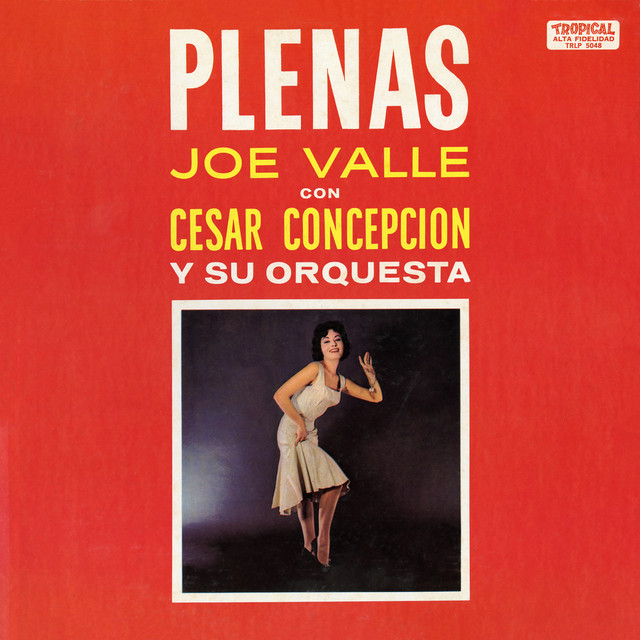
Plenas
Cesar Concepcion Y Su Orquesta, Joe Valle
Bomba Y Plena
Similar artists
2
/5
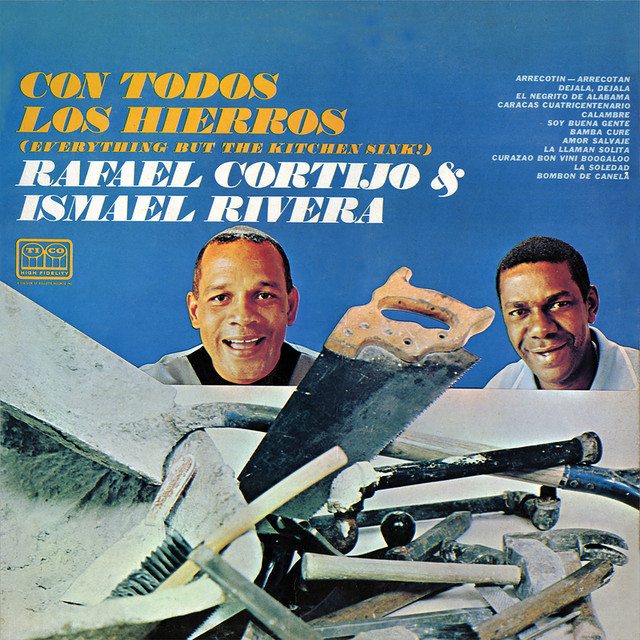
Rafael Cortijo
Bolero
Chachachá
Salsa
4
/5
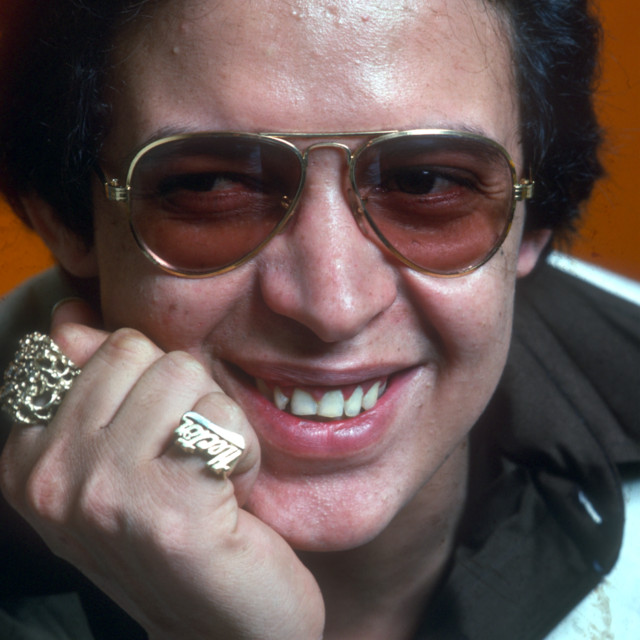
Héctor Lavoe
Salsa
Salsa Dura
Son Cubano
4
/5
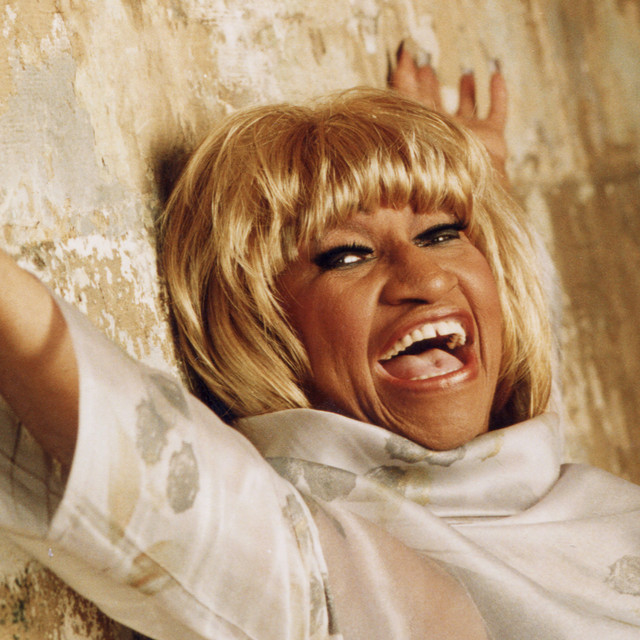
Celia Cruz
Latin Dance
Son Cubano
Mambo
4
/5
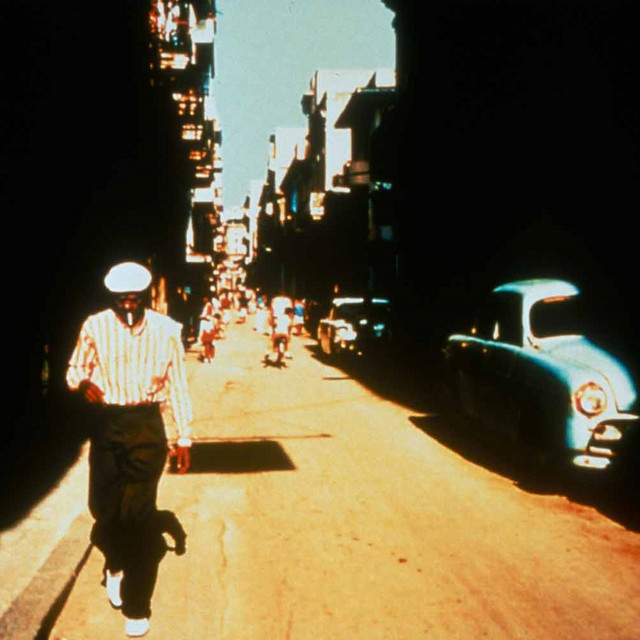
Buena Vista Social Club
Latin Jazz
Bolero
Latin
4
/5
La Sonora Matancera
Son Cubano
Guaracha
Bolero
3
/5
Diego El Cigala
Flamenco
Tango
Bolero
3
/5
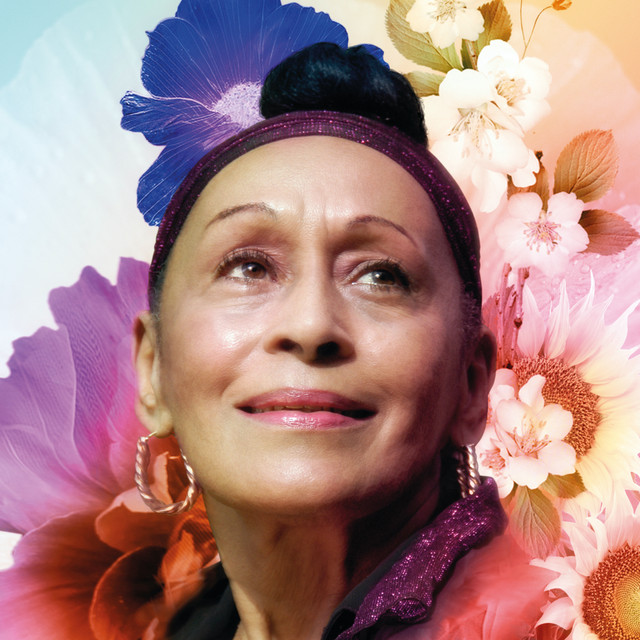
Omara Portuondo
Bolero
Afro-Cuban Jazz
Son Cubano
3
/5
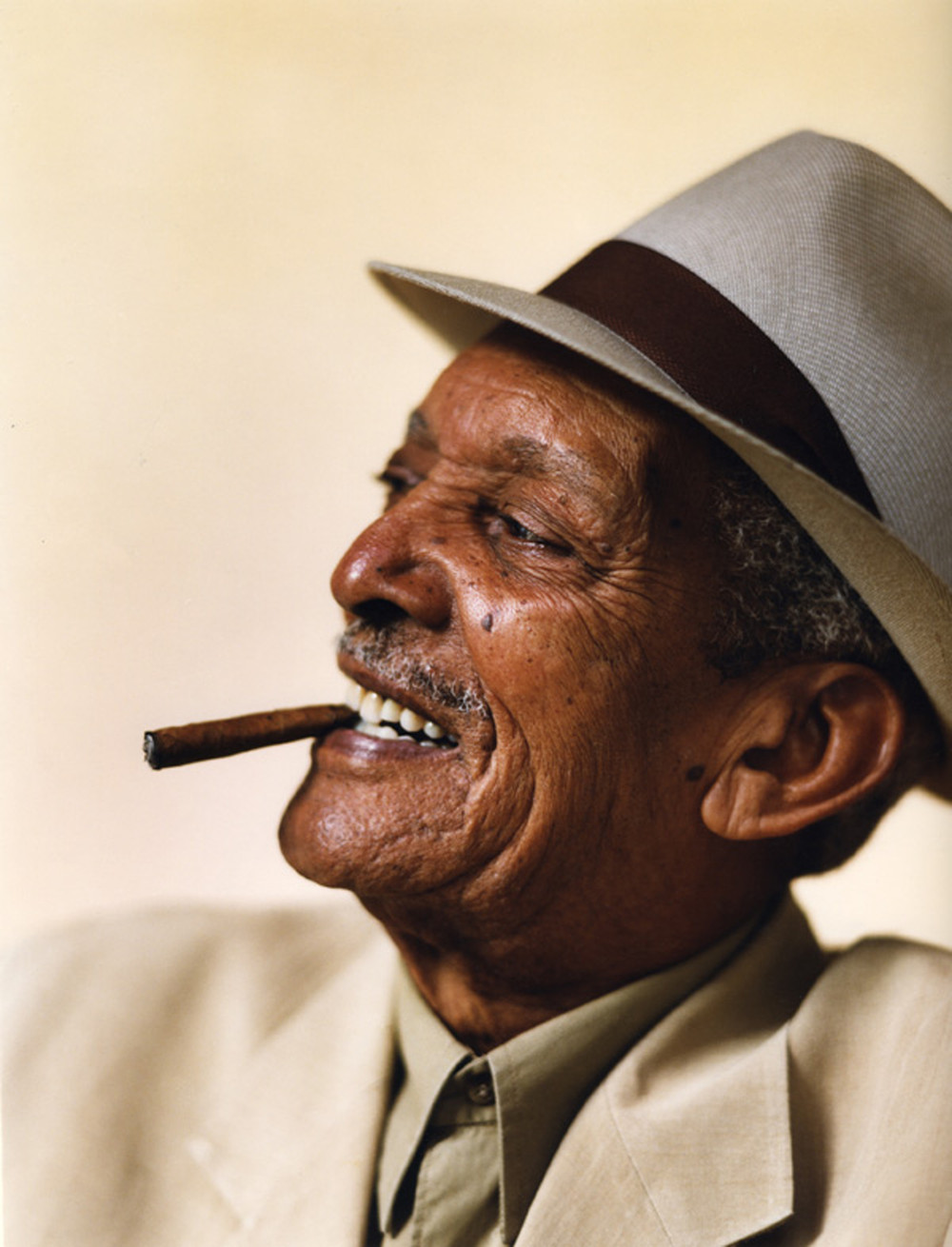
Compay Segundo
Son Cubano
Bolero
Latin Jazz
3
/5
Ismael Miranda
Bolero
Salsa
Son Cubano
3
/5
Cheo Feliciano
Bolero
Salsa
Latin
Download our mobile app
Get the Melodigging app and start digging for new genres on the go
Download on the App Store
Get it on Google Play
© 2026 Melodigging
Give feedback
Legal
Melodding was created as a tribute to
Every Noise at Once
, which inspired us to help curious minds keep digging into music's ever-evolving genres.