Genres
Artists
Albums
Make Music
Sign in
Sign in
Artists
Traditional Folk
Artists
Traditional Folk
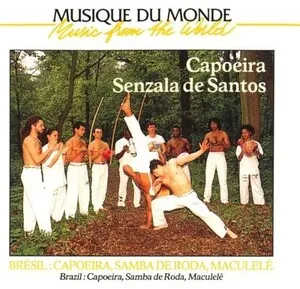
Capoeira Senzala De Santos
2006
·
1 album
Listen
1
/5
Genres
Traditional Folk
Traditional folk is a broad umbrella for orally transmitted songs and dance tunes that circulated in rural and working-class communities before the age of mass recording. Repertoires include narrative ballads, laments, love songs, work songs, lullabies, and instrumental dance sets such as reels, jigs, hornpipes, and marches. Stylistically, traditional folk favors strophic forms, pentatonic or modal melodies (often Dorian and Mixolydian), limited harmonic movement, and strong, memorable tunes designed for communal singing and dancing. Performances range from unaccompanied solo voice to small ensembles built around fiddle, flute/whistle, pipes, concertina/accordion, guitar, banjo, and frame drum. Ornamentation, variation by verse, and flexible tempo are integral, reflecting an oral tradition where songs live through continual reinterpretation. Although it is pan‑regional, the modern idea of “traditional folk” coalesced in the 19th century through collectors and revivalists who documented vernacular music and framed it as cultural heritage.
Discover
Listen
Capoeira Music
Capoeira music is the Afro‑Brazilian musical tradition that accompanies the capoeira game, guiding tempo, energy, ritual cues, and dialogue between players in the roda (circle). It centers on a small percussion ensemble led by the berimbau — a single‑string musical bow with gourd resonator — supported by pandeiro (frame drum), atabaque (tall drum), agogô (double bell), and reco‑reco (scraper). Singing is predominantly in Portuguese and follows call‑and‑response formats. Songs are grouped into forms such as ladainha (solo invocation or litany), louvação (praise), and corrido (call‑and‑response chants), while standardized berimbau toques (rhythmic patterns) like Angola, São Bento Pequeno/Grande, Iúna, and Cavalaria set the character of the game from slow, strategic play to fast, acrobatic exchanges.
Discover
Listen
Samba De Roda
Samba de roda is a traditional Afro‑Brazilian music-and-dance form from the Recôncavo region of Bahia, Brazil. It is performed in a circle (roda) with call-and-response singing, handclaps, and a small ensemble of percussion and plucked string instruments. Musically it typically uses a lilting 2/4 samba groove with strong syncopation, a lead singer (cantador/a) who improvises verses, and a chorus that responds in refrain. Two core song-dance modalities are common: the slower, more declamatory chula (often opening the gathering) and the faster, more animated samba corrido (when dancers enter the circle). The dance highlights the umbigada—an inviting belly-bump gesture—along with playful steps and spins. It is socially rooted in Afro‑Bahian festivities, religious gatherings (including candomblé contexts), and community celebrations, and it played a pivotal role in shaping urban samba across Brazil.
Discover
Listen
Albums
2006
1
/5
Bresil: Capoeira, Samba de Roda, Maculele
Capoeira Senzala De Santos
Capoeira Music
Samba De Roda
Similar artists
2
/5
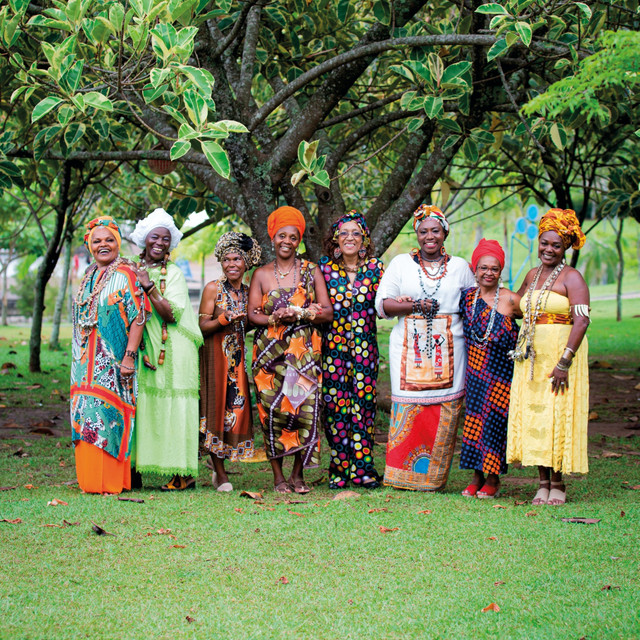
Pastoras do Rosário
Traditional Folk
Samba De Roda
2
/5
Roque Ferreira
Samba De Roda
Axé
Samba
1
/5
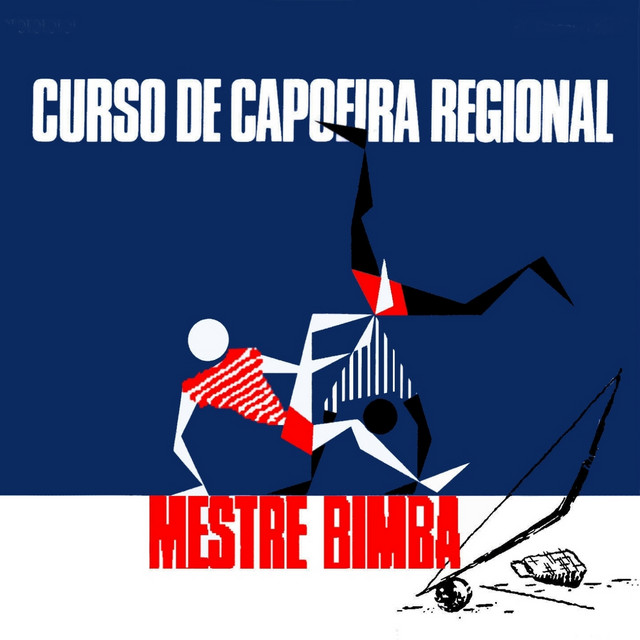
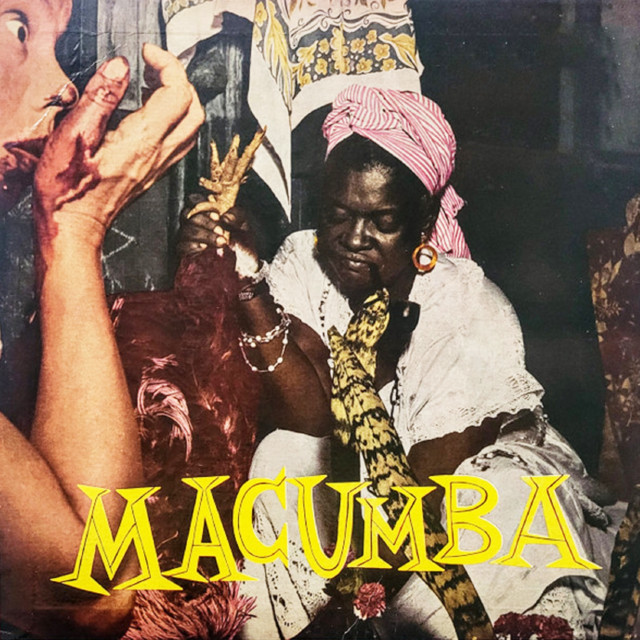
Mestre Bimba
Traditional Folk
Capoeira Music
1
/5
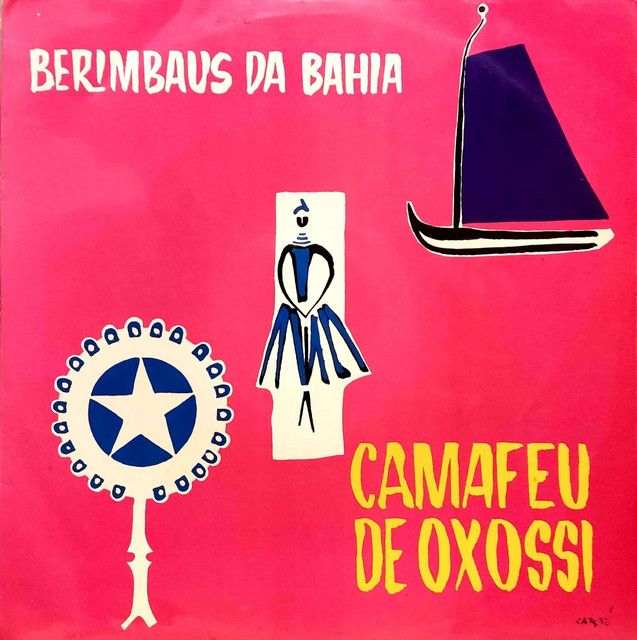
Camafeu De Oxossi
Capoeira Music
Kuduro
Traditional Folk
1
/5
Heitor dos Prazeres
Samba
Samba De Roda
Traditional Folk
1
/5
J. Velloso
Nova Mpb
Traditional Folk
Samba De Roda
1
/5
Samba Chula de São Braz
Samba
Traditional Folk
Samba De Roda
1
/5
Pingo de Fortaleza
Traditional Folk
Capoeira Music
Maracatu
1
/5
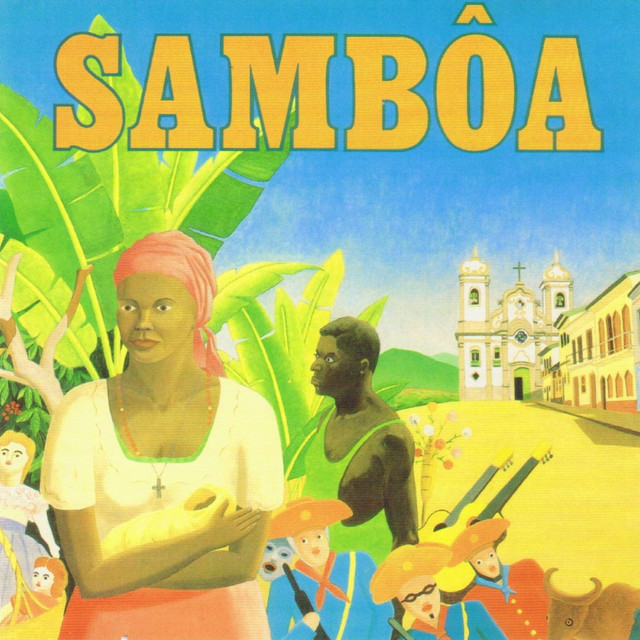
Sambôa
Traditional Folk
Samba De Roda
1
/5
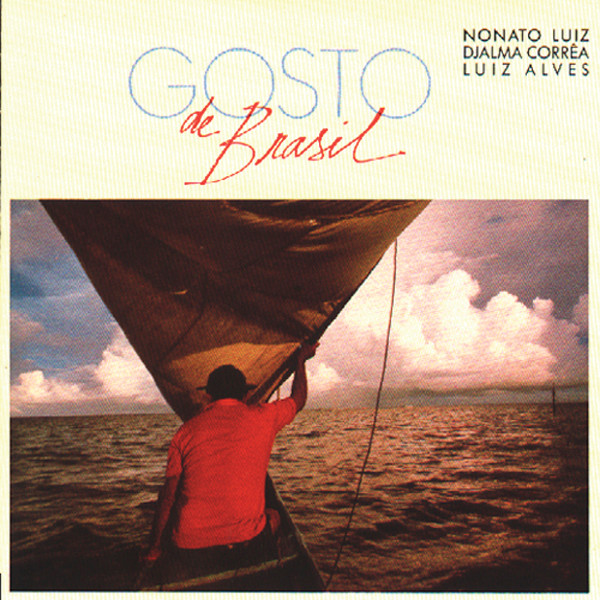
Djalma Corrêa
Samba De Roda
Brazilian Jazz
Brazilian Folk Music
Download our mobile app
Get the Melodigging app and start digging for new genres on the go
Download on the App Store
Get it on Google Play
© 2026 Melodigging
Give feedback
Legal
Melodding was created as a tribute to
Every Noise at Once
, which inspired us to help curious minds keep digging into music's ever-evolving genres.