Genres
Artists
Albums
Make Music
Sign in
Sign in
Artists
Latin Jazz
Artists
Latin Jazz
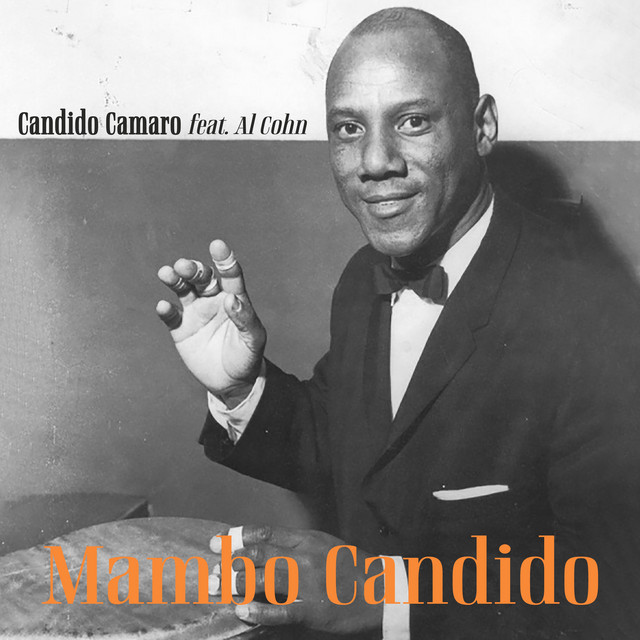
Candido Camero
2000
·
1 album
Listen
1
/5
Genres
Laboratorio
Laboratorio is a Brazilian micro‑scene within contemporary hip hop that coalesced around artist‑run collectives and label ecosystems (most visibly Laboratório Fantasma). It blends boom‑bap and modern trap sensibilities with MPB, samba, and neo‑soul harmony, placing lyricism and social commentary at the core. The sound is defined by sample‑friendly, groove‑rich beats, live percussion drawn from Afro‑Brazilian traditions, and melodic hooks that often nod to MPB and samba‑soul. Artists use Portuguese lyricism to address race, class, identity, and everyday life, pairing incisive bars with warm, humanized production and frequent collaborations across rap, R&B, and pop.
Discover
Listen
Boogaloo
Boogaloo (also called bugalú or Latin boogaloo) is a mid‑1960s New York dance music that fuses Afro‑Cuban and Puerto Rican rhythms with African‑American R&B and soul. It features son/cha‑cha‑chá percussion under a strong backbeat, bluesy horn riffs, call‑and‑response coros, and catchy, often bilingual (English/Spanish) hooks. Compared with earlier mambo and pachanga, boogaloo is leaner, more groove‑driven, and aimed squarely at youth dance floors—think handclaps, cowbell, piano montunos, and punchy brass vamps supporting simple, memorable choruses.
Discover
Listen
Latin Jazz
Latin jazz is a fusion of jazz harmony and improvisation with Afro–Latin American rhythms, song forms, and percussion. It combines the swing, bebop, and big-band traditions with clave-based grooves such as son, rumba, danzón, and mambo, and later integrates Brazilian feels like samba and bossa nova. Typical features include the use of the clave (2–3 or 3–2), piano montunos (guajeos), bass tumbao patterns, timbales cáscara, conga marcha, and call-and-response horn "mambo" figures. While the rhythm section locks into cyclical patterns, soloists improvise using the vocabulary of jazz, creating music that is both danceable and harmonically rich.
Discover
Listen
Latin
Latin (as a genre label) is a broad umbrella used by the recording industry to categorize popular music rooted in Latin America, the Caribbean, and the Iberian world, often characterized by syncopated Afro-diasporic rhythms, dance-forward grooves, and lyrics primarily in Spanish or Portuguese. As a marketplace category that took shape in the mid-20th century United States, it gathers diverse traditions—Afro-Cuban, Brazilian, Mexican, and Caribbean styles—into a shared space. In practice, "Latin" spans everything from big-band mambo and bolero ballads to contemporary pop, rock, hip hop, and dance fusions produced by artists of Latin American heritage.
Discover
Listen
Rumba Cubana
Rumba cubana is an Afro‑Cuban secular music and dance tradition born in the working‑class solares and dockyards of Havana and Matanzas in the late 19th century. It is percussion‑driven, sung in call‑and‑response, and danced in a highly interactive way. The genre revolves around the rumba clave (in 3‑2 or 2‑3 orientation), interlocking conga (tumbadora) parts, wooden sticks (palitos) on the drum shell, and often cajones (wooden boxes) and chekeré. Its main substyles are yambú (slow and graceful), guaguancó (medium tempo, playful “vacunao” courtship gesture), and columbia (fast, often in 12/8, originally a solo male competitive dance). Rumba cubana is distinct from the ballroom “rhumba.” It is a community practice that blends Central/West African rhythmic logics with Spanish song poetry, improvisation, and dance theater.
Discover
Listen
Guaguancó
Guaguancó is a vibrant couple-dance style within the Cuban rumba family that emerged in working‑class Afro‑Cuban neighborhoods, especially in Havana and Matanzas. It features an interlocking percussion ensemble, call‑and‑response vocals, and a flirtatious dance whose central dramatic gesture is the vacunao, a playful, sudden pelvic or hand "tag" that the partner attempts to block. Musically, guaguancó is organized around the rumba clave (in 3‑2 or 2‑3 orientation), with layered patterns on congas (tumbadoras), the lead quinto drum improvising over the groove, and timekeeping on claves and a wooden guagua/cata. The singing typically begins with an improvised diana (vocal fanfare), moves into solo verses (pregón) and a catchy coro (estribillo). The overall effect is communal, earthy, and intensely rhythmic—designed as much for dance and social play as for musical display.
Discover
Listen
Albums
2000
1
/5
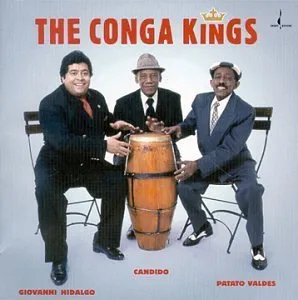
The Conga Kings
The Conga Kings
Guaguancó
Rumba Cubana
Boogaloo
Similar artists
3
/5
Mongo Santamaria
Rumba Cubana
Boogaloo
Mambo
2
/5
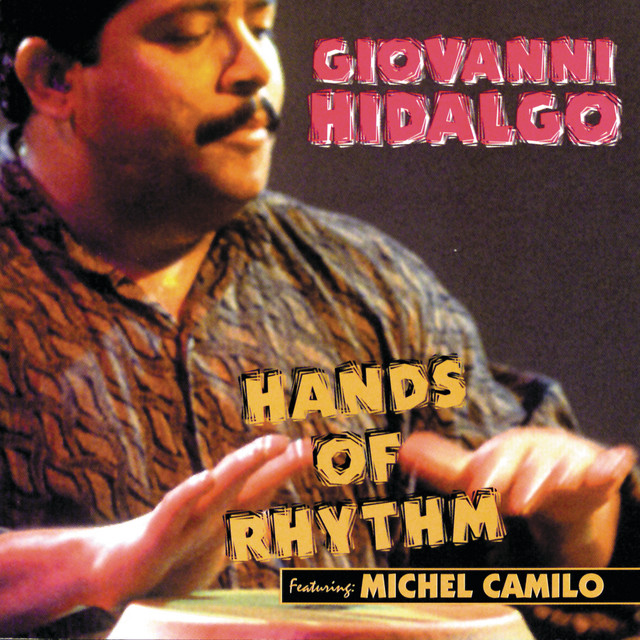
Giovanni Hidalgo
Latin Jazz
Boogaloo
Guaguancó
1
/5
Carlos Valdes
Latin Jazz
Boogaloo
Guaguancó
3
/5
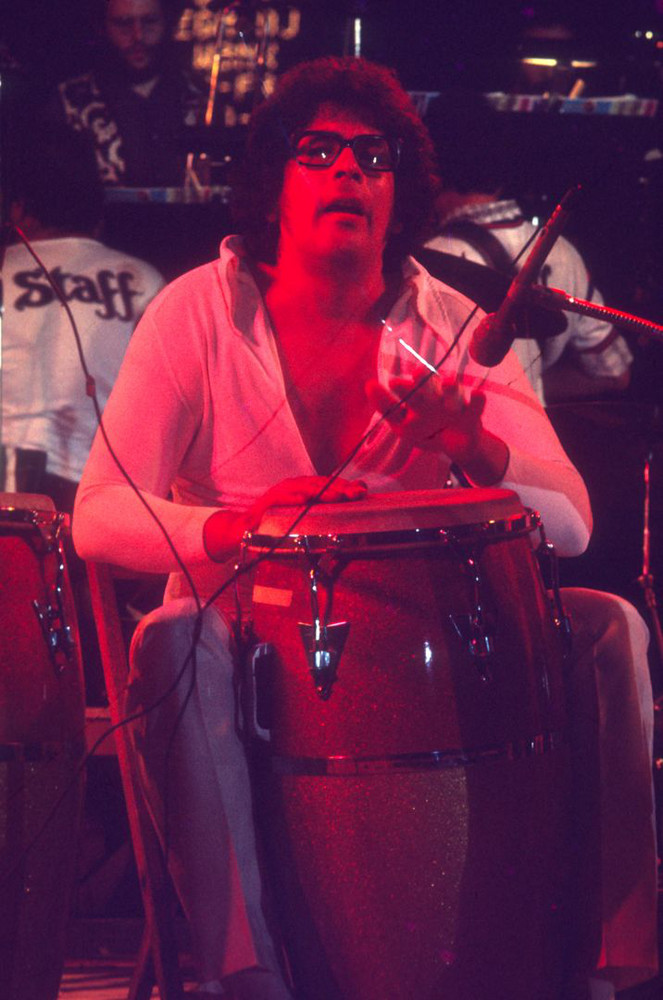
Ray Barretto
Salsa
Latin Jazz
Son Cubano
3
/5
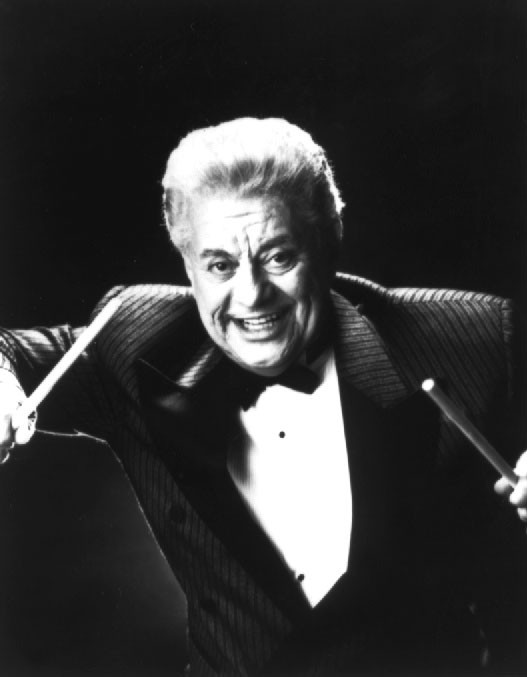
Tito Puente
Mambo
Chachachá
Latin
3
/5
Eddie Palmieri
Salsa
Salsa Dura
Latin Jazz
3
/5
Cortijo Y Su Combo
Plena
Bomba
Guaracha
1
/5
Various Artists
Afro-Funk
Alternative Rock
Ambient
3
/5
Pérez Prado
Mambo
Space Age Pop
Latin Jazz
3
/5
Pete Rodriguez
Latin Jazz
Salsa
Chachachá
Download our mobile app
Get the Melodigging app and start digging for new genres on the go
Download on the App Store
Get it on Google Play
© 2026 Melodigging
Give feedback
Legal
Melodding was created as a tribute to
Every Noise at Once
, which inspired us to help curious minds keep digging into music's ever-evolving genres.