Genres
Artists
Albums
Make Music
Sign in
Sign in
Artists
Alté
Artists
Alté
BNYX®
Listen
4
/5
Genres
Rage Rap
Rage rap is a high-energy, synth-forward strain of contemporary trap characterized by distorted 808s, fast rolling hi‑hats, and bright, detuned supersaw or arpeggiated lead lines borrowed from EDM. The beats are usually minimal in harmony but maximal in timbre, building intensity with looping motifs, risers, and dramatic filter sweeps. Vocals tend to be shouted or projective rather than whispered, with catchy, repetitive hooks and ad‑lib heavy delivery. Lyrical themes often center on flexing, hedonism, designer fashion, and internet-native lifestyle signifiers. Typical tempos land in the 130–150 BPM range, favoring short, loop-driven structures that explode quickly and end before the energy dips, making the style highly viral and performance-ready.
Discover
Listen
Sexy Drill
Sexy drill is a contemporary offshoot of drill that blends the genre’s signature sliding 808s, icy textures, and syncopated hi-hats with flirtatious, romantic, and often explicitly sensual lyrics. Where traditional drill leans into menace and street reportage, sexy drill softens the edges with melodic hooks, R&B-inflected toplines, and playful, self-assured delivery. The result is a club-ready, fashion-forward sound that keeps the rhythmic bite of UK/NY drill but swaps violent imagery for confident seduction and intimate narratives. Production typically sits around 138–145 BPM with gliding bass, chopped vocal stabs, airy pads, and bright percussive details. Vocals may alternate between rapped verses and sung refrains, frequently enhanced by tasteful Auto-Tune and ad‑libs that heighten the sultry mood.
Discover
Listen
Rage
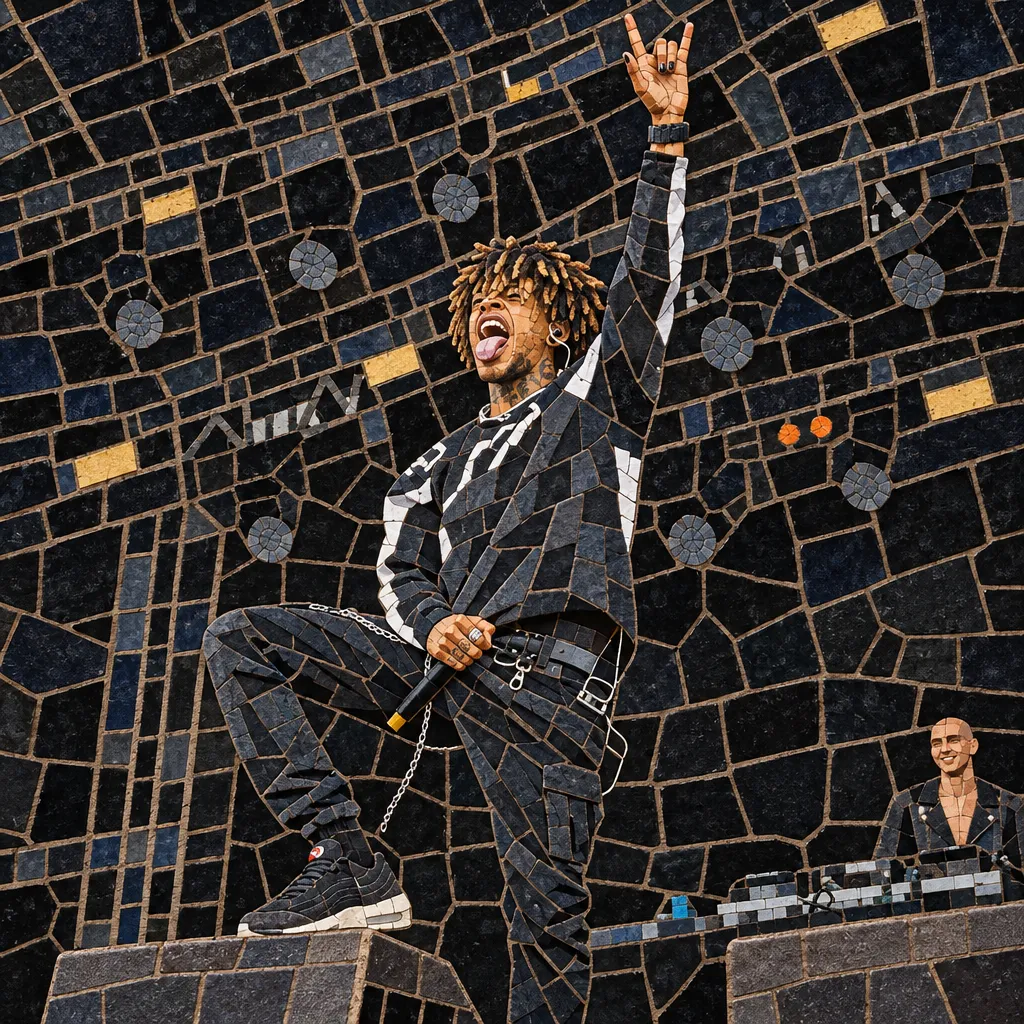
Rage is a high-energy, synth-forward trap production style characterized by bright, detuned supersaw leads, pounding 808s, and fast, looping drum patterns built for explosive rap performances. It emphasizes instant-impact hooks, minimal chord movement, and anthemic drops that feel closer to festival EDM crescendos than traditional hip hop breakdowns. The sound rose from the post–SoundCloud, punk-influenced branch of trap, drawing on the icy simplicity of Playboi Carti’s late-2010s palette and marrying it with trance/eurodance-styled leads and EDM trap dynamics. The result is a glossy, adrenalized bed for shouted, rebellious vocals—music designed for mosh pits, arena stages, and viral snippets alike.
Discover
Listen
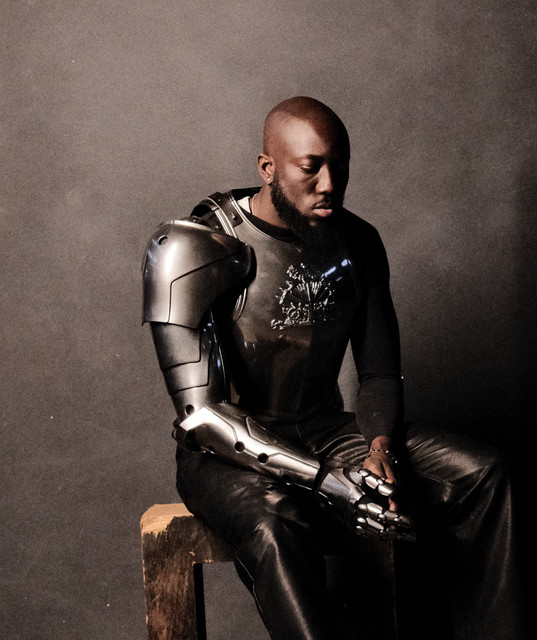
Alté
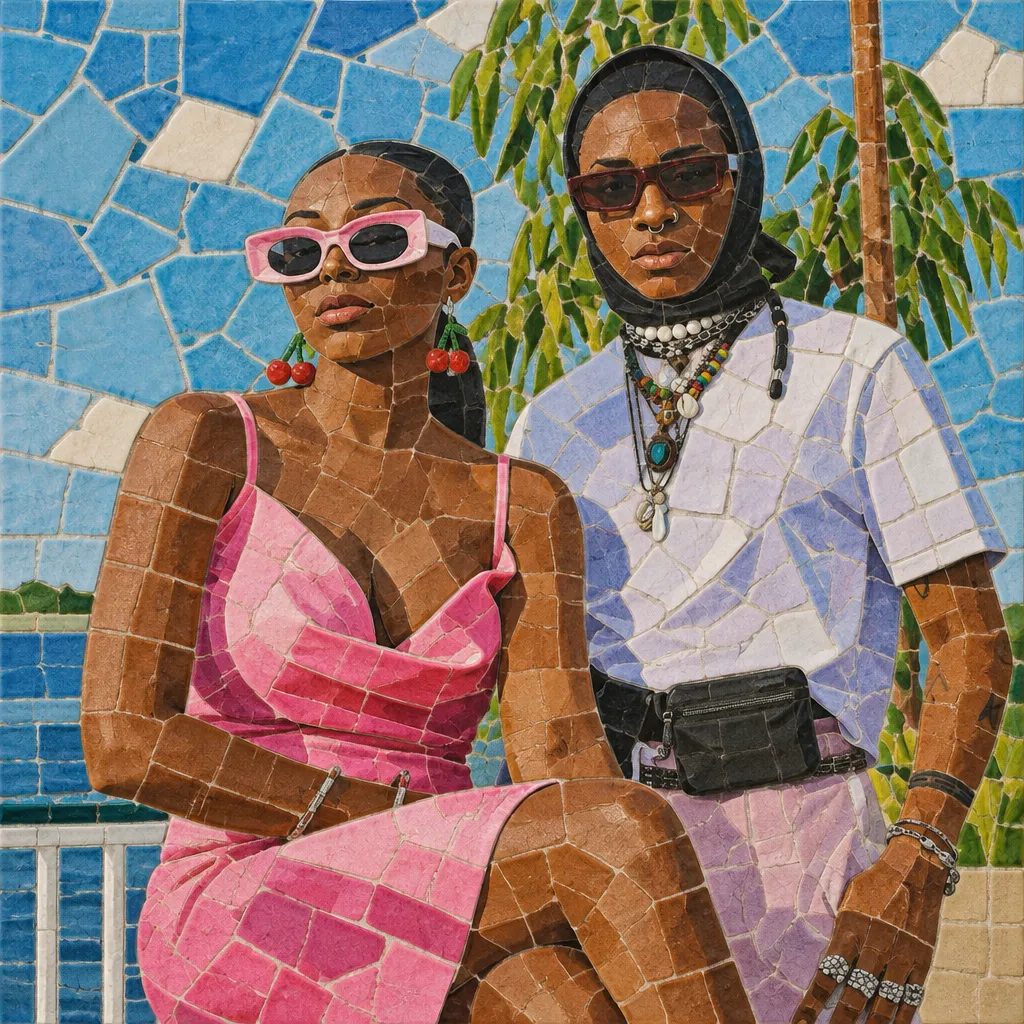
Alté (often stylized as alté) is a Nigerian-born, genre-fluid movement that blends alternative R&B, Afrobeats, hip hop, neo-soul, dancehall, and indie pop into a moody, atmospheric sound. It values experimentation, understated grooves, and a DIY ethos that extends from production choices to fashion, visuals, and community. Songs typically feature warm, textural synths, lightly swung Afrocentric percussion, silky vocals, and introspective lyrics delivered in English, Nigerian Pidgin, or code-switches. Rather than chasing club maximalism, alté favors mid‑tempo rhythms, lush harmony, and space for tone and texture to breathe.
Discover
Listen
Cloud Rap
Cloud rap is a hip hop microgenre defined by ethereal, reverb‑drenched textures, soft pads, and minimal drum programming that creates a floating, dreamlike atmosphere. Beats tend to be sparse and space-conscious, with airy synths, distant vocal samples, and gentle 808s supporting raps that are often introspective, deadpan, or emotionally detached. The sound crystallized online in the early 2010s through platforms like DatPiff, Tumblr, and SoundCloud, pairing Southern rap rhythms with ambient and chillwave aesthetics. Rather than virtuosic density, cloud rap prizes mood, negative space, and a sense of weightlessness, translating internet-era solitude and nostalgia into hazy, pastel-toned hip hop.
Discover
Listen
Big Room House
Big room house is a festival-focused strain of EDM built for massive sound systems and outdoor main stages. It typically runs around 126–132 BPM (most commonly 128), uses four-on-the-floor kick patterns, and features huge, simple lead riffs designed to be instantly memorable to large crowds. A defining trait is the contrast between cinematic, reverb-washed breakdowns and ultra-dry, percussive drops driven by a powerful kick, sub, and a few bold supersaw or horn-like synth stabs. Arrangements lean on dramatic builds with snare rolls, risers, and crowd-hyping vocal chops, culminating in drops that emphasize impact over harmonic complexity.
Discover
Listen
The Wave
The Wave is a loosely defined cluster of American post-hardcore/emo bands that surged in the early 2010s as emo-pop’s mainstream moment faded. The name was a tongue‑in‑cheek scene tag that stuck in press coverage, but it points to a real overlap in sound, ethos, and touring networks. Musically, The Wave fuses the urgency of 1990s post‑hardcore and screamo with confessional, literate lyric writing associated with emo. Expect shouted or half‑sung/half‑spoken vocals, dynamic quiet‑loud builds, intricate but driving drums, and guitar textures that shift between glassy clean arpeggios and overdriven, emotive climaxes. The songs often emphasize catharsis, narrative detail, and community-minded DIY presentation.
Discover
Listen
Channel Pop
Channel pop is a digital-era strain of mainstream pop shaped by video and creator platforms—especially YouTube and later TikTok and Instagram—where artists build audiences through frequent uploads on their own “channels.” Musically it favors intimate, highly polished but close-mic’d vocals, acoustic guitar or piano-led arrangements, restrained beats, and succinct, playlist-friendly structures. Many releases are cover-first (reimagining recent chart hits) with a steady flow of glossy singles, session-style performances, and creator collaborations that gradually blend into original material. Titles, artwork, and release cadence are optimized for search and recommendation algorithms, yielding a sound that is simultaneously personal and platform-aware.
Discover
Listen
Scream Rap
Scream rap is a high-intensity rap style defined by screamed, shouted, or harsh-vocal delivery over trap-leaning beats. Rather than relying on metal-style guitars, it typically keeps a hip-hop rhythmic core—808s, rattling hi‑hats, and booming sub-bass—while pushing vocals and drums into aggressive saturation and intentional clipping. The result is a cathartic, visceral sound that fuses the emotional volatility of screamo and hardcore punk with the swagger, rhythm, and production grammar of contemporary rap. Lyrical themes often center on rage, alienation, mental health, and internet-era nihilism, but also on boastful energy designed for moshpits and explosive live shows.
Discover
Listen
Brazilian Trap
Brazilian trap (trap brasileiro) is the Brazilian adaptation of the Atlanta-born trap sound, performed primarily in Portuguese and colored by local rhythms, slang, and aesthetics. It features 808-heavy beats, half-time grooves, rapid hi-hat rolls, and melodic, Auto-Tuned vocals, while often folding in the swing and percussive feel of funk carioca. Lyrics commonly move between street realities, internet-native lifestyle, fashion, and aspirational luxury, with strong regional accents and Brazilian vernacular giving it a distinct identity from US trap.
Discover
Listen
Experimental Club Music
Experimental club music (often called post-club or deconstructed club) is a hybrid, avant‑garde approach to club production and performance that treats the dancefloor as a laboratory. It uses the grammar of contemporary club forms—heavy sub‑bass, kick patterns, samples, MC or chopped vocals—as raw material to be cut apart, collaged, and reassembled. Instead of four‑to‑the‑floor regularity, it favors asymmetry, abrupt contrasts, negative space, and extreme sound design drawn from noise, industrial, grime, ballroom/vogue, reggaeton, and internet culture. The result ranges from skeletal, percussive workouts to dense, cinematic soundscapes that can be as confrontational as they are cathartic. Just as importantly, the scene has been a site of diasporic, queer, and trans expression, where identity and politics are embedded in sonic choices and performance practice.
Discover
Listen
Trap
Trap is a subgenre of hip hop that emerged from the Southern United States, defined by half-time grooves, ominous minor-key melodies, and the heavy use of 808 sub-bass. The style is characterized by rapid, syncopated hi-hat rolls, crisp rimshot/clap on the backbeat, and cinematic textures that convey tension and grit. Lyrically, it centers on street economies, survival, ambition, and introspection, with ad-libs used as percussive punctuation. Production is typically minimal but hard-hitting: layered 808s, sparse piano or bell motifs, dark pads, and occasional orchestral or choir samples. Vocals range from gravelly, staccato deliveries to melodic, Auto-Tuned flows, often using triplet cadences.
Discover
Listen
Hip Hop
Hip hop is a cultural and musical movement that emerged from Black, Latino, and Caribbean communities, centering around rapping (MCing), DJing/turntablism, sampling-based production, and rhythmic speech over beats. It prioritizes groove, wordplay, and storytelling, often reflecting the social realities of urban life. Musically, hip hop is built on drum-centric rhythms (from breakbeats to 808 patterns), looped samples, and bass-forward mixes. Lyrically, it ranges from party anthems and braggadocio to political commentary and intricate poetic forms, with flow, cadence, and rhyme density as core expressive tools. Beyond music, hip hop encompasses a broader culture, historically intertwined with graffiti, b-boying/b-girling (breakdance), fashion, and street entrepreneurship, making it both an art form and a global social language.
Discover
Listen
Afro Adura
Afro-Adura is a Nigerian, street-rooted branch of Afrobeats, also described as street-hop. Its distinguishing centre is lyrical rather than purely sonic: prayer-like, introspective and motivational writing joins raw street expression with stories of hardship, endurance, hustle, faith and hoped-for reward. “Adura” means prayer in Yoruba, and the style brings spirituality into contemporary popular music. Its cultural frame connects ancestral Nigerian sounds, including Fuji and Apala, with the influence of the white-garment church tradition, while allowing contemporary Afropop, Afro-fusion and Amapiano elements. The result is emotionally direct music aimed at lived realities rather than escapism alone.
Discover
Listen
Show all 14 genres
Similar artists
Hide discovered
5
/5
Drake
Canadian Hip Hop
Hip Hop
Pop Rap
5
/5
Future
Atl Hip Hop
Hip Hop
Trap
5
/5
Travis Scott
Slap House
Hip Hop
Rap
5
/5
Juice WRLD
Emo Rap
Melodic Rap
Rap
5
/5
Post Malone
Hip Hop
Melodic Rap
Pop
5
/5
Gunna
Hip Hop
Trap
Atl Hip Hop
5
/5
A$AP Rocky
East Coast Hip Hop
Hip Hop
Rap
5
/5
Playboi Carti
Plugg
Pluggnb
Hip Hop
5
/5
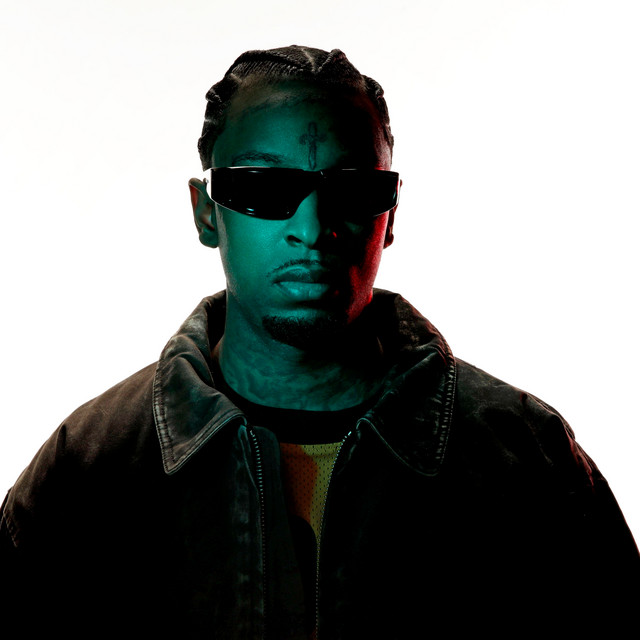
21 Savage
Hip Hop
Atl Hip Hop
Trap
5
/5
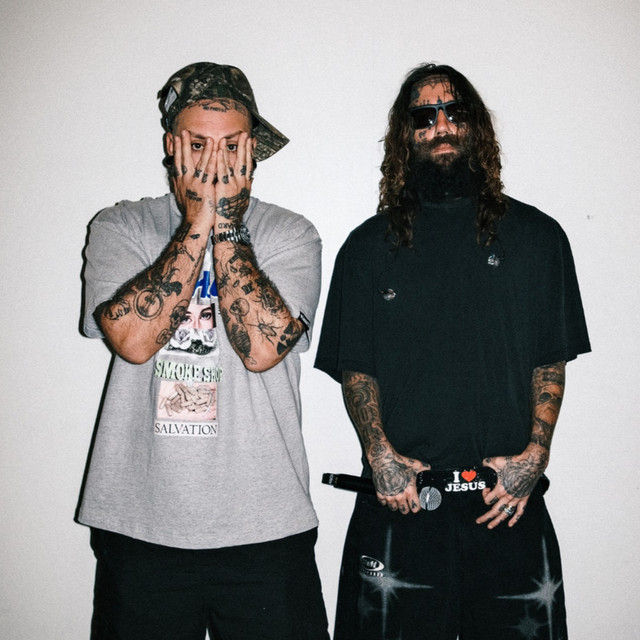
$uicideboy$
Cloud Rap
Emo Rap
Horrorcore
Download our mobile app
Get the Melodigging app and start digging for new genres on the go
Download on the App Store
Get it on Google Play
© 2026 Melodigging
Give feedback
About & FAQ
Legal
Melodding was created as a tribute to
Every Noise at Once
, which inspired us to help curious minds keep digging into music's ever-evolving genres.