Genres
Artists
Albums
Make Music
Sign in
Sign in
Artists
Chicago Soul
Artists
Chicago Soul
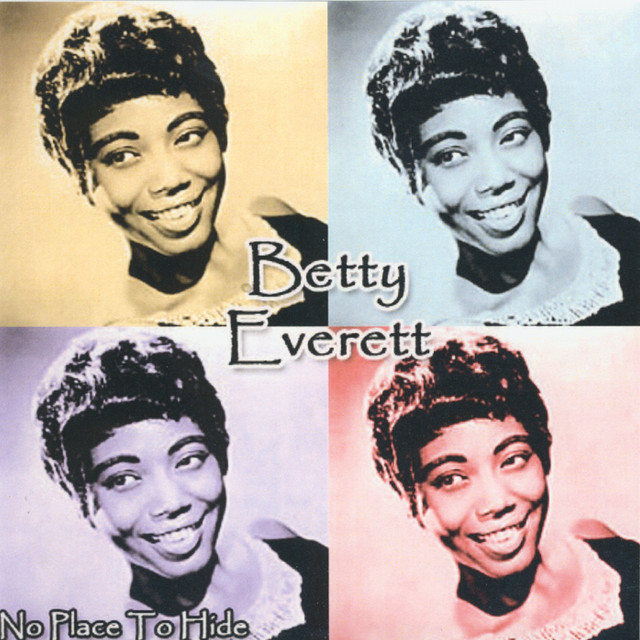
Betty Everett
Listen
3
/5
Genres
Souldies
Souldies is a modern revival of classic lowrider “oldies” soul—slow, tender ballads rooted in 1960s and early-’70s sweet soul and doo‑wop aesthetics, reimagined by a new generation of largely Chicano/Latinx artists in Southern California. Characterized by warm, analog-leaning production, mellow backbeats, honeyed vocal harmonies, and heart‑on‑sleeve lyricism, the style favors mid‑slow tempos, tape‑like saturation, spring/plate reverb, and minimalist yet expressive arrangements. English and Spanish (or Spanglish) lyrics often explore love, longing, devotion, and cruising/lowrider culture. Souldies sits at the intersection of classic soul, rhythm & blues, northern soul selections, and Latin soul, offering a contemporary, community‑centered sound that feels both timeless and newly personal.
Discover
Listen
Chicago Soul
Chicago soul is a smooth, melodic branch of 1960s soul music that grew out of the city’s rich gospel, doo‑wop, and rhythm & blues traditions. Compared with the harder-edged Southern soul and the tightly percussive Motown sound, Chicago soul favors graceful string and horn arrangements, warm vocal harmonies, and a polished, pop-aware production aesthetic. It is defined by clean rhythm sections, gospel-inflected leads (often with falsetto), call-and-response backgrounds, and lyrical themes that range from tender romance to community uplift and social conscience. Key labels (Chess, Vee‑Jay, Okeh, Brunswick, and later Curtom) and producers/arrangers (notably Carl Davis and Johnny Pate) shaped a signature sound that balanced church-born emotion with urbane sophistication.
Discover
Listen
Motown
Motown (often called the "Motown Sound" or Detroit soul) is a sleek, hook-driven form of soul that fused Black gospel fervor and rhythm & blues groove with pop songwriting craft and radio-friendly production. Born out of Berry Gordy Jr.’s Motown Records in Detroit, the sound emphasized strong melodies, tight vocal harmonies, and a driving backbeat designed for broad crossover appeal. Hallmarks include tambourine on the backbeat, handclaps, punchy horns and strings, shimmering glockenspiel or vibraphone accents, and highly melodic bass lines. Lead vocals often deliver heartfelt, universal stories of love and heartbreak, answered by responsive background harmonies. Songs typically use concise verse–chorus forms, bridges, and modulations to keep energy rising. Behind many hits was the Motown house band, the Funk Brothers, whose danceable grooves powered an assembly-line approach to songwriting and production—resulting in an unmatched run of chart-topping records that reshaped the sound of American pop.
Discover
Listen
Northern Soul
Northern soul is a British dance and record‑collecting movement that champions fast, dramatic, and often obscure American soul singles from the mid‑1960s. Rooted in the mod scene, it favors Motown‑influenced 4/4 "stompers" with driving backbeats, tambourine, handclaps, punchy horns, and soaring vocals. Rather than a studio-born genre, northern soul is a club culture defined by DJs, dancers, and rare 7-inch singles. Its identity centers on high-tempo soul songs (typically 120–135 BPM), euphoric choruses, and romantic or inspirational themes that keep dancefloors moving through all‑night sessions.
Discover
Listen
Doo-Wop
Doo-wop is a vocal harmony–driven style of rhythm and blues that blossomed in mid-century urban America. Built around lead-tenor melodies, lush background harmonies, and playful nonsense syllables (the source of its name), the genre blends church-bred gospel techniques with street-corner spontaneity. Musically, doo-wop favors simple, singable chord cycles—especially the “’50s progression” (I–vi–IV–V)—a steady 4/4 or lilting 12/8 feel, and call-and-response between lead and backing parts. Arrangements range from a cappella to small combos with guitar, piano, bass, light drums, and occasional saxophone. Lyrically, the songs are often teen-centered: romance, longing, heartbreak, and devotion. The sound emerged in the late 1940s within African-American communities and soon resonated across ethnic lines, inspiring groups in cities such as New York, Philadelphia, Chicago, Detroit, and Los Angeles. Its polished harmonies, sweet ballads, and hooky refrains helped shape early rock and roll and later pop harmony traditions.
Discover
Listen
Similar artists
1
/5
Various Artists
Afro-Funk
Alternative Rock
Ambient
3
/5
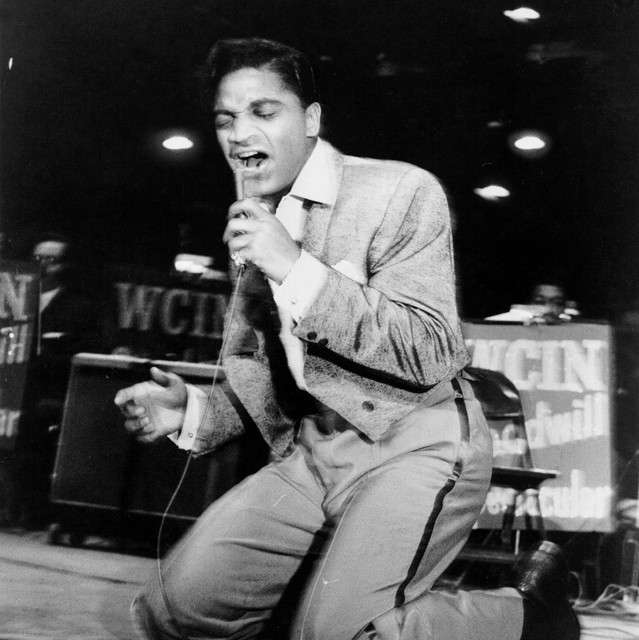
Jackie Wilson
Chicago Soul
Soul
Doo-Wop
3
/5
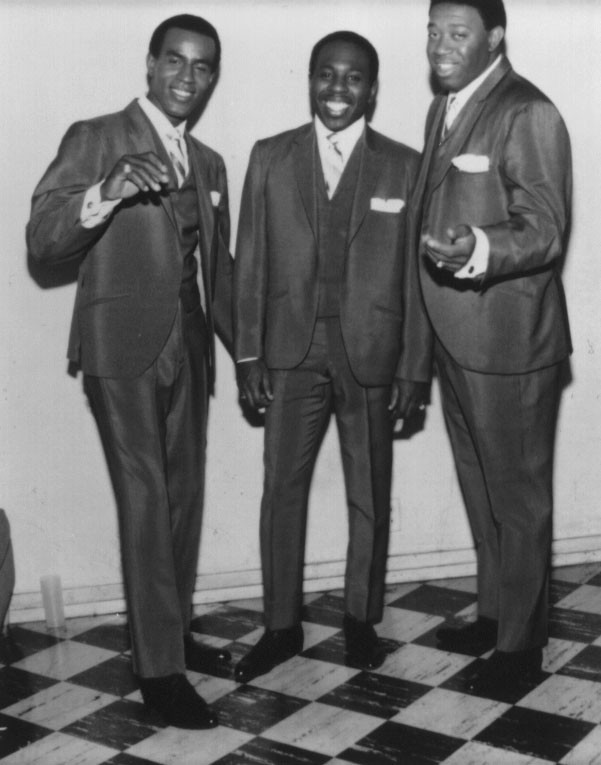
The Impressions
Chicago Soul
Classic Soul
Doo-Wop
3
/5
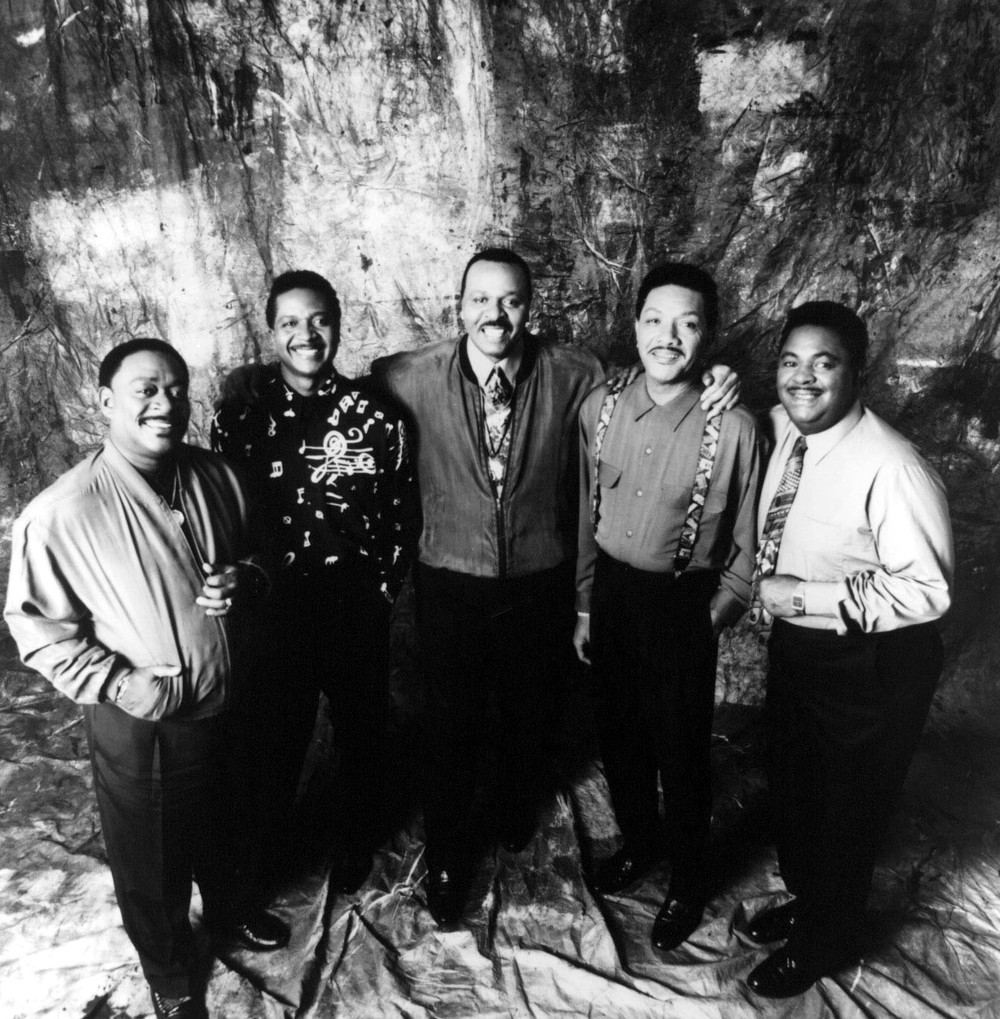
The Dells
Philly Soul
Chicago Soul
Classic Soul
3
/5
Jerry Butler
Philly Soul
Chicago Soul
Classic Soul
3
/5
Frankie Valli & The Four Seasons
Doo-Wop
Northern Soul
Rockabilly
3
/5
Mary Wells
Classic Soul
Doo-Wop
Motown
3
/5
The Marvelettes
Doo-Wop
Motown
Girl Group
3
/5
Doris Troy
Doo-Wop
Motown
Northern Soul
3
/5
Gene Chandler
Chicago Soul
Doo-Wop
Northern Soul
Download our mobile app
Get the Melodigging app and start digging for new genres on the go
Download on the App Store
Get it on Google Play
© 2026 Melodigging
Give feedback
Legal
Melodding was created as a tribute to
Every Noise at Once
, which inspired us to help curious minds keep digging into music's ever-evolving genres.