Genres
Artists
Albums
Make Music
Sign in
Sign in
Artists
Boogie
Artists
Boogie
B.T. (Brenda Taylor)
1982
·
1 album
Listen
1
/5
Genres
Deep Funk Ostentacao
Deep funk ostentação is a moody, late‑night variant of São Paulo’s funk ostentação, emphasizing deeper sub‑bass, sparse percussion, and atmospheric pads while retaining the genre’s themes of luxury, status, and upward mobility. Compared with the brighter, EDM‑leaning hits of ostentação in the early 2010s, the “deep” approach strips arrangements down to hypnotic tamborzão grooves, 808 low‑end, and minimal, minor‑key synth motifs. Vocals often sit closer to the beat, with autotune and chant‑like hooks, but the lyrical focus remains on conspicuous consumption (cars, brands, nightlife) filtered through a more introspective, nocturnal aesthetic.
Discover
Listen
Post-Disco
Post-disco emerged at the turn of the 1980s as club music adapted to the backlash against late-1970s disco. It kept disco’s dance-floor focus but pared down the orchestral lushness, replacing strings and large horn sections with drum machines, synthesizers, and tighter funk- and soul-informed grooves. The style favors mid-tempo, bass-forward rhythms (often around 105–120 BPM), crisp handclaps, syncopated rhythm guitar, and glossy keyboard textures. It served as a bridge between classic disco and later developments like boogie, electro-funk, house, freestyle, and dance-pop, defining the sonic palette of early 1980s urban contemporary R&B.
Discover
Listen
Post-Disco Soul
Post-disco soul is the sleek, mid-tempo strain of early‑1980s R&B that emerged in the wake of the late‑1970s disco backlash. Contemporary writers even called it “disco without the loud bass‑drum thump,” pointing to arrangements that softened four‑on‑the‑floor while keeping club‑ready grooves and romantic soul vocalism. It favors drum machines, handclap accents, and warm electric piano/polysynth textures over the lavish strings and horns of classic disco. Rhythmically it leans on a strong backbeat and mid‑tempo bounce (often around 110–116 BPM), with slap or synth bass, glossy chords, and prominent synthesizers—traits shared with and often overlapping the “boogie” subset. Its studio craft was shaped by DJs/producers and 12‑inch mixes coming out of New York and Los Angeles, linking the disco era to modern R&B and the nascent house/garage scenes.
Discover
Listen
Boogie
Boogie (often called boogie-funk or post-disco) is a mid‑tempo, synth-forward strain of R&B that emerged as disco’s luminous sheen gave way to sleeker, funkier production. It centers on rubbery basslines (often synth-bass), crisp handclaps and clattering drum-machine patterns, jazzy/modern-soul chord voicings, and hook-laden vocals that celebrate nightlife, romance, and empowerment. Typically sitting around 100–115 BPM, boogie blends the rhythmic insistence of funk with disco’s dancefloor sensibility, replacing full orchestras with analog synths, electric pianos, and early drum machines for a glossy yet warm sound.
Discover
Listen
Albums
1982
1
/5
You Can't Have Your Cake and Eat It Too
B.T. (Brenda Taylor)
Post-Disco Soul
Similar artists
1
/5
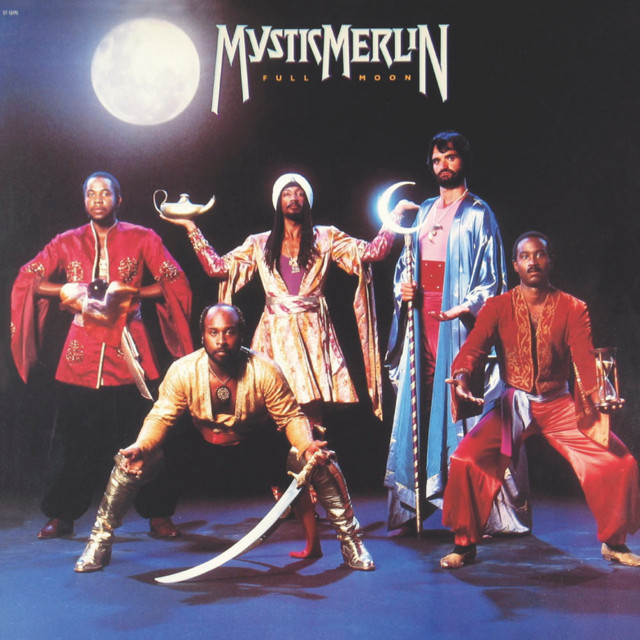
Mystic Merlin
Boogie
Post-Disco
Post-Disco Soul
1
/5
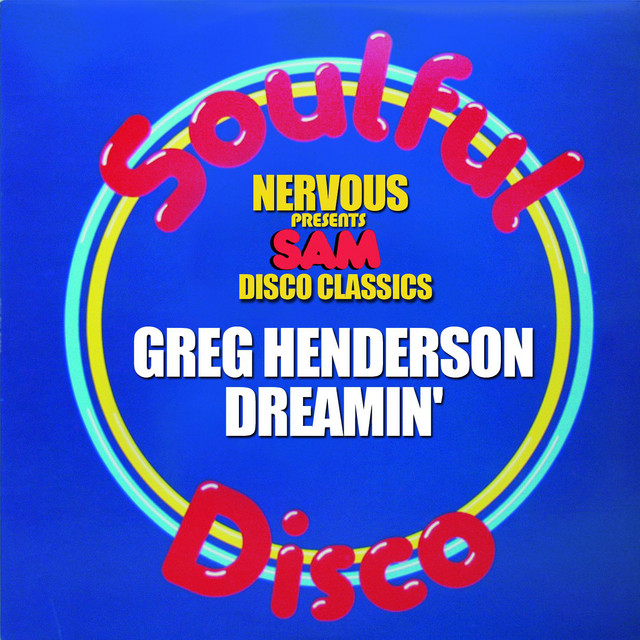
Greg Henderson
Boogie
Disco
Post-Disco
1
/5
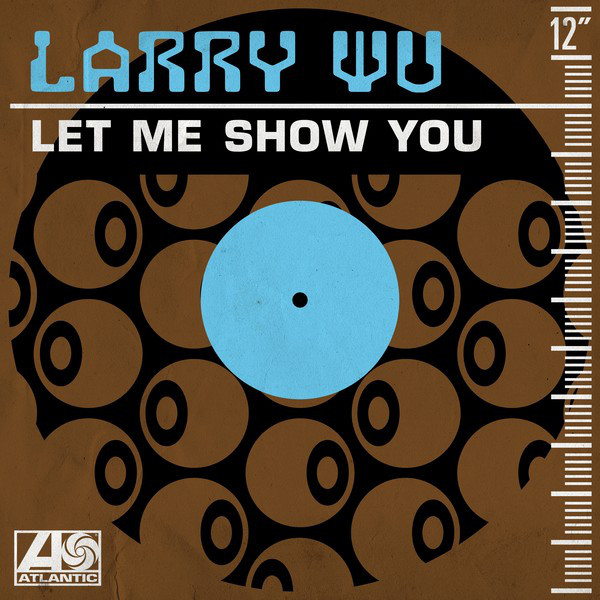
Larry Wu
Boogie
Post-Disco
Post-Disco Soul
1
/5
Various Artists
Afro-Funk
Alternative Rock
Ambient
3
/5
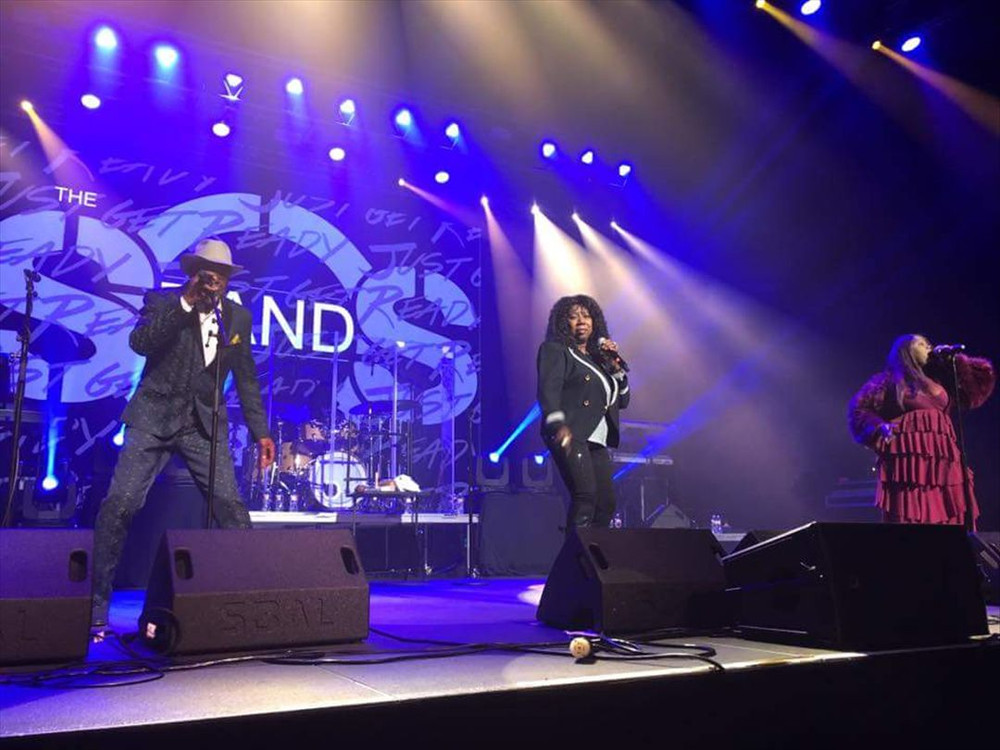
The S.O.S Band
Minneapolis Sound
Boogie
Funk
3
/5
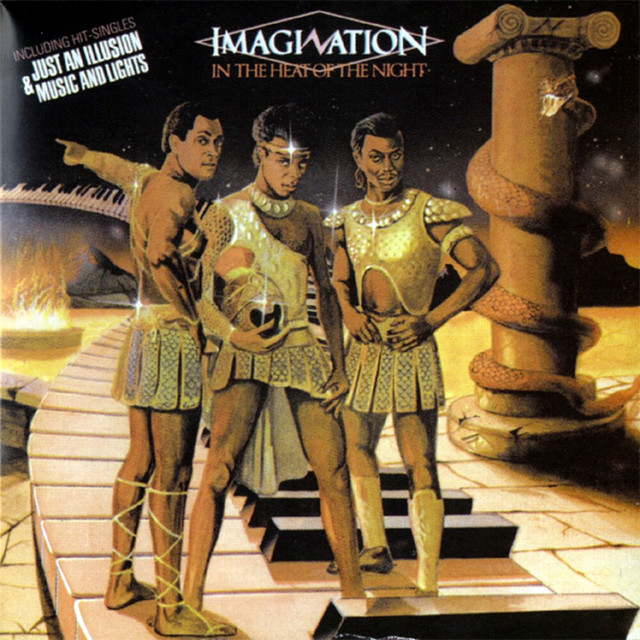
Imagination
Brit Funk
Post-Disco
Disco
3
/5
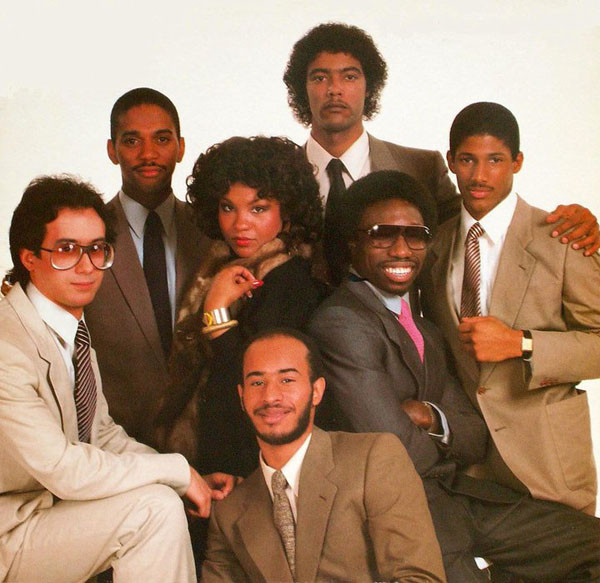
Change
Disco
Post-Disco
Boogie
3
/5
D-Train
Boogie
Disco
Funk
3
/5
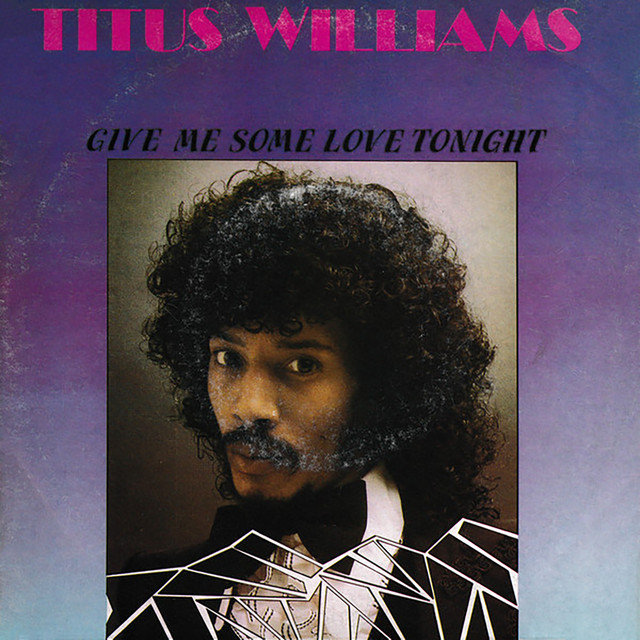
Titus Williams
Boogie
Post-Disco
Chill Guitar
2
/5
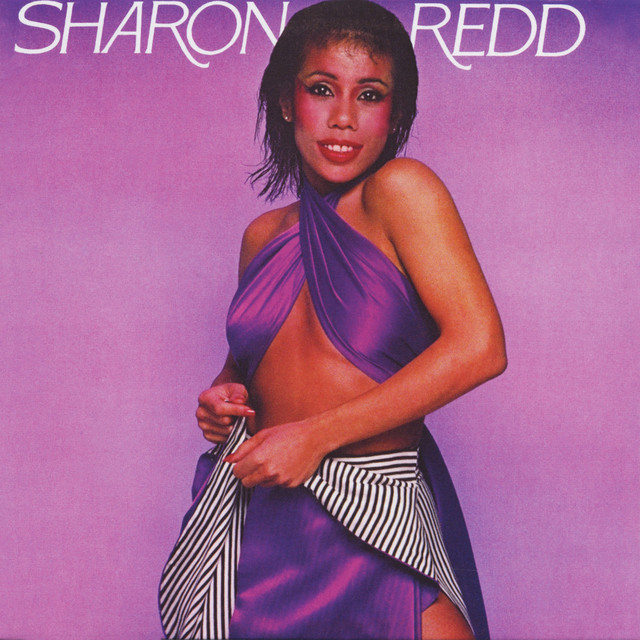
Sharon Redd
Boogie
Chicago House
Disco
Download our mobile app
Get the Melodigging app and start digging for new genres on the go
Download on the App Store
Get it on Google Play
© 2026 Melodigging
Give feedback
Legal
Melodding was created as a tribute to
Every Noise at Once
, which inspired us to help curious minds keep digging into music's ever-evolving genres.