Genres
Artists
Albums
Make Music
Sign in
Sign in
Artists
Dance-Punk
Artists
Dance-Punk
At the Drive-In
1996–2000
·
2 albums
Listen
3
/5
Genres
Indie Shoegaze
Indie shoegaze is a modern fusion of indie rock songcraft with the texture-heavy aesthetics of classic shoegaze. It keeps the haze: washed-out guitars drenched in reverb and delay, breathy or buried vocals, and a strong emphasis on atmosphere. Unlike the denser, sometimes overwhelming walls of sound in late-’80s/early-’90s shoegaze, indie shoegaze tends to prize clearer hooks, jangly patterns, and compact song forms. The result is a gauzy, melodic sound that feels intimate and contemporary while still dreamily saturated.
Discover
Listen
Modern Indie Folk
Modern indie folk is a 2010s-era evolution of indie folk that blends intimate, acoustic songwriting with contemporary production aesthetics. It keeps the core of folk—storytelling, fingerpicked guitars, and close-miked vocals—but expands the palette with ambient textures, chamber-style strings, subtle electronics, cinematic reverb, and spacious, headphone-first mixes. The result is a sound that feels both handcrafted and atmospheric: confessional lyrics carried by hushed deliveries, layered harmonies, and warm analog or tape-like saturation, often moving between 4/4 and swaying 6/8/12/8 meters. At its center are themes of memory, nature, relationships, and quiet self-reckoning, expressed through vivid imagery and minimalist arrangements that bloom into emotive crescendos.
Discover
Listen
Post-Post-Hardcore
Post-post-hardcore is a polished, third-wave offshoot of post-hardcore that crystallized in the 2010s. It fuses the genre’s emotive, dynamic vocals and tension-release structures with modern pop hooks, electronic programming, and metalcore heft. Compared with classic post-hardcore, it favors glossy production, radio-leaning choruses, and hybridized textures—think syncopated djent-lite riffs under bright synths, EDM-style risers and drops, half-time breakdowns, and call-and-response vocals (screamed versus soaring cleans). The result is an accessible yet intense sound that thrives in the internet era of playlists, YouTube covers, and scene cross-pollination.
Discover
Listen
Modern Ska Punk
Modern ska punk is a 2010s–2020s reboot of ska’s off‑beat guitar “skank” and brass arrangements fused with pop‑punk hooks, hardcore energy, and contemporary indie/DIY production. It keeps Jamaican ska’s upstroke rhythm and walking bass feel, but toggles to double‑time punk beats and distortion for choruses, foregrounding big gang vocals and tightly voiced horn stabs. Culturally, the scene coalesced around inclusive, explicitly anti‑racist/anti‑sexist, queer‑affirming DIY communities (e.g., Bad Time Records), and a new crop of bands that treat ska not as nostalgia but as a flexible songwriting language. High‑profile signals of the revival included Jeff Rosenstock’s 2021 full‑album ska rework SKA DREAM, and We Are the Union’s Ordinary Life, a trans‑affirming, hook‑forward ska‑punk LP. The term “New Tone,” popularized by members of Bad Operation, captures a cleaner, roots‑aware but forward‑looking branch of the sound.
Discover
Listen
Diy Emo
DIY emo is a grassroots, home-recorded and community-driven branch of contemporary emo that blends twinkly Midwest-emo guitar work, confessional lyricism, and pop-punk urgency with a distinctly lo‑fi, self-produced aesthetic. It foregrounds the ethics of the do‑it‑yourself underground: basement shows, tape or Bandcamp releases, collective touring, and a preference for intimacy over polish. Sonically, it leans on clean, chiming guitars, melodic basslines, dynamic drumming, and unvarnished vocals that veer from soft-spoken to cathartic sing-alongs. Rather than chasing radio gloss, DIY emo embraces rawness and vulnerability—often capturing the feel of a crowded living room show—while channeling themes of friendship, mental health, hometowns, and the bittersweet transitions of early adulthood.
Discover
Listen
Swancore
Swancore is a bright, technical offshoot of post-hardcore marked by intricate, funk-tinged guitar work, elastic grooves, and the interplay of soaring clean vocals with harsher screams. Named after guitarist Will Swan (Dance Gavin Dance), the style emphasizes tight, syncopated riffing, frequent tapping, and jazz-fusion flourishes wrapped in catchy, pop-forward hooks. Arrangements pivot rapidly between aggressive bursts and sleek melodic passages. The harmony often ventures beyond basic triads to include extensions, mode mixture, and chromatic voice-leading, while drums favor ghost-note heavy, linear patterns and occasional odd-meter turns. Despite the complexity, Swancore typically retains an upbeat, glossy production aesthetic that highlights clarity, agility, and rhythmic snap.
Discover
Listen
Post-Screamo
Post-screamo is a modern, studio-savvy offshoot of screamo that blends the genre’s emotive harsh vocals with sleek, pop-leaning hooks and polished, post-hardcore/metalcore instrumentation. Compared with classic screamo, it favors dynamic “scream-and-sing” song forms, EDM/electronic textures, and breakdowns with djent-tinged guitar tones. Clean choruses, cinematic builds, and glossy production sit alongside cathartic screams, creating a style that is equal parts heavy release and radio-ready melodicism.
Discover
Listen
Post-Hardcore
Post-hardcore is a branch of hardcore punk that retains the style’s urgency and DIY ethos while expanding its musical vocabulary. Bands push beyond breakneck tempos and simple power-chord progressions into more dynamic song structures, varied rhythms, and a wider emotional range. Guitars often alternate between caustic distortion and clean, chiming textures; vocals can shift from shouted slogans to melodic singing; and arrangements emphasize tension-and-release, odd meters, and dramatic builds. Lyrically, post-hardcore tends to be more introspective and socially conscious than its hardcore roots, touching on personal, political, and philosophical themes.
Discover
Listen
Emo
Emo is a rock subgenre that emerged from the mid-1980s Washington, D.C. hardcore punk scene as “emotional hardcore” (often shortened to emocore). It retains punk’s urgency but foregrounds confessional, vulnerable lyrics and dramatic dynamic shifts. Across its eras, emo has encompassed several distinct sounds: the intense, cathartic D.C. style; the melodic, guitar‑intricate “Midwest emo” of the 1990s; and the 2000s mainstream wave that blended emo’s lyrical candor with pop‑punk hooks (often called “emo pop”). Common musical traits include intertwining clean and overdriven guitars, intricate arpeggios and counter‑melodies, elastic song structures, and vocals that range from intimate murmurs to raw, impassioned shouts.
Discover
Listen
Alternative Rock
Alternative rock is a broad umbrella for guitar-based rock that emerged from the independent and college-radio scenes as a counterpoint to mainstream, commercial rock. It blends the energy and ethos of punk with the textural and songwriting experiments of post-punk, new wave, jangle pop, and noise rock, often foregrounding introspective or socially aware lyrics. Across its many strains—from the melodic minimalism of college rock to the loud-quiet-loud dynamics of grunge and the artful experimentation of Radiohead-era modernism—alternative rock prioritizes authenticity, sonic individuality, and a do-it-yourself approach. Its sound ranges from chiming, chorus-laden clean guitars to abrasive distortion and feedback, supported by straightforward rock rhythms or off-kilter grooves, and production that can be either raw and live-sounding or polished yet unconventional.
Discover
Listen
Dance-Punk
Dance-punk is a fusion of punk’s abrasive energy and attitude with the groove-forward rhythms of funk and disco. It favors tight, four-on-the-floor drum patterns, rubbery and syncopated bass lines, choppy, scratchy rhythm guitars, and percussion accents like cowbell and handclaps. Vocals are often shouted, talk-sung, or delivered with sardonic cool, and lyrics tend to be ironic, urban, and socially observant. A first wave emerged in the late 1970s and early 1980s alongside post-punk and no wave scenes (especially in New York and the UK), while a high-profile revival in the early 2000s (centered around DFA Records) brought analog synths, minimalist production, and indie-club sensibilities back to the fore.
Discover
Listen
Punk
Punk is a fast, abrasive, and minimalist form of rock music built around short songs, stripped-down instrumentation, and confrontational, anti-establishment lyrics. It emphasizes DIY ethics, raw energy, and immediacy over virtuosity, often featuring distorted guitars, shouted or sneered vocals, and simple, catchy melodies. Typical songs run 1–3 minutes, sit around 140–200 BPM, use power chords and basic progressions (often I–IV–V), and favor live, unpolished production. Beyond sound, punk is a cultural movement encompassing zines, independent labels, political activism, and a fashion vocabulary of ripped clothes, leather, and safety pins.
Discover
Listen
Experimental Rock
Experimental rock is a broad, exploratory branch of rock music that prioritizes innovation over convention. It stretches rock’s core instrumentation and song forms through unusual timbres, extended techniques, nonstandard tunings, chance procedures, and studio-as-instrument production. Drawing on avant-garde composition, free jazz, minimalism, and electronic/tape music, experimental rock often rejects verse–chorus structures in favor of drones, suites, collage, and improvisation. It embraces dissonance and noise as expressive tools, employs odd or fluid meters, and incorporates non-rock instruments, found sounds, and unconventional recording methods. The result is a lineage of music that treats rock not as a fixed style but as a laboratory for new sound worlds.
Discover
Listen
Rock
Rock is a broad family of popular music centered on amplified instruments, a strong backbeat, and song forms that foreground riffs, choruses, and anthemic hooks. Emerging from mid‑20th‑century American styles like rhythm & blues, country, and gospel-inflected rock and roll, rock quickly expanded in scope—absorbing folk, blues, and psychedelic ideas—while shaping global youth culture. Core sonic markers include electric guitar (often overdriven), electric bass, drum kit emphasizing beats 2 and 4, and emotive lead vocals. Rock songs commonly use verse–chorus structures, blues-derived harmony, and memorable melodic motifs, ranging from intimate ballads to high‑energy, stadium‑sized performances.
Discover
Listen
Show all 14 genres
Albums
2000
1
/5
Relationship of Command
At the Drive-In
Post-Hardcore
Punk
1996
1
/5
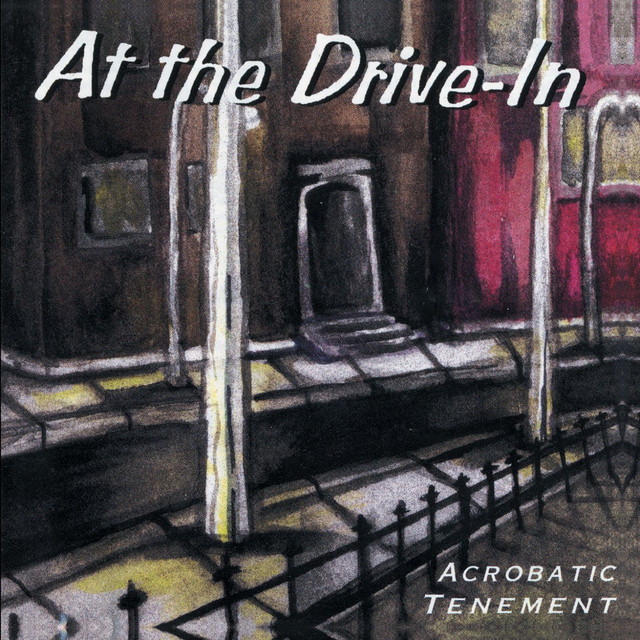
Acrobatic Tenement
At the Drive-In
Dance-Punk
Similar artists
4
/5
Pierce The Veil
Screamo
Post-Hardcore
Emo
4
/5
Title Fight
Spacegrunge
Melodic Hardcore
Grungegaze
3
/5
Saosin
Emocore
Post-Hardcore
Emo
3
/5
Her Words Kill
Emo
Post-Hardcore
Emocore
3
/5
Chiodos
Post-Hardcore
Emo
Emo Revival
3
/5
Unwound
Post-Hardcore
Noise Rock
Post-Rock
3
/5
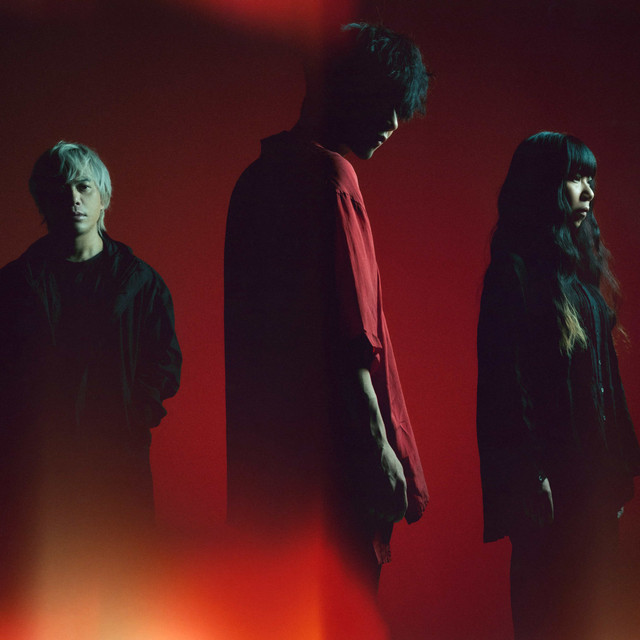
Ling tosite sigure
Math Rock
Post-Hardcore
Shimokita-Kei
5
/5
Paramore
Emo Pop
Candy Pop
Pixie
5
/5
blink-182
Pop Punk
Punk
Skate Punk
4
/5
Weezer
Alternative Rock
Modern Power Pop
Rock
Download our mobile app
Get the Melodigging app and start digging for new genres on the go
Download on the App Store
Get it on Google Play
© 2026 Melodigging
Give feedback
Legal
Melodding was created as a tribute to
Every Noise at Once
, which inspired us to help curious minds keep digging into music's ever-evolving genres.