Genres
Artists
Albums
Make Music
Sign in
Sign in
Artists
Afro House
Artists
Afro House
Arema Arega
Listen
3
/5
Genres
Nyc Pop
NYC pop is a contemporary, hook-forward strain of alternative pop centered on artists living and working in New York City. It blends the sheen of electropop and dance-pop with the songwriting sensibilities of indie pop and indie rock, often pairing bright synths, rhythmic guitars, and punchy drums with large, chantable choruses. Lyrically, it frequently references urban life, ambition, relationships, and self-discovery, capturing the speed, romance, and pressure-cooker energy of the city. Production is glossy but retains an indie edge: live instruments sit beside modern electronic textures, with crisp vocal stacking and ear-catching toplines designed for both radio and festival stages.
Discover
Listen
Afro House
Afro house is a subgenre of house music that took shape in South Africa in the 1990s. It blends classic house’s 4/4 pulse with African rhythmic sensibilities, emphasizing hand percussion such as congas, bongos, shakers and djembe alongside warm basslines and steadily dancing kick drums. Tracks often sit around 118–124 BPM and lean into hypnotic, polyrhythmic grooves, soulful harmonies, and an organic, spiritual atmosphere. Producers commonly use piano, saxophone, synthesizers, marimba/kalimba and rich pads, while vocals appear in a variety of African languages in call‑and‑response or chantlike phrases. The result is music that feels both deeply communal and club‑ready, equally at home on outdoor dance floors and late‑night sets.
Discover
Listen
Jazz House
Jazz house is a strand of house music that blends the genre’s four-on-the-floor pulse with the harmony, instrumentation, and improvisational ethos of jazz. Typical tracks feature swung hi‑hats, syncopated percussion, and a steady 4/4 kick at moderate club tempos, while layering lush extended chords (7ths, 9ths, 11ths, 13ths), walking or syncopated bass lines, and motifs inspired by bebop, soul jazz, and jazz‑funk. Producers often sample classic jazz recordings or record live parts—Rhodes and acoustic piano, upright or electric bass, saxophone, trumpet, guitar, vibraphone, and Hammond organ—then arrange them in house song forms with breakdowns, solos, and call‑and‑response figures. The result is music that can be both dancer‑friendly and musically rich, sitting at the intersection of deep house, acid jazz, and soulful club music.
Discover
Listen
Latin House
Latin house is a dance music style that fuses the four-on-the-floor drive of house with Afro–Latin and Caribbean rhythms, percussion, and song forms. It typically sits around 120–128 BPM and features congas, bongos, timbales, cowbells, güiro, and claves layered over punchy house drums and a syncopated, tumbao-inspired bass. Harmonically, Latin house often borrows from salsa, boogaloo, and Latin jazz: montuno piano riffs, brass stabs, and ii–V–I motion appear alongside soulful or Spanish-language vocals and call-and-response choruses. Its sound coalesced in late-1980s New York, Chicago, and Miami—Latin diaspora hubs where DJs and producers blended garage and Chicago house with salsa and merengue club culture. The result is an uplifting, dancefloor-focused style that balances the sleek repetition of house with the celebratory swing, polyrhythms, and melodic vibrancy of Latin music.
Discover
Listen
Chachachá
Chachachá is a Cuban dance‑music genre that emerged in early‑1950s Havana as a dancer‑friendly offshoot of danzón‑mambo. It is typically performed by charanga ensembles—flute and violins over piano, bass, güiro, and timbales—producing a light, elegant sonority distinct from the brass‑heavy mambo big bands. The groove is mid‑tempo with a clear, even pulse that supports the signature “cha‑cha‑chá” triple step heard in the dancers’ feet. Melodies are tuneful and diatonic, harmonies favor simple I–IV–V movements with occasional II–V turnarounds, and arrangements move from a lyrical cuerpo to a montuno section featuring coro‑pregón call‑and‑response, piano tumbao, and tasteful flute improvisations. The name “chachachá” is often traced to the shuffling sound of the dancers’ steps; composer‑violinist Enrique Jorrín simplified mambo syncopations to make the beat more square and intelligible, which helped the style spread worldwide through social and ballroom dance.
Discover
Listen
Lounge
Lounge music is a style of easy listening designed to evoke a sense of place and atmosphere—tropical islands, jungles, elegant cocktail bars, or even outer space. It prizes a chilled, urbane mood achieved through light instrumentation, lush arrangements, and crooning or wordless vocals. Rooted in earlier light music and crooner traditions, classic lounge blossomed in the 1950s and 1960s alongside hi‑fi and stereo “space age” culture. It draws from Dixieland and small‑combo jazz, Latin dance rhythms (mambo, cha‑cha, bossa inflections), novelty/gimmick songs, and occasional experimental studio techniques. The spectrum ranges from exotica and beautiful‑music instrumentals to suave, jazzy vocal numbers—and in modern eras, it can intersect with downtempo and electronica while keeping its retro, escapist ambiance.
Discover
Listen
Soul
Soul is a genre of popular music that blends the spiritual fervor and vocal techniques of African‑American gospel with the grooves and song forms of rhythm & blues and the harmonic palette of jazz and blues. It is defined by impassioned, melismatic lead vocals; call‑and‑response with backing singers; handclaps and a strong backbeat; syncopated bass lines; and memorable horn or string riffs. Typical instrumentation includes drum kit, electric bass, electric guitar, piano or Hammond organ, horns (trumpet, saxophone, trombone), and sometimes orchestral strings. Lyrically, soul ranges from love and heartbreak to pride, social commentary, and spiritual yearning. Regionally distinct scenes—such as Detroit’s Motown, Memphis/Stax, Muscle Shoals, Chicago, New Orleans, and Philadelphia—shaped different flavors of soul, while the style’s emotional directness and rhythmic drive made it a cornerstone of later funk, disco, contemporary R&B, and hip hop.
Discover
Listen
Latin Jazz
Latin jazz is a fusion of jazz harmony and improvisation with Afro–Latin American rhythms, song forms, and percussion. It combines the swing, bebop, and big-band traditions with clave-based grooves such as son, rumba, danzón, and mambo, and later integrates Brazilian feels like samba and bossa nova. Typical features include the use of the clave (2–3 or 3–2), piano montunos (guajeos), bass tumbao patterns, timbales cáscara, conga marcha, and call-and-response horn "mambo" figures. While the rhythm section locks into cyclical patterns, soloists improvise using the vocabulary of jazz, creating music that is both danceable and harmonically rich.
Discover
Listen
Electronic
Electronic is a broad umbrella genre defined by the primary use of electronically generated or electronically processed sound. It encompasses music made with synthesizers, drum machines, samplers, computers, and studio/tape techniques, as well as electroacoustic manipulation of recorded or synthetic sources. The genre ranges from academic and experimental traditions to popular and dance-oriented forms. While its sonic palette is rooted in electricity and circuitry, its aesthetics span minimal and textural explorations, structured song forms, and beat-driven club permutations. Electronic emphasizes sound design, timbre, and studio-as-instrument practices as much as melody and harmony.
Discover
Listen
Cuban Music
Cuban music is the rich, syncretic musical tradition of Cuba, shaped by the meeting of Spanish/European song forms and West/Central African rhythms. Its heartbeat is the clave—a two-measure rhythmic cell (3–2 or 2–3) that organizes percussion, melody, and harmony across styles. From the contradanza and habanera of the 19th century to danzón, rumba, and son cubano in the early 20th century—and later mambo, cha-cha-chá, nueva trova, songo, and timba—Cuban music has continually reinvented itself while retaining its core Afro‑Cuban rhythmic language. Typical instruments include the tres (Cuban guitar), bongó, congas, timbales, güiro, maracas, cowbell, bass, piano (playing guajeos/montunos), and bright horn sections. Beyond the island, Cuban music has profoundly influenced global popular music—fueling the rise of salsa and Latin jazz and reshaping dance music worldwide—while continuing to honor deep connections to Yoruba/Lukumí religious drumming and Spanish lyrical traditions.
Discover
Listen
Show all 10 genres
Similar artists
3
/5
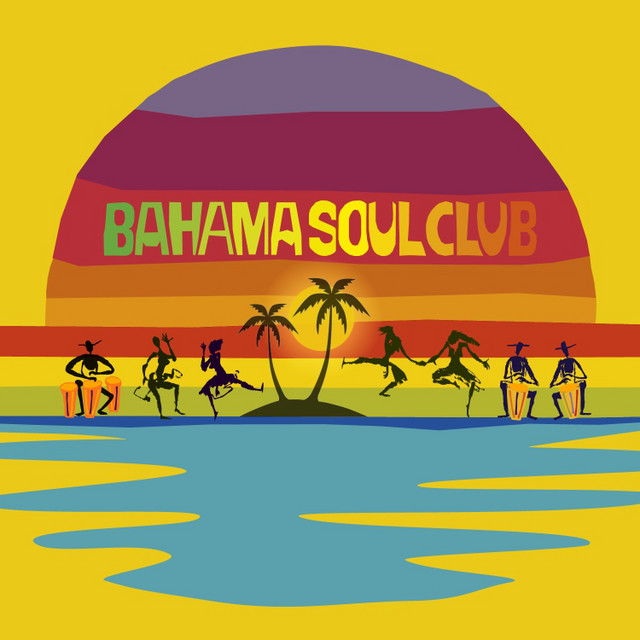
The Bahama Soul Club
Acid Jazz
Indian Indie
Jazz House
2
/5
DJ Gregory
Afro House
Jazz House
Latin House
2
/5
Carlos Castro
Afro House
Afro Tech
Jazz House
5
/5
HUGEL
Afro House
Latin House
Techengue
4
/5
Lucas Estrada
Deep Pop Edm
Afro House
Chill R&b
4
/5
BLOND:ISH
Afro House
Latin Afrobeats
Latin House
4
/5
Francis Mercier
Afro House
House
Latin House
4
/5
Buena Vista Social Club
Son Cubano
Bolero
Latin
4
/5
Gordo
Afro House
Deep Big Room
High Vibe
4
/5
Walk on Water
Afro House
Nyc Pop
Deep Deep House
Download our mobile app
Get the Melodigging app and start digging for new genres on the go
Download on the App Store
Get it on Google Play
© 2026 Melodigging
Give feedback
Legal
Melodding was created as a tribute to
Every Noise at Once
, which inspired us to help curious minds keep digging into music's ever-evolving genres.