Genres
Artists
Albums
Make Music
Sign in
Sign in
Artists
Disco House
Artists
Disco House
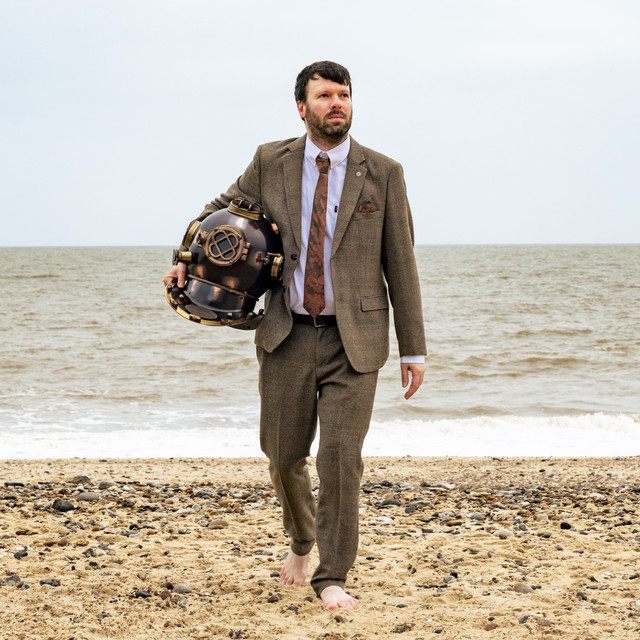
Aeroplane
Listen
3
/5
Genres
Electrofox
Electrofox is a microgenre of sleek, upbeat electropop that blends indie-pop songwriting with glossy, dance‑ready electronic production. Tracks emphasize punchy four‑on‑the‑floor or syncopated grooves, bright synth leads, side‑chained bass, and concise, hook‑driven melodies. Compared to broader electropop, electrofox skews especially bouncy and glittering in its texture palette (arpeggiators, plucked synths, vocal chops), while keeping arrangements tight and radio‑friendly. Lyrical themes often center on nightlife, youthful romance, and feel‑good energy, delivered with clean, confident vocals and big, shout‑along choruses.
Discover
Listen
Modern Funk
Modern funk is a 21st‑century revitalization of late‑’70s/’80s boogie and electro‑funk aesthetics, filtered through contemporary R&B, hip‑hop production, and indie dance scenes. It emphasizes pocket‑tight grooves, syncopated basslines (often synth‑driven), crisp drum‑machine patterns, bright polyphonic synths, talkbox/vocoder leads, and clean, choppy rhythm guitar. Compared with classic funk, modern funk leans more on analog and early‑digital synth colors (Juno, Prophet, DX7, Moog), Linn/808/909‑style drums, glossy mixes, and ear‑candy arrangement details. Lyrically, it favors feel‑good party vibes, love themes, and everyday swagger, aiming for dancefloor immediacy with a retro‑futurist sheen.
Discover
Listen
Deep Deep House
Deep deep house is a late-evolution branch of deep house that emphasizes warmth, space, and subtlety over overt hooks or peak-time energy. Compared with classic deep house, it leans even more toward minimal, dub-inflected textures, extended harmonies, and long atmospheric tails. Tracks typically feature understated yet weighty low end, soft Rhodes or pad chords rich in 7ths/9ths, lightly swung percussion, and carefully sculpted ambience. The mood is intimate and immersive—club music that invites close listening as much as dancing—often suited to small rooms, lounges, after-hours sets, and sunset/sunrise moments.
Discover
Listen
Deep Funk Ostentacao
Deep funk ostentação is a moody, late‑night variant of São Paulo’s funk ostentação, emphasizing deeper sub‑bass, sparse percussion, and atmospheric pads while retaining the genre’s themes of luxury, status, and upward mobility. Compared with the brighter, EDM‑leaning hits of ostentação in the early 2010s, the “deep” approach strips arrangements down to hypnotic tamborzão grooves, 808 low‑end, and minimal, minor‑key synth motifs. Vocals often sit closer to the beat, with autotune and chant‑like hooks, but the lyrical focus remains on conspicuous consumption (cars, brands, nightlife) filtered through a more introspective, nocturnal aesthetic.
Discover
Listen
Progressive Electro House
Progressive electro house is a festival‑ready hybrid that marries the long, melodic builds and emotive chord progressions of progressive house with the gritty basslines, saw‑lead stabs, and syncopated drops of electro house. Tracks typically run around 126–130 BPM in 4/4, featuring wide supersaw stacks, side‑chained pads, and bright, anthemic toplines that crescendo into aggressive, electro‑flavored drops. The style thrived during the early 2010s EDM boom, with Dutch and Scandinavian producers pushing a sound designed for big‑room and main‑stage impact. Production aesthetics favor layered synth leads (Serum, Sylenth1, Massive), tight festival kicks, off‑beat open hats, sweeping risers, and snare‑roll builds, while arrangements spotlight tension‑and‑release between harmonic, euphoric breakdowns and powerful, synth‑driven drops.
Discover
Listen
Deep Groove House
Deep Groove House is a modern house substyle centered on thick, rolling basslines, swung percussion, and soulful or disco-leaning motifs delivered with contemporary club production. It balances the warmth and musicality of classic and deep house with the punch and arrangement sensibilities of present-day tech-leaning club music. Hallmarks include a steady 4/4 kick (typically 122–126 BPM), syncopated bass grooves that drive the track rather than sit under it, crisp hi-hats with subtle swing, and tasteful use of organ stabs, piano chords, and filtered disco/funk samples. Vocals—when present—tend to be hooky but restrained, often chopped or looped to reinforce the groove rather than dominate it. As a playlist and DJ vernacular label, Deep Groove House crystallized around the 2010s, especially in UK- and EU-facing club culture, online stores, and label ecosystems that favored groove-first, dancefloor-ready house with deep and classic roots.
Discover
Listen
Float House
Float House is a subgenre of electronic dance music characterized by its relaxed, dreamy, and ethereal atmosphere. It blends the rhythmic structure of Deep House and Minimal House with the lush, atmospheric textures of Ambient and Chillout music. The sound is defined by soft, often lo-fi production values, including tape saturation and hiss, combined with melodic synthesizers, warm pads, and gentle, driving percussion. Unlike the grittier 'Outsider House' or 'Lo-Fi House', Float House focuses on a lighter, more optimistic, and 'floating' sensation, often utilizing heavy side-chain compression to create a rhythmic pumping effect that enhances the hypnotic vibe. It frequently incorporates organic samples like nature sounds (water, birds) and has a tempo that sits comfortably between downtempo and club-ready house (around 115-125 BPM).
Discover
Listen
Indie Dance
Indie dance blends the melodic sensibilities and live‑band ethos of indie rock with the groove, repetition, and production techniques of club music. The result is a dancefloor‑friendly sound that keeps guitars, bass, and vocals in the spotlight while leaning on four‑on‑the‑floor drums, funky basslines, and luminous analog synths. The style typically sits around 108–124 BPM, favors warm vintage tones (Roland drum machines, Juno/Jupiter/Prophet synths), and draws on disco and new wave for harmony and rhythm. Hooks are carried by concise vocal lines and ear‑catching motifs, often delivered with the intimate, conversational tone associated with indie music.
Discover
Listen
Nu Disco
Nu disco is a 21st‑century reinterpretation of 1970s/early‑1980s disco, post‑disco, and Italo‑disco aesthetics filtered through modern house production. It favors warm analog timbres, live‑sounding basslines, four‑on‑the‑floor drums, and lush chords, but with contemporary clarity, arrangement discipline, and low‑end weight. Compared with classic disco or disco house, nu disco typically runs a touch slower and groovier, leans into Balearic and space‑disco atmospheres, and often blends boogie/funk instrumentation with synth‑pop and French‑house sensibilities. It is equally at home on sunset terraces and peak‑time dancefloors, embracing both nostalgia and modern dance utility.
Discover
Listen
Disco House
Disco house is a subgenre of house music that fuses the four-on-the-floor pulse and DJ/club culture of house with the songcraft, instrumentation, and feel-good ethos of 1970s disco and late-1970s/early-1980s post‑disco. Characterized by looped and filtered samples of disco strings, rhythm guitars, horn stabs, and soulful vocals, it commonly employs low‑pass filter sweeps, pumping sidechain compression, and swung hi‑hats to create a warm, euphoric, and dance‑centric groove. Typical tempos range from 118–128 BPM. The style is closely associated with the mid‑to‑late 1990s “French Touch” wave (Parisian producers popularizing filtered disco loops), but its roots include Chicago house’s sample-based approach and the lush arrangements of Philadelphia soul.
Discover
Listen
French House
French house, often called the "French touch," is a sample-centric substyle of house music known for filtering and looping fragments of 1970s–1980s disco, boogie, and funk. It features a steady four-on-the-floor kick, syncopated and swung hi-hats, punchy sampled basslines, and a distinctive "pumping" feel created by heavy sidechain compression. Production commonly emphasizes warm, saturated textures and filter sweeps—automated low‑pass and high‑pass filters that open and close across loops—to create tension and release on the dancefloor. Vocoder or talkbox-tinted vocals, brief earworm hooks, and concise, groove-first arrangements are typical, with tempos usually between 120–128 BPM. The sound is closely associated with Parisian labels and crews from the mid-to-late 1990s and early 2000s, and it helped re-popularize disco aesthetics within contemporary dance music.
Discover
Listen
Disco
Disco is a dance-music genre and nightlife subculture that crystallized in the United States during the 1970s, drawing especially from African-American, Italian-American, Latino, and queer club communities. Musically, disco is typified by a steady four-on-the-floor kick drum, syncopated and melodic electric-bass lines, lush string sections, bright brass and horns, electric pianos and synthesizers, and percussive, choppy rhythm guitars. Arrangements often feature orchestral colors, handclaps, congas, and vibraphone or bell textures, all engineered to deliver a continuous, groove-forward experience for the dance floor. The style combines the rich orchestration and romantic sweep of Philadelphia soul with the bottom-end drive of funk and the songcraft of contemporary R&B/pop, delivered in DJ-friendly extended mixes and 12-inch singles designed for club play.
Discover
Listen
Pop
Pop is a broad, hook-driven style of popular music designed for wide appeal. It emphasizes memorable melodies, concise song structures, polished vocals, and production intended for radio, charts, and mass media. While pop continually absorbs elements from other styles, its core remains singable choruses, accessible harmonies, and rhythmic clarity. Typical forms include verse–pre-chorus–chorus, frequent use of bridges and middle-eights, and ear-catching intros and outros. Pop is not defined by a single instrumentation. It flexibly incorporates acoustic and electric instruments, drum machines, synthesizers, and increasingly digital production techniques, always in service of the song and the hook.
Discover
Listen
Electronic
Electronic is a broad umbrella genre defined by the primary use of electronically generated or electronically processed sound. It encompasses music made with synthesizers, drum machines, samplers, computers, and studio/tape techniques, as well as electroacoustic manipulation of recorded or synthetic sources. The genre ranges from academic and experimental traditions to popular and dance-oriented forms. While its sonic palette is rooted in electricity and circuitry, its aesthetics span minimal and textural explorations, structured song forms, and beat-driven club permutations. Electronic emphasizes sound design, timbre, and studio-as-instrument practices as much as melody and harmony.
Discover
Listen
Show all 14 genres
Similar artists
3
/5
Yuksek
French House
Electrofox
Disco House
3
/5
Louis La Roche
Disco House
French House
Funky House
3
/5
Roisto
Disco House
French House
Funky House
2
/5
Birdee
Disco House
French House
Funky House
2
/5
Dynamique
Disco House
French House
Funky House
1
/5
Ryland Blackinton
Disco House
French House
Funky House
1
/5
Nightriders
Disco House
French House
Funky House
1
/5
Agebeat
Disco House
French House
Funky House
3
/5
Cerrone
Disco
Euro-Disco
Electronic
3
/5
Dimitri From Paris
Disco
Disco House
French House
Download our mobile app
Get the Melodigging app and start digging for new genres on the go
Download on the App Store
Get it on Google Play
© 2026 Melodigging
Give feedback
Legal
Melodding was created as a tribute to
Every Noise at Once
, which inspired us to help curious minds keep digging into music's ever-evolving genres.