Genres
Artists
Albums
Make Music
Sign in
Sign in
Artists
Breakbeat
Artists
Breakbeat
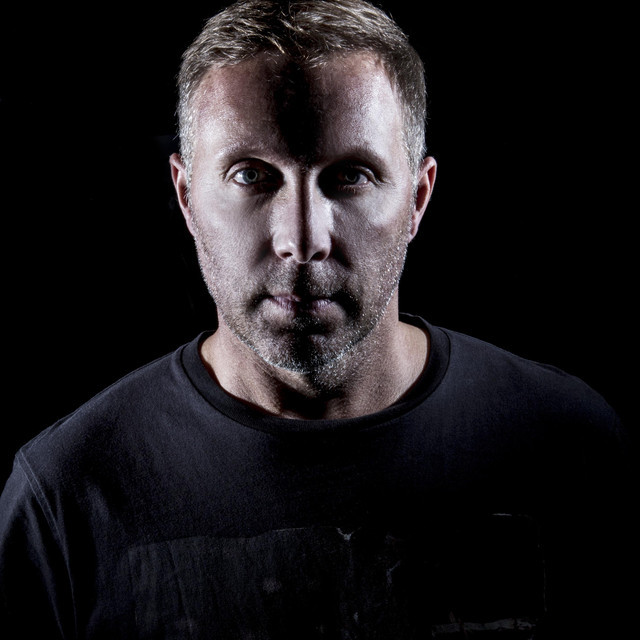
Adam Freeland
2003
·
1 album
Listen
3
/5
Genres
Tropical House
Tropical house is a mellow, melodic offshoot of deep house that blends a four-on-the-floor pulse with sun-soaked timbres like steel drums, marimba, pan flute, and warm acoustic guitar. It typically runs around 100–115 BPM, favors major-key progressions, and foregrounds breezy hooks over heavy drops, making it feel more like a summer pop record than a club banger. Vocals often carry romantic, nostalgic, or escapist themes—beaches, sunsets, and travel—while the production emphasizes soft percussion, sidechained pads, and a smooth, rolling sub. The genre rose to global prominence mid-2010s through hit remixes and crossover singles that brought house aesthetics into mainstream pop radio.
Discover
Listen
Deep Deep Tech House
Deep deep tech house is a particularly stripped‑back, hypnotic strain of tech house that leans heavily into deep house harmony and minimal, dub‑tinged textures. It keeps the 4/4 groove and club functionality of house while favoring restrained arrangements, long tension arcs, and subtle sound‑design over big breakdowns. Typical tempos sit around 120–126 BPM; drums emphasize tight 909‑style hats and crisp, short kicks; basslines are warm, rolling subs that lock with lightly swung percussion; harmonic content tends to be sparse—muted chord stabs, airy pads, and occasional soulful vocal fragments used as texture rather than focal hooks. The overall aim is an immersive “head‑down” flow that rewards long blends and extended sets. The palette and structure trace back to tech house’s fusion of house and techno and to deep house’s smoother harmonies.
Discover
Listen
Hybrid Trap
Hybrid trap is an EDM subgenre that fuses Southern hip hop–derived trap rhythms and 808 low end with the sound-design intensity and drop-centric structure of dubstep and electro house. It typically runs at 75/150 BPM in a halftime feel, features skittering hi-hats and snare/clap hits on beat three, and pairs punchy 808 kick–sub combos with midrange growls, reese basses, screeches, and cinematic brass stabs. Producers lean heavily on modern synthesis, resampling, and aggressive processing (distortion, multiband compression, OTT) to craft dynamic, call-and-response drops suited to festival stages. Compared with “classic” EDM trap, hybrid trap places greater emphasis on dubstep-like bass design, complex fills, and theatrical builds, while retaining trap’s swaggering grooves and minimalistic, percussive motifs.
Discover
Listen
Neurostep
Neurostep is a hybrid subgenre that merges the sound‑design intensity of neurofunk drum & bass with the halftime groove and weight of dubstep. Typically sitting around 140 BPM (sometimes 150), it emphasizes intricate, constantly morphing bass timbres, razor‑edged transients, and tightly engineered drops. Compared to classic dubstep, neurostep is less about sparse wobble basses and more about complex, resampled, FM/phase‑modulated bass layers that evolve bar by bar. The drums are punchy and surgical—kicks carve through dense low‑end, snares land hard on the third beat, and ghosted percussion and glitch fills keep momentum between phrases. Its overall aesthetic is dark, technical, and cinematic: dystopian atmospheres, granular textures, and call‑and‑response bass motifs are common, while breakdowns often showcase sound‑design detail and tension before a precision‑engineered drop.
Discover
Listen
Progressive Electro House
Progressive electro house is a festival‑ready hybrid that marries the long, melodic builds and emotive chord progressions of progressive house with the gritty basslines, saw‑lead stabs, and syncopated drops of electro house. Tracks typically run around 126–130 BPM in 4/4, featuring wide supersaw stacks, side‑chained pads, and bright, anthemic toplines that crescendo into aggressive, electro‑flavored drops. The style thrived during the early 2010s EDM boom, with Dutch and Scandinavian producers pushing a sound designed for big‑room and main‑stage impact. Production aesthetics favor layered synth leads (Serum, Sylenth1, Massive), tight festival kicks, off‑beat open hats, sweeping risers, and snare‑roll builds, while arrangements spotlight tension‑and‑release between harmonic, euphoric breakdowns and powerful, synth‑driven drops.
Discover
Listen
Nu Skool Breaks
Nu skool breaks (often shortened to "nu breaks") is a late-1990s/early-2000s evolution of breakbeat that emphasizes tight, futuristic sound design, heavy sub-bass, and punchy, syncopated drum programming. Compared to big beat’s sample-heavy, rock-influenced swagger, nu skool breaks is cleaner, more club-focused, and more tech-driven. Tracks typically run around 125–135 BPM, feature rolling breakbeats and crisp percussion, and blend influences from techno, electro, house, hip hop, and Miami/Florida breaks. The result is dancefloor-primed music with a strong low-end, sculpted midrange, and sleek, modern aesthetics. Key labels and nights—such as Marine Parade, Finger Lickin’, TCR (Thursday Club Recordings), and Botchit & Scarper—helped codify the sound and push it globally during its peak in the early 2000s.
Discover
Listen
Big Beat
Big beat is a high-energy style of electronic dance music built around heavy, looped breakbeats, overdriven drums, and bold, riff-driven hooks. It typically blends hip hop sampling techniques with the attitude and instrumentation of rock, creating an immediately impactful, party-focused sound. Characterized by distorted basslines, chunky drum breaks, sirens, vocal shouts, and funk or rock samples, big beat favors maximalist, crowd-pleasing arrangements. It rose to mainstream prominence in the mid-to-late 1990s through UK acts who popularized it in clubs, on radio, and via music videos that emphasized its unruly, fun-loving aesthetic.
Discover
Listen
Downtempo
Downtempo is a mellow, groove-oriented branch of electronic music characterized by slower tempos, plush textures, and a focus on atmosphere over dancefloor intensity. Typical tempos range from about 60–110 BPM, with swung or laid-back rhythms, dub-informed basslines, and warm, jazz-tinged harmonies. Stylistically, it blends the spaciousness of ambient, the head-nodding rhythms of hip hop and breakbeat, and the cosmopolitan smoothness of lounge and acid jazz. Producers often use sampled drums, Rhodes or Wurlitzer electric pianos, guitar licks with delay, and field recordings to create intimate, cinematic soundscapes. The mood spans from soulful and romantic to introspective and dusk-lit, making it a staple of after-hours listening, cafes, and relaxed club back rooms.
Discover
Listen
Breakbeat
Breakbeat is a broad branch of electronic music defined by its use of broken, syncopated drum patterns ("breakbeats") rather than straight four-on-the-floor rhythms. Producers typically build tracks from looped and chopped drum breaks—often sampled from vintage funk, jazz, and R&B recordings—layered with basslines, synths, and effects. As both a production technique and a stylistic umbrella, breakbeat underpins and intersects with many scenes: from old‑school hip‑hop turntablism and electro to the UK rave continuum (breakbeat hardcore, big beat, Florida breaks) and onward to garage-derived styles. While not synonymous with jungle and drum & bass, the same culture of sampling and chopping classic breaks (e.g., the Amen break) helped inform those genres as well.
Discover
Listen
Electronic
Electronic is a broad umbrella genre defined by the primary use of electronically generated or electronically processed sound. It encompasses music made with synthesizers, drum machines, samplers, computers, and studio/tape techniques, as well as electroacoustic manipulation of recorded or synthetic sources. The genre ranges from academic and experimental traditions to popular and dance-oriented forms. While its sonic palette is rooted in electricity and circuitry, its aesthetics span minimal and textural explorations, structured song forms, and beat-driven club permutations. Electronic emphasizes sound design, timbre, and studio-as-instrument practices as much as melody and harmony.
Discover
Listen
Show all 10 genres
Albums
2003
1
/5
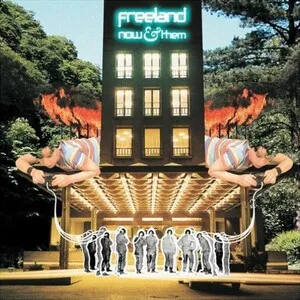
Now & Them
Freeland
Nu Skool Breaks
Breakbeat
Downtempo
Similar artists
3
/5
Hybrid
Nu Skool Breaks
Breakbeat
Electronic
2
/5
Plump DJs
Nu Skool Breaks
Breakbeat
Psybreaks
1
/5
Various Artists
Afro-Funk
Alternative Rock
Ambient
4
/5
Fatboy Slim
Big Beat
Electronic
Electronica
3
/5
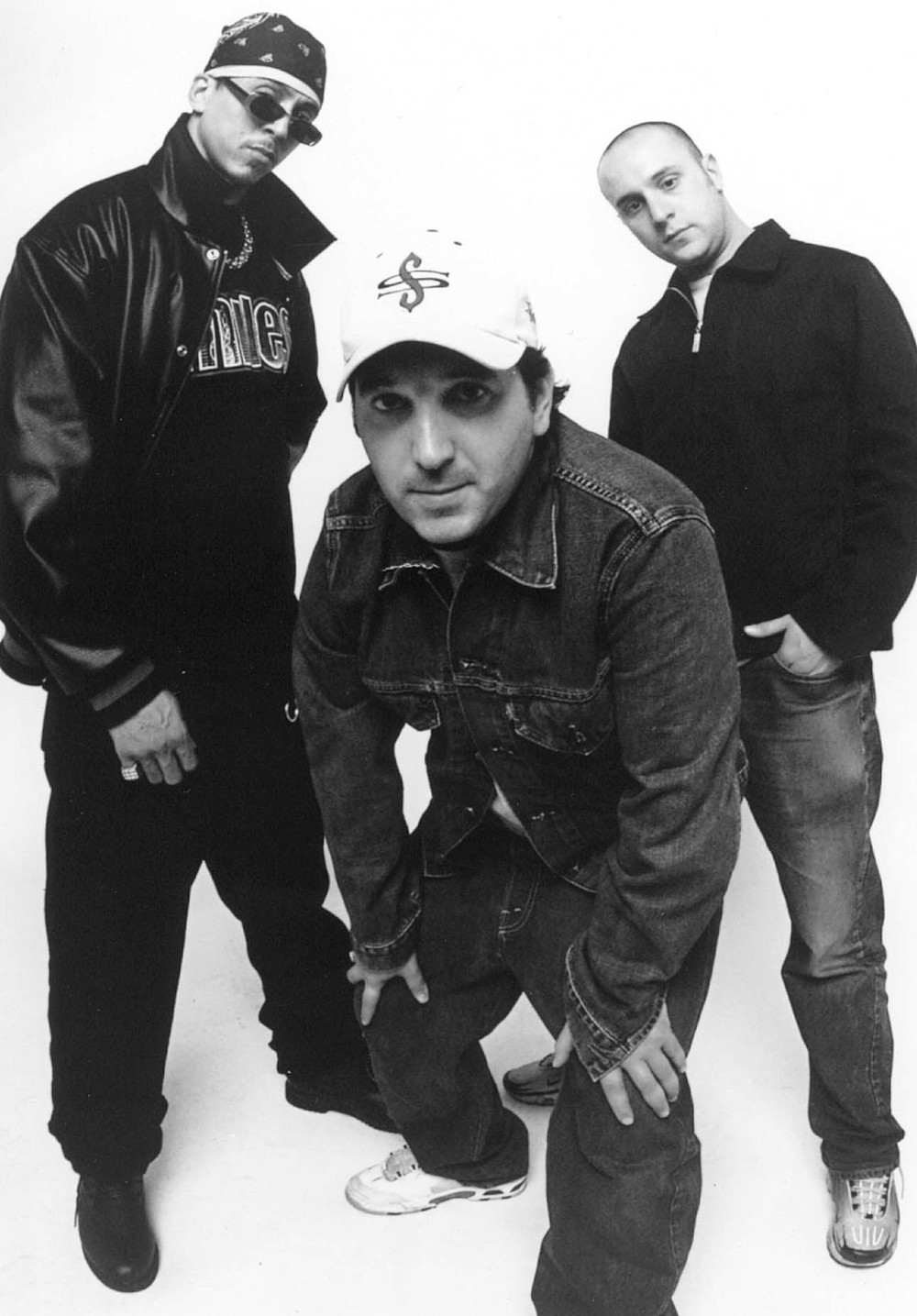
The Crystal Method
Big Beat
Breakbeat
West Coast Breaks
3
/5
Krafty Kuts
Nu Skool Breaks
Big Beat
Breakbeat
2
/5
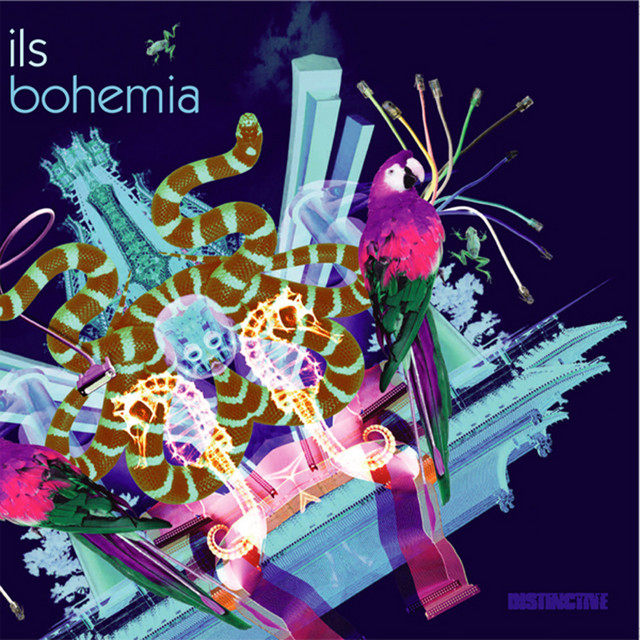
ILS
Nu Skool Breaks
Big Beat
Breakbeat
5
/5
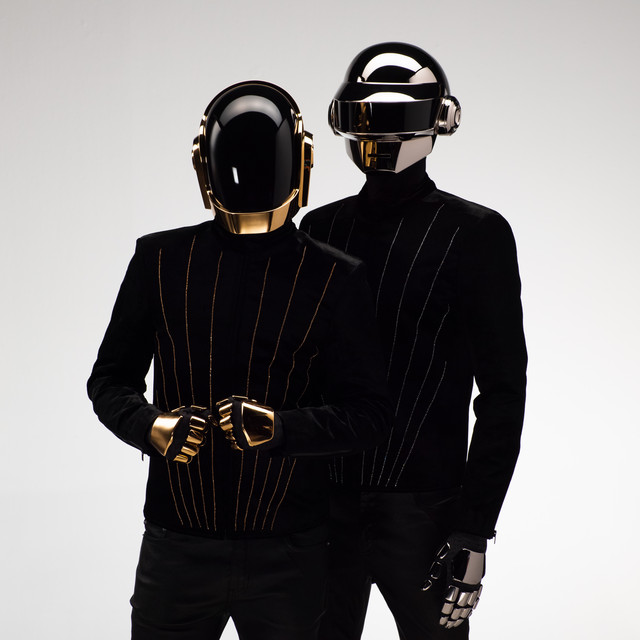
Daft Punk
Electronic
Filter House
Electro
3
/5
Freestylers
Big Beat
Breakbeat
Dubstep
3
/5
Stanton Warriors
Big Beat
Breakbeat
Nu Skool Breaks
Download our mobile app
Get the Melodigging app and start digging for new genres on the go
Download on the App Store
Get it on Google Play
© 2026 Melodigging
Give feedback
Legal
Melodding was created as a tribute to
Every Noise at Once
, which inspired us to help curious minds keep digging into music's ever-evolving genres.