Genres
Artists
Albums
Make Music
Sign in
Sign in
Artists
Rock
Artists
Rock
ДДТ
1992–2007
·
2 albums
Listen
3
/5
Genres
Sovietwave
Sovietwave is a retrofuturist microgenre of electronic music that blends the hazy, sample-based nostalgia of vaporwave with the analog synth palettes and cinematic sentiment of late–Cold War era soundtracks. It aims to evoke imagined futures and everyday atmospheres of the Soviet period through audio patina, archival voices, and melancholic, slow-moving harmonies. Typical tracks feature tape hiss, radio static, and excerpts from newsreels, educational films, or cosmonaut broadcasts, set against synth pads, simple drum programming, and minor-key progressions. The result is a bittersweet, dreamy sound that feels both distant and familiar—reconstructing a “lost future” through the sonic memory of the USSR and post-Soviet popular culture.
Discover
Listen
Indie Rock
Indie rock is a subgenre of rock and a branch of alternative rock that coalesced in the early–mid 1980s around independent labels and DIY practices in the United Kingdom, the United States, and New Zealand. Defined less by a single sound than by an ethos, indie rock favors non‑mainstream approaches, self‑recording and small‑label distribution, and an interest in pop‑informed melody and eclectic experimentation. Hallmarks include jangly or fuzzed guitars, intimate or deadpan vocals, off‑kilter song structures, and production that often preserves a raw, “authentic” feel rather than glossy studio polish.
Discover
Listen
Leningrad Rock Club Scene
The Leningrad Rock Club scene refers to the network of bands, artists, producers, and audiences centered around the Leningrad Rock Club (founded in 1981 in Leningrad, USSR). Operating under state oversight yet pushing cultural boundaries, it became the most prominent focal point for Soviet rock during the 1980s. Musically, the scene blended post-punk, new wave, art rock, folk-rock, progressive and hard rock, with occasional reggae and psychedelia. Because of censorship, equipment scarcity, and volume restrictions, performances often emphasized clear songcraft, literate Russian-language lyrics, and tight, economical arrangements over virtuoso showmanship or extreme sonics. Allegory and metaphor were used to navigate censorship, producing a poetic, introspective tone that still felt rebellious and fresh. The club incubated acts that went on to national and international recognition, and it played a crucial role in the broader legalization, professionalization, and popularization of rock music across the Soviet Union during perestroika and glasnost.
Discover
Listen
Bard Rock
Bard rock is a lyrically driven strain of rock that fuses the Soviet/Russian bard (avtorskaya pesnya) tradition of the singing poet with the textures and energy of rock and folk-rock bands. It foregrounds storytelling, social commentary, and confessional poetry, typically delivered with clear diction and emotive, sometimes rough-hewn vocals. Arrangements range from acoustic guitar–centered tracks to fuller ensembles with electric guitar, bass, drums, and occasional keyboards or flute, while harmony stays largely diatonic with frequent minor modes and modal inflections. The result is music where text leads and instrumentation supports, balancing intimacy with the broader dynamics and hooks of rock.
Discover
Listen
Classic Rock
Classic rock is a radio-defined umbrella for mainstream, guitar-centered rock music from the mid-1960s through the 1980s. It emphasizes blues-based riffs, memorable choruses, sturdy backbeats, and prominent guitar solos, often framed by warm, analog production. Rather than being a single stylistic branch, classic rock curates a canon that spans hard rock, blues rock, folk rock, psychedelic and progressive strains, and heartland- and country-tinged rock. Albums and album-oriented rock (AOR) values—extended tracks, conceptual cohesion, and musicianship—are central to its identity. The sound evokes tube-amp crunch, Hammond organs, stacked vocal harmonies, and anthemic songwriting designed for both FM radio and the concert arena.
Discover
Listen
Soft Rock
Soft rock is a mellow, melody-forward strain of rock and pop that favors smooth vocals, polished production, and restrained dynamics over distortion and aggression. Built on acoustic and clean electric guitars, piano or electric piano (Rhodes), light rhythm sections, and lush backing vocals or strings, the style centers on memorable hooks and sentimental themes. Its lyrics often explore love, heartbreak, nostalgia, and introspection, delivered with warmth and clarity. Tempos are moderate, grooves are unobtrusive, and harmonies are diatonic with tasteful color (maj7, add9) and occasional key changes. Commercially, soft rock flourished on AM radio and adult contemporary playlists in the 1970s and early 1980s, shaping the sound of radio-friendly ballads and influencing later styles like yacht rock and modern adult contemporary.
Discover
Listen
Rock
Rock is a broad family of popular music centered on amplified instruments, a strong backbeat, and song forms that foreground riffs, choruses, and anthemic hooks. Emerging from mid‑20th‑century American styles like rhythm & blues, country, and gospel-inflected rock and roll, rock quickly expanded in scope—absorbing folk, blues, and psychedelic ideas—while shaping global youth culture. Core sonic markers include electric guitar (often overdriven), electric bass, drum kit emphasizing beats 2 and 4, and emotive lead vocals. Rock songs commonly use verse–chorus structures, blues-derived harmony, and memorable melodic motifs, ranging from intimate ballads to high‑energy, stadium‑sized performances.
Discover
Listen
Avtorskaya Pesnya
Avtorskaya pesnya ("author's song") is a Soviet/Russian singer‑songwriter tradition centered on intimate, poetry‑driven songs delivered with solo voice and acoustic guitar. It privileges text above virtuosity, favoring simple harmonies and conversational, declamatory vocal delivery so that nuanced lyrics, metaphors, and social commentary remain foregrounded. Emerging in late‑1950s Soviet cultural circles, the style spread through informal gatherings (kvartirniki) and underground tape trading (magnitizdat). Its tone ranges from lyrical and nostalgic to ironic and sharply satirical, and its musical language draws from Russian romance, folk balladry, and European chanson while maintaining a distinctly Russian poetic sensibility.
Discover
Listen
Show all 8 genres
Albums
2007
2
/5
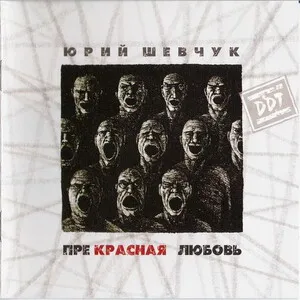
Прекрасная любовь
Yuri Shevchuk Юрий Шевчук & DDT ДДТ
Bard Rock
Avtorskaya Pesnya
Indie Rock
1992
1
/5
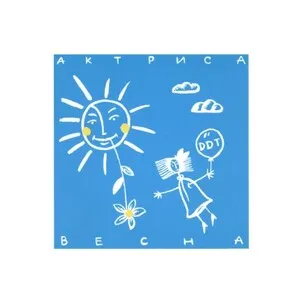
Актриса Весна
DDT ДДТ
Leningrad Rock Club Scene
Classic Rock
Rock
Similar artists
1
/5
Various Artists
Afro-Funk
Alternative Rock
Ambient
3
/5
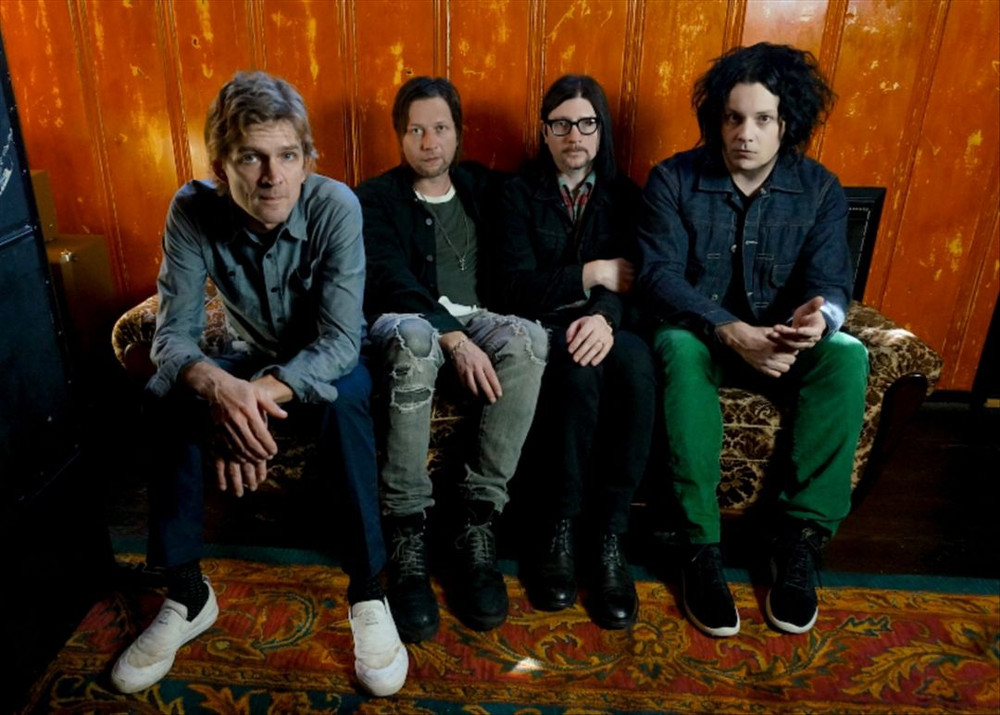
The Raconteurs
Garage Rock Revival
Alternative Rock
Chill Pop
2
/5
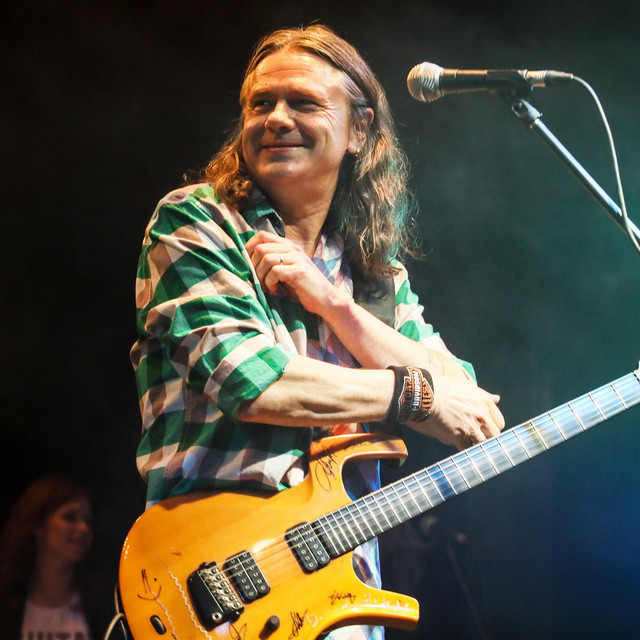
Чиж & Co
Avtorskaya Pesnya
Bard Rock
Blues Rock
2
/5
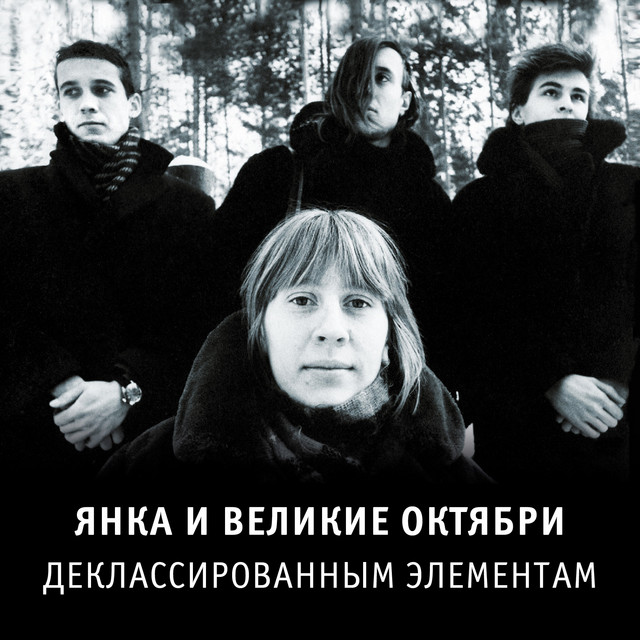
Yanka
Siberian Punk
Avtorskaya Pesnya
Bard Rock
5
/5
Tame Impala
Psychedelic Pop
Indie
Neo-Psychedelia
5
/5
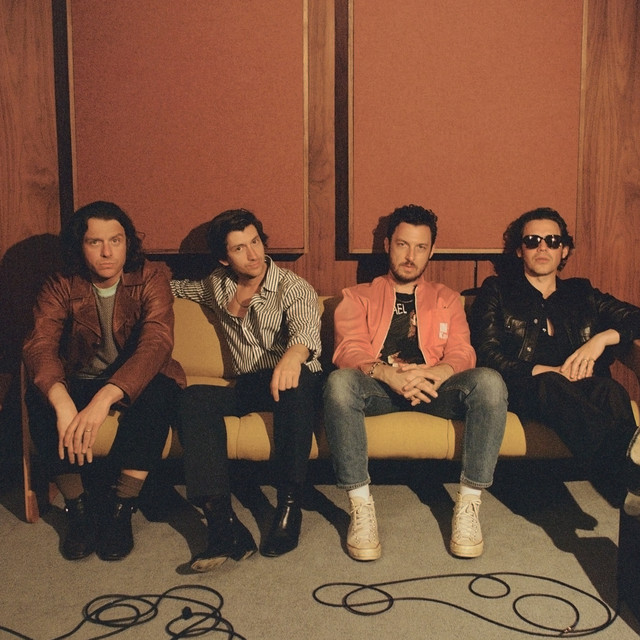
Arctic Monkeys
Garage Rock
Indie
Indie Rock
5
/5
Radiohead
Alternative Rock
Art Rock
Melancholia
5
/5
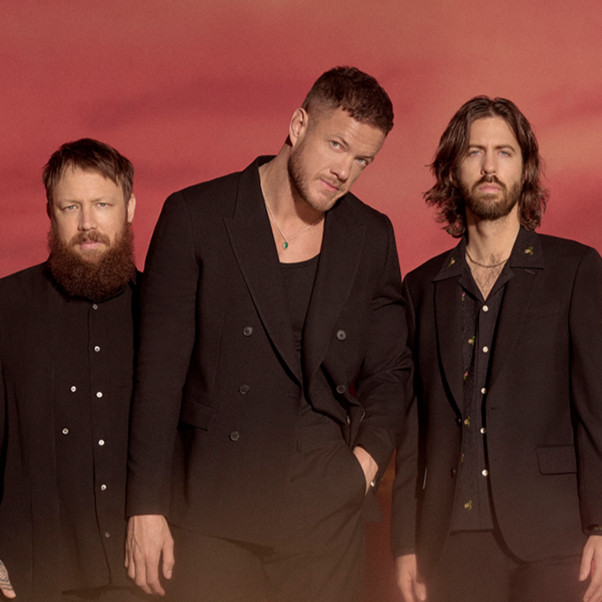
Imagine Dragons
Rock
Pop
Alternative Rock
5
/5
The Neighbourhood
Modern Alternative Rock
Rock
Alternative Rock
5
/5
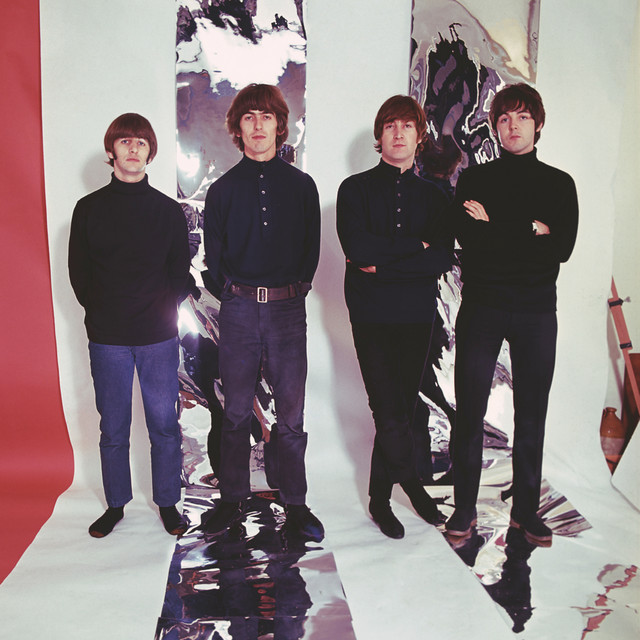
The Beatles
Merseybeat
Rock
Pop
Download our mobile app
Get the Melodigging app and start digging for new genres on the go
Download on the App Store
Get it on Google Play
© 2026 Melodigging
Give feedback
Legal
Melodding was created as a tribute to
Every Noise at Once
, which inspired us to help curious minds keep digging into music's ever-evolving genres.