Genres
Make Music
Artists
Albums
Challenges
Sign in
Sign in
Albums
By Universal Togetherness Band
Albums
By Universal Togetherness Band
Ultra-High Frequencies: The Chicago Party
March 3, 2015
Listen
2
/5
Genres
Rare Groove
Rare groove is a DJ-driven crate‑digging culture centered on obscure, often out‑of‑print 1970s and early‑1980s soul, funk, jazz‑funk and disco records whose deep rhythms and rich arrangements worked beautifully on dancefloors. The term emerged in London to describe the rediscovery and club circulation of these hard‑to‑find sides, many of which later became staple break sources for hip‑hop producers and sample‑based genres. Although it names a scene and curatorial aesthetic more than a strict musical form, rare groove points to a recognizable sound: syncopated funk breaks, warm basslines, Rhodes and vibraphone textures, brass stabs, Latin and Afro‑Caribbean percussion, and emotive, often socially conscious vocals. Its emphasis on scarcity, collector culture, and historical recovery helped shape UK club taste and fed directly into acid jazz and other sample‑oriented movements.
Discover
Listen
Disco
Disco is a dance-music genre and nightlife subculture that crystallized in the United States during the 1970s, drawing especially from African-American, Italian-American, Latino, and queer club communities. Musically, disco is typified by a steady four-on-the-floor kick drum, syncopated and melodic electric-bass lines, lush string sections, bright brass and horns, electric pianos and synthesizers, and percussive, choppy rhythm guitars. Arrangements often feature orchestral colors, handclaps, congas, and vibraphone or bell textures, all engineered to deliver a continuous, groove-forward experience for the dance floor. The style combines the rich orchestration and romantic sweep of Philadelphia soul with the bottom-end drive of funk and the songcraft of contemporary R&B/pop, delivered in DJ-friendly extended mixes and 12-inch singles designed for club play.
Discover
Listen
Deep Funk
Deep funk is a raw, hard-edged strain of funk that prioritizes drum-and-bass-driven grooves, terse horn stabs, and gritty, unpolished production. Emerging at the tail end of the 1960s, it captures the most stripped-down, rhythm-first aspects of funk—vamps on one or two chords, prominent syncopation, and an emphasis on “the one” —often recorded by regional bands on small labels and released as 7-inch singles. Vocals tend to be call-and-response or fervent shouts, while instruments such as drum kit, electric bass, rhythm guitar, Hammond organ or clavinet, and tight horn sections carry the energy. The term “deep funk” later became associated with crate-dug obscurities and a 1990s/2000s revivalist movement that honored the sound’s rugged, dancefloor-focused aesthetic.
Discover
Listen
Funk
Funk is a rhythm-forward African American popular music style that centers on groove, syncopation, and interlocking parts. Rather than emphasizing complex chord progressions, funk builds tight, repetitive vamps that highlight the rhythm section and create an irresistible dance feel. The genre is marked by syncopated drum patterns, melodic yet percussive bass lines, choppy guitar "chanks," punchy horn stabs, call‑and‑response vocals, and a strong backbeat. Funk’s stripped-down harmony, prominent use of the one (accenting the downbeat), and polyrhythmic layering draw deeply from soul, rhythm and blues, jazz, gospel, and African rhythmic traditions. From James Brown’s late-1960s innovations through the expansive P-Funk universe and the slicker sounds of the 1970s and 1980s, funk has continually evolved while seeding countless other genres, from disco and hip hop to house and modern R&B.
Discover
Listen
Soul
Soul is a genre of popular music that blends the spiritual fervor and vocal techniques of African‑American gospel with the grooves and song forms of rhythm & blues and the harmonic palette of jazz and blues. It is defined by impassioned, melismatic lead vocals; call‑and‑response with backing singers; handclaps and a strong backbeat; syncopated bass lines; and memorable horn or string riffs. Typical instrumentation includes drum kit, electric bass, electric guitar, piano or Hammond organ, horns (trumpet, saxophone, trombone), and sometimes orchestral strings. Lyrically, soul ranges from love and heartbreak to pride, social commentary, and spiritual yearning. Regionally distinct scenes—such as Detroit’s Motown, Memphis/Stax, Muscle Shoals, Chicago, New Orleans, and Philadelphia—shaped different flavors of soul, while the style’s emotional directness and rhythmic drive made it a cornerstone of later funk, disco, contemporary R&B, and hip hop.
Discover
Listen
Similar albums
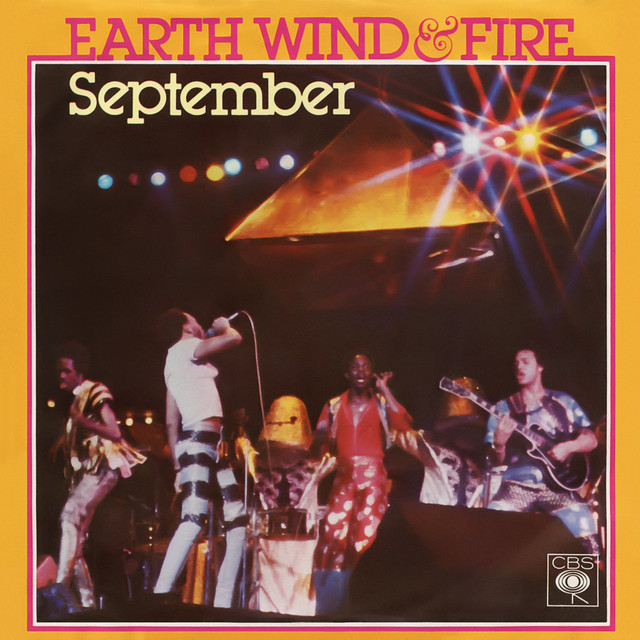
1978
September (sped up + slowed)
Earth, Wind & Fire
1970
Third Album
Jackson 5
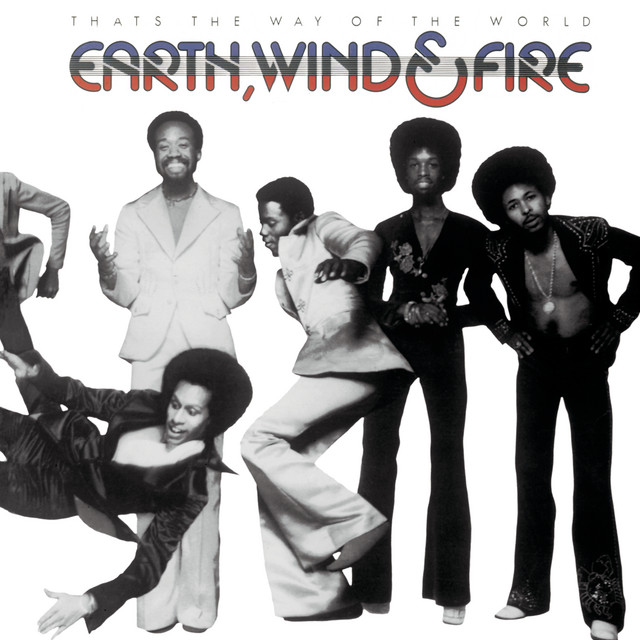
1975
That's The Way Of The World
Earth, Wind & Fire
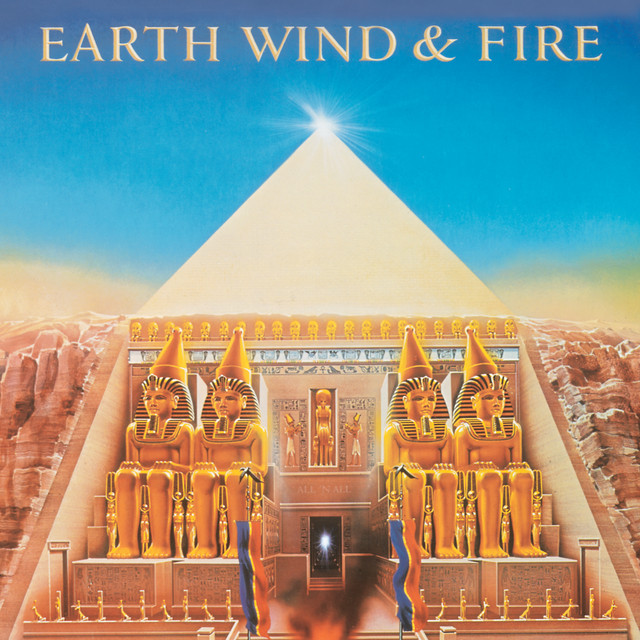
1977
All 'N All
Earth, Wind & Fire
1976
I Want You
Marvin Gaye
1981
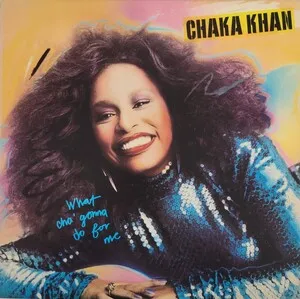
What Cha' Gonna Do for Me
Chaka Khan
1975
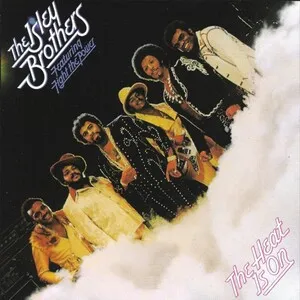
The Heat Is On
The Isley Brothers
1975
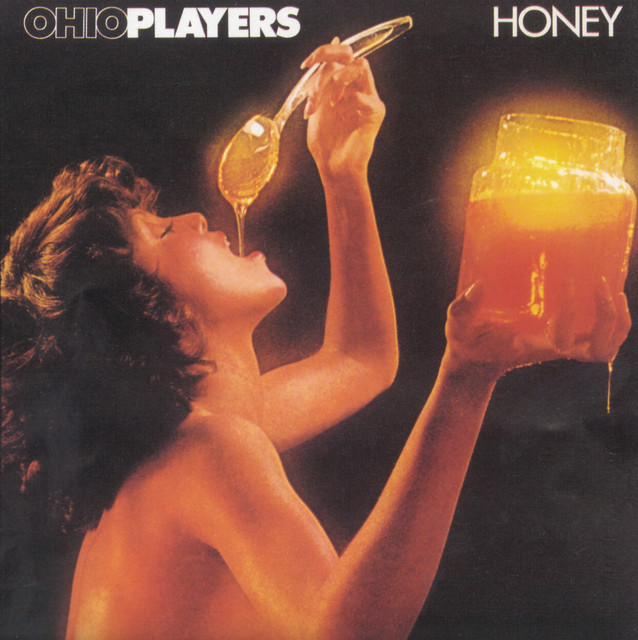
Honey
Ohio Players
1973
The Payback
James Brown
1974
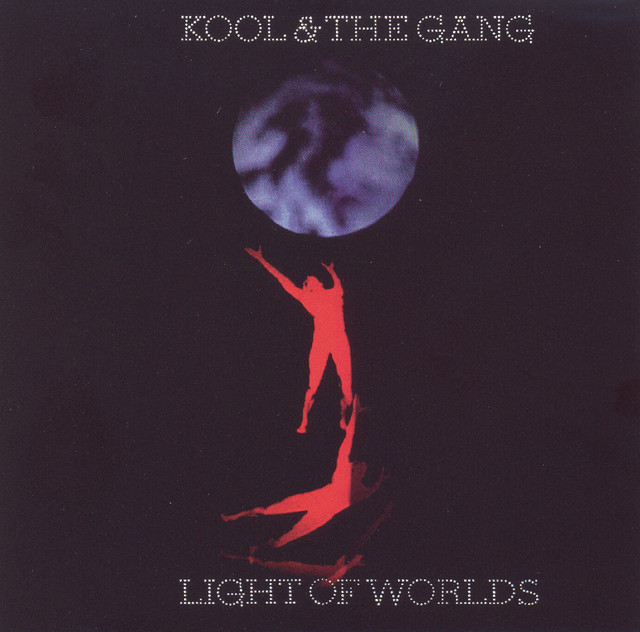
Light Of Worlds
Kool & The Gang
Download our mobile app
Get the Melodigging app and start digging for new genres on the go
Download on the App Store
Get it on Google Play
© 2026 Melodigging
Give feedback
Legal
Melodding was created as a tribute to
Every Noise at Once
, which inspired us to help curious minds keep digging into music's ever-evolving genres.