Genres
Make Music
Artists
Albums
Challenges
Sign in
Sign in
Albums
By Avantasia
Albums
By Avantasia
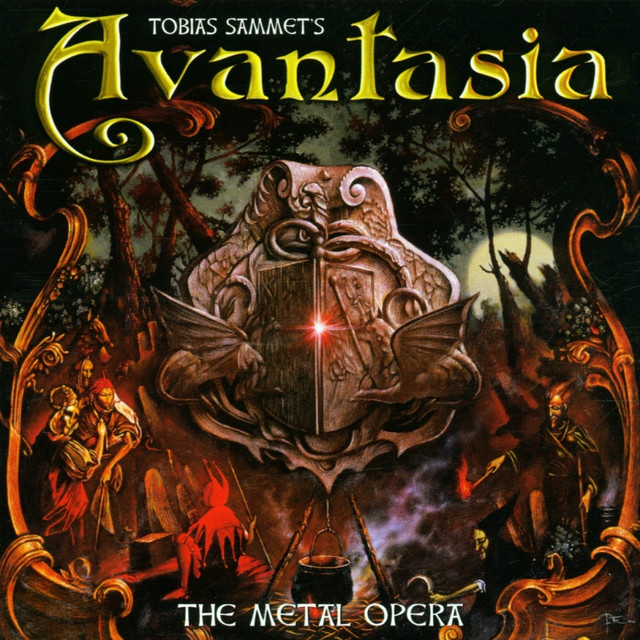
The Metal Opera
January 22, 2001
Listen
3
/5
Genres
Fantasy Metal
Fantasy metal is a metal style built around high-fantasy storytelling, mythic imagery, and a cinematic sense of adventure. It commonly blends melodic heavy metal and power metal riffing with symphonic/folk elements (choirs, orchestration, traditional instruments) to evoke medieval, mythical, or “otherworldly” settings. Songs often feature narrative lyrics about quests, battles, magic, ancient kingdoms, dragons, gods, or invented worlds, and the music emphasizes strong hooks, soaring vocal lines, and dramatic atmosphere.
Discover
Listen
Opera Metal
Opera metal is a style of metal that fuses heavy metal instrumentation with operatic composition and vocal technique. It typically features classically trained (often soprano or mezzo-soprano) lead vocals, dramatic song structures that resemble arias and scenes, and arrangements that borrow from opera and symphonic classical music (strings, choirs, overtures, and leitmotifs). Compared with broader symphonic metal, opera metal places more emphasis on explicit operatic singing, theatrical narration, and a “stage drama” feeling, often contrasting soaring operatic lines with distorted guitars, double-kick drumming, and sometimes harsh vocals. Lyrical themes frequently include tragedy, romance, myth, gothic literature, and grand historical or fantastical storytelling.
Discover
Listen
Gothic Symphonic Metal
Gothic symphonic metal blends the brooding atmosphere and romantic darkness of gothic metal with the orchestral grandeur and cinematic scale of symphonic metal. It typically features soaring, often classically trained female vocals contrasted with harsh growls or baritone male voices (“beauty-and-the-beast” style), layered choirs, and full string and brass arrangements supporting distorted guitars and double‑kick drums. The harmony favors minor keys, modal colors (Aeolian, Phrygian), and chromatic lines, while the arrangements borrow from classical and operatic writing: overture‑like intros, leitmotifs, and dynamic crescendos. Lyrically, it leans toward myth, fantasy, romance, spirituality, melancholy, and gothic literature, delivered with a dramatic, theatrical sensibility.
Discover
Listen
Symphonic Metal
Symphonic metal fuses the power and riff-driven weight of heavy metal with the grandeur of orchestral music, choral writing, and operatic vocals. It often features full-scale symphonic arrangements—either via live orchestras and choirs or through sophisticated sampling—alongside distorted guitars, bass, and double-kick drumming. Hallmarks include cinematic songwriting, classical harmony (minor keys, modal colors, counterpoint), sweeping string ostinati, brass fanfares, and layered choirs. Vocal approaches range from operatic soprano leads to melodic rock vocals and occasional harsh growls. Lyrically, the genre leans toward myth, fantasy, history, philosophy, and romantic or existential themes, delivering an epic, theatrical atmosphere.
Discover
Listen
Power Metal
Power metal is a fast, melodic, and anthemic branch of heavy metal that emphasizes uplifting melodies, soaring clean vocals, triumphant choruses, and virtuosic guitar and keyboard leads. Its lyrical focus often centers on fantasy, mythology, historical epics, and heroic narratives, aiming for a cinematic sense of grandeur. The genre coalesced in the mid-1980s from the speed and melody of NWOBHM and speed metal, then split into two recognizable strains: the more aggressive, riff‑driven U.S. power metal and the highly melodic, keyboard‑rich European style. Hallmarks include double‑bass drumming, harmonized twin‑guitar lines, neoclassical flourishes, and rousing sing‑along refrains designed for large audiences.
Discover
Listen
Rock Opera
Rock opera is a narrative-driven form of rock music in which a sequence of songs tells a coherent story, often through distinct characters, recurring leitmotifs, and theatrical arcs. Unlike a loose concept album, a rock opera typically emphasizes plot, character development, and musical continuity, borrowing structural ideas from opera (overtures, reprises, arias/solos, and dramatic climaxes) while retaining the instrumentation, rhythms, and sonic vocabulary of rock. Works can exist as studio albums, staged productions, or films, and may range from guitar-centered ensembles to fully orchestrated scores with choirs and narration. The form emerged in the late 1960s with UK pioneers and grew alongside progressive and symphonic rock in the 1970s.
Discover
Listen
Rock
Rock is a broad family of popular music centered on amplified instruments, a strong backbeat, and song forms that foreground riffs, choruses, and anthemic hooks. Emerging from mid‑20th‑century American styles like rhythm & blues, country, and gospel-inflected rock and roll, rock quickly expanded in scope—absorbing folk, blues, and psychedelic ideas—while shaping global youth culture. Core sonic markers include electric guitar (often overdriven), electric bass, drum kit emphasizing beats 2 and 4, and emotive lead vocals. Rock songs commonly use verse–chorus structures, blues-derived harmony, and memorable melodic motifs, ranging from intimate ballads to high‑energy, stadium‑sized performances.
Discover
Listen
Similar albums
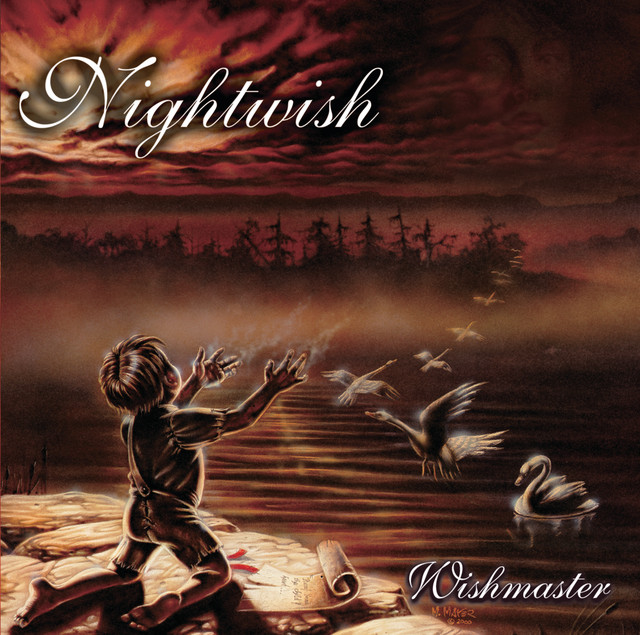
2000
Wishmaster
Nightwish
2004
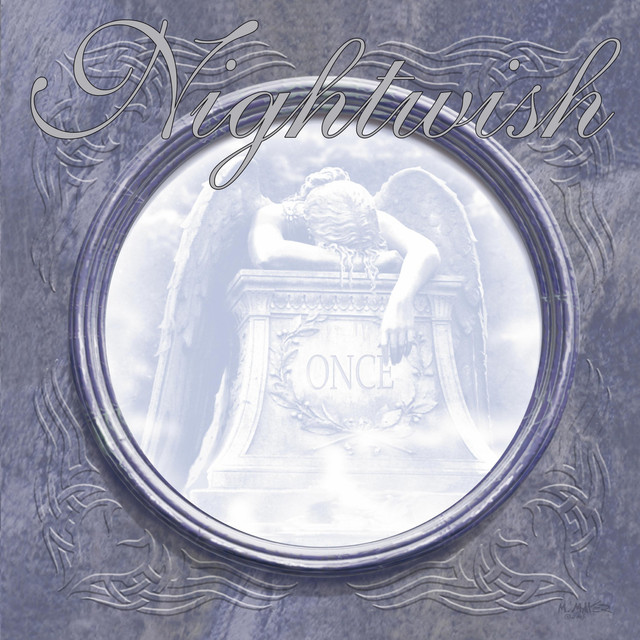
Once
Nightwish
2007
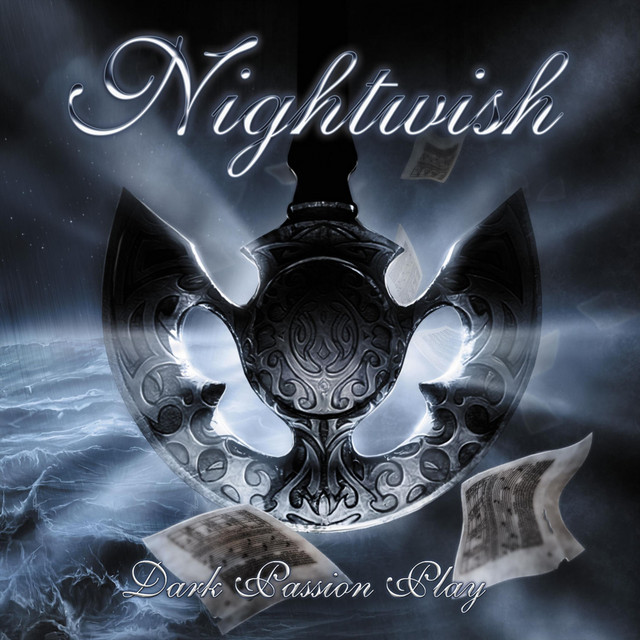
Dark Passion Play
Nightwish
2002
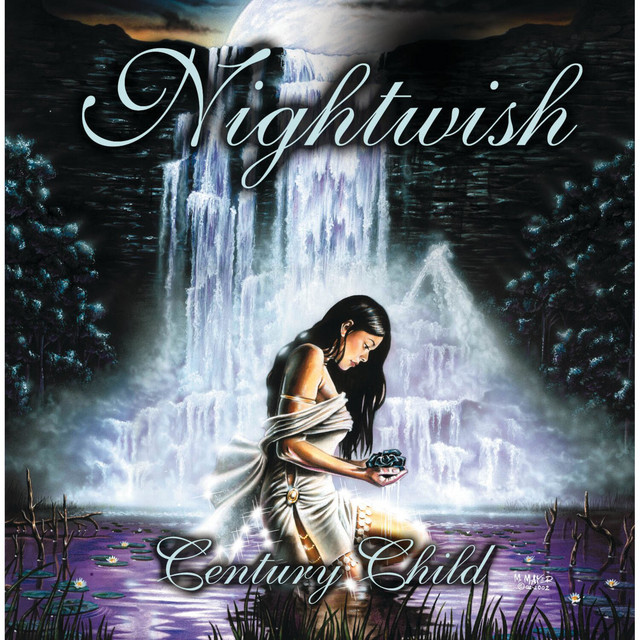
Century Child
Nightwish
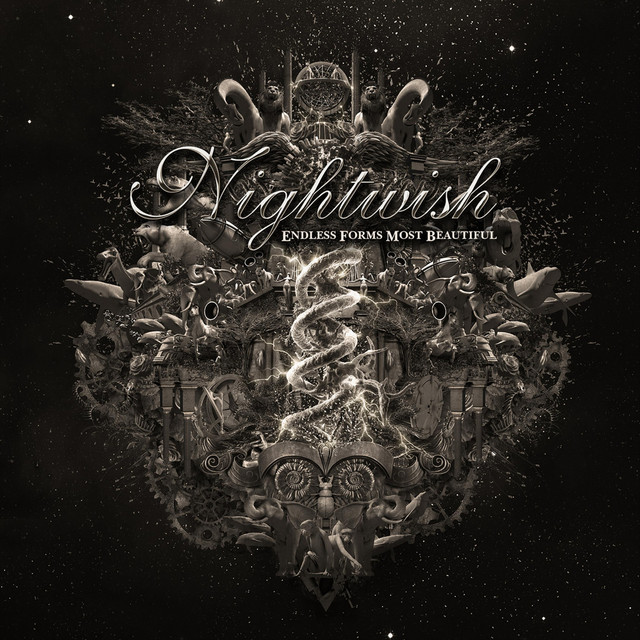
2015
Endless Forms Most Beautiful (Deluxe Version)
Nightwish
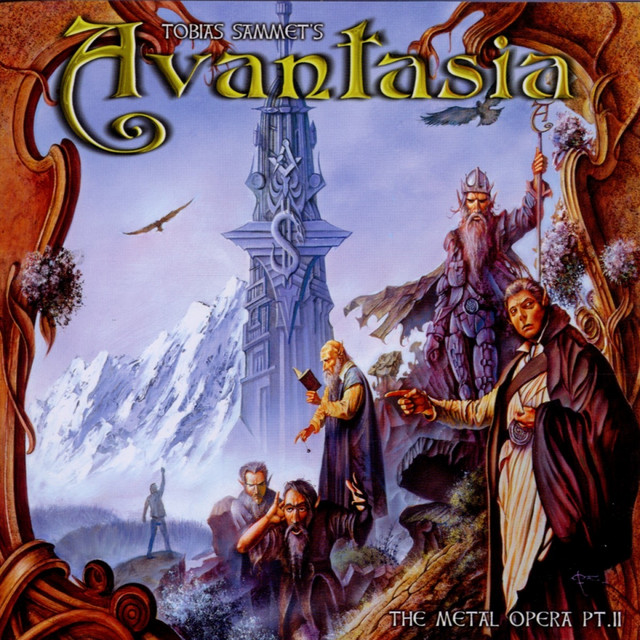
2002
The Metal Opera Pt. II
Avantasia
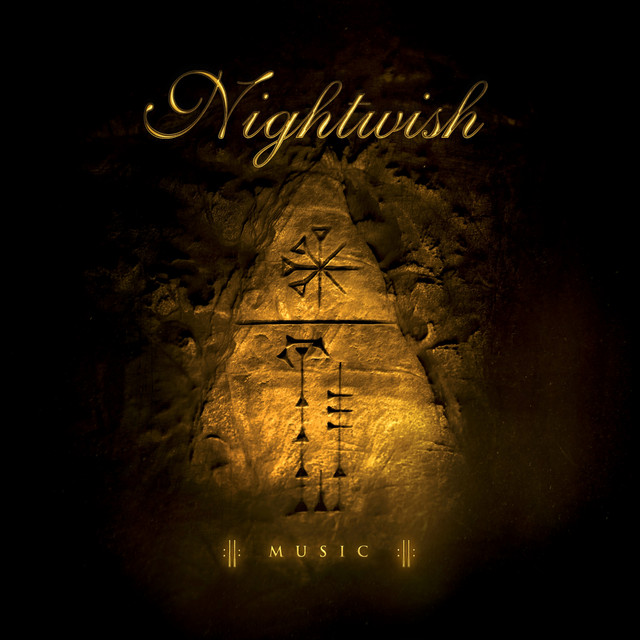
2021
Music (Edit)
Nightwish
2000
Wishmaster
Nightwish
2011
Imaginaerum
Nightwish
2013
Showtime, Storytime (Live, at Wacken, 2013)
Nightwish
Download our mobile app
Get the Melodigging app and start digging for new genres on the go
Download on the App Store
Get it on Google Play
© 2026 Melodigging
Give feedback
Legal
Melodding was created as a tribute to
Every Noise at Once
, which inspired us to help curious minds keep digging into music's ever-evolving genres.