Genres
Make Music
Artists
Albums
Challenges
Sign in
Sign in
Albums
By a-ha
Albums
By a-ha
Take On Me (2017 Acoustic)
December 1, 2017
Listen
3
/5
Genres
New Romantic
New Romantic is a British music and fashion movement that crystallized in the early 1980s, pairing sleek, synth-driven new wave/pop with the theatrical flair of glam and art pop. It emphasized lavish, emotive songwriting, danceable rhythms, and a highly stylized visual identity. Sonically, New Romantic records favor analog synthesizers, drum machines, bright chorus-laden guitars, and polished studio production. Lyrically and visually, the movement celebrated escapism, romance, and glamour, often through androgynous, avant-garde fashion that emerged from London club culture (notably the Blitz Club).
Discover
Listen
Permanent Wave
Permanent wave is a radio-friendly strain of new wave–era rock that blends the angular guitars and nervy energy of post-punk with the big hooks, glossy production, and FM-ready choruses of mainstream and arena rock. Characterized by clean, chorus-laden guitars, prominent analog and early digital synthesizers, tight rhythm sections, and charismatic pop-forward vocals, it sits between artful post-punk and commercial rock. Its sound became a staple of early MTV, with punchy arrangements, memorable synth hooks, and sleek studio techniques like gated reverb and precision overdubs. While rooted in late-1970s new wave, permanent wave crystallized in the early-to-mid 1980s as a cohesive, accessible style that emphasized songwriting craft, rhythmic drive, and modernist sheen.
Discover
Listen
New Wave
New wave is a broad, pop-oriented umbrella for styles that emerged in the mid-to-late 1970s as a sleeker, more melodic outgrowth of punk culture. Initially, the term varied by region: in the United States it was first used by critics and labels (famously Sire Records’ “Don’t Call It Punk” campaign in 1977) to rebrand punk-associated artists with more radio-friendly aesthetics; in the United Kingdom it encompassed a wider constellation of fresh, stylish post-punk-era sounds. Over time, “new wave” became a catch‑all for hooky guitar pop, synth-driven songs, danceable rhythms, and modernist production sensibilities. Sonically, it blends tight, upbeat rhythms (often disco- and reggae-informed), clean chorus/flanger guitars, prominent synthesizers, and concise, hook-led songwriting. Its visual identity—sharp suits, futurist imagery, and fashion-forward presentation—was integral, aligning with the rise of music television and emphasizing art-school wit, irony, and modern urban themes.
Discover
Listen
New Wave Pop
New wave pop is a bright, hook-driven branch of new wave that married post-punk’s angular guitars and art-school attitude with glossy pop songwriting and danceable rhythm sections. It emphasizes concise choruses, memorable melodies, and sleek studio polish, often featuring synthesizers and drum machines alongside clean, chorus-laden guitars. The sound is characterized by upbeat tempos, prominent bass lines, and a stylish, forward-looking aesthetic that was amplified by the early music video era. While rooted in rock, its harmonic palettes and textures lean toward electronic pop, making it equally at home on radio and dance floors.
Discover
Listen
Synth-Pop
Synth-pop is a pop-oriented style that foregrounds the synthesizer as its primary instrument, often paired with drum machines and sequencers. It favors clean, melodic hooks, concise song structures, and a sleek, modernist sound that ranges from cool and minimal to lush and romantic. Emerging at the turn of the 1980s from the UK new wave and post-punk scenes, synth-pop leveraged affordable analog and then digital keyboards to bring electronic textures into the mainstream. Its sonic palette includes arpeggiated basslines, shimmering pads, bright leads, gated or machine-driven drums, and polished vocals that convey both futuristic detachment and emotional immediacy.
Discover
Listen
Pop
Pop is a broad, hook-driven style of popular music designed for wide appeal. It emphasizes memorable melodies, concise song structures, polished vocals, and production intended for radio, charts, and mass media. While pop continually absorbs elements from other styles, its core remains singable choruses, accessible harmonies, and rhythmic clarity. Typical forms include verse–pre-chorus–chorus, frequent use of bridges and middle-eights, and ear-catching intros and outros. Pop is not defined by a single instrumentation. It flexibly incorporates acoustic and electric instruments, drum machines, synthesizers, and increasingly digital production techniques, always in service of the song and the hook.
Discover
Listen
Electronic
Electronic is a broad umbrella genre defined by the primary use of electronically generated or electronically processed sound. It encompasses music made with synthesizers, drum machines, samplers, computers, and studio/tape techniques, as well as electroacoustic manipulation of recorded or synthetic sources. The genre ranges from academic and experimental traditions to popular and dance-oriented forms. While its sonic palette is rooted in electricity and circuitry, its aesthetics span minimal and textural explorations, structured song forms, and beat-driven club permutations. Electronic emphasizes sound design, timbre, and studio-as-instrument practices as much as melody and harmony.
Discover
Listen
Similar albums
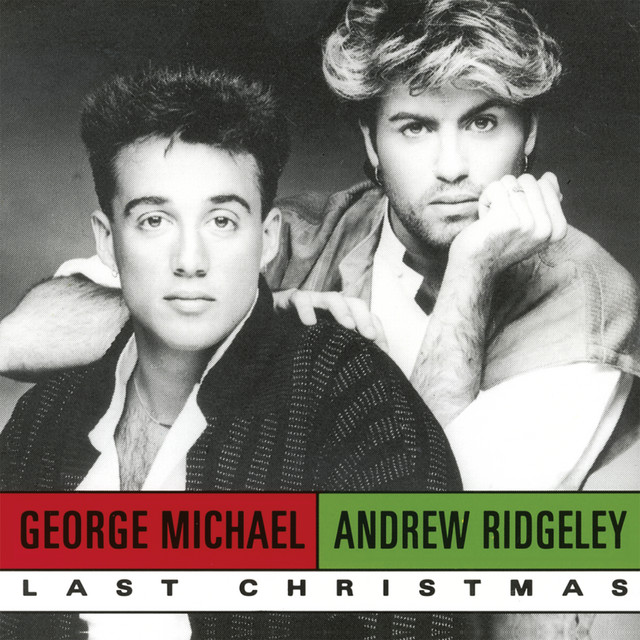
1984
LAST CHRISTMAS
Wham!
1988
The Innocents (21st Anniversary Edition;Remastered)
Erasure
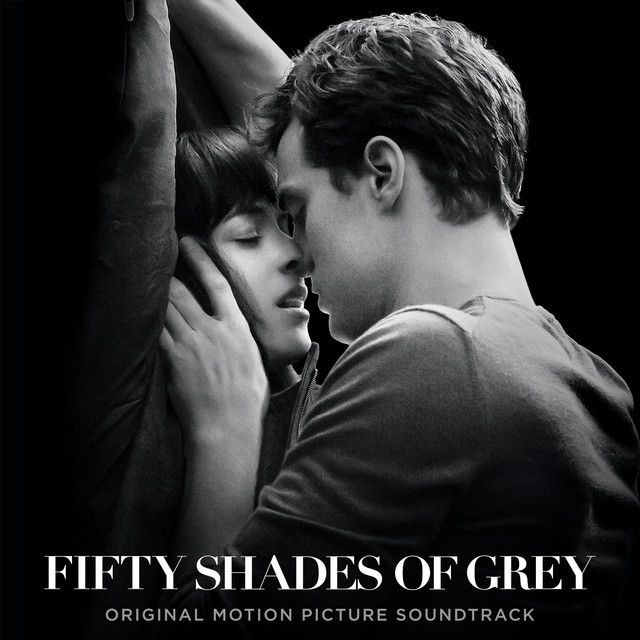
2015
Fifty Shades Of Grey (Original Motion Picture Soundtrack)
Ellie Goulding
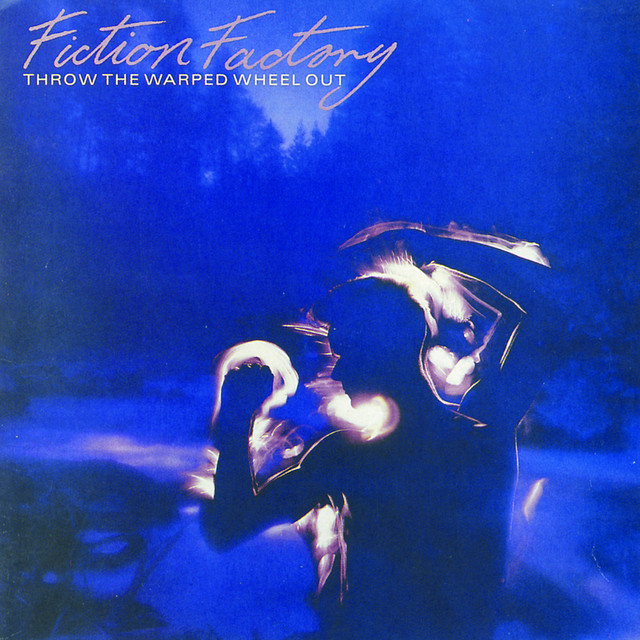
1984
Throw The Warped Wheel Out
Fiction Factory
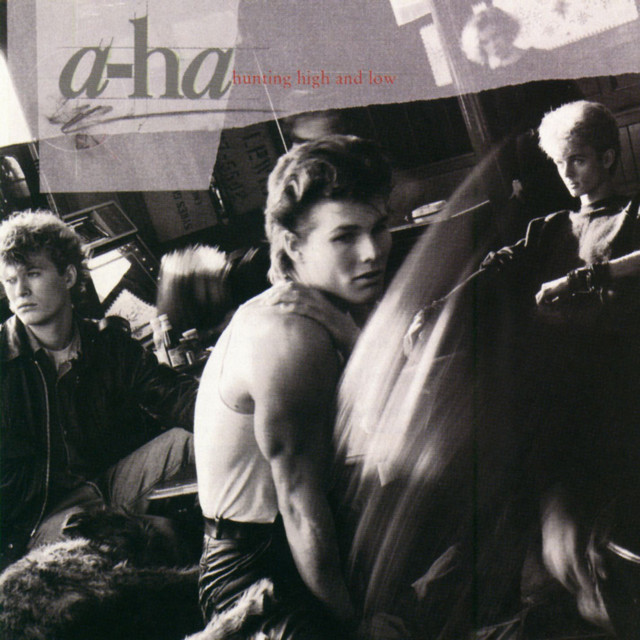
1985
Hunting High and Low
a-ha
1984
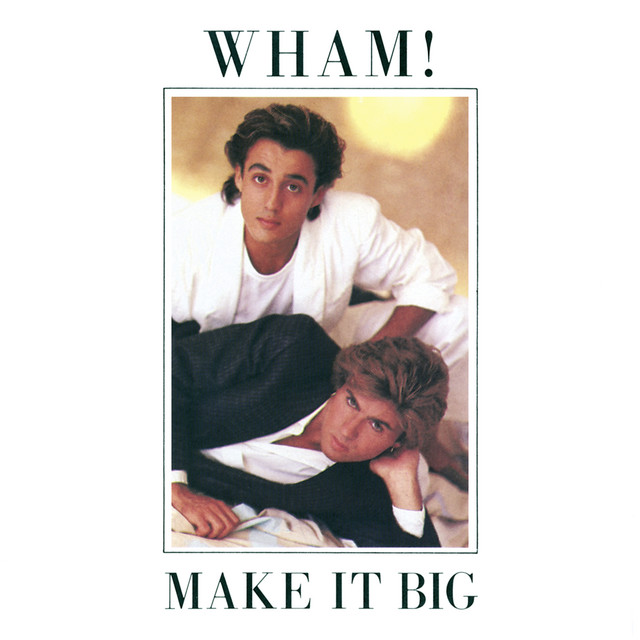
Make It Big
Wham!
1985
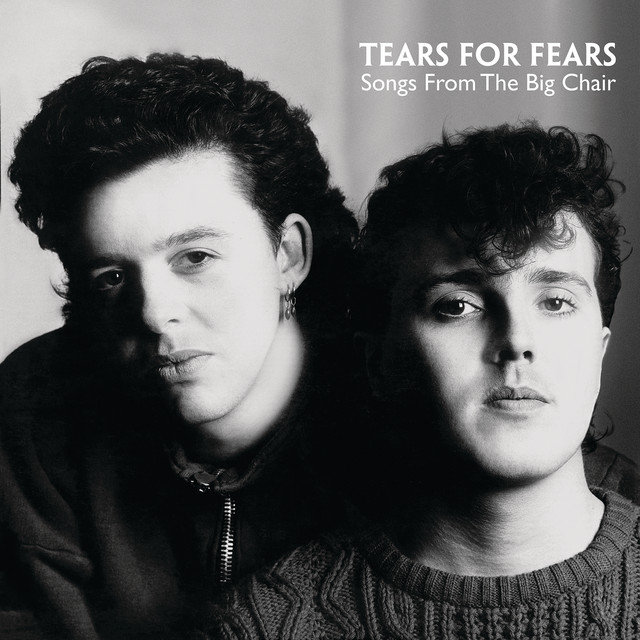
Songs From the Big Chair
Tears for Fears
1982
The Lexicon of Love
ABC
2006
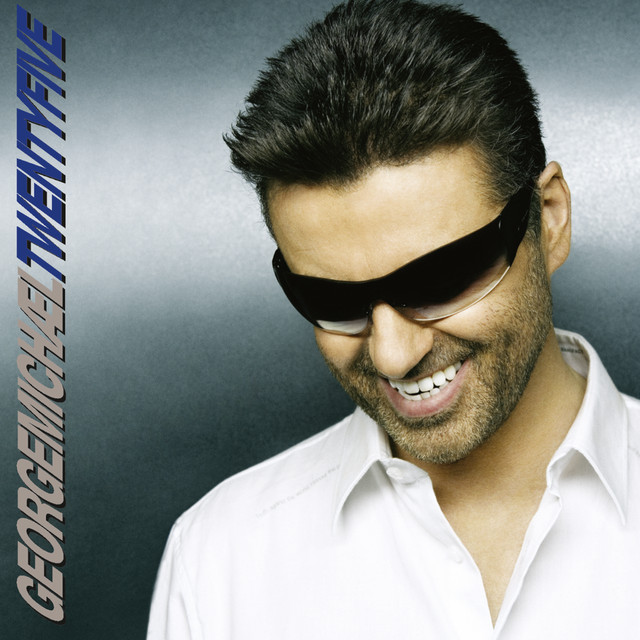
Twenty Five
Wham!
2021
Higher Power
Coldplay
Download our mobile app
Get the Melodigging app and start digging for new genres on the go
Download on the App Store
Get it on Google Play
© 2026 Melodigging
Give feedback
Legal
Melodding was created as a tribute to
Every Noise at Once
, which inspired us to help curious minds keep digging into music's ever-evolving genres.