Genres
Make Music
Artists
Albums
Challenges
Sign in
Sign in
Albums
By Bassekou Kouyate
Albums
By Bassekou Kouyate
Segu Blue
March 9, 2007
Listen
2
/5
Genres
World
World music is a broad, industry-coined umbrella for traditional, folk, and contemporary popular styles from around the globe that fall outside the Anglo-American pop mainstream. The label emerged in the 1980s as a retail and marketing category to group diverse regional musics for international distribution. Musically, it spans acoustic and electric instrumentation; modal, pentatonic, and microtonal pitch systems; and rhythms ranging from cyclical grooves and polyrhythms to asymmetrical meters. While the term can obscure local specificity, it also facilitated cross-cultural collaboration, festivals, and recordings that brought regional genres to wider audiences.
Discover
Listen
Griot
Griot (also called jeli/jali) is the hereditary West African tradition of poet-singers, historians, and musicians whose craft combines storytelling, praise-singing, genealogy, diplomacy, and music. It is centered in the Mande world of today’s Mali, Senegal, Gambia, and Guinea, and is best known for virtuosic performances on the kora (21‑string harp-lute), balafon (xylophone), and ngoni (lute), alongside powerful, ornamented vocals. Griot music is structured around cyclical ostinatos with improvisatory flourishes, call-and-response, and text that preserves communal memory—epics, lineages, and moral instruction—delivered in languages such as Mandinka and Bambara. While deeply traditional, the griot aesthetic has adapted to modern stages and studios, influencing global “world music,” West African pop, and blues-derived styles.
Discover
Listen
Mande Music
Mande music is the courtly and communal music of the Mande peoples (including Mandinka, Maninka/Malinke, and Bambara) whose heartland lies in present‑day Mali and extends across Guinea, Senegal, The Gambia, and Côte d’Ivoire. It centers on the hereditary jeli (griot) tradition of professional praise‑singers and instrumentalists who preserve genealogies, epics, and social histories. Its core sound is built around cyclical ostinati (kumbengo) on instruments such as the 21‑string kora (harp‑lute), the balafon (gourd‑resonated xylophone), and the ngoni (lute), with improvisatory filigree (birimintingo) weaving above. Vocals alternate between composed refrains and free, declamatory passages (donkilo and sataro), often in call‑and‑response with a small chorus. Rhythms commonly breathe in 12/8 and 6/8 feels with subtle cross‑rhythms, while modal tunings (e.g., sauta, tomora) and timbral “buzz” aesthetics (from balafon resonators) shape a distinctive, shimmering texture. Repertoires comprise named pieces tied to lineages and events (e.g., Sunjata epics, Duga, Kaira, Jarabi). In modern contexts, these materials underpin both acoustic ensembles and electrified bands, maintaining the social function of praise and mediation while speaking to contemporary audiences.
Discover
Listen
Similar albums
2008
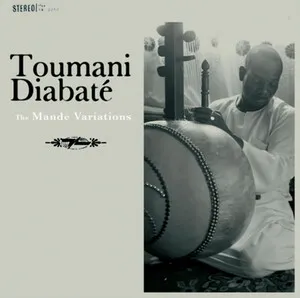
The Mandé Variations
Toumani Diabaté
1998
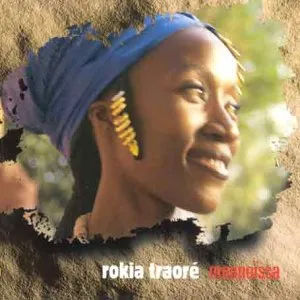
Mouneissa
Rokia Traoré
2013
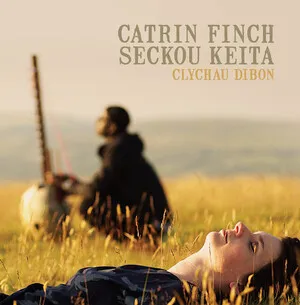
Clychau Dibon
Catrin Finch & Seckou Keita
2007
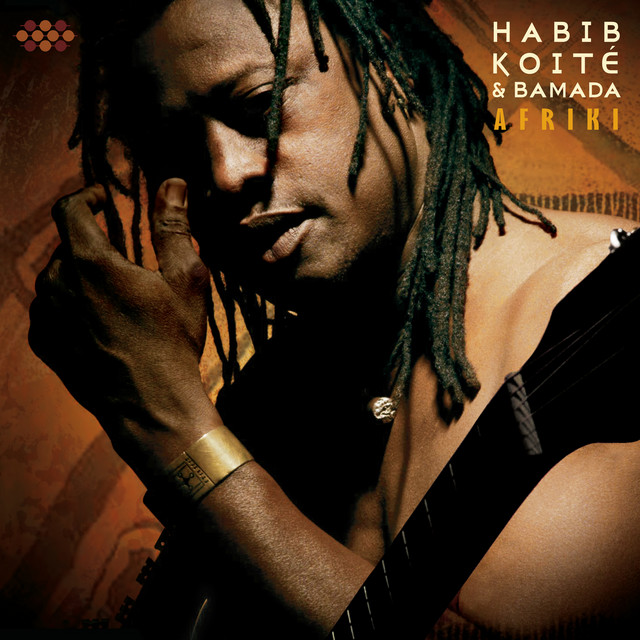
Afriki
Habib Koité
2006
Boulevard de l'Indépendance
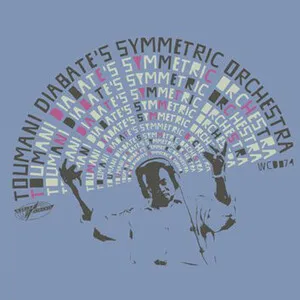
Toumani Diabaté's Symmetric Orchestra
2001
Missing You (Mi Yeewnii)
Baaba Maal
2013
Jama Ko
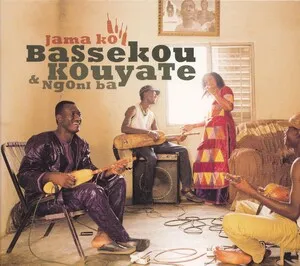
Bassekou Kouyate & Ngoni ba
2010
Ali and Toumani
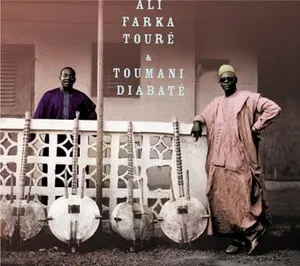
Ali Farka Touré & Toumani Diabaté
1995
Djelika
Toumani Diabaté
1988
Kaira
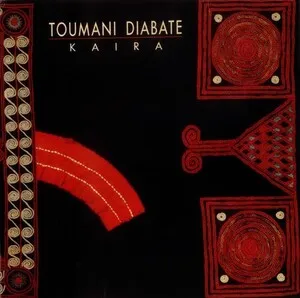
Toumani Diabaté
Download our mobile app
Get the Melodigging app and start digging for new genres on the go
Download on the App Store
Get it on Google Play
© 2026 Melodigging
Give feedback
Legal
Melodding was created as a tribute to
Every Noise at Once
, which inspired us to help curious minds keep digging into music's ever-evolving genres.