Genres
Make Music
Artists
Albums
Challenges
Sign in
Sign in
Albums
By Fairuz
Albums
By Fairuz
Rajioun راجعون
January 1, 1992
Listen
1
/5
Genres
Arabic Pop
Arabic pop is the mainstream, commercial song style of the Arabic‑speaking world, blending Western pop structures with Arabic melodic modes (maqām) and regional rhythmic cycles (iqa‘āt). Arrangements typically pair traditional instruments like the oud, qanun, nay, strings, and darbuka with electric guitar/bass, keyboards, drum machines, and modern synthesizers. Vocals are highly ornamented (melisma, trills, turns) and delivered in widely understood dialects such as Egyptian and Levantine, as well as Khaliji and Maghrebi Arabic. Songs favor verse–pre‑chorus–chorus forms with catchy hooks, glossy production, and video‑forward presentation. Lyrically, themes of romance, longing, celebration, and everyday life dominate, spanning intimate ballads to up‑tempo dance anthems.
Discover
Listen
Mūsīqā Lubnāniyya
Mūsīqā lubnāniyya (Lebanese music) denotes the modern popular and art-music traditions that emerged in Lebanon, blending Levantine folk idioms, Arabic maqam-based composition, and Western pop/jazz orchestration. It is characterized by melodic lines rich in ornamentation and microtonal inflections, buoyant dabke rhythms for dance repertoire, and poetic lyrics in Lebanese Arabic that range from romantic to patriotic and nostalgic themes. In the second half of the 20th century, Beirut’s studios, composers, and star singers shaped a distinctive sound—at once rooted in regional modalities and open to European chanson, classical orchestration, and jazz harmony.
Discover
Listen
Levantine Arabic Music
Levantine Arabic music refers to the Arab musical traditions of the Eastern Mediterranean—today’s Syria, Lebanon, Palestine, Jordan, and Arab communities in Israel. It balances refined urban art music with village and dance repertories, all articulated through the Arabic maqam system and cyclical iqaʿ (rhythmic) cycles. Core timbres come from oud, qanun, buzuq, ney, violin/cello in Arab tuning, and hand percussion such as riqq and darbuka. Vocal performance emphasizes ornamentation, expressive melismas, and the aesthetics of tarab (ecstatic musical transport). Key forms include muwashshah and qudud Halabiyya (Aleppine songs), mawwal and layali (free-meter vocal improvisations), and popular dabke songs for line-dances. As a historical crossroads, the Levant synthesized Arab, Ottoman/Turkish, Persian, Byzantine/Syriac liturgical, and Andalusi legacies. In the 20th century, cosmopolitan Beirut, Damascus, and Aleppo studios and theaters helped shape modern Arabic song while keeping local dialects and rhythms central.
Discover
Listen
Arabic Classical Music
Arabic classical music is the art-music tradition of the Arabic-speaking world, built on the modal system of maqam and cyclical rhythmic modes called iqaʿat. It prioritizes ornate melody, nuanced intonation (including microtonal intervals), heterophonic ensemble texture, and a balance between composed forms and improvisation (taqsim). Core forms include the samaʿi (often in 10/8), longa (2/4), dulab (short prelude), muwashshah (strophic song), and the wasla (a multi-movement suite). The aesthetic of tarab—emotional ecstasy and deep musical rapture—guides performance and listening. Typical instruments include the ʿūd (fretless lute), qānūn (plucked zither), nay (end-blown flute), violin/kamanja, riqq (tambourine), and darbuka/tabla, often assembled as a takht (chamber ensemble) or, in later periods, the larger firqa (orchestra).
Discover
Listen
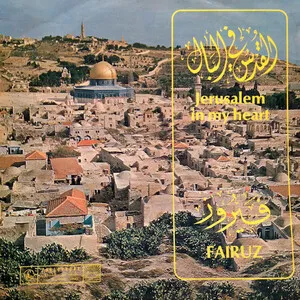
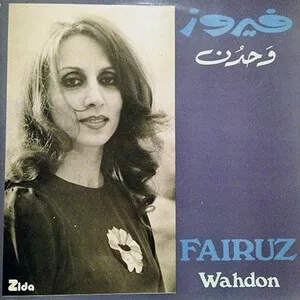
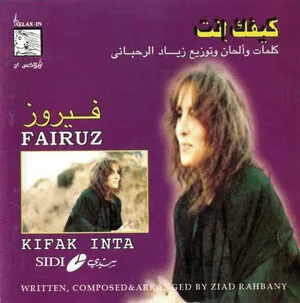
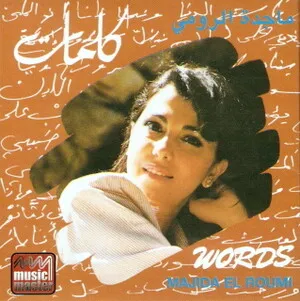
Similar albums
1972
Jerusalem in My Heart القدس في البال
Fairuz
1979
Wahdon وحدن
فيروز [Fairuz]
2003
Kifak Inta
Fairuz
1991
كلمات (Words)
Majida El-Roumi ماجدة الرومي
1985
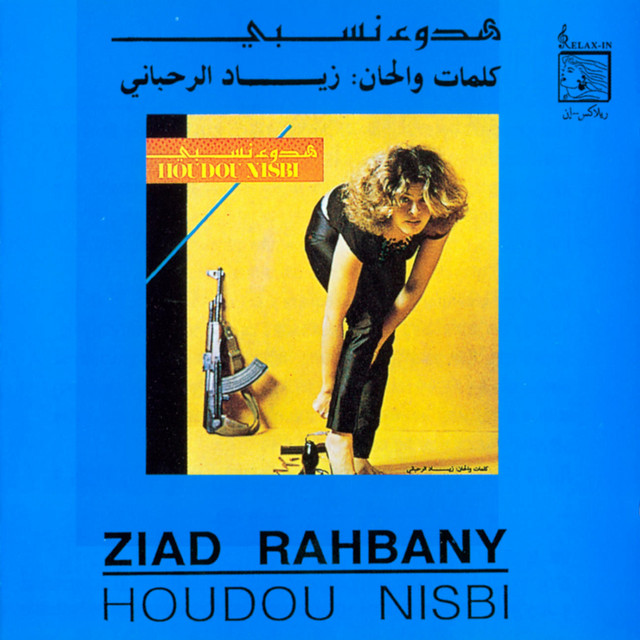
Houdou Nisbi هدوء نسبي
Ziad Rahbani زياد الرحباني
1994
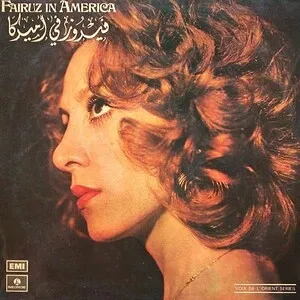
Fairuz in America
Fairuz
1966
أندلسيات (Andaloussiyat)
فيروز
1988
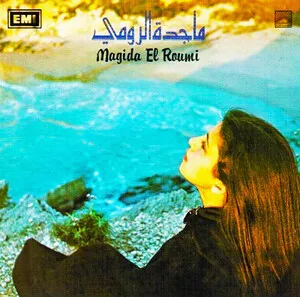
ماجدة الرومي
Majida El-Roumi ماجدة الرومي
2008
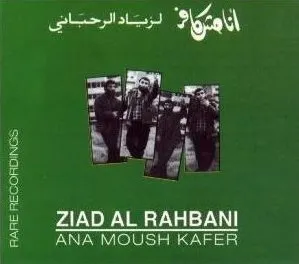
Ana Moush Kafer
Ziad Rahbani زياد الرحباني
2019
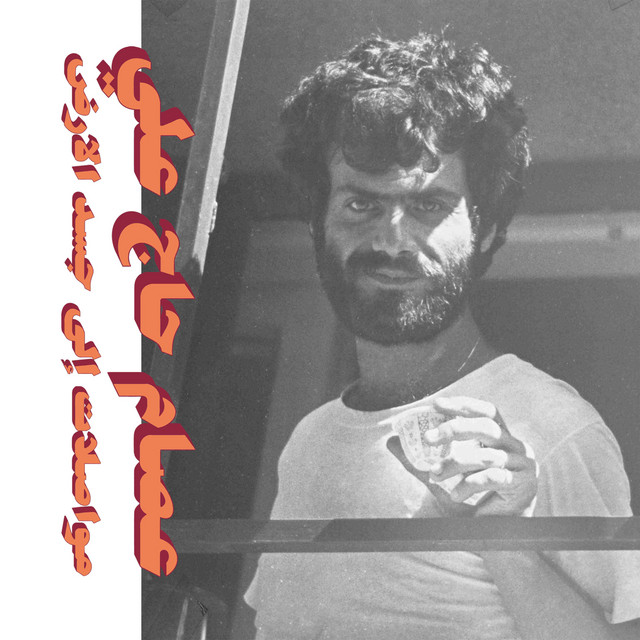
Mouasalat ila jacad el ard
Issam Hajali
Download our mobile app
Get the Melodigging app and start digging for new genres on the go
Download on the App Store
Get it on Google Play
© 2026 Melodigging
Give feedback
Legal
Melodding was created as a tribute to
Every Noise at Once
, which inspired us to help curious minds keep digging into music's ever-evolving genres.