Genres
Make Music
Artists
Albums
Challenges
Sign in
Sign in
Albums
By Issam Hajali
Albums
By Issam Hajali
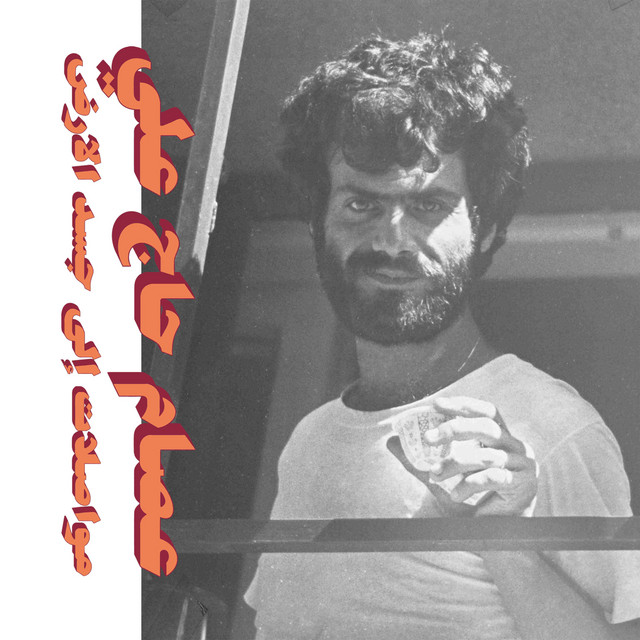
Mouasalat ila jacad el ard
November 22, 2019
Listen
2
/5
Genres
Arab Groove
Arab groove is a dance‑oriented fusion that marries contemporary club and funk rhythms with melodies, modes, and percussion from the Arabic‑speaking world. Built on steady 4/4 beats at mid‑tempo (often 95–115 BPM), it layers darbouka/riqq patterns and maqam‑based hooks over funk, disco, downtempo, and trip‑hop frameworks. The result feels both cosmopolitan and rooted: nightclub‑ready production carrying the swing of iqa'at such as maqsum, sa‘idi, and malfuf, plus ear‑catching Hijaz/Bayati motifs on oud, qanun, or synths. The style flourished in the 1990s–2000s through diasporic hubs (notably France and the UK), compilations and club nights, and artists who bridged Arabic pop/raï with electronic production. It remains a gateway sound for global audiences discovering modern Arabic music.
Discover
Listen
Psychedelic Folk
Psychedelic folk (often called acid folk or psych folk) blends the acoustic intimacy and modal harmony of traditional folk with the exploratory textures, surreal lyricism, and studio experimentation of psychedelic music. It typically favors acoustic guitars, hand percussion, flutes, drones (e.g., tambura or harmonium), and small acoustic instruments, while embracing effects such as reverb, delay, tape manipulation, field recordings, and unconventional song structures. Lyrics tend toward the pastoral, mystical, and dreamlike—drawing on folklore, nature, and visionary or inward-looking themes. Musically, it often uses modal melodies (Dorian, Mixolydian), drones, fingerstyle guitar in open tunings, and hypnotic ostinatos, creating a hazy, otherworldly atmosphere that sits between singer‑songwriter intimacy and psychedelic exploration.
Discover
Listen
Psychedelic Pop
Psychedelic pop is a 1960s-born fusion that marries the hook-driven immediacy of pop with the timbral color, studio experimentation, and altered-perception aesthetics of psychedelic music. It favors concise song forms and memorable melodies while introducing unusual sounds (sitar, Mellotron, harpsichord), tape effects (backmasking, varispeed, flanging), and surreal or whimsical imagery. Compared to psychedelic rock, it is brighter, more tuneful, and radio-friendly, often wrapping adventurous production techniques in singable choruses and lush vocal harmonies.
Discover
Listen
Singer-Songwriter
Singer-songwriter is a song-focused style in which the same person writes, composes, and performs their own material, often accompanying themselves on acoustic guitar or piano. It emphasizes personal voice, lyrical intimacy, and storytelling over elaborate production. Arrangements are typically sparse, allowing the melody, words, and performance nuance to carry the song’s emotional weight. While rooted in folk and blues traditions, singer-songwriter embraces pop and rock songcraft, producing works that can range from quiet confessional ballads to subtly orchestrated, radio-ready pieces.
Discover
Listen
Mūsīqā Lubnāniyya
Mūsīqā lubnāniyya (Lebanese music) denotes the modern popular and art-music traditions that emerged in Lebanon, blending Levantine folk idioms, Arabic maqam-based composition, and Western pop/jazz orchestration. It is characterized by melodic lines rich in ornamentation and microtonal inflections, buoyant dabke rhythms for dance repertoire, and poetic lyrics in Lebanese Arabic that range from romantic to patriotic and nostalgic themes. In the second half of the 20th century, Beirut’s studios, composers, and star singers shaped a distinctive sound—at once rooted in regional modalities and open to European chanson, classical orchestration, and jazz harmony.
Discover
Listen
Levantine Arabic Music
Levantine Arabic music refers to the Arab musical traditions of the Eastern Mediterranean—today’s Syria, Lebanon, Palestine, Jordan, and Arab communities in Israel. It balances refined urban art music with village and dance repertories, all articulated through the Arabic maqam system and cyclical iqaʿ (rhythmic) cycles. Core timbres come from oud, qanun, buzuq, ney, violin/cello in Arab tuning, and hand percussion such as riqq and darbuka. Vocal performance emphasizes ornamentation, expressive melismas, and the aesthetics of tarab (ecstatic musical transport). Key forms include muwashshah and qudud Halabiyya (Aleppine songs), mawwal and layali (free-meter vocal improvisations), and popular dabke songs for line-dances. As a historical crossroads, the Levant synthesized Arab, Ottoman/Turkish, Persian, Byzantine/Syriac liturgical, and Andalusi legacies. In the 20th century, cosmopolitan Beirut, Damascus, and Aleppo studios and theaters helped shape modern Arabic song while keeping local dialects and rhythms central.
Discover
Listen
Similar albums
1985
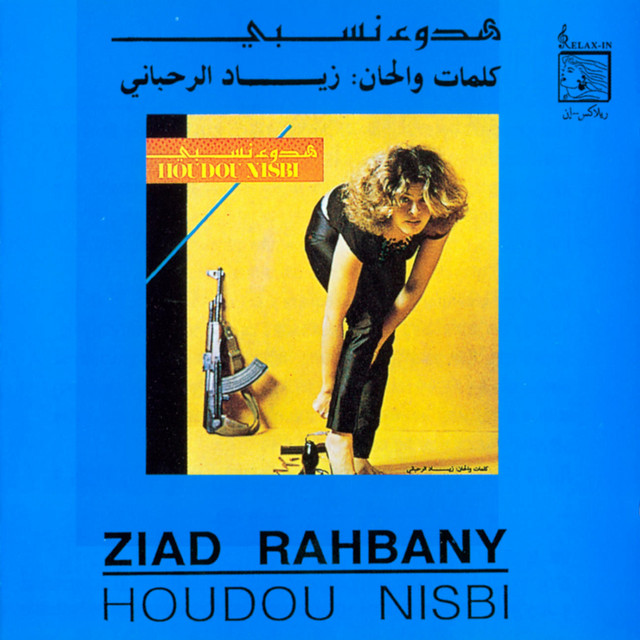
Houdou Nisbi هدوء نسبي
Ziad Rahbani زياد الرحباني
2019
Mouasalat ila jacad el ard
Issam Hajali
1979
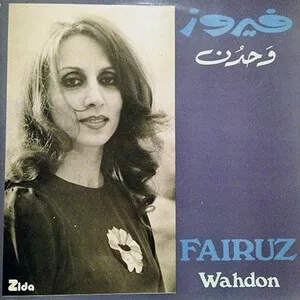
Wahdon وحدن
فيروز [Fairuz]
2003
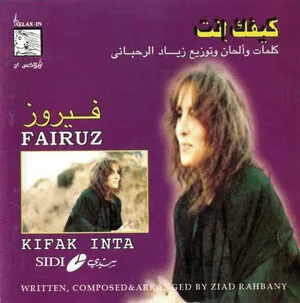
Kifak Inta
Fairuz
2019
Carpet Bed EP
Ethel Cain
1991
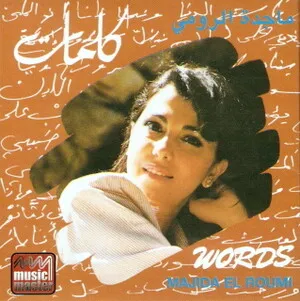
كلمات (Words)
Majida El-Roumi ماجدة الرومي
1968
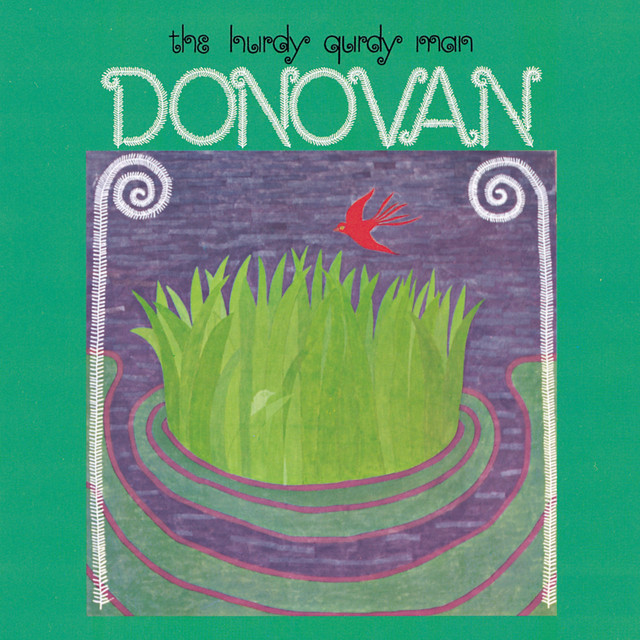
The Hurdy Gurdy Man
Donovan
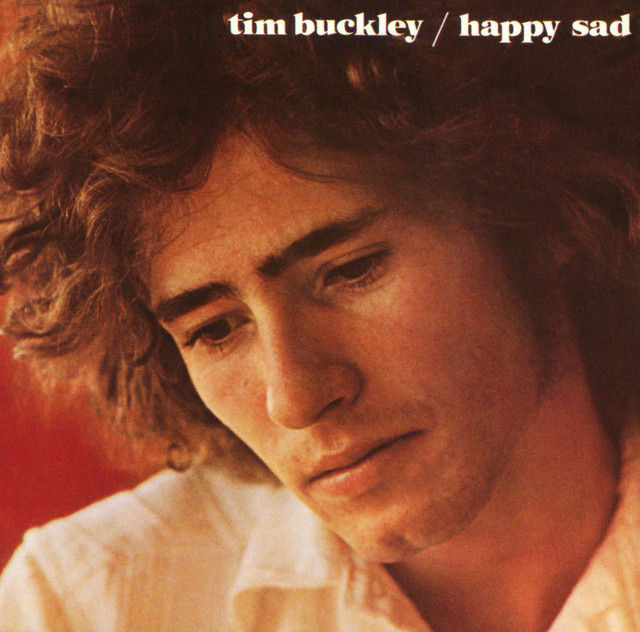
1969
Happy Sad
Tim Buckley
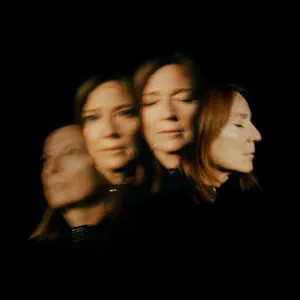
2024
Lives Outgrown
Beth Gibbons
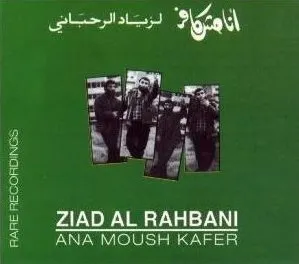
2008
Ana Moush Kafer
Ziad Rahbani زياد الرحباني
Download our mobile app
Get the Melodigging app and start digging for new genres on the go
Download on the App Store
Get it on Google Play
© 2026 Melodigging
Give feedback
Legal
Melodding was created as a tribute to
Every Noise at Once
, which inspired us to help curious minds keep digging into music's ever-evolving genres.