Genres
Artists
Albums
Make Music
Sign in
Sign in
Albums
By Raul Olarte
Albums
By Raul Olarte
Quena De Los Andes
January 1, 2002
Listen
Genres
Musica Andina
Música andina (Andean music) is a pan‑regional folk tradition of the South American Andes that blends pre‑Columbian Indigenous sound worlds with colonial string instruments and urban folk revivals. Typical ensembles feature panpipes (siku/zampoña), notched flutes (quena), small 10‑string lutes (charango), guitars, and large drums (bombo). Melodies often use pentatonic and modal scales (Aeolian/Dorian), parallel fourths and fifths, and antiphonal “hocketing” between matched panpipe parts. Repertoires draw on local dance‑song forms such as huayno, sanjuanito, carnavalito, saya, and tinku, each with distinctive grooves and tempos. From mid‑20th‑century urban centers the style crystallized into a recognizable pan‑Andean sound that traveled globally, while remaining rooted in Quechua and Aymara languages, community festivities, and ritual calendars.
Discover
Listen
Andean Flute
Andean flute is a performance-driven folk genre centered on the indigenous aerophones of the Central Andes—above all the siku/zampoña (panpipes), quena/khena (end-blown notch flute), and their lower-pitched relatives (quenacho, toyo). Ensembles often combine interlocking panpipe parts with charango, guitar, bombo and hand percussion, creating bright, breathy textures and danceable ostinatos. While the instruments and repertories are pre‑Columbian, the genre name in recorded music coalesced during the 1960s–1970s global folk revival, when Andean groups toured internationally and the sound entered world/"new age" markets. Melodies frequently use pentatonic or anhemitonic scales, parallel fourths and fifths, drones, and the characteristic hocketing between paired siku rows (ira/arca). Rhythms draw on huayno, sikuri, sanjuanito and other regional dances, ranging from lilting 6/8 to driving 2/4 with hemiola.
Discover
Listen
Folclore Jujeno
Folclore jujeño is the regional folk music of Jujuy Province in Northwest Argentina, shaped by the Andean highland (Puna and Quebrada de Humahuaca) environment and the living traditions of Kolla/Quechua and Aymara communities. It blends indigenous Andean song forms and scales with criollo instruments and Argentine folk practices. Typical song types include carnavalito, bailecito, huayno-influenced pieces, coplas accompanied by caja coplera, and deeply plaintive bagualas and vidalas sung a cappella or with minimal percussion. Its timbral palette is defined by charango, quena, sikus/zampoña, erke, bombo legüero, and caja, producing bright, breathy winds over earthy drum grooves and pentatonic or modal melodies. Lyrically, folclore jujeño evokes the landscape (Pachamama, puna winds, quebradas), community rituals (Carnaval, comparsas), migration, and memory, often in octosyllabic quatrains (coplas) with Spanish interwoven with Quechua/Aymara words.
Discover
Listen
Similar albums
1999
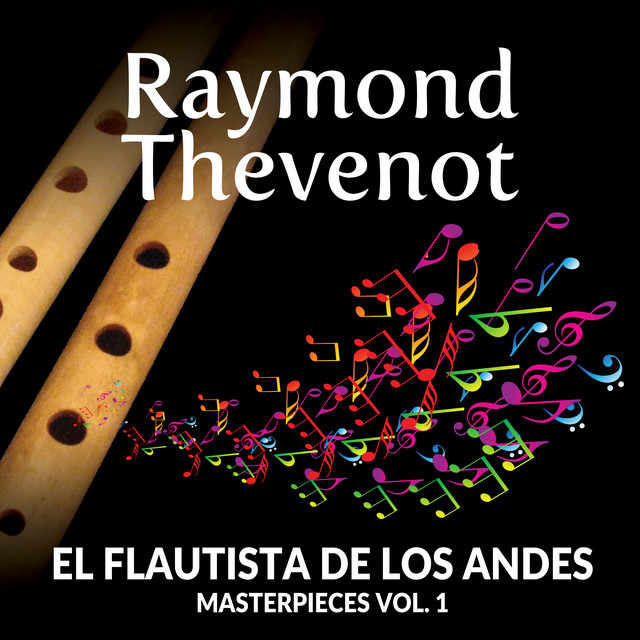
Raymond Thevenot: El Flautista de los Andes - Masterpieces, Vol. 1
Raymond Thevenot
2015
20 Cumbias De Oro
Grupo Andino Show
2003
Viva Italia
Inti-Illimani
1986
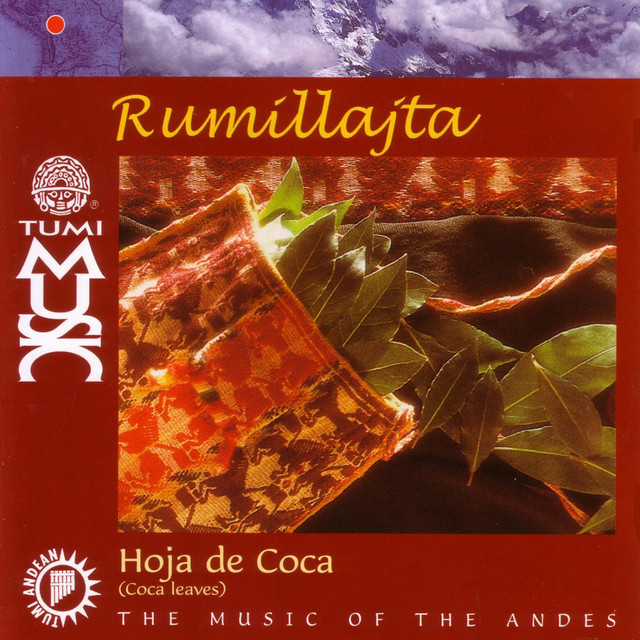
Hoja de coca
Rumillajta
1993
La Magia de Mi Raza
Ricardo Vilca
2023
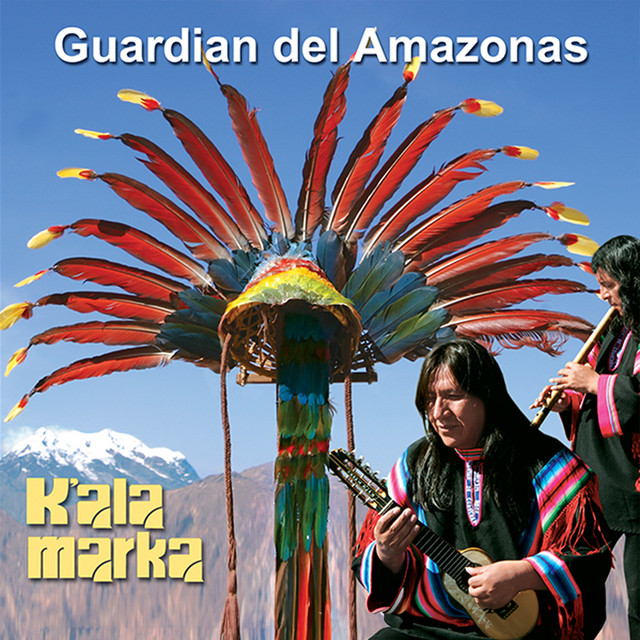
Guardian Del Amazonas
Kala Marka
1990
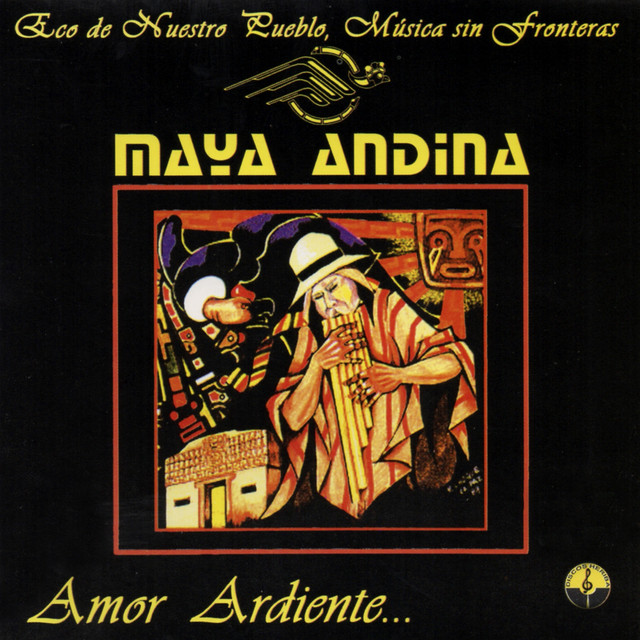
Amor Ardiente (Bolivia y Su Folklore)
Maya Andina
2010
Alpamayo: Magic Flutes and Music of the Andes
Alpamayo
1998
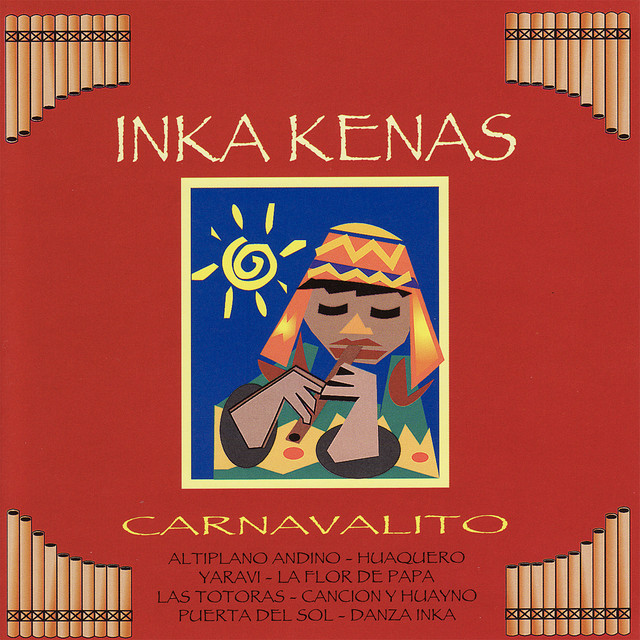
Carnavalito
Inka Kenas
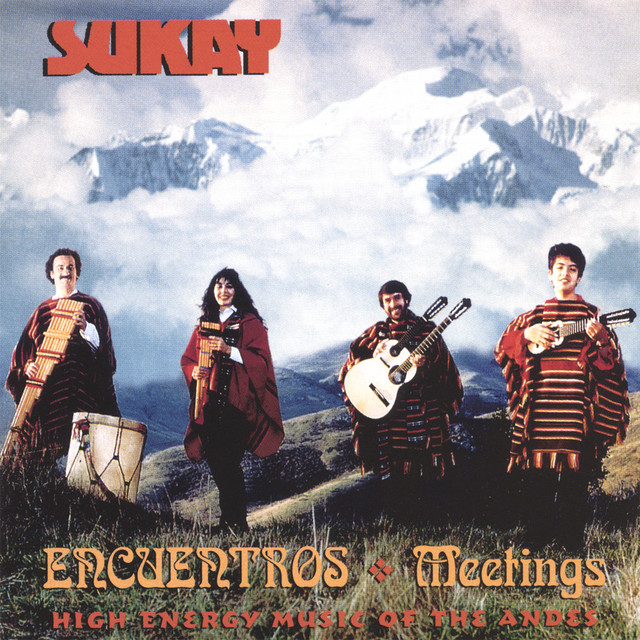
1995
Encuentros (Meetings)
Sukay
Download our mobile app
Get the Melodigging app and start digging for new genres on the go
Download on the App Store
Get it on Google Play
© 2026 Melodigging
Give feedback
Legal
Melodding was created as a tribute to
Every Noise at Once
, which inspired us to help curious minds keep digging into music's ever-evolving genres.