Genres
Make Music
Artists
Albums
Challenges
Sign in
Sign in
Albums
By Black Sabbath
Albums
By Black Sabbath
Paranoid
September 18, 1970
Listen
1
/5
Genres
Tech-Noir
Tech-noir is a musical subgenre and aesthetic within the synthwave and darksynth scenes, characterized by a dark, cinematic, and dystopian atmosphere. It draws heavy inspiration from 1980s science fiction and neo-noir films, blending retro-futuristic synthesizer melodies with driving basslines and industrial elements. The music often incorporates narrative storytelling, spoken word samples, and soundscapes that evoke a sense of urban decay, high-tech menace, and cynical romance.
Discover
Listen
Animutation
Animutation is a surreal, collage-style form of short-form animation that emerged in the early 2000s on the web. Pieces typically juxtapose cut‑out photos of celebrities, public figures, and random objects with frenetic lip‑syncing and rapid, non‑sequitur edits. Most classics were authored in Adobe Flash (now Animate), embracing a deliberately crude, low‑resolution aesthetic: jagged edges, mismatched tweening, garish color clashes, and pop‑up gags layered over hyperactive foreign pop, dance, or novelty tracks. The result is a proto‑meme audio‑visual collage—equal parts absurdist humor, culture‑jamming, and internet folk art.
Discover
Listen
Heavy Metal
Heavy metal is a loud, guitar-driven style of rock defined by heavily distorted riffs, thunderous drums, and powerful vocals. Its musical language emphasizes minor modes, modal (Aeolian, Phrygian) riffing, and energy over groove, often featuring virtuosic guitar solos and dramatic dynamic contrasts. Emerging from late-1960s blues rock and psychedelic experimentation, heavy metal codified a darker, heavier sound with bands like Black Sabbath, Deep Purple, and Led Zeppelin. The genre values weight, intensity, and grandeur—whether through plodding, doom-laden tempos or galloping, high-energy rhythms—paired with themes that range from personal struggle and social critique to fantasy, mythology, and the occult.
Discover
Listen
Halloween Music
Halloween music is a cross-genre repertoire defined less by a single stylistic syntax and more by its association with the secular holiday of Halloween and its themes of horror, the uncanny, and the supernatural. It spans novelty hit singles, haunted-house sound‑effects albums, spooky children’s songs, horror-film cues, and goth/industrial and dark electronic tracks that surge in popularity every October. Common sonic markers include minor keys, tritones and diminished harmony, pipe or theater organs, eerie strings, theremin- or synth-like glides, creaks, howls, and thunderclaps. Lyrically and iconographically it references monsters, ghosts, witches, vampires, skeletons, and trick‑or‑treat imagery. Because it is tied to a season and a cultural ritual, Halloween music functions as a flexible umbrella that can encompass vintage novelty rock (e.g., Monster Mash), cinematic horror scores, and danceable pop suitable for parties, provided it evokes a spooky, playful, or theatrically macabre mood.
Discover
Listen
Blues Rock
Blues rock is a guitar-driven style that fuses the raw feeling and 12‑bar structures of the blues with the power, volume, and rhythmic punch of rock. It emphasizes riff-based songs, pentatonic and blues-scale soloing, call‑and‑response between voice and guitar, and an expressive, often gritty vocal delivery. Typical ensembles are power trios (guitar, bass, drums) or quartet formats adding second guitar, keyboards, or harmonica, and performances commonly feature extended improvisation. Sonically, it favors overdriven tube-amp tones, sustained bends, vibrato, and dynamic contrasts, moving from shuffles and boogies to straight‑eighth rock grooves.
Discover
Listen
Hard Rock
Hard rock is a loud, riff-driven style of rock music built around heavily amplified electric guitars, a powerful rhythm section, and assertive vocals. Songs typically center on memorable, blues-based guitar riffs, strong backbeats, and energetic, often shouted or belted choruses. The genre emphasizes power, groove, and visceral impact over intricate harmony or extended improvisation. Distortion, power chords, pentatonic melodies, and call‑and‑response between vocals and guitar are core traits, while lyrical themes often explore rebellion, lust, swagger, escape, and cathartic release.
Discover
Listen
Parody Music
Parody music is a humorous or satirical approach to music in which an existing song, composer’s voice, or recognizable style is deliberately imitated, altered, or lyrically re-written to make its traits appear exaggerated, ridiculous, or newly meaningful. Unlike simple covers, parody pieces transform musical and/or lyrical content to comment on the original work, current events, or pop culture. Parody can target specific songs, an artist’s broader stylistic fingerprints, or an entire genre’s conventions—often walking a line between affectionate homage and pointed satire.
Discover
Listen
Supernatural Horror
Supernatural horror (as a musical style) is the sound-world crafted to evoke the occult, ghosts, possession, mythic beasts, and uncanny entities from folklore. It blends orchestral tension, choral ritualism, experimental timbres, and sound design to suggest forces beyond human comprehension. Expect atonal clusters, whispering choirs, pipe organ or harmonium, bowed metals, infrasound, eerie drones, and sudden dynamic shocks. The goal is to conjure dread and numinous awe—sonically staging hauntings, curses, exorcisms, and encounters with the Other.
Discover
Listen
Similar albums
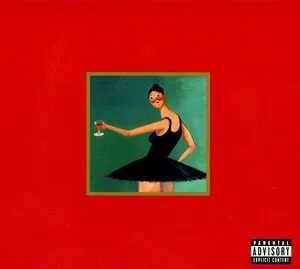
2010
My Beautiful Dark Twisted Fantasy
Kanye West
1969
Abbey Road
The Beatles
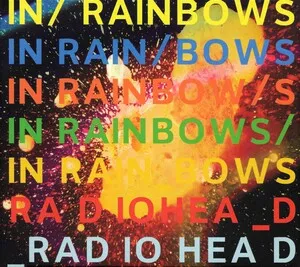
2007
In Rainbows
Radiohead
2004
The College Dropout
Kanye West
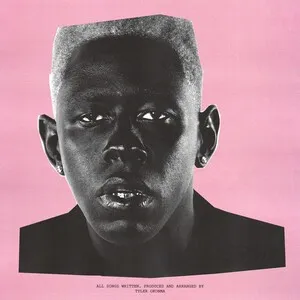
2019
Igor
Tyler, The Creator
1986
The Queen Is Dead
The Smiths
1972
The Rise and Fall of Ziggy Stardust and The Spiders From Mars
David Bowie
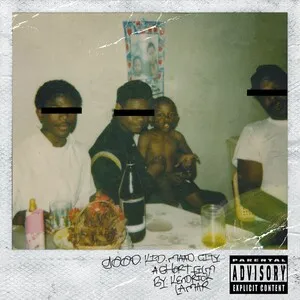
2012
Good Kid, M.A.A.D City
Kendrick Lamar
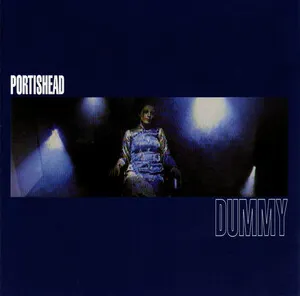
1994
Dummy
Portishead
1993
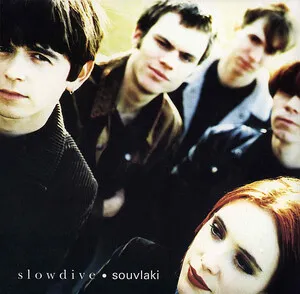
Souvlaki
Slowdive
Download our mobile app
Get the Melodigging app and start digging for new genres on the go
Download on the App Store
Get it on Google Play
© 2026 Melodigging
Give feedback
Legal
Melodding was created as a tribute to
Every Noise at Once
, which inspired us to help curious minds keep digging into music's ever-evolving genres.