Genres
Make Music
Artists
Albums
Challenges
Sign in
Sign in
Albums
By Oscar Peterson Trio
Albums
By Oscar Peterson Trio
Oscar Peterson For Lovers (Deluxe Edition)
August 6, 2021
Listen
3
/5
Genres
Contemporary Post-Bop
Contemporary post-bop is a modern continuation of the post-bop language, balancing the harmonic sophistication of bebop and hard bop with modal harmony, free-jazz openness, and updated rhythmic concepts. It typically favors small acoustic ensembles (saxophone or trumpet-led groups with piano, double bass, and drums), although guitar often substitutes or augments the piano in many groups. Compared with classic post-bop of the 1960s, contemporary post-bop embraces broader metric variety (odd meters, mixed meter, and polyrhythms), more flexible forms, and a wider palette of timbres. The writing often features original compositions with memorable heads, extended harmonies, motivic development, and space for improvisation that can move fluidly from inside playing to harmonically “outside” lines. The aesthetic ranges from straight-ahead swing to straight-eighth textures, with influences from ECM-style lyricism, modern classical voicings, and contemporary groove-oriented feels. The result is music that sounds rooted in the jazz tradition yet distinctly current in touch and tone.
Discover
Listen
Hard Bop
Hard bop is a mid‑1950s subgenre of jazz that extends bebop’s virtuosic improvisation while bringing back a more explicitly African‑American groove. It incorporates pronounced influences from blues, rhythm & blues, and gospel—especially evident in riff‑based heads, church‑like harmonic movements on piano, and earthy saxophone phrasing. Compared with bebop, hard bop favors stronger backbeat accents, more grounded bass lines, and memorable, soulful melodies, all while retaining fast, harmonically rich improvisation when desired. Typical ensembles are small groups (often quintets) with trumpet, tenor sax, piano, bass, and drums. The style’s hallmark is the blend of bop harmony and lines with blues/gospel feeling and a driving swing feel.
Discover
Listen
Bebop
Bebop is a modern jazz style characterized by fast tempos, intricate melodies, and harmonically advanced improvisation. It moved jazz from dance-oriented big-band music to art-focused small-ensemble performance, prioritizing virtuosity and spontaneous creativity. Typical bebop groups are quintets or quartets featuring trumpet, alto or tenor saxophone, piano, double bass, and drums. The music emphasizes asymmetrical phrasing, extended chords and substitutions, and contrafacts—new melodies written over the chord changes of popular songs. Rhythm sections center time on the ride cymbal, with the bass walking and the drummer "dropping bombs" on snare and bass drum. Melodies are angular and chromatic, and soloists outline rapidly shifting harmonies with bebop scales, enclosure tones, and altered dominants.
Discover
Listen
Cool Jazz
Cool jazz is a modern jazz style marked by relaxed tempos, lighter tone, and a focus on arrangement, counterpoint, and timbral clarity. It favors understatement over virtuoso display and uses dynamics, space, and balance to create an airy, "cool" ambience. Emerging in the late 1940s, the style drew on bebop’s harmonic sophistication while smoothing its angular edges, often incorporating classical techniques such as linear writing and orchestral color. Hallmarks include brushed drums, lyrical improvisation, careful voice-leading, and unusual instrumentation (for jazz) like French horn and tuba alongside trumpet, saxophones, trombone, piano, bass, and drums. Although associated with the U.S. West Coast in the 1950s, cool jazz originated in New York through sessions led by Miles Davis and arranged by Gil Evans and others. It went on to influence bossa nova, third stream, modal jazz, and later smooth jazz and lounge aesthetics.
Discover
Listen
Jazz Blues
Jazz blues is a hybrid idiom that merges the expressive, melodic language and 12‑bar song forms of the blues with the harmony, improvisational vocabulary, and rhythmic feel of jazz. Typically, it retains a blues structure (often the 12‑bar form) while enriching it with jazz devices such as ii–V progressions, secondary dominants, turnarounds, tritone substitutions, and extended chords (9ths, 11ths, 13ths). The feel commonly swings, with walking bass lines, comping on piano or guitar, blue notes, call‑and‑response phrasing, and solos that mix blues scales with mixolydian and bebop lines. The result ranges from earthy shuffles to urbane, harmonically sophisticated vehicles for improvisation, sitting comfortably between New Orleans roots, Kansas City riff traditions, and modern bop language.
Discover
Listen
Similar albums
2002
All the Things You Are
Charlie Parker
2014
Exclusively for My Friends: Girl Talk, Vol. II
Oscar Peterson Trio
1961
Waltz For Debby [Original Jazz Classics Remasters] (OJC Remaster)
Bill Evans Trio
1958
Somethin' Else
Cannonball Adderley
1960
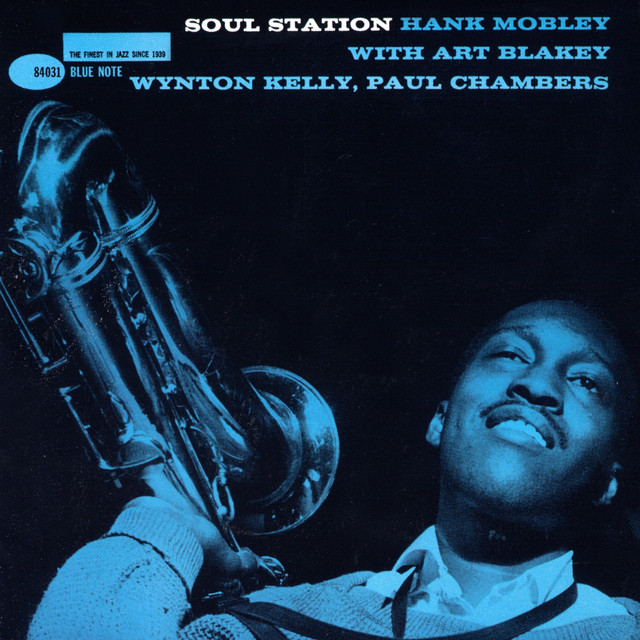
Soul Station
Hank Mobley
1960
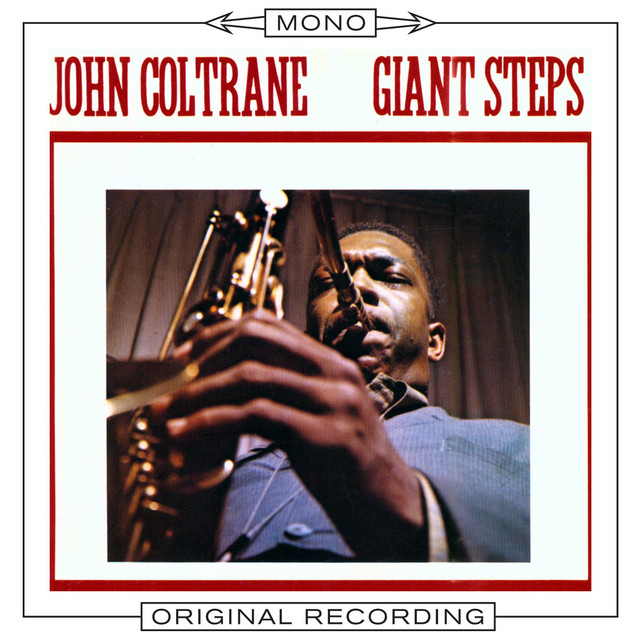
Giant Steps (Mono)
John Coltrane
1957
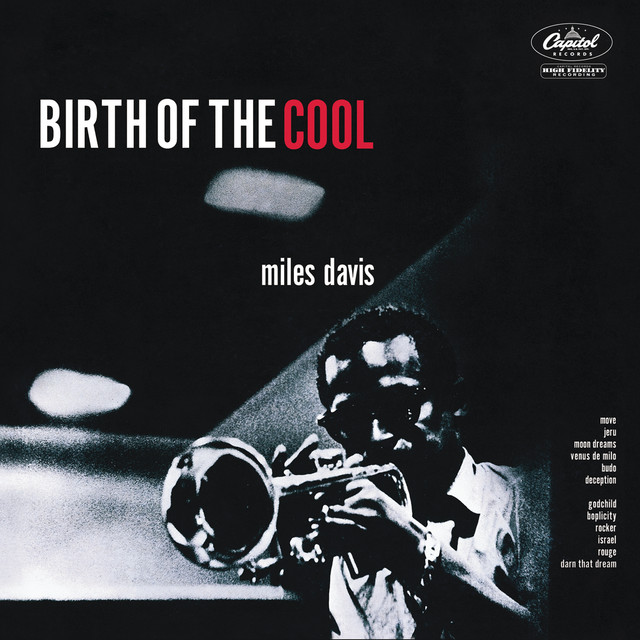
Birth Of The Cool
Miles Davis
1965
A Love Supreme
John Coltrane
2015
The Atlantic Studio Album Collection
John Coltrane
1998
Standards
Sonny Clark
Download our mobile app
Get the Melodigging app and start digging for new genres on the go
Download on the App Store
Get it on Google Play
© 2026 Melodigging
Give feedback
Legal
Melodding was created as a tribute to
Every Noise at Once
, which inspired us to help curious minds keep digging into music's ever-evolving genres.