Genres
Make Music
Artists
Albums
Challenges
Sign in
Sign in
Albums
By Fleshgod Apocalypse
Albums
By Fleshgod Apocalypse
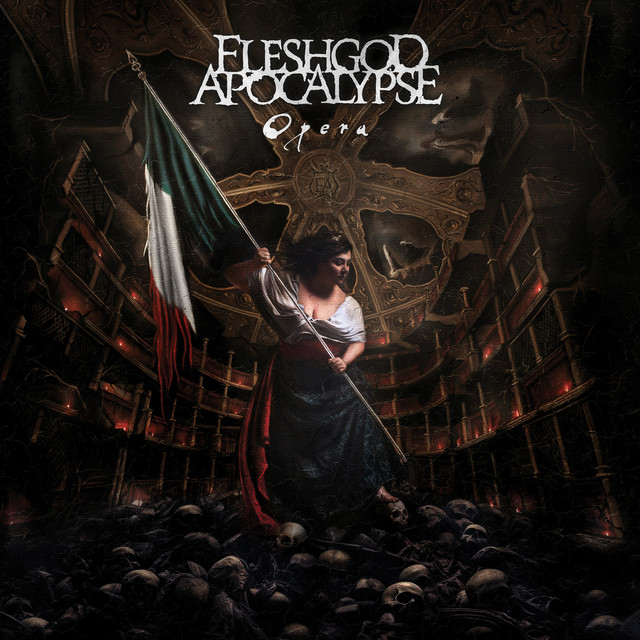
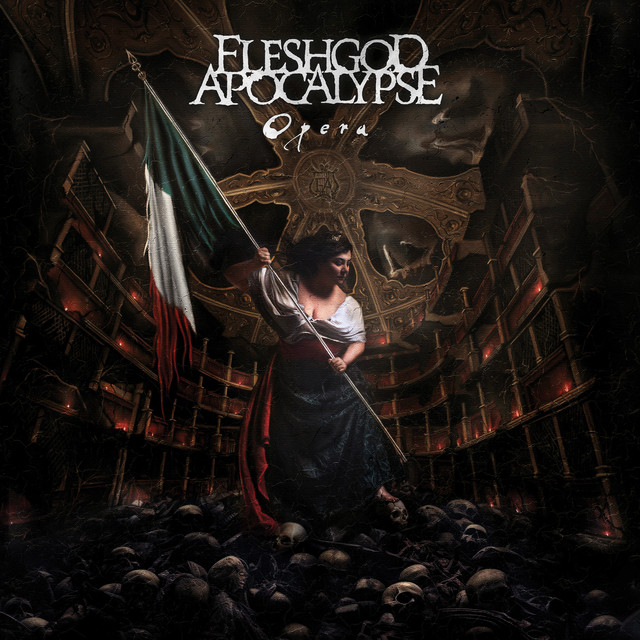
Opera
August 23, 2024
Listen
3
/5
Genres
Blackened Deathcore
Blackened deathcore is a hybrid of deathcore’s breakdown-centric heaviness and black metal’s frostbitten atmosphere, melodies, and blasting speed. It blends tremolo‑picked minor and diminished riffs, relentless blast beats, and shrieked vocals from black metal with deathcore’s low‑tuned chugs, slam grooves, and colossal, syncopated breakdowns. Many bands expand the sound with symphonic or choral layers, pipe‑organ or string pads, and cinematic sound design to project an apocalyptic, occult, or eschatological mood. Vocals typically alternate between cavernous gutturals and razor‑edged high shrieks, while guitars use extended ranges and extreme downtuning. The result is a sound that is simultaneously epic and oppressive: theatrical yet ferocious, atmospheric yet crushing.
Discover
Listen
Symphonic Death Metal
Symphonic death metal fuses the ferocity of death metal—blast beats, double‑kick barrages, down‑tuned riffing, and guttural vocals—with fully scored orchestral writing and choir textures. Arrangements often deploy strings, brass, woodwinds, and percussion (either recorded or via high‑end virtual instruments) to create cinematic scope. Harmonically, the style favors minor keys, Phrygian and harmonic‑minor colors, ostinati, and dramatic modulations reminiscent of film music and late‑Romantic classical idioms. Lyrical themes frequently explore mythology, esoterica, antiquity, apocalyptic imagery, and grand historical narratives. The result is a maximalist, theatrical sound where extreme metal’s weight is heightened by symphonic grandeur, yielding music that is simultaneously aggressive, dark, and epic.
Discover
Listen
Opera Metal
Opera metal is a style of metal that fuses heavy metal instrumentation with operatic composition and vocal technique. It typically features classically trained (often soprano or mezzo-soprano) lead vocals, dramatic song structures that resemble arias and scenes, and arrangements that borrow from opera and symphonic classical music (strings, choirs, overtures, and leitmotifs). Compared with broader symphonic metal, opera metal places more emphasis on explicit operatic singing, theatrical narration, and a “stage drama” feeling, often contrasting soaring operatic lines with distorted guitars, double-kick drumming, and sometimes harsh vocals. Lyrical themes frequently include tragedy, romance, myth, gothic literature, and grand historical or fantastical storytelling.
Discover
Listen
Brutal Death Metal
Brutal death metal is an especially extreme branch of death metal that emphasizes overwhelming intensity, dense riffing, and relentlessly aggressive rhythm. Hallmarks include very low-tuned, percussive guitars; rapid-fire tremolo picking; slam-oriented breakdowns; constant blast beats and gravity blasts; and ultra-guttural vocals that range from cavernous growls to “pig squeals.” Lyrical themes are typically visceral and graphic, drawing on horror and gore. Production often favors a tight, punchy drum sound (frequently with triggered kicks), thick multi-tracked guitars, and a bass tone that locks to the drums for maximal impact. Compared to traditional death metal, brutal death metal prioritizes extremity, physicality, and riff density over melody, and often integrates grindcore’s speed and brevity with hardcore-influenced breakdown weight.
Discover
Listen
Symphonic Metal
Symphonic metal fuses the power and riff-driven weight of heavy metal with the grandeur of orchestral music, choral writing, and operatic vocals. It often features full-scale symphonic arrangements—either via live orchestras and choirs or through sophisticated sampling—alongside distorted guitars, bass, and double-kick drumming. Hallmarks include cinematic songwriting, classical harmony (minor keys, modal colors, counterpoint), sweeping string ostinati, brass fanfares, and layered choirs. Vocal approaches range from operatic soprano leads to melodic rock vocals and occasional harsh growls. Lyrically, the genre leans toward myth, fantasy, history, philosophy, and romantic or existential themes, delivering an epic, theatrical atmosphere.
Discover
Listen
Technical Death Metal
Technical death metal (often shortened to tech-death) is a virtuosic, hyper-detailed branch of death metal characterized by complex song structures, rapid-fire tempo changes, and high-performance musicianship. It fuses the extremity and heaviness of death metal with the rhythmic sophistication of progressive metal and the harmonic vocabulary of jazz fusion. Signature elements include odd and shifting time signatures, polyrhythms, dissonant and chromatic harmony, through-composed or non-repeating structures, and intricate contrapuntal interplay between guitars and bass (often fretless). Drumming emphasizes precision blast beats, rapid double-kick patterns, metric modulation, and constant subdivision changes. Vocals are primarily deep growls or harsh screams, while lyrics frequently explore science, philosophy, metaphysics, and cosmology alongside the genre’s traditional dark themes. Production tends to favor clarity and separation to make dense arrangements intelligible, with tight, gated guitars, articulate bass presence, and drum sounds that capture transient detail. The result is aggressive, cerebral, and often breathtakingly technical music that rewards close listening.
Discover
Listen
Metal
Metal (often used to mean heavy metal in its broad, umbrella sense) is a loud, guitar-driven style of rock defined by high-gain distortion, emphatic and often martial rhythms, and a dense, powerful low end. It foregrounds riff-based songwriting, dramatic dynamics, virtuosic guitar solos, and commanding vocals that range from melodic wails to aggressive snarls and growls. Harmonically, metal favors minor modes, modal color (Aeolian, Phrygian), chromaticism, and tritone-inflected tension, while thematically it explores power, mythology, the occult, social critique, fantasy, and existential subjects. While adjacent to hard rock, metal typically pushes amplification, distortion, precision, and thematic intensity further, forming a foundation for many specialized subgenres.
Discover
Listen
Rock
Rock is a broad family of popular music centered on amplified instruments, a strong backbeat, and song forms that foreground riffs, choruses, and anthemic hooks. Emerging from mid‑20th‑century American styles like rhythm & blues, country, and gospel-inflected rock and roll, rock quickly expanded in scope—absorbing folk, blues, and psychedelic ideas—while shaping global youth culture. Core sonic markers include electric guitar (often overdriven), electric bass, drum kit emphasizing beats 2 and 4, and emotive lead vocals. Rock songs commonly use verse–chorus structures, blues-derived harmony, and memorable melodic motifs, ranging from intimate ballads to high‑energy, stadium‑sized performances.
Discover
Listen
Similar albums
2020
No
Fleshgod Apocalypse
2021
Blue (Da Ba Dee)
Fleshgod Apocalypse
2024
Pendulum
Fleshgod Apocalypse
2024
I Can Never Die
Fleshgod Apocalypse
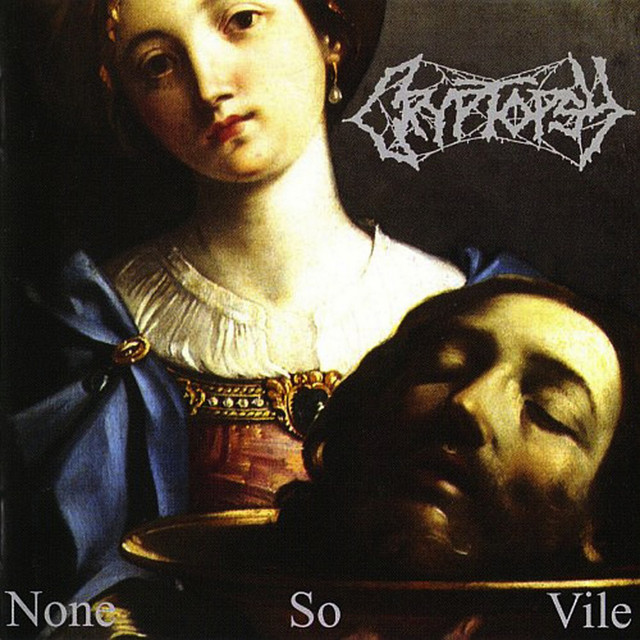
1996
None So Vile
Cryptopsy
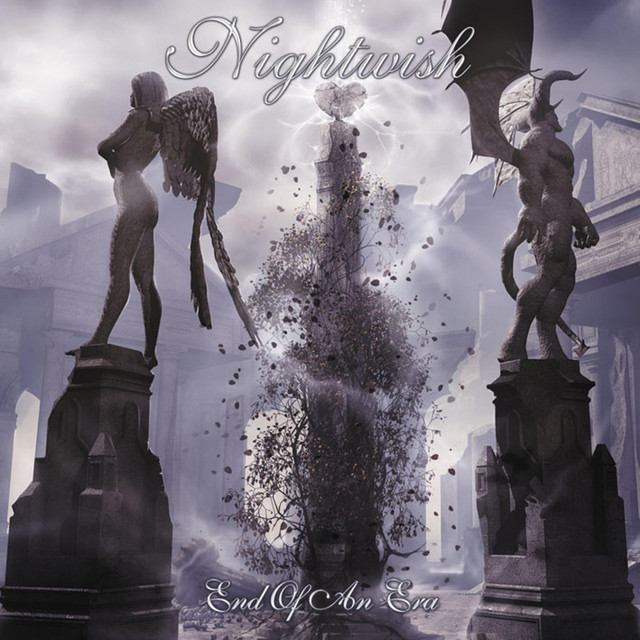
2006
End of an Era
Nightwish
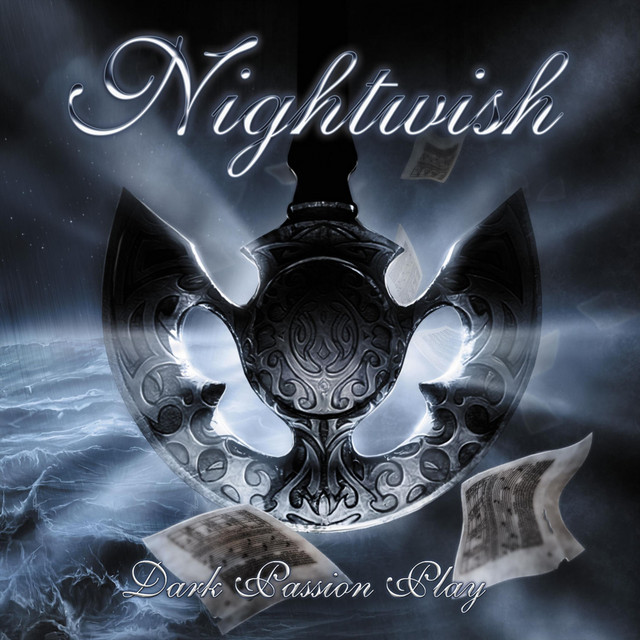
2007
Dark Passion Play
Nightwish
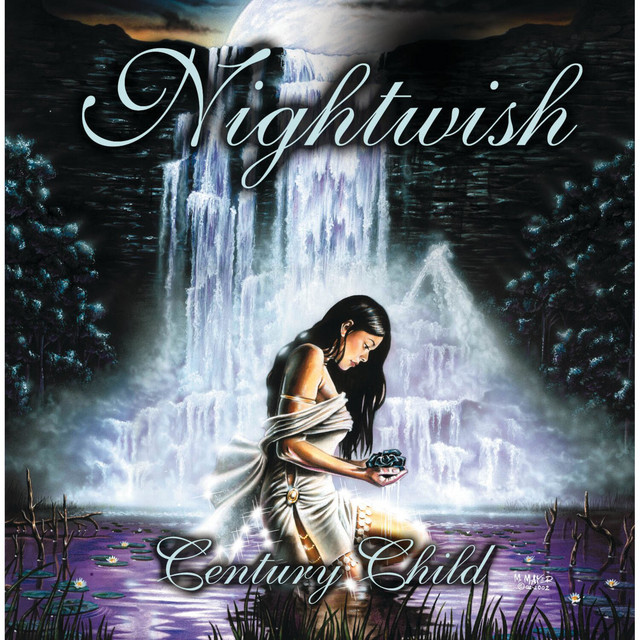
2002
Century Child
Nightwish
2020
Hvman. :||: Natvre.
Nightwish
2000
Wishmaster
Nightwish
Download our mobile app
Get the Melodigging app and start digging for new genres on the go
Download on the App Store
Get it on Google Play
© 2026 Melodigging
Give feedback
Legal
Melodding was created as a tribute to
Every Noise at Once
, which inspired us to help curious minds keep digging into music's ever-evolving genres.