Genres
Artists
Albums
Make Music
Sign in
Sign in
Albums
By Johannes Ockeghem
Albums
By Johannes Ockeghem
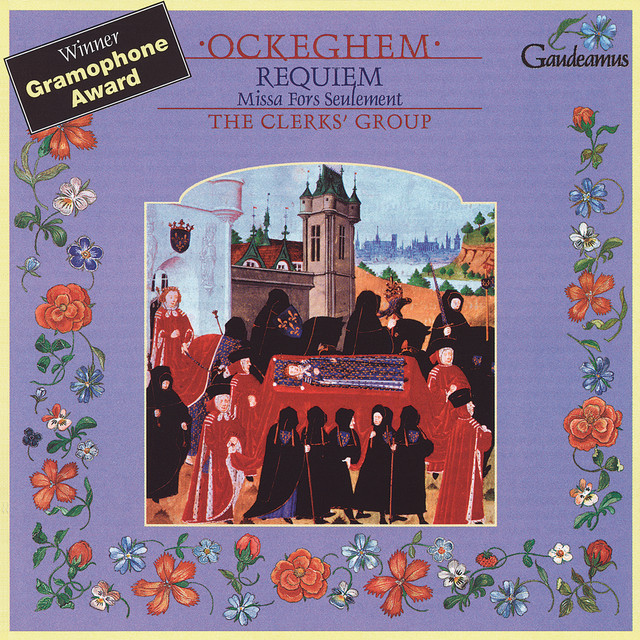
Ockeghem: Requiem / Missa Fors seulement
January 1, 1997
Listen
Genres
Early Music Choir
Early music choir refers to choral ensembles dedicated to Medieval, Renaissance, and early Baroque repertoire, typically performed with historically informed performance (HIP) practices. The sound emphasizes blended, straight-tone singing, clear diction, and modal or early tonal harmonies, often at a moderate, tactus-led pulse. Repertoires include Mass cycles, motets, hymns, anthems, Magnificats, and madrigals by composers such as Josquin, Palestrina, Tallis, Byrd, Victoria, and Monteverdi. Ensembles range from one-voice-per-part consorts to chamber choirs, singing a cappella or with period instruments (organ/positive, cornetts, sackbuts, viols, dulcians). Editorial choices—such as musica ficta accidentals, text underlay, meantone/unequal temperaments, and historically appropriate pronunciation—are integral to the idiom.
Discover
Listen
Chamber Choir
A chamber choir is a small, highly flexible choral ensemble—typically 12 to 40 voices—designed for intimate spaces and precision ensemble singing. The balance is often "one to a part" or light divisi within the SATB (soprano–alto–tenor–bass) framework, enabling remarkable clarity, blend, and contrapuntal transparency. Repertoire spans Renaissance polyphony and Baroque motets through Romantic part-songs and contemporary choral works. Performances are frequently a cappella, though chamber choirs also collaborate with organ, piano, period ensembles, or small chamber orchestras. Hallmarks include refined intonation (often favoring pure intervals), detailed text declamation, wide dynamic control, and a strong focus on timbral blend and diction.
Discover
Listen
Vocal Ensemble
Vocal ensemble refers to small-to-medium groups of singers (typically 3–16 voices) performing polyphonic or homophonic music with one or few singers per part. Unlike large choirs, vocal ensembles emphasize chamber-scale blend, clarity of individual lines, and intimate text delivery. The repertoire spans medieval conductus and motets, Renaissance madrigals and masses, Baroque part-songs, Romantic partsongs, and contemporary a cappella works. Ensembles often sing a cappella, but may be accompanied by continuo or instruments. Precision of tuning, diction, and balance among soprano/alto/tenor/bass (SATB) parts is central to the idiom.
Discover
Listen
Similar albums
2006
Le chant des Templiers
Ensemble Organum / Marcel Pérès
1985
A Feather on the Breath of God
Hildegard von Bingen
2005
The Origin of Fire: Music and Visions of Hildegard von Bingen
Hildegard von Bingen / Anonymous 4
2017
De Victoria: Ad vesperas
Tomás Luis de Victoria & La Colombina
2023
Missa Maria zart
Jacob Obrecht, Cappella Pratensis, Stratton Bull
1999
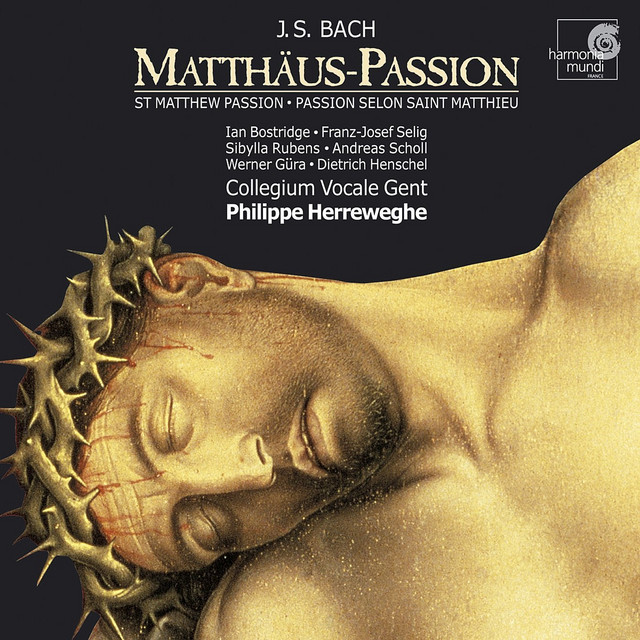
Matthäus-Passion
Johann Sebastian Bach
2016
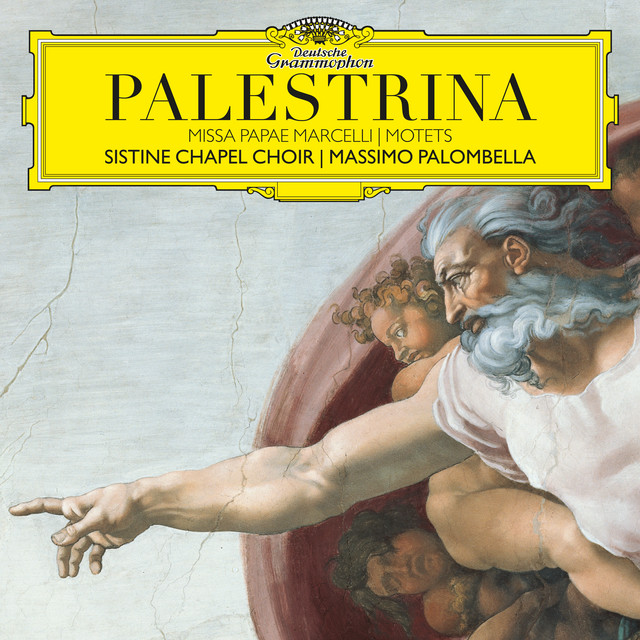
Missa Papae Marcelli; Motets
Giovanni Pierluigi da Palestrina / Cappella musicale pontificia sistina / Massi…
2021
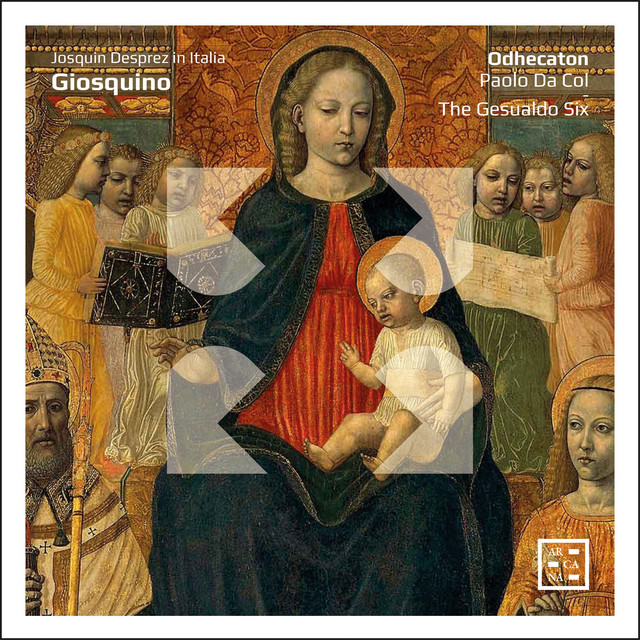
Giosquino: Josquin Desprez in Italia
Josquin des Prés
2000
Actus tragicus: Cantates BWV 4, 12, 106 & 196
Johann Sebastian Bach / Cantus Cölln / Konrad Junghänel
2007
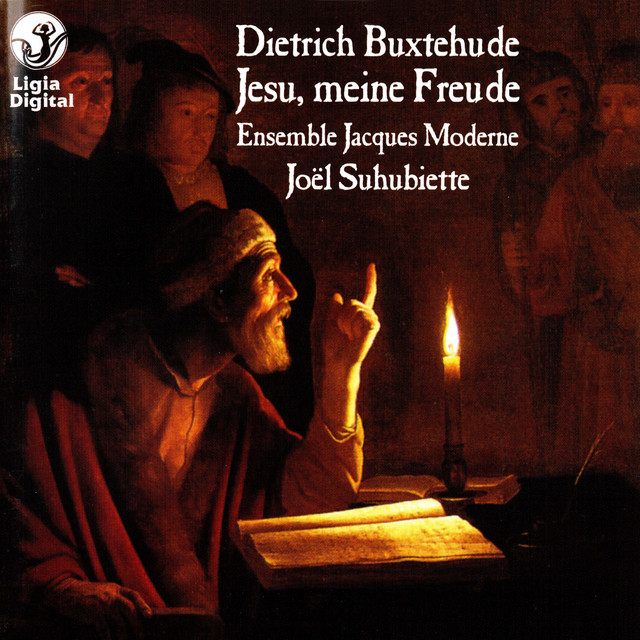
Jesu, meine Freude
Dietrich Buxtehude / Ensemble Jacques Moderne / Joël Suhubiette
Download our mobile app
Get the Melodigging app and start digging for new genres on the go
Download on the App Store
Get it on Google Play
© 2026 Melodigging
Give feedback
Legal
Melodding was created as a tribute to
Every Noise at Once
, which inspired us to help curious minds keep digging into music's ever-evolving genres.