Genres
Artists
Albums
Make Music
Sign in
Sign in
Albums
By Sainkho Namtchylak
Albums
By Sainkho Namtchylak
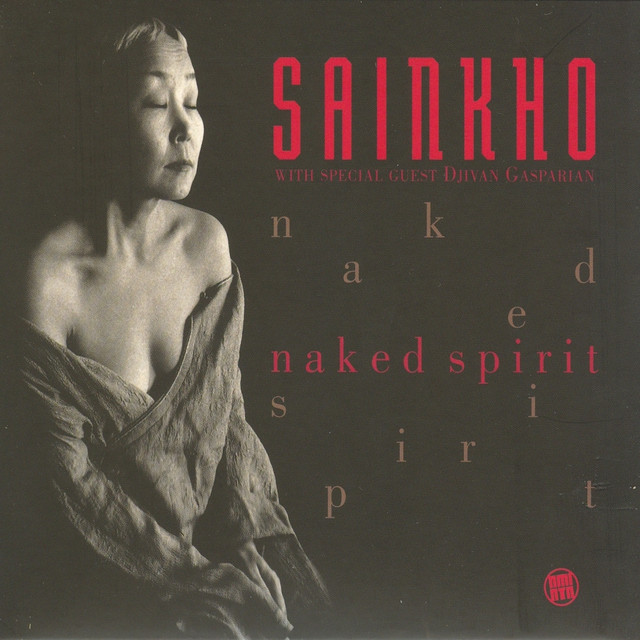
Naked Spirit
1998
Listen
Genres
Experimental Vocal
Experimental vocal is a boundary‑pushing approach to voice that treats the human vocal tract as a full-spectrum instrument. It privileges timbre, texture, and technique over conventional melody and lyric, foregrounding breath, phonemes, and raw sound just as much as sung notes. Artists employ extended vocal techniques such as overtone singing, multiphonics, shrieks, growls, glottal stops, ululation, whistle register, inhaled phonation, tongue clicks, and non-lexical glossolalia. These are often combined with live electronics, tape and granular processing, looping, and spatialization to expand the voice beyond its natural limits. While it overlaps with avant‑garde classical, sound art, and performance art, experimental vocal is not bound to any single tradition. It can be stark and ritualistic, viscerally intense, or meditative and textural, ranging from solo explorations to choral sound masses and multimedia works.
Discover
Listen
Tuvan Folk
Tuvan folk refers to the traditional music of Tuva (a republic in southern Siberia, today within Russia), best known for its overtone or throat-singing techniques (khöömei) alongside small ensemble instrumental traditions. Distinctive vocal styles such as sygyt (whistle-like overtones), khoomei (soft, breathy overtone singing), and kargyraa (deep, growling undertones) mimic the sounds of wind, rivers, and animal calls, reflecting an animistic worldview and a close relationship with the steppe and mountain environment. Instrumentation commonly includes the igil (two‑string horsehead fiddle), doshpuluur (plucked lute), byzaanchy (spiked fiddle), shoor (end‑blown flute), and khomus (jaw harp), as well as frame and shamanic drums. Musically, Tuvan folk emphasizes drones, sustained fundamentals with shifting overtones, pentatonic and modal melodies, and cyclical ostinatos. Performances range from solo singer‑instrumentalists to small ensembles and can accompany ritual, herding, storytelling, and celebration.
Discover
Listen
Throat Singing
Throat singing is an umbrella term for several vocal practices found across the world in which singers deliberately excite and filter the harmonic (overtone) series above a sustained fundamental, often with a distinctly guttural or pressed tone. The result is the perception of more than one pitch at the same time: a drone-like low note plus a whistling, flute‑like harmonic melody. While best known from Inner Asia (e.g., Tuva and Mongolia), related practices also appear among Inuit communities in the Arctic (katajjaq), the Ainu (rekuhkara), and in parts of Siberia and elsewhere. Techniques and aesthetics vary by region, but common elements include a stable drone, overtone selection using precise shaping of the vocal tract, and close ties to landscape, animal mimicry, and ritual or communal functions.
Discover
Listen
Similar albums
2007
Alash
Alash
2010
Ancestors Call
Huun-Huur-Tu
2004
Ay-Kherel: The Music of Tuva
Traditional, Ay-Kherel
2019
Kozulbesten Kostup-Le Keer
Aleksey Khovalyg
2000
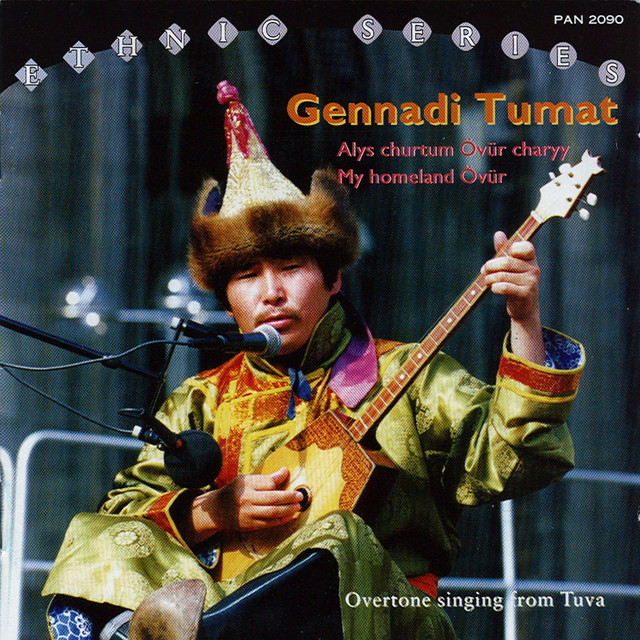
Alys churtum Övür charyy - My homeland Övür
Gennadi Tumat
2007
Music From Tuva
Igor Koshkendy
1995
Post
Björk
1982
Big Science
Laurie Anderson
2020
Jangar
Khusugtun
1981
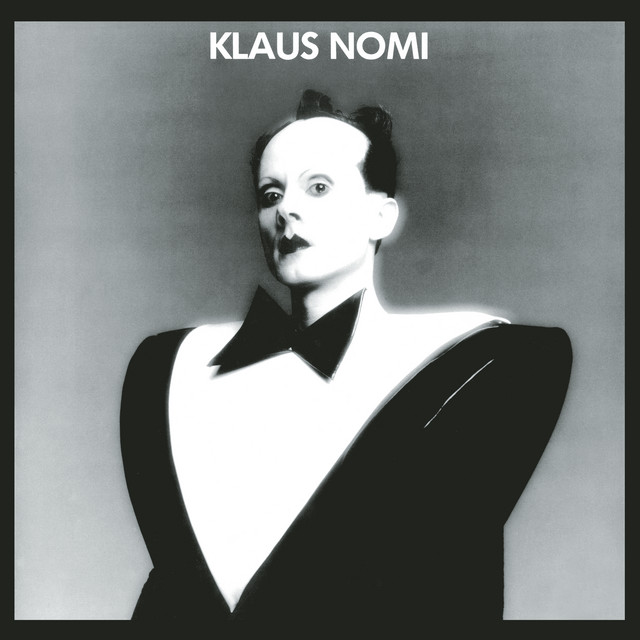
Klaus Nomi
Klaus Nomi
Download our mobile app
Get the Melodigging app and start digging for new genres on the go
Download on the App Store
Get it on Google Play
© 2026 Melodigging
Give feedback
Legal
Melodding was created as a tribute to
Every Noise at Once
, which inspired us to help curious minds keep digging into music's ever-evolving genres.