Genres
Make Music
Artists
Albums
Challenges
Sign in
Sign in
Albums
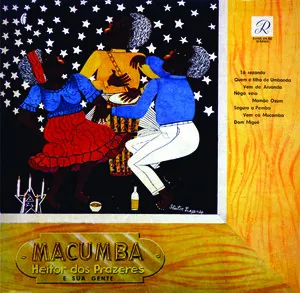
By Heitor dos Prazeres
Albums
By Heitor dos Prazeres
Macumba
March 1, 1956
Listen
1
/5
Genres
Southeastern Brazilian Music
Southeastern Brazilian music refers to the rich web of popular and traditional styles that crystallized in the urban centers of Rio de Janeiro, São Paulo, Belo Horizonte, and Espírito Santo. It encompasses historic genres such as choro and samba, mid‑century developments like bossa nova and MPB, and late‑20th‑century urban forms including funk carioca and hip hop. Rhythmically, it fuses African‑diasporic percussion with European song forms and harmony. Instrumentation ranges from cavaquinho, pandeiro, surdo, cuíca, tamborim, bandolim, and flute in choro/samba ensembles to nylon‑string guitar, jazz‑leaning piano/bass/drums in bossa nova and MPB, and 808‑driven beats and sampling in funk carioca and São Paulo rap. Harmonically, the region is noted for both the contrapuntal elegance of choro and the sophisticated extended‑chord vocabulary of bossa nova and MPB. Culturally, carnival, samba schools, radio, and the recording industry helped project these sounds nationwide and globally.
Discover
Listen
Northeastern Brazilian Music
Northeastern Brazilian music is an umbrella for the rich, dance‑driven and song‑centered traditions from Brazil’s Nordeste, spanning rural sertão sounds and vibrant coastal carnival repertoires. It gathers matrix styles such as forró (and its substyles baião, xote, xaxado), coco and embolada (repente), maracatu, frevo, ciranda, and more. Characterized by propulsive percussion (zabumba, alfaia, pandeiro), bright timbres (triangle, brass), and the signature diatonic accordion (sanfona), the region’s music balances joyous, communal dance grooves with lyrical narratives about sertão life, migration, love, drought, and resilience. Its rhythmic DNA mixes Portuguese dance forms with Afro‑Brazilian and Indigenous elements, producing syncopated two‑step feels and carnival‑ready cadences. From the early 20th century radio era to contemporary pop and hip‑hop fusions, Northeastern styles have continually refreshed Brazilian music at large, informing MPB, axé, and the Recife‑born mangue beat while sustaining strong local dance and festival circuits.
Discover
Listen
Jongo
Jongo is an Afro-Brazilian circle dance and song tradition from the coffee-growing heartlands of southeastern Brazil, especially the Paraíba Valley spanning Rio de Janeiro, São Paulo, and Minas Gerais. It is typically performed around a bonfire with two drums—the larger caxambu and the smaller candongueiro—driving interlocking rhythms while participants sing call-and-response verses known as pontos. Rooted in Central and West-Central African (Bantu) cultural memory brought by enslaved peoples, jongo blends ritual, poetry, dance, and social commentary. Dancers invite one another into the circle using the umbigada (a belly-to-belly gesture), and singers improvise metaphor-rich, often enigmatic lyrics that encode devotion, resistance, and wit. In some regions the practice is also called caxambu, reflecting local naming of the larger drum and the tradition itself. Beyond performance, jongo serves as an intergenerational archive for Afro-Brazilian communities, embodying ancestry, spirituality, and communal cohesion while maintaining a lively, dance-forward character.
Discover
Listen
Samba De Roda
Samba de roda is a traditional Afro‑Brazilian music-and-dance form from the Recôncavo region of Bahia, Brazil. It is performed in a circle (roda) with call-and-response singing, handclaps, and a small ensemble of percussion and plucked string instruments. Musically it typically uses a lilting 2/4 samba groove with strong syncopation, a lead singer (cantador/a) who improvises verses, and a chorus that responds in refrain. Two core song-dance modalities are common: the slower, more declamatory chula (often opening the gathering) and the faster, more animated samba corrido (when dancers enter the circle). The dance highlights the umbigada—an inviting belly-bump gesture—along with playful steps and spins. It is socially rooted in Afro‑Bahian festivities, religious gatherings (including candomblé contexts), and community celebrations, and it played a pivotal role in shaping urban samba across Brazil.
Discover
Listen
Brazilian Folk Music
Brazilian folk music is an umbrella term for the country’s regional and traditional musics that grew from the encounter of Indigenous, African (mainly West and Central African), and Iberian (especially Portuguese) cultures. It encompasses rural song, dance, and ritual genres such as baião and forró in the Northeast, viola-caipira traditions in the Southeast and Center-West, Afro-Brazilian drumming and chant in maracatu and jongo, circle-dance genres like ciranda and coco, and many others associated with religious festivals, work songs, and oral poetry. Marked by call-and-response vocals, propulsive percussion, syncopated grooves, and narrative lyrics, Brazilian folk music remains a living tradition that informs Brazilian popular music while preserving local identity and heritage.
Discover
Listen
Similar albums
1974
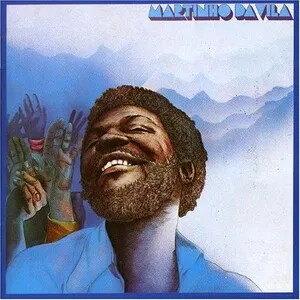
Canta canta minha gente
Martinho da Vila
1975
A voz do samba
Alcione
1968
Gente da antiga
Pixinguinha, Clementina de Jesus & João da Baiana
1982
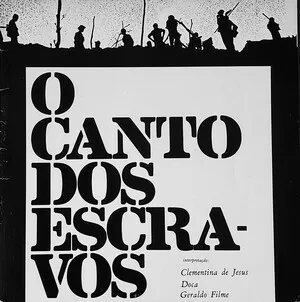
O canto dos escravos
Clementina de Jesus, Doca Geraldo Filme
1979
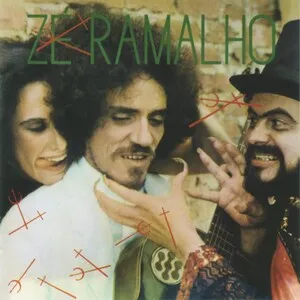
A peleja do Diabo com o dono do céu
Zé Ramalho
2022
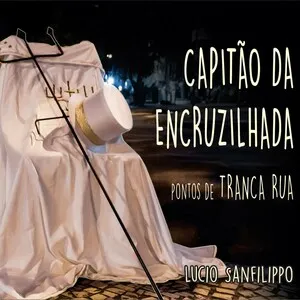
Capitão da encruzilhada: pontos de Tranca Rua
Lucio Sanfilippo
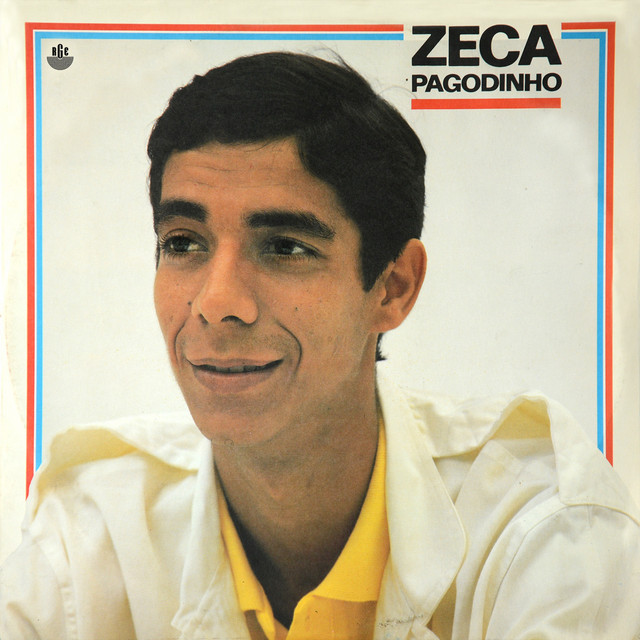
1986
Zeca Pagodinho
Zeca Pagodinho
2017
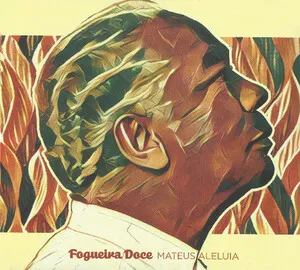
Fogueira doce
Mateus Aleluia
1981
A terceira lâmina
Zé Ramalho
1973
...das barrancas do Rio Gavião
Elomar
Download our mobile app
Get the Melodigging app and start digging for new genres on the go
Download on the App Store
Get it on Google Play
© 2026 Melodigging
Give feedback
Legal
Melodding was created as a tribute to
Every Noise at Once
, which inspired us to help curious minds keep digging into music's ever-evolving genres.