Genres
Make Music
Artists
Albums
Challenges
Sign in
Sign in
Albums
By Clementina De Jesus
Albums
By Clementina De Jesus
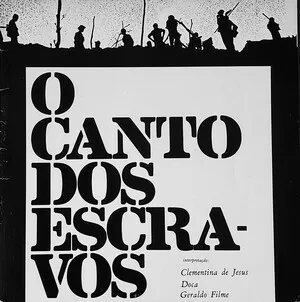
O canto dos escravos
February 11, 1982
Listen
1
/5
Genres
Southeastern Brazilian Music
Southeastern Brazilian music refers to the rich web of popular and traditional styles that crystallized in the urban centers of Rio de Janeiro, São Paulo, Belo Horizonte, and Espírito Santo. It encompasses historic genres such as choro and samba, mid‑century developments like bossa nova and MPB, and late‑20th‑century urban forms including funk carioca and hip hop. Rhythmically, it fuses African‑diasporic percussion with European song forms and harmony. Instrumentation ranges from cavaquinho, pandeiro, surdo, cuíca, tamborim, bandolim, and flute in choro/samba ensembles to nylon‑string guitar, jazz‑leaning piano/bass/drums in bossa nova and MPB, and 808‑driven beats and sampling in funk carioca and São Paulo rap. Harmonically, the region is noted for both the contrapuntal elegance of choro and the sophisticated extended‑chord vocabulary of bossa nova and MPB. Culturally, carnival, samba schools, radio, and the recording industry helped project these sounds nationwide and globally.
Discover
Listen
Work Song
Work song is a functional vocal music tradition created to coordinate physical labor, set a steady pace, and build solidarity among workers. It typically features call-and-response structures, short improvised verses, and a strong, repetitive pulse aligned to the motions of the task (hammering, rowing, hauling, chopping). While versions exist in many cultures, the most documented stream is the African American work song in the United States—heard in fields, on railroads and levees, in lumber camps, and on prison farms. Closely related practices include maritime shanties, fishing chanteys, and industrial worksongs, all of which use rhythm and group participation to ease strenuous or monotonous work. Musically, work songs are commonly unaccompanied (a cappella) or use body percussion and tools as instruments. Lyrics often reference the job at hand, hardship and hope, local news, humor, or moral commentary, with leaders improvising lines answered by a chorus.
Discover
Listen
Jongo
Jongo is an Afro-Brazilian circle dance and song tradition from the coffee-growing heartlands of southeastern Brazil, especially the Paraíba Valley spanning Rio de Janeiro, São Paulo, and Minas Gerais. It is typically performed around a bonfire with two drums—the larger caxambu and the smaller candongueiro—driving interlocking rhythms while participants sing call-and-response verses known as pontos. Rooted in Central and West-Central African (Bantu) cultural memory brought by enslaved peoples, jongo blends ritual, poetry, dance, and social commentary. Dancers invite one another into the circle using the umbigada (a belly-to-belly gesture), and singers improvise metaphor-rich, often enigmatic lyrics that encode devotion, resistance, and wit. In some regions the practice is also called caxambu, reflecting local naming of the larger drum and the tradition itself. Beyond performance, jongo serves as an intergenerational archive for Afro-Brazilian communities, embodying ancestry, spirituality, and communal cohesion while maintaining a lively, dance-forward character.
Discover
Listen
Brazilian Folk Music
Brazilian folk music is an umbrella term for the country’s regional and traditional musics that grew from the encounter of Indigenous, African (mainly West and Central African), and Iberian (especially Portuguese) cultures. It encompasses rural song, dance, and ritual genres such as baião and forró in the Northeast, viola-caipira traditions in the Southeast and Center-West, Afro-Brazilian drumming and chant in maracatu and jongo, circle-dance genres like ciranda and coco, and many others associated with religious festivals, work songs, and oral poetry. Marked by call-and-response vocals, propulsive percussion, syncopated grooves, and narrative lyrics, Brazilian folk music remains a living tradition that informs Brazilian popular music while preserving local identity and heritage.
Discover
Listen
Similar albums
1968
Gente da antiga
Pixinguinha, Clementina de Jesus & João da Baiana
1956
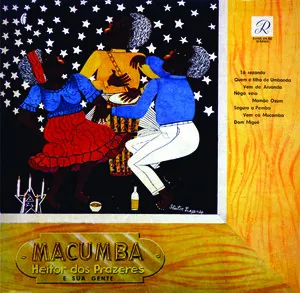
Macumba
Heitor dos Prazeres e Sua Gente
1974
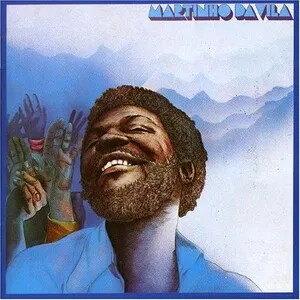
Canta canta minha gente
Martinho da Vila
1974
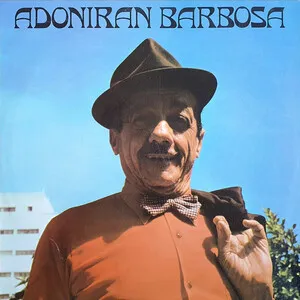
Adoniran Barbosa
Adoniran Barbosa
2007
Sambista perfeito
Arlindo Cruz
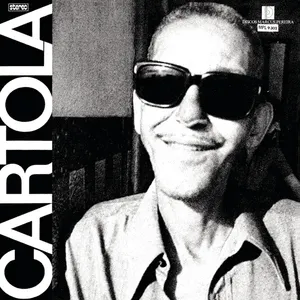
1974
Cartola
Cartola
1975
A voz do samba
Alcione
1979
No pagode
Beth Carvalho
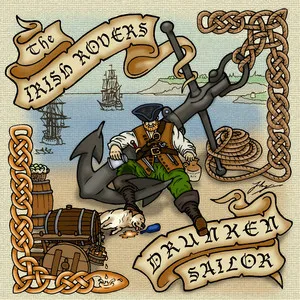
2012
Drunken Sailor
The Irish Rovers
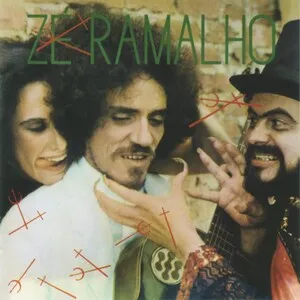
1979
A peleja do Diabo com o dono do céu
Zé Ramalho
Download our mobile app
Get the Melodigging app and start digging for new genres on the go
Download on the App Store
Get it on Google Play
© 2026 Melodigging
Give feedback
Legal
Melodding was created as a tribute to
Every Noise at Once
, which inspired us to help curious minds keep digging into music's ever-evolving genres.