Genres
Make Music
Artists
Albums
Challenges
Sign in
Sign in
Albums
By Los Pirañas
Albums
By Los Pirañas
Historia natural
October 11, 2019
Listen
2
/5
Genres
Tropicanibalismo
Tropicanibalismo is a Colombian scene and aesthetic that emerged in the early 2000s to reinvent coastal musics such as cumbia, porro, champeta, currulao, and chirimía through a contemporary, experimental lens. Artists in this movement treat the traditional repertoire as raw material to be “cannibalized”: they splice Afro‑Colombian rhythms with fuzz guitars, Farfisa/organ timbres, dub mixing, tape echo, and left‑field studio techniques. The result moves between sweaty dance‑floor energy and playful, psychedelic collage, while still keeping the hand‑drummed swing and call‑and‑response singing of the Caribbean and Pacific coasts. Beyond a sound, tropicanibalismo is a DIY, crate‑digging attitude: recover forgotten records and rhythms, filter them through modern electronics and art‑rock sensibilities, and feed them back into Colombia’s urban club and indie circuits.
Discover
Listen
Cumbia Peruana
Cumbia peruana (often called Peruvian cumbia or, in some strands, chicha) is a guitar-led, psychedelic-tinged reimagining of Colombian cumbia that emerged in Peru in the late 1960s. It blends the infectious two-step cumbia rhythm with surf and psychedelic rock guitar tones, Andean melodic sensibilities from huayno, and elements of Peru’s coastal vals criollo tradition. The result is a hypnotic, minor-key sound built on shimmering lead guitar lines, warm organs, hand percussion, and a steady, danceable groove. Over time it branched into regional and social variants—most famously the jungle-infused cumbia amazónica of the 1970s and the migrant urban style known as chicha in the 1980s—while later revivals and digital reinterpretations spread its hallmark guitar-melody aesthetic across Latin America and beyond.
Discover
Listen
Psychedelic Rock
Psychedelic rock is a style of rock music that seeks to evoke, simulate, and expand altered states of consciousness through sound. It typically features timbral experimentation (fuzz, wah, tape delay, phasing), drones, modal or raga-influenced harmony, extended improvisation, studio-as-instrument production, and surreal, mystical, or mind-expanding lyrics. Emerging from mid-1960s counterculture, it fused garage-band energy with folk, blues, and non-Western musical ideas—especially Indian classical ragas—while embracing new studio technologies and concert light shows. Both a live and a studio art, psychedelic rock ranges from jangly, kaleidoscopic pop to heavy, hypnotic jams and cosmic soundscapes.
Discover
Listen
Experimental
Experimental music is an umbrella term for practices that prioritize exploration, process, and discovery over adherence to established genre norms. It embraces new sound sources, nonstandard tuning systems, indeterminacy and chance operations, graphic and open-form scores, extended techniques, and technology-led sound design (tape, electronics, computers, and live processing). Rather than a single style, it is a methodology and ethos: testing hypotheses about sound, structure, and performance, often blurring boundaries between composition, improvisation, sound art, and performance art. Listeners can expect unfamiliar timbres, unusual forms, and an emphasis on how music is made as much as the resulting sound.
Discover
Listen
Cumbia
Cumbia is a syncretic dance-music tradition from Colombia’s Caribbean coast that blends African rhythmic heritage, Indigenous (especially gaita flute) melodic practice, and Spanish colonial instrumentation and forms. Traditionally performed in a moderate 2/4 (often felt in 4/4 today), it features interlocking hand-drum parts (tambora, alegre, llamador), guacharaca or maracas for steady texture, and long cane flutes (gaita hembra and gaita macho) carrying call-and-response melodies. As it spread in the 20th century, orchestras and dance bands added accordion, horns, piano, bass, and later electric guitar and synthesizers, creating urban and pan–Latin American variants. Harmonically simple and rhythm-forward, cumbia places groove, ostinati, and vocal refrains at the center, making it both ceremonial in origin and enduringly popular on social dance floors across the Americas.
Discover
Listen
Peruvian Music
Peruvian music is a richly syncretic umbrella that blends Indigenous Andean traditions, Spanish/Iberian song and dance forms, and West/Central African rhythms and instruments brought during the colonial era. Across Peru’s diverse regions, coastal música criolla (e.g., valses and marinera) emphasizes guitars, intricate strumming, and poetic décimas; Afro‑Peruvian styles (festejo, landó) center on polyrhythms, call‑and‑response, and hallmark percussion such as the cajón, cajita, and quijada de burro; highland Andean genres (huayno, harawi, yaraví, huaylarsh) foreground quena and zampoña (siku) flutes, charango, harp, and pentatonic melodies; and the Amazon basin pioneered psychedelic/organ‑driven cumbia amazónica and later chicha—electrified hybrids that carry Andean melody into an urban dance setting. Performed in Spanish and Indigenous languages (Quechua, Aymara, and Amazonian tongues), Peruvian music moves between communal dance, ritual functions, and intimate song, balancing nostalgia and celebration with rhythmic vitality.
Discover
Listen
Similar albums
2008
La danza del petrolero
Los Wembler's de Iquitos
2018
Los Charapas de Oro
Los Mirlos
2018
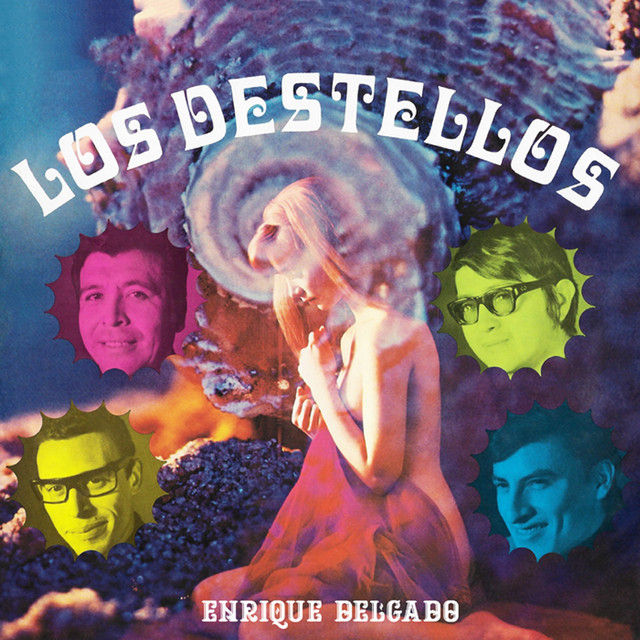
Los Destellos
Los Destellos
2018
El gran cacique
Juaneco y Su Combo
2014
Sendero mistico
Sonido Gallo Negro
2008
¡Sonido amazonico!
Chicha Libre
1971
Constelacion
Los Destellos
2024
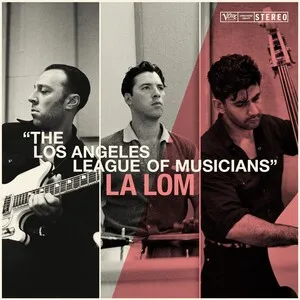
The Los Angeles League of Musicians
LA LOM
2024
PARTIDO EN DOS
La Única Tropical
2014
Cumbias Chichadelicas: Peruvian Psychedelic Chicha
Los Mirlos
Download our mobile app
Get the Melodigging app and start digging for new genres on the go
Download on the App Store
Get it on Google Play
© 2026 Melodigging
Give feedback
Legal
Melodding was created as a tribute to
Every Noise at Once
, which inspired us to help curious minds keep digging into music's ever-evolving genres.